
I feel like a Japanese black cow in wintertime. It’s my second day at Rakxa Integrative Wellness Retreat in Bangkok and I’ve had a sound bath, slow lunch, leisurely stroll, two consecutive massage treatments, and an even slower dinner. Now that I’m back at my villa, I find myself responding to work emails and banging out an article in tandem rather than picking up a book or taking a dip in the private pool—as one should do on a mindful break. I might have just had the most idyllic day, but left to my own devices, I’m unable to switch off.
In my defence, work never ends, but it doesn’t finish itself. This, however, begs some questions. Are wellness retreats intended to rebel against the hustle culture through rest and slow living? What makes an effective wellness space? And if wellness retreats are designed to remedy our overstimulation or exhaustion, what does this say about what has become our everyday norm?
A REMEDY FOR THE PRESSURES OF MODERN LIVING
As it turns out, Rakxa sees wellness as an antidote to the relentless always-on culture. It is why the property focuses on helping guests reclaim mental space, though not by merely ‘switching off’, says Dr Tal Friedman, Wellness Operations Director. “We create an environment where guests can reset their nervous system, deepen their rest, and reconnect with what balance feels like.”
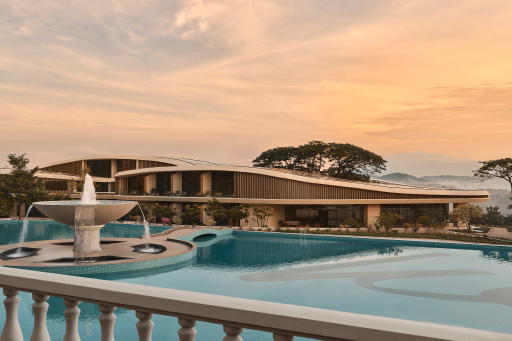
Despite its hustle and bustle, Bangkok was chosen so that Rakxa can be located within Bang Kachao. Otherwise known as the Green Lung of Bangkok, Bang Kachao is a jungle oasis an hour’s drive from the city, and allows guests to enjoy accessibility and convenience without compromising on seclusion and tranquility, Friedman explains.
He has observed a growing number of guests sharing my challenge: physically present but mentally tethered to work and family obligations through, what else, digital devices. “This stems from the culture of constant connectivity, blurred boundaries between personal and professional lives, and the biological effects of chronic stress, which keeps the nervous system in a heightened state of alertness,” he reveals.
Even when people desire rest, their physiology may demonstrate resistance. Many guests suffer from disrupted sleep cycles, high cortisol levels, and mental fatigue which can make stillness uncomfortable, he reveals. The struggle to switch off can be psychological and biological.
But it’s not a weakness as it is an opportunity for holistic intervention. For this reason, Rakxa examines how stress manifests in every guest; key signs include hormonal imbalance, inflammation, and emotional burnout.
Its integrated treatments include medical diagnostics, functional medicine, and restorative therapies. There are holistic practices as well, such as traditional Thai medicine, traditional Chinese medicine, Ayurveda, physiotherapy, energy healing, spa rituals, and mindfulness training.

Friedman’s belief in employing wellness to remedy modern living pressures is echoed by Paul Hawco, Executive Global Director Integrated Wellbeing at Banyan Group. “The always-on culture is driven by technology, blurred work-life boundaries, and the pressure to constantly be productive. These realities often make the idea of rest feel like a luxury rather than a necessity, which explains the rise in demand for wellbeing retreats globally,” Hawco says.
Both Rakxa and Banyan Group’s regional properties are well-acquainted with the needs of guests from Singapore since it is one of their top feeder markets. Guests arriving at Rakxa are already familiar with diagnostics, functional medicine, and holistic approaches, according to Friedman.
Like Rakxa, Banyan Group’s flagship hospitality brand Banyan Tree adheres to an integrated framework that offers activities like yoga, tai chi, forest bathing, ocean-breath meditation, massage, and hydrotherapy to encourage clarity and balance.
Most recently, it launched the #ThisRightNow initiative, a global invitation to pause, breathe, and reconnect with oneself, loved ones, and the natural world.
At Banyan Tree, Hawco explains, the aim is to not only help guests take a meaningful break from the rise-and-grind of everyday life, but also assist them in adopting sustainable practices they can perform back at home.
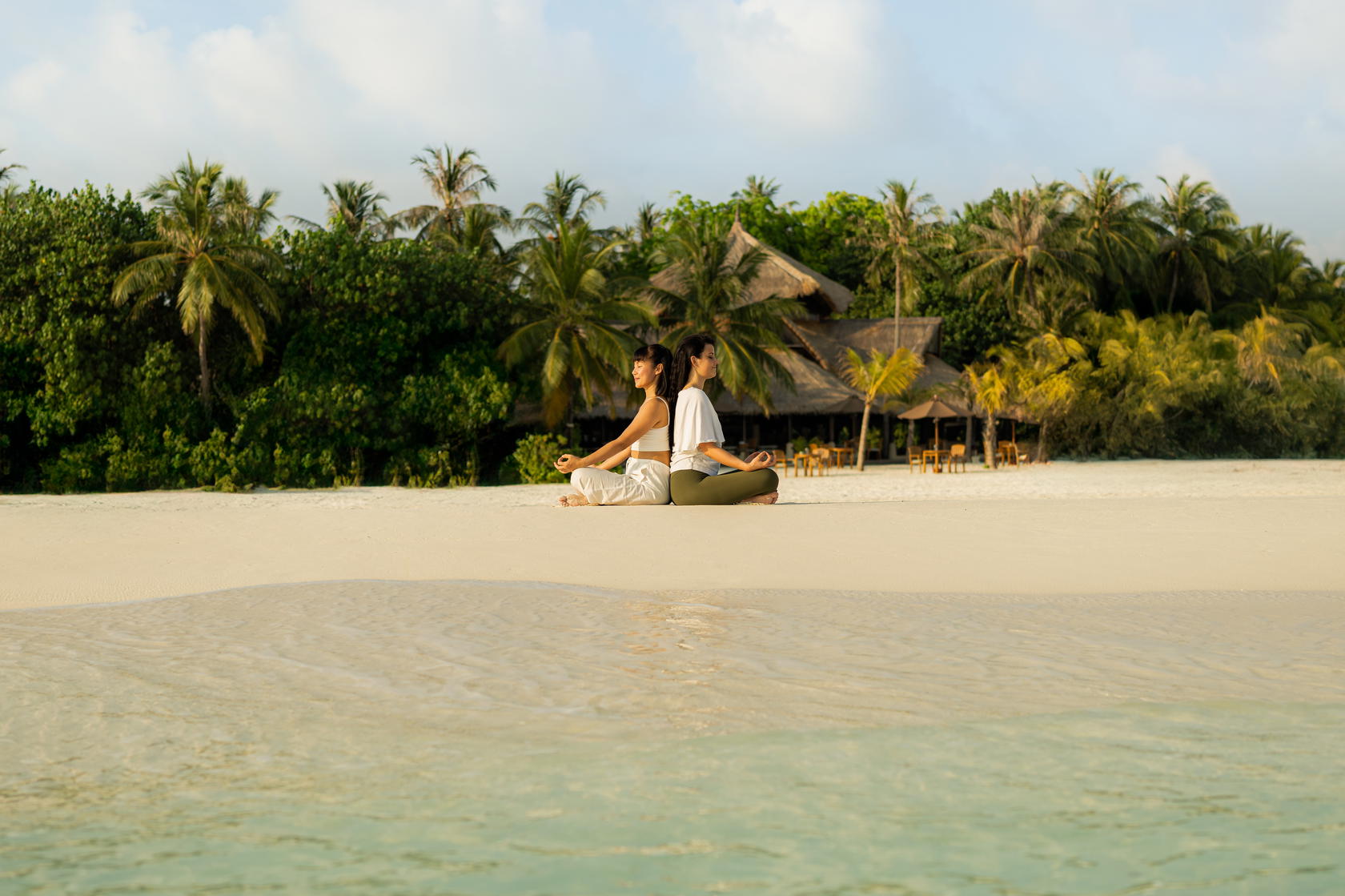
As it stands, the wellness industry has evolved from being defined just by spa treatments or fitness facilities. It now includes rest, nutrition, movement, mindfulness, and connection as well. This is in addition to a heightened interest in new frontiers such as biohacking and performance optimisation, he points out.
At Banyan Tree, wellness isn’t just about programmes and rituals, but also about the interior environment and natural surroundings, Hawco avers. “Every touchpoint is intended to help guests reset, recharge, and reconnect with themselves on a deeper level.”
THE ARCHITECTURE OF CALM
Imaginably, interior design plays a pivotal role in supporting people’s emotional and physical well-being at wellness retreats. If anything, effective design extends beyond physiological effects and aesthetics, says Dr Stéphane Lasserre, Studio Practice Leader for Hospitality at interdisciplinary global design firm HKS. While successful design addresses comfort, safety, and basic human needs, the true value lies in shaping experiences, evoking emotions, and fostering connections, he adds.
Hospitality projects in the wellness sector that HKS has completed include Nikki Beach Resort & Spa Antigua, Belmond Cap Juluca in Anguilla, AutoCamp Joshua Tree in California, and Conrad Orlando at Evermore in Florida.
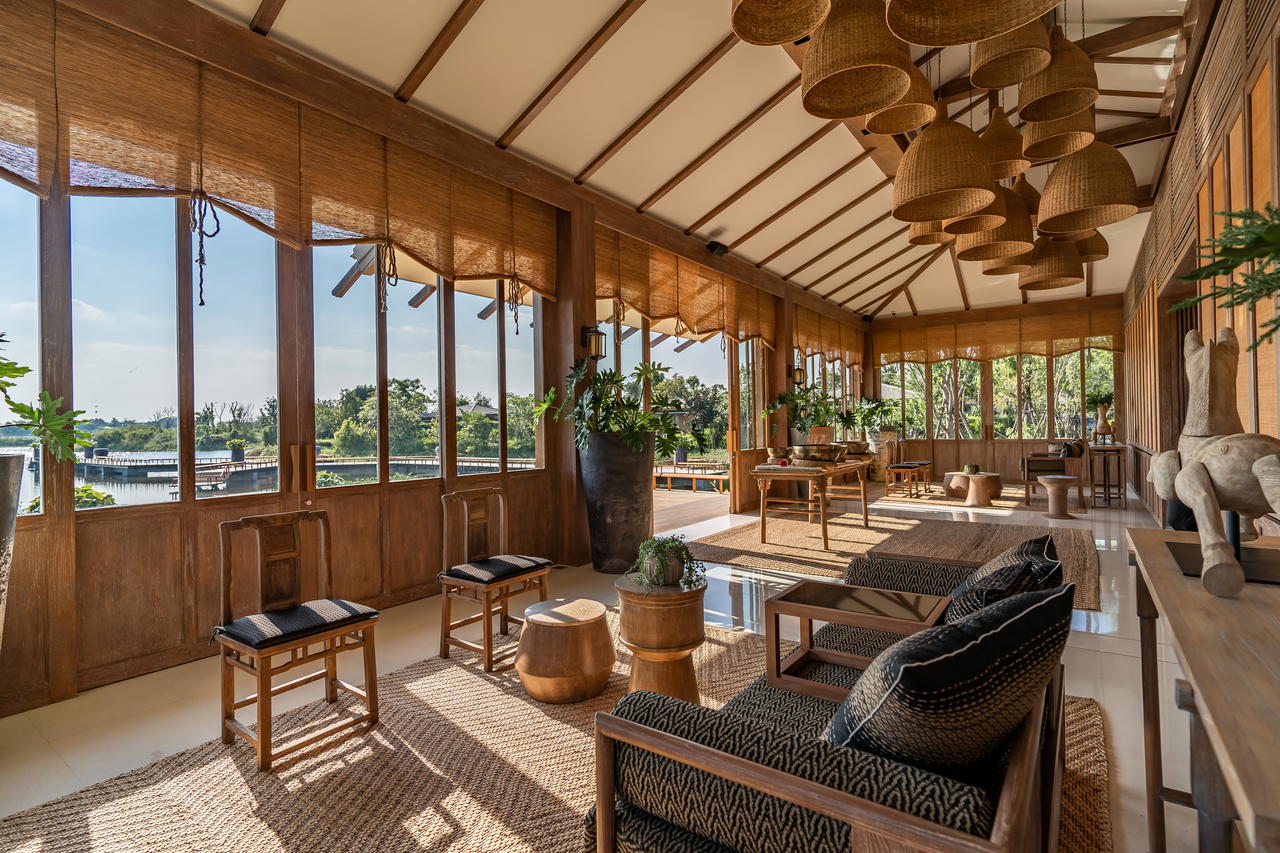
In his experience, wellness retreats should have several key interior design elements. For instance, exposure to natural daylight “regulates circadian rhythms and improve mood”. Neutral colours, such as earthy shades and soft pastels encourage tranquility. Biophilic elements like plants, water features, and framed views of nature “deepen the connection to the outdoors and support emotional balance”.
Eco-friendly materials like stone and wood promote calmness. In contrast, texture and tactility “create grounding moments of awareness, while soft natural fabrics like linen, cotton, and wool encourage comfort, and hard finishes add depth”.
Sound and scent, through acoustic control using textiles or timber, “foster quiet, restorative spaces, and gentle soundscapes and natural aromas reinforce relaxation,” says Lasserre.
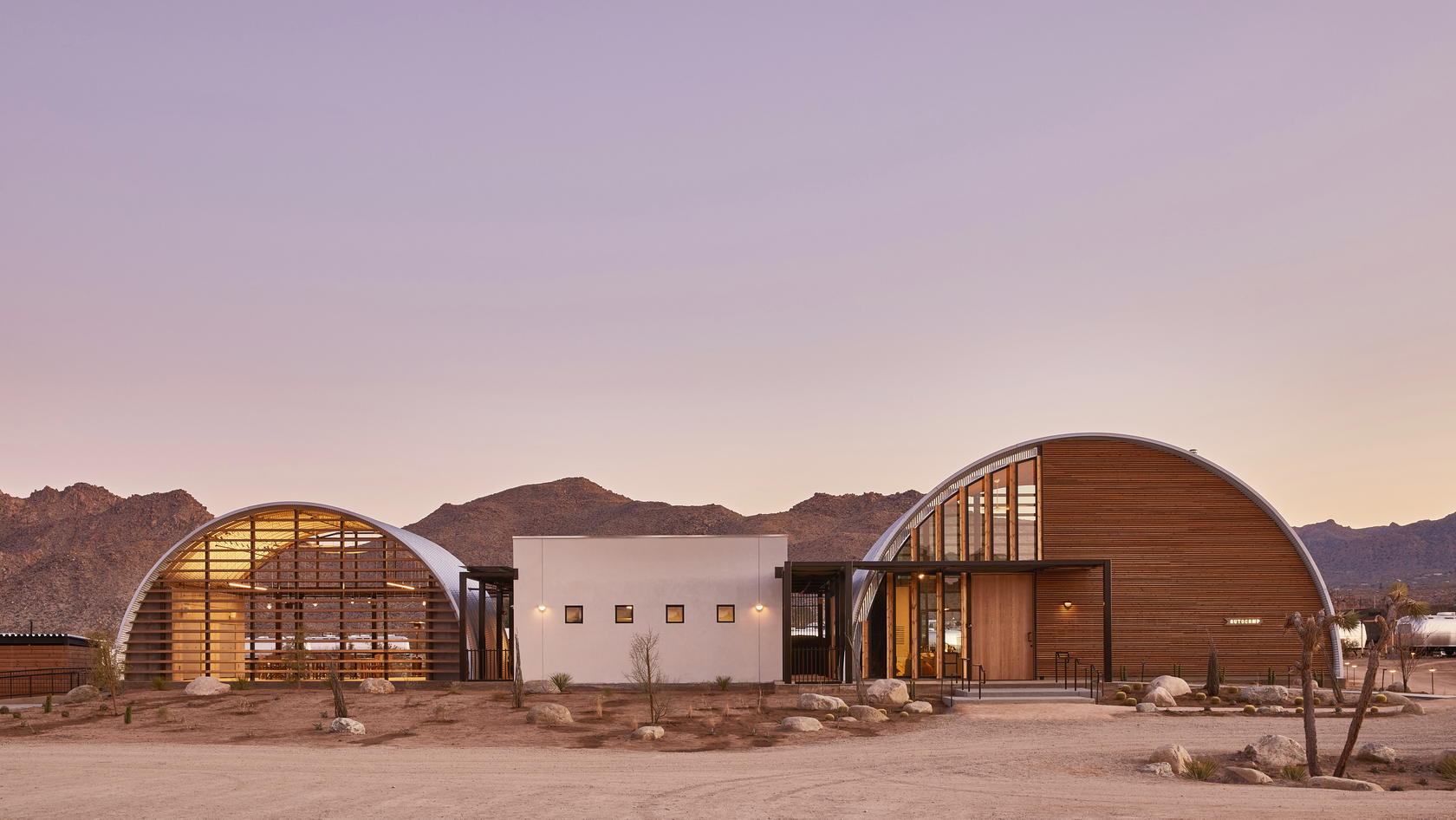
Daylight-filled staircases encourage walking while quiet alcoves prompt reflection. Essentially, well-designed wellness spaces can ignite emotions that last even after the guests leave, he notes. Because design is a form of storytelling, retreats that reflect local traditions, craftsmanship, and landscapes help guests feel rooted in the environment.
Although wellness retreats are often cradled in nature—its benefits are, after all, well documented—greenery is not an absolute requisite in the a wellness retreat experience. “A wellness retreat in an urban setting can be just as impactful, though it requires a different design approach. Urban retreats stimulate or relax our other senses. The wall colours, the ergonomics of the furniture, the smells and the sounds all combine to form part of the holistic experience.”
The challenge is carving out sanctuaries of calm within the intensity of an urban fabric, Lasserre adds. This can be achieved by layering nature back into the built environment through vertical gardens, rooftop greenery, water features, and biophilic interiors to soften the edges of the city.
Besides, urban retreats are more accessible, which enables people to experience restorative environments without having to travel far, making wellness part of everyday life rather than a rare escape. When designed thoughtfully, an urban jungle retreat can also offer moments of pause and renewal. They are as valuable as those found in remote destinations, according to Lasserre.
SANCTUARIES, NOT SUBSTITUTES
In the grander scheme of things, it cannot be denied that wellness has become staggeringly commodified. We have become accustomed to the idea that it is something to be bought and consumed—like embarking on a retreat to relieve exhaustion.
This is because the growing demand for wellness retreats reflects more than just a desire to get away, says Dr Samuel Chng, Research Assistant Professor and Head of the Urban Psychology Lab Lee Kuan Yew Centre for Innovative Cities at the Singapore University of Technology and Design.
In truth, it points to deeper structural issues in the way our environments are designed and modern life is organised.
“The need to escape highlights how our everyday spaces—be it workplaces or even our homes—often fail to support restoration. When the hustle culture is normalised, people seek relief outside their daily contexts, which suggests that the environments we inhabit may be overstimulating, overly transactional, or insufficiently nurturing for our well-being.”
Dr Samuel Chng on the need to look into our first and second spaces
This isn’t to say wellness retreats don’t provide meaningful benefits, he makes clear. Studies have shown that they facilitate improvements in stress reduction, mental health, and overall life satisfaction. But while wellness retreats serve as sanctuaries, they also remind us of the gaps in our everyday lives that ought to be addressed.
If anything, we should be careful not to substitute implementing sustainable wellbeing practices into our daily routines with wellness experiences, he continues.
“If people begin to rely excessively on retreats as an antidote to burnout, they risk reinforcing the cycle of overwork followed by escape, rather than cultivating environments and lifestyles that naturally protect against burnout. The healthiest approach is when retreats act as a catalyst—a pause that encourages people to reimagine how they might bring rest, balance, and healthier rhythms back into their everyday lives.”
Chng adds that the burgeoning commodification of wellness only raises more questions. As it stands, while wellness treatments can be restorative, true rest does not require a price tag or isolation from society, he emphasises. It is possible to take a mindful break without spending a dime at our local park or forest.
In his view, we should avoid equating wellness with consumption alone. Instead, we should see it as a practice grounded in boundaries, habits, and environments that support our mental and physical health and well-being.
“Ultimately, while retreats have their place, the more urgent task is creating cities, workplaces, and homes that do not leave us constantly yearning for escape.”