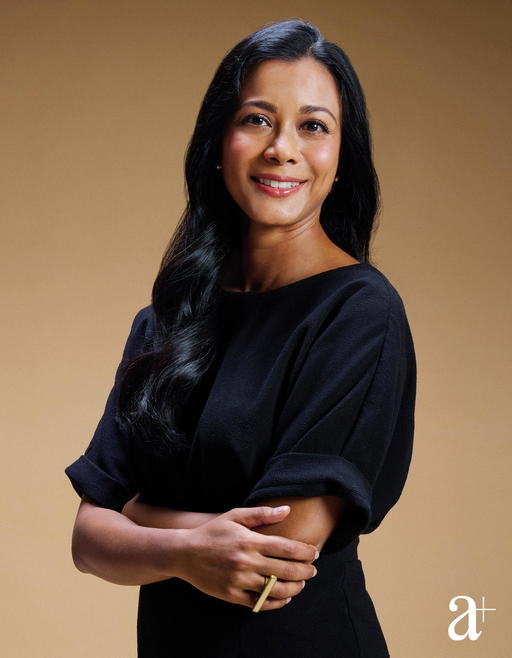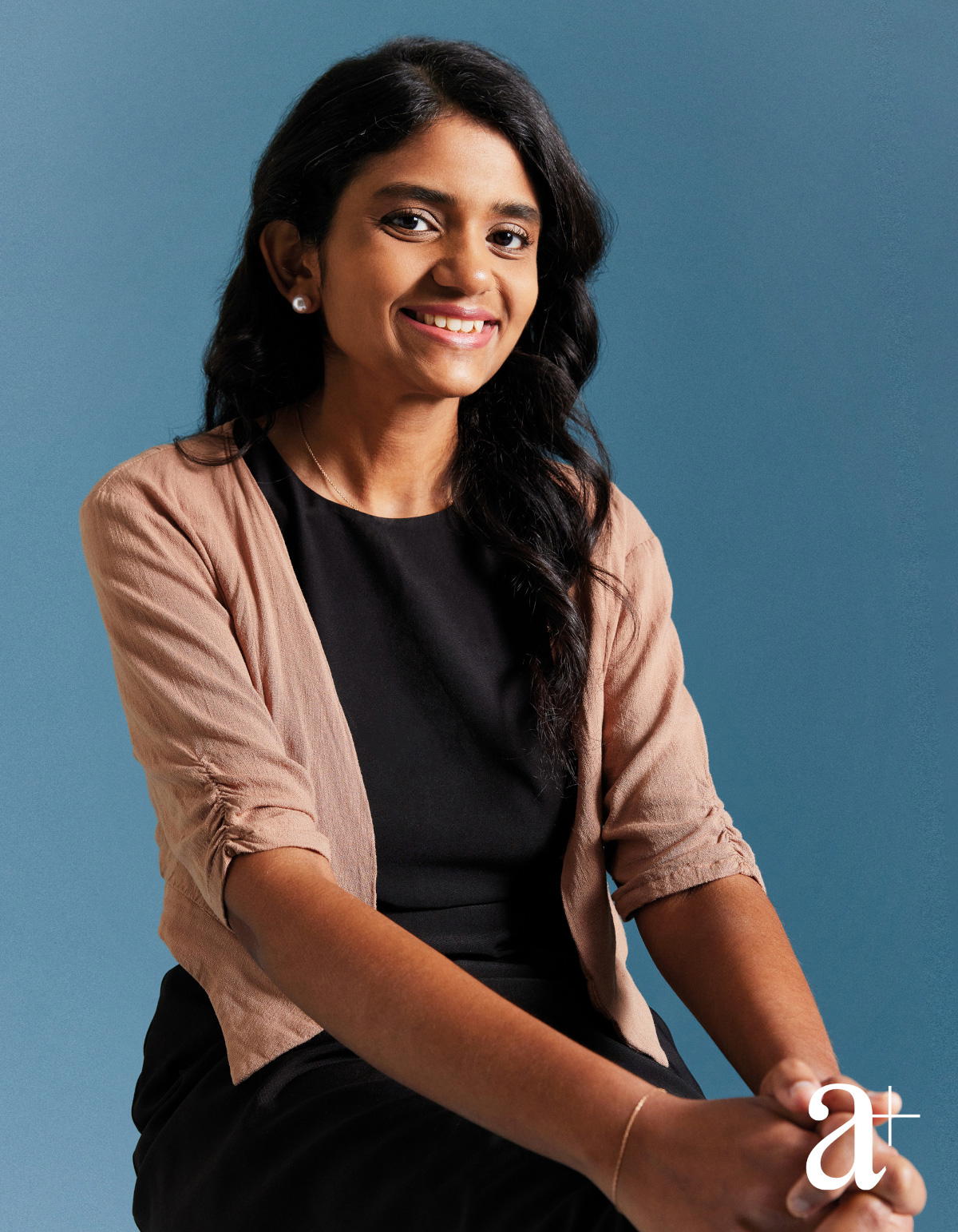
Singapore has been pushing to retain seniors in the workforce as the country lunges towards becoming a super-aged society by 2026. The trend worries P. Keerthana, who co-founded the non-profit GenLab Collective to bridge the generational gap through programmes that promote intergenerational bonding. Among the corporations that approach her non-profit are some with low employee engagement scores that they attribute to various disparities.
“Some seniors think it isn’t fair that younger employees with PhDs and master’s degrees quickly soar in position, while they’ve toiled for so many years. They perceive a lack of respect from their younger colleagues,” she shares.
The lecturer at an institute of higher education asserts that brokering common ground between such individuals can help to resolve spiky points of contention and engender a less fractious society. “There are a lot of communication issues arising, especially with Generation Alpha entering the workforce by 2030,” she cautions.
“There’s a need to examine how we can work around some of the differences across generations and come to a consensus by establishing some ground rules for communication.”
P. Keerthana on an optimal framework
But how do you foster mutuality between separate generations when their POVs are at times diametrically opposed? Gamification is Keerthana’s short answer. At GenLab Collective’s signature GenDate events that are open to the public, youth-senior pairs answer quizzes to discover their love language, complete scavenger hunts, and unearth memories from childhood objects.
The goal is to facilitate meaningful conversations, debunk stereotypes of each other’s generations, and learn how to really listen to one another with a clear understanding of their individual intentions. “It’s putting ourselves in the shoes of another person and recognising that we’re shaped by our own world views and life experiences,” says Keerthana.
The 30-year-old started her initiative to help seniors stay connected to society after witnessing her late grandmother’s decline due to dementia: “I regretted not caring for her and understanding her enough. It only hit me after her passing.”
She channelled that pathos into purpose, working with international non-profits such as Generations Working Together, which supports the development of intergenerational practice in Scotland. Additionally, she completed training and certification in the field.
Keerthana explains that an effective intergenerational exercise, for all intents and purposes, is characterised by the mutual exchange of knowledge and skills. It dwells on the concept of productive longevity, which is the continued creation of value well into a person’s later years.
For instance, she raises the potential merits of engaging seniors as mentors in corporations, or sharing their font of insights on nation building with students. “There are many active agers whose skills can be better used,” she asserts.
Among the successes is a project spearheaded by GenLab Collective, in which a coterie of Singapore University of Social Sciences (SUSS) students collaborated with seniors from NTUC Health to write a book chronicling their lived experiences.
Participants still continue to exchange routine greetings and pleasantries beyond the project via their Whatsapp group chat. It may not be a profound emotional connection by any means but it serves as a starter antidote to the blinkered outlook that has come to represent our modern condition.
Looking ahead, Keerthana plans to launch lunchtime talks and sandbox programmes that promote well-integrated intergenerational workplaces and capacitybuilding events for community organisations.
Even though top-down policies reinforce intergenerational relationships, she hopes grassroots efforts like hers will receive more support. “The government has offered its proximity housing grant to co-locate seniors and youths in the hope that they will interact. But it defeats the purpose of these structural changes if people or community partners don’t know how to facilitate a conversation and get these two groups talking.”
Art direction: Ed Harland
Photography: Mun Kong
Photography assistant: Melvin Leong
Hair: Sarah Tan
Makeup: Keith Bryant using Lancome