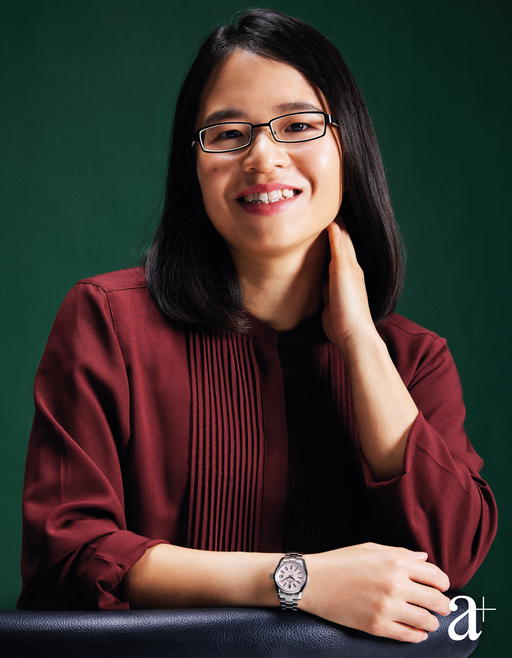

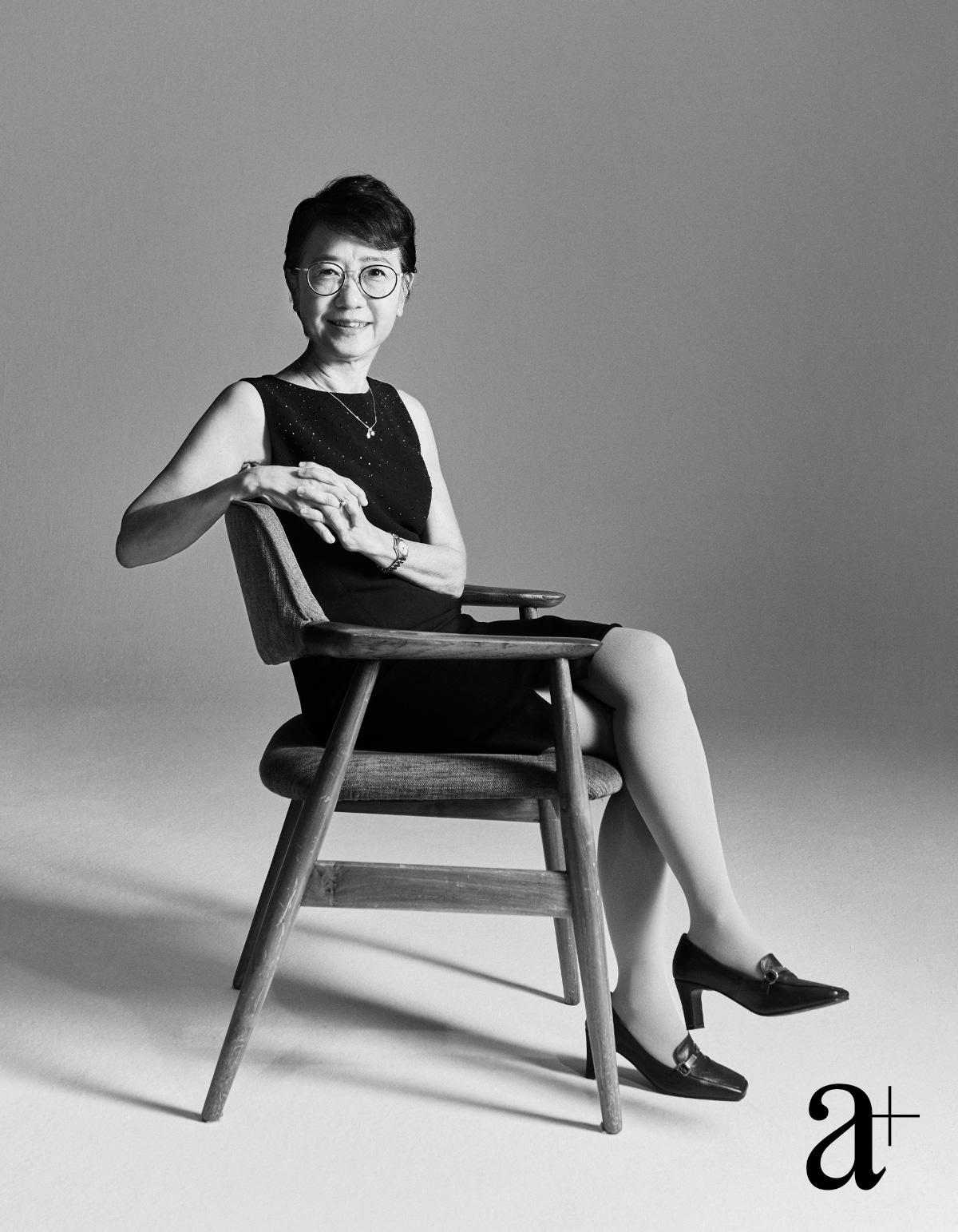
The opening of Khoo Teck Puat Hospital (KTPH) accentuated the impact of an ageing population. Although seniors aged 65 and above constituted less than 10 percent of the population, they accounted for over 40 percent of hospital days, explains senior consultant Dr Wong Sweet Fun. The acute capacity strain meant some patients would be prematurely discharged, and because of inadequate home support, were often soon readmitted.
At KTPH, it also highlighted the need to shift the care model. In response, Wong launched the Ageing-In-Place (AIP) Programme, which allows the hospital’s multidisciplinary team to customise home care plans for resource-intensive patients.
It consists of two components: setting up care teams to assess clinical, social, and environmental needs during home visits, and making community nurse stations in neighbourhoods more visible. The goal was to reduce the number of hospital visits and alleviate the overwhelming number of A&E admissions.
AIP was inaugurated with a shift in mindset. “We reframed our care paradigm to focus on what matters to the patient instead of what is wrong with them,” she says.
“Since patients make the majority of their health decisions outside the hospital, building relationships with them in their homes and communities is crucial to helping them sustain self-care.”
Dr Wong Sweet Fun on taking the right approach
In addition to using design thinking for behavioural and social perspectives on motivating patients effectively and holistically, the team also uses business analytics to help make decisions related to patient stratification and geographical distribution. This allows for the targeted deployment of staff with appropriate skill sets for home visits.
AIP’s efforts were recognised internationally with a United Nations Public Service Award in 2014. It might be no surprise that the programme is just one of the many elder care notches on Wong’s belt.
Together with community partners in the Yishun Health ecosystem, she developed Share a Pot, a frailty prevention programme designed to motivate seniors to exercise and enjoy nutritious soup together. The initiative won the iF Social Impact Prize in 2017, a global design award recognising projects that solve society’s most pressing social challenges.
Following which, she led an investigation into how older residents interact in community spaces that resulted in the establishment of Wellness Kampung with a network of three wellness and care centres at HDB void decks that provide health and social programmes. In 2019, it won the Human City Design Award, now called the Seoul Design Award.
Wong’s extensive experience as a design leader and visionary made her an ideal choice as a jury member for the President’s Design Award 2023, organised by DesignSingapore Council.
For this year’s Singapore Design Week, she collaborated with Hans Tan to deliver Heal: Repair+, an updated version of his R for Repair project. A part of the People of Design Showcase Series, it explores the creative restoration of broken objects as a means of enabling difficult conversations.
As a community builder, Wong hopes we remain active citizens as we age. It is the key to ageing well. “It involves watching what we eat, moving more, nurturing our social networks, getting enough rest and sleep for restoration, and checking in on what we do against our life’s purpose,” she says.
When we act together, we can also achieve a more resilient approach to ageing. “Instead of waiting for compassionate services and paid care, we can go out there and create compassionate communities.”
Art director: Ed Harland
Videographer: Alicia Chong
Photographer: Mun Kong
Photographer’s assistant: Hizuan Zailani
Hair: Eunice Wong W. Y. using Keune
Makeup: Keith Bryant Lee using Shiseido