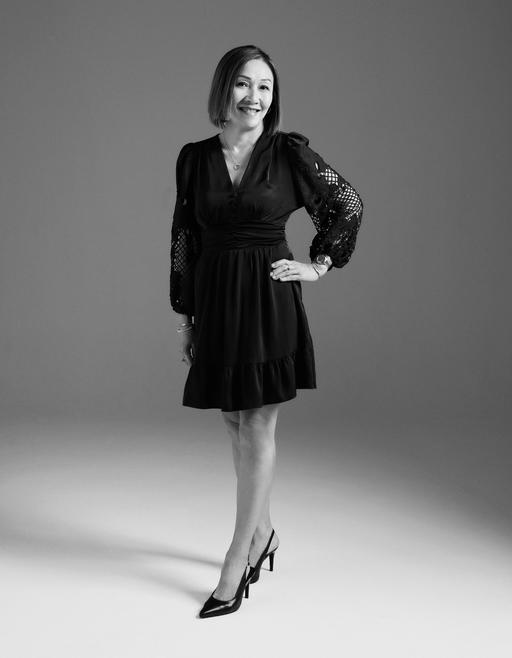

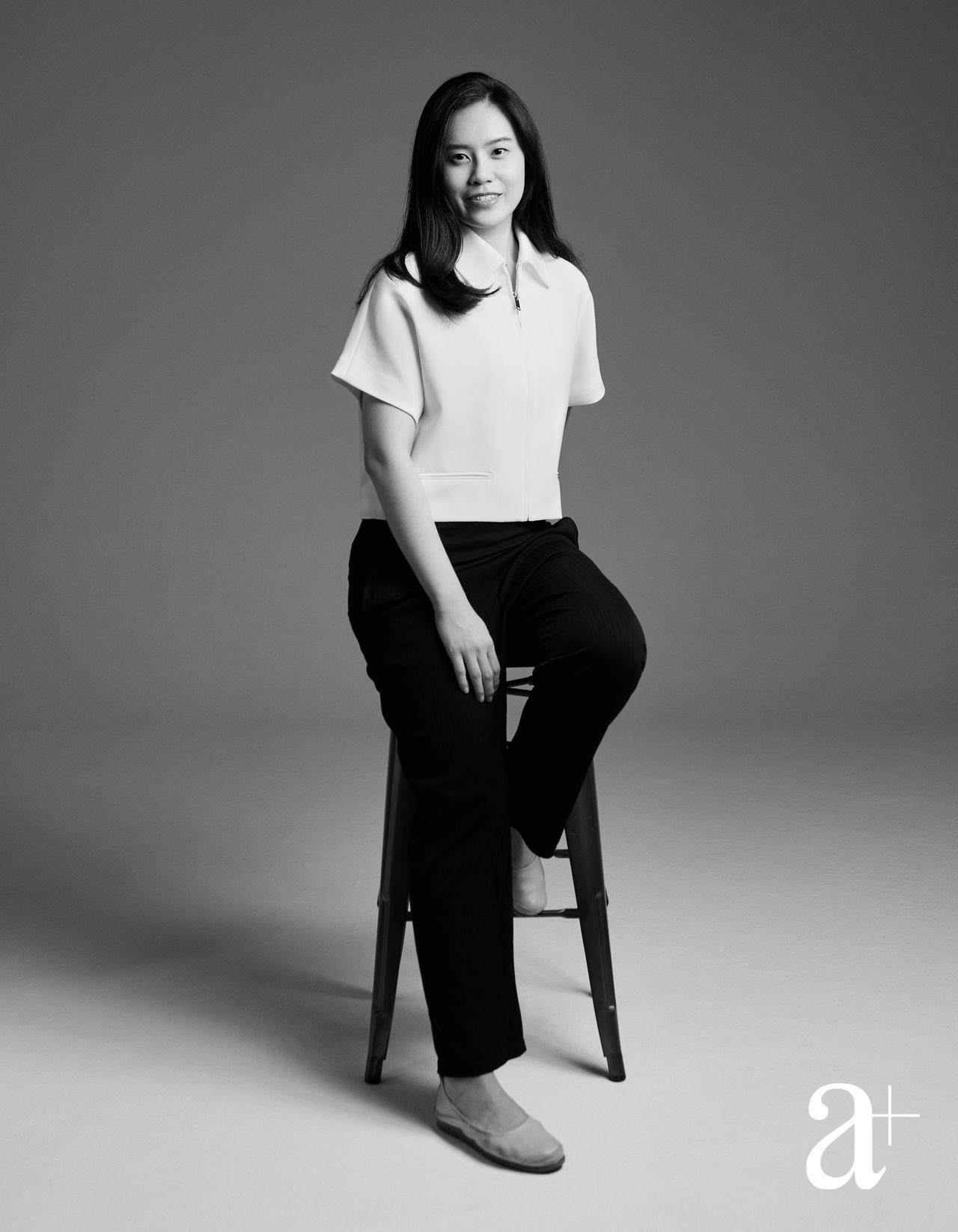
Singapore is on track to becoming a superaged society by 2026, with one in four citizens aged 65 and older by 2030. While Parkinson’s and stroke remain prevalent among the elderly, dementia is on the rise, says Kate Cham. She left a career in management consulting to launch caregiver agency Anglo Caregivers in 2015.
Although the company initially provided private nursing services, it pivoted to only providing live-in caregiving services for two reasons. First, the cost of private nursing services tends to be a prohibitive in the long run. Second, there was growing demand for proficiency in certain languages.
“Many families want someone who can not only provide medical care, but also chat and offer reassurance. It is through these interactions that they see their parents come alive again,” Cham explains.
However, many caregivers are hesitant about working with dementia patients because they are unconfident in managing symptoms like hallucination, aggression, and confusion, she continues. Because these gaps persist, Anglo Caregivers strives to narrow them. “We don’t allow our staff to discriminate based on medical conditions. Instead, we support them with better education and training.”
That said, there is a shortage of caregivers equipped with the skills to manage dementia care or complex emotional needs, particularly since basic caregiver training is poles apart from real-world caregiving, which also requires empathy and endurance.
Even so, Cham is committed to keeping caregiving affordable: the salary of a live-in Anglo Caregiver typically ranges from $700 to $1,000 per month, and the variance depends on language ability and experience. One-time service and third-party fees range from $3,500 to $4,000, but families on a more modest budget can engage domestic helpers trained in elderly care for under $3,000.
To meet increasing demand, the company continuously expands its overseas recruitment network by seeking partners in remote regions and investing in caregiver training. The rigorous screening process, Cham says, “goes far beyond the industry norm”, and she makes sure never to risk a poor match.
“Our commitment is always to the long-term well-being of both the elderly and the caregiver. It’s not just about filling a vacancy.”
Kate Cham on sticking to principles
In Cham’s experience, a big challenge in this line of work lies in a mismatch in expectations. Common issues include unrealistic multitasking (“employers often equate caregivers with maids and hold them to near-impossible standards”); inadequate rest for caregivers (“some families view caregivers as robots expected to perform without limits”); tricky family dynamics (“there are cases where a patient’s spouse feels jealousy due to the presence of a caregiver”); and an insubstantial adjustment period (“some families expect the caregiver to immediately assimilate into routines and understand the preferences of the patient without providing space for relationship building”).
As part of its efforts to combat caregiver burnout, Anglo Caregivers encourages open communication between an employer and employee, as well as provide counselling to caregivers to assist them in navigating the complexities of the job. As it is, death is a big component. “It’s not a topic many are comfortable discussing, but for our caregivers, it’s something they face often,” she points out.
But they don’t grapple with mortality hopelessly or morbidly. “To be there when it matters most, ensure our patients are not alone, and walk with them and their families is part of the sacred trust we hold, even in the final moments.”
In Cham’s view, embracing death isn’t about becoming numb to it, but rather tackling it with kindness. “It’s about helping others meet it with peace, dignity, and love.”
Photography Mun Kong
Art direction Chia Wei Choong
Hair Yue Qi using GHD
Makeup Keith Bryant Lee using Clarins
Photography assistant Melvin Leong