
Sharbat Gula’s piercing eyes glazed from National Geographic‘s June 1985 cover—a 12-year-old Afghan refugee, photographed by Steve McCurry in a Pakistani camp. This iconic portrait, one of the publication’s most reproduced images, thrust the Afghan conflict’s human toll into global view.
This ability to make remote lands and stories feel immediate dates to 1888, when 33 explorers, scientists and educators convened in Washington, D.C., to form the National Geographic Society with a mission to expand and share geographical knowledge. Its magazine quickly became a powerful visual record of Earth and its people.
Exploration has long been at the heart of Rolex‘s history. Since the 1930s, the Swiss watchmaker has backed pioneering explorers, including the 1953 Everest expedition with Sir Edmund Hillary and Tenzing Norgay, who became the first to summit the world’s highest mountain.
A National Geographic story about that historic expedition the following year heralded the beginning of a partnership between Rolex and the National Geographic Society that has endured for more than seven decades. Over time, that shared spirit of discovery has broadened into a global commitment to the planet.
In 2019, the partnership became a central pillar of the Rolex Perpetual Planet Initiative, which today supports projects across these zones: Oceans, Landscapes, and Science, Health, and Technology. First and foremost, the Rolex and National Geographic Perpetual Planet Expeditions sustain long-term scientific research projects that document the impacts of climate change on some of Earth’s most fragile ecosystems.
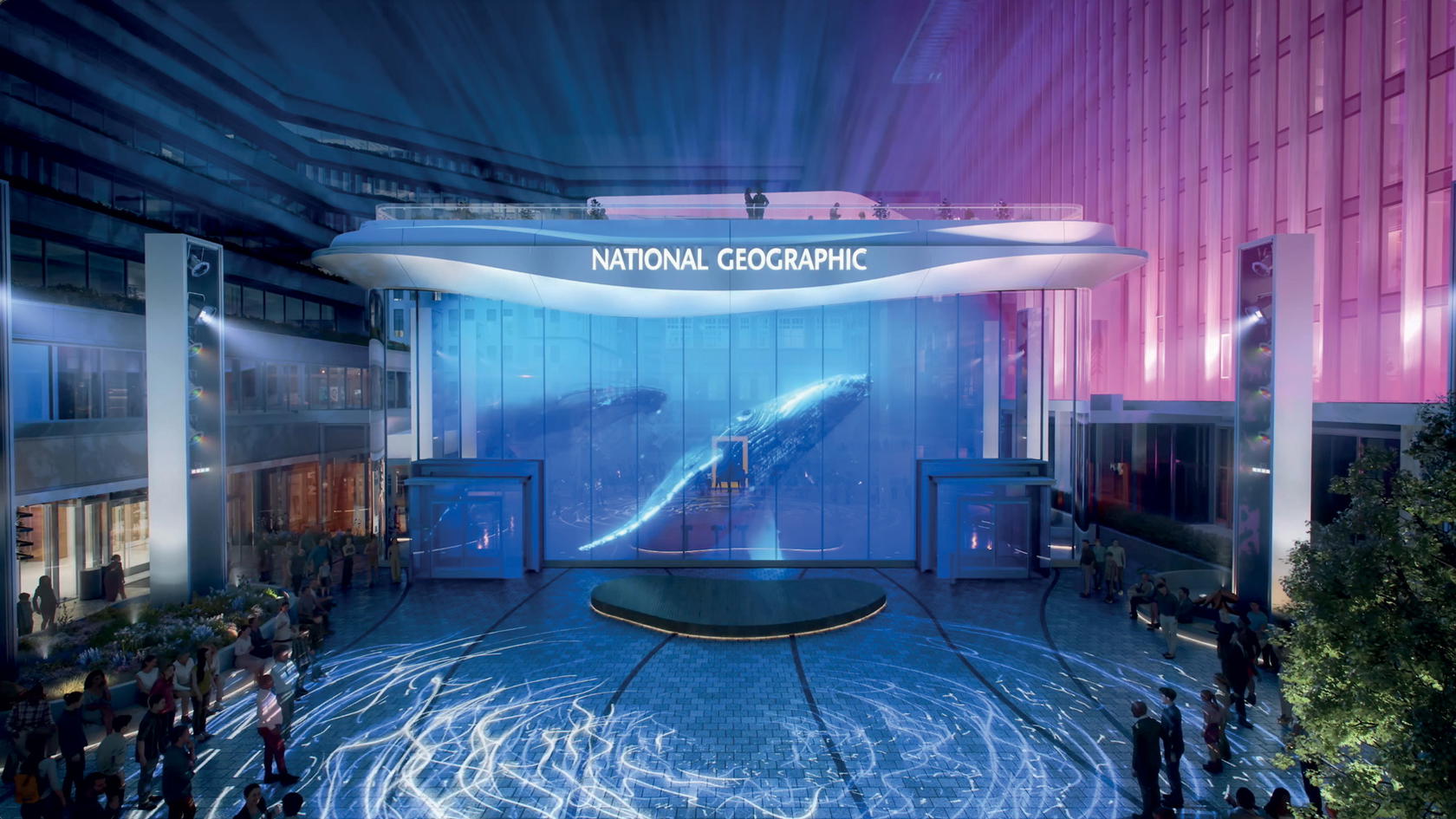
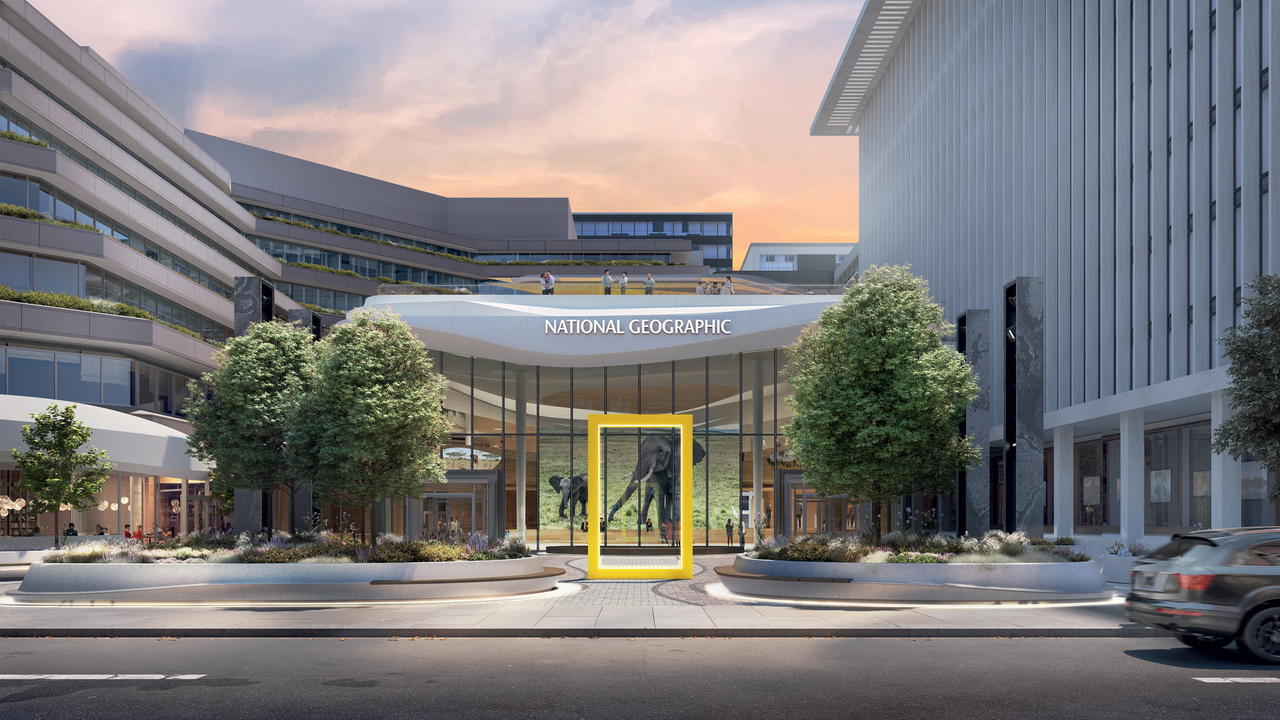
The latest chapter in that relationship unfolds in Washington, D.C., where the National Geographic Society has transformed its headquarters into a reimagined National Geographic Base Camp. Designed as a home for National Geographic Explorers returning from the field, it offers a space to share what they have learnt, connect with peers, and engage the wider public.
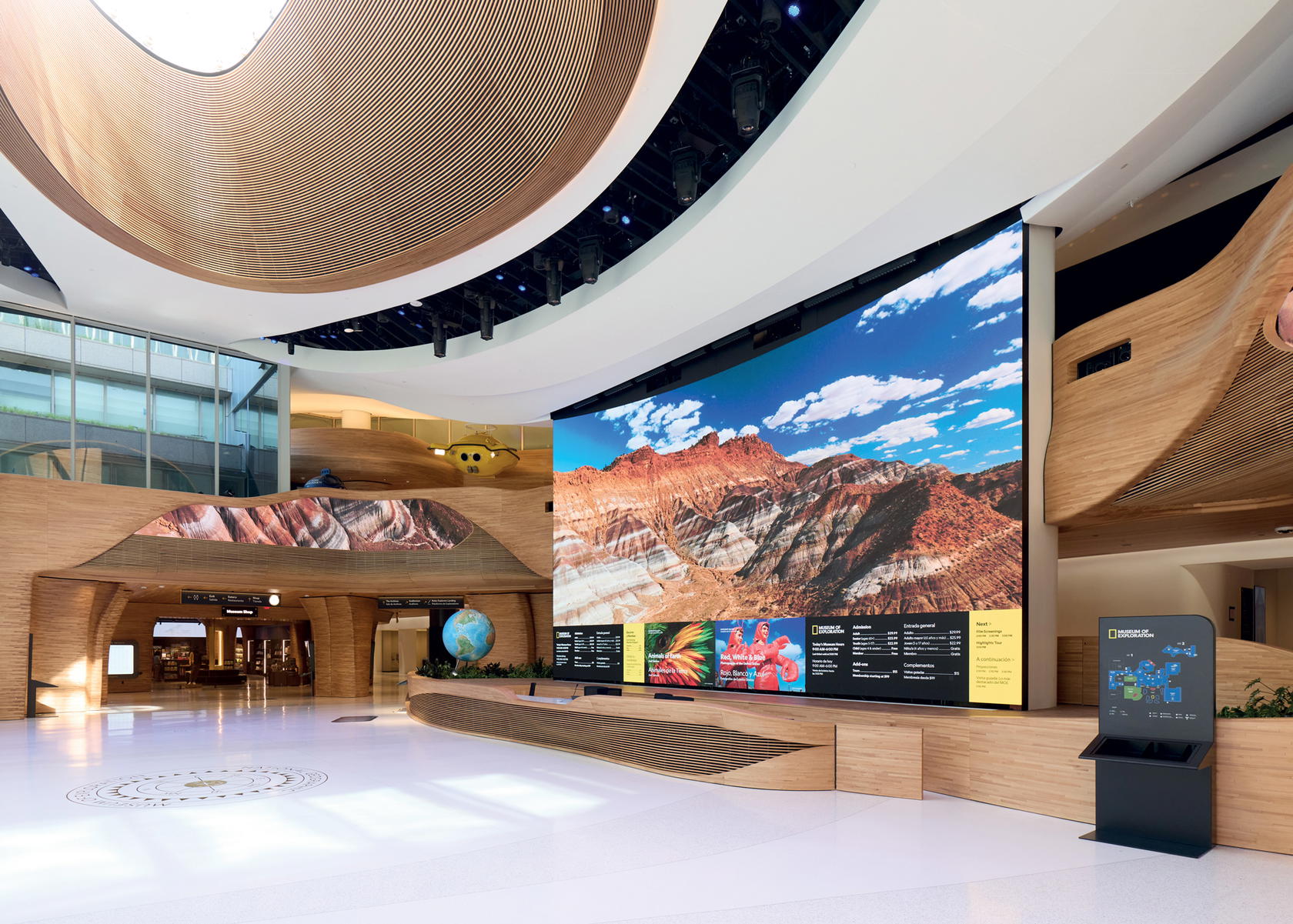
At the core of the revamped complex is the Museum of Exploration, offering immersive experiences, interactive exhibitions, cutting-edge technology, and storytelling about the work of the National Geographic Explorers.
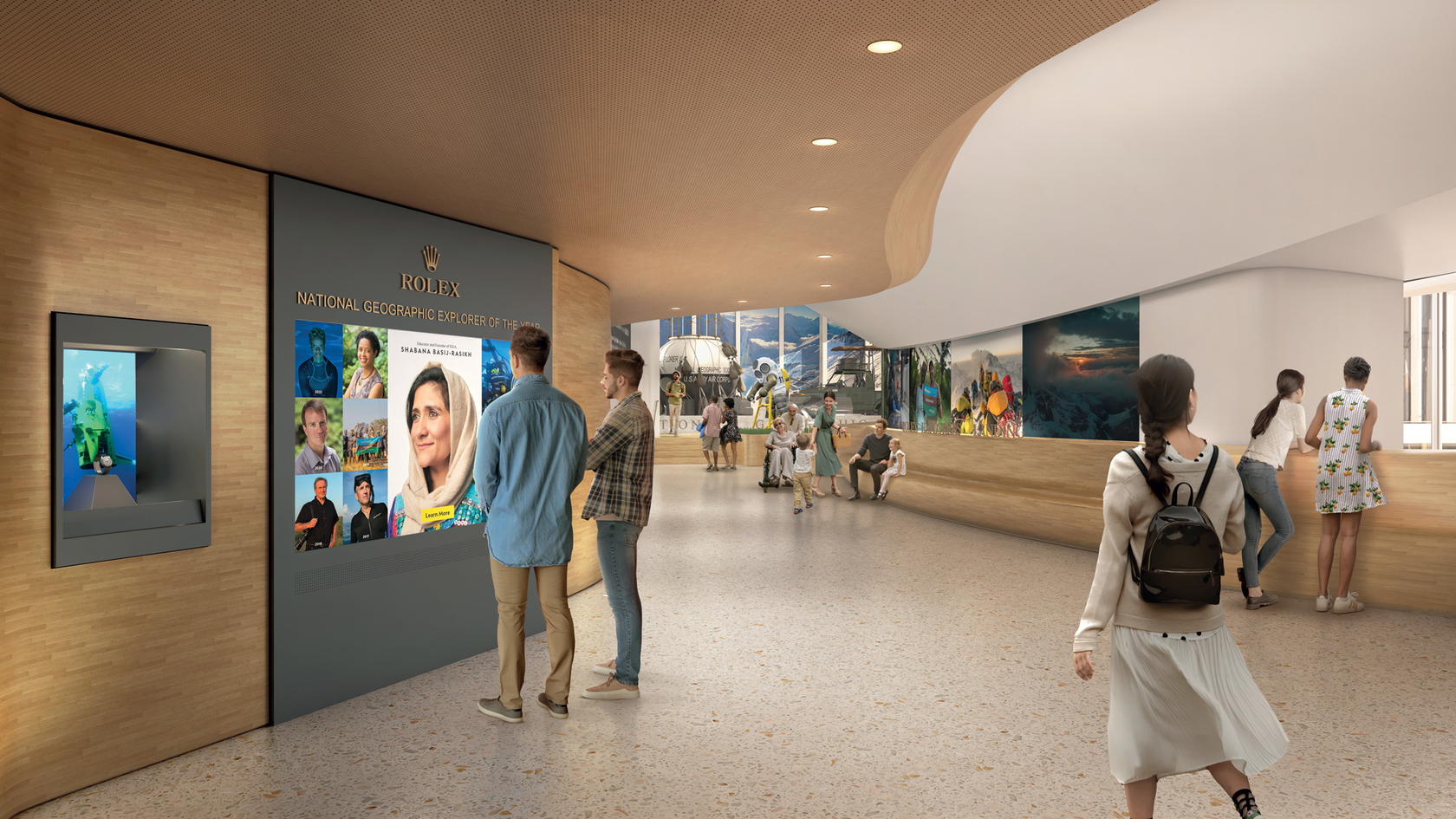
Rolex serves as the Grand Opening Partner for the Museum of Exploration and Founding Donor of Base Camp. Within the museum, the Rolex Explorers Landing honours the people behind landmark expeditions through four areas—Spark, Trek, Purpose, and Impact—tracing explorations from their initial ideas to their profound outcomes.
Among the notable displays is Rolex Testimonee Sylvia Earle’s pressurised diving suit from 1979. It protected the oceanographer from the crushing pressure of the deep sea when she set the record for the deepest untethered solo walk by a woman on the ocean floor—381m off the coast of Hawaii.
The Rolex Explorers Landing also features the Perpetual Planet Expeditions Reader Rail, where visitors can see the latest findings from Rolex and National Geographic’s ongoing expeditions, with near real-time field updates. Spanning Everest, other high-altitude mountain systems, the Amazon River Basin, and the depths of the world’s oceans, these expeditions document climate-change impacts while collaborating with local communities to safeguard some of the Earth’s most vital systems.