
Monopole’s success would be remarkable if measured solely by numbers. With the goal of exclusively representing family-owned wineries, it has become synonymous with quality and authenticity in Singapore’s wine market.
Over the years, it has established exclusive partnerships with esteemed names, such as Champagne Pol Roger and Henschke, and doubled its revenue and reputation in an increasingly competitive industry.
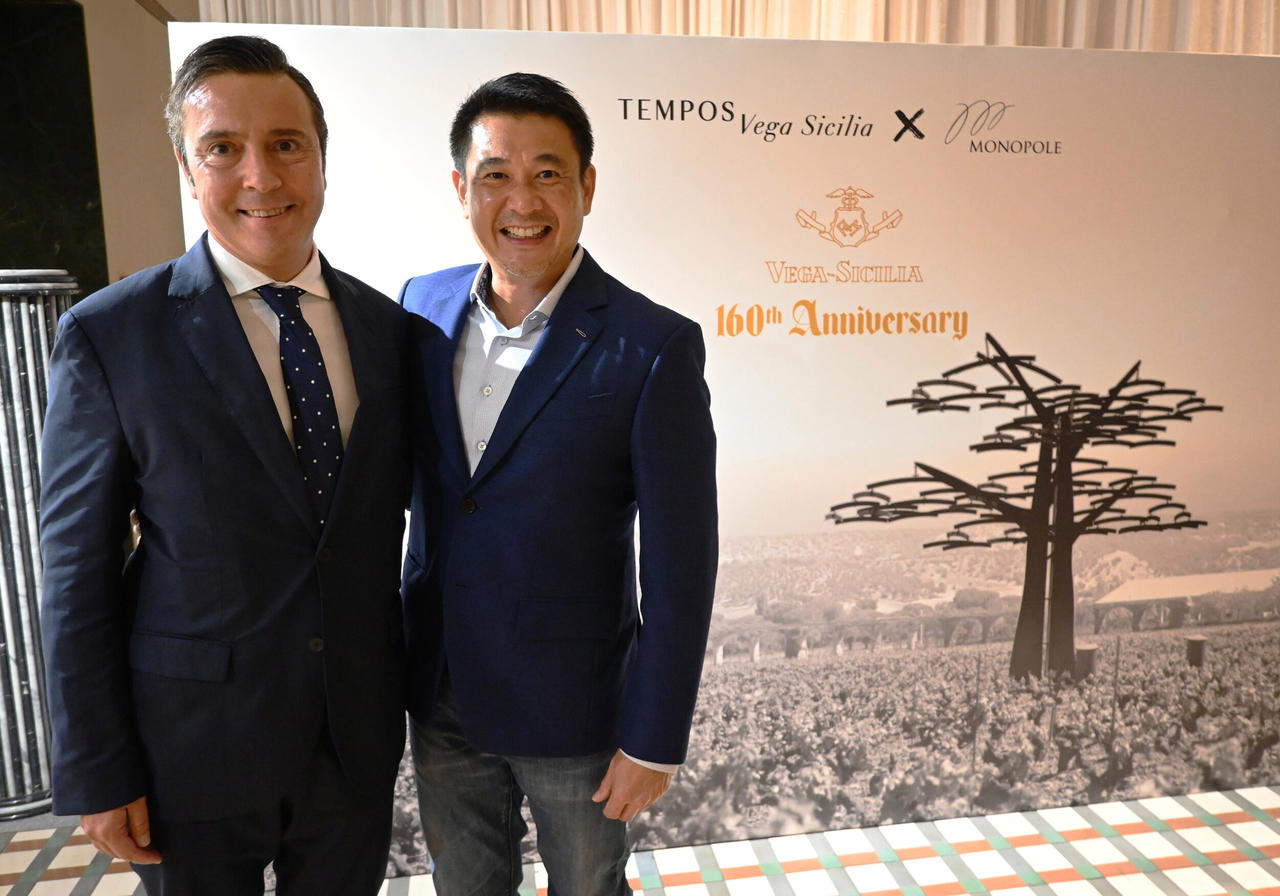
It recently hosted a 160th-anniversary dinner for Spain’s legendary Vega Sicilia—a rare honour shared by only two other countries—attended by Tempos Vega Sicilia’s CEO, Alberto Álvarez Ayuso.
Monopole’s Founder and Managing Director, Michael Chong, believes success transcends numbers. “We don’t chase trends,” he says. Rather, its growth is a reflection of the company’s commitment to craftsmanship, sustainability, and storytelling.
In this conversation, Chong discusses the philosophy behind the company’s growth, the challenges of a crowded market, and Singapore’s evolving wine culture.
From six brands in 2010 to more than 100 today, Monopole has come a long way. Which leadership philosophies have you embraced to guide the company to its success?
My leadership approach is rooted in these key values: maintaining integrity, fostering authentic relationships, and continuously adapting to change. We have grown by emphasising long-term partnerships that bring quality and genuine stories to our portfolio. Additionally, I believe in adaptability—listening to our partners and the market has been instrumental in navigating challenges and seizing growth opportunities.
My leadership philosophy is more strategic than managerial. The business must have a clear vision. To grow and succeed, we must communicate this vision to an organisation and get them to “buy into” that.
When it comes to curating a selection that resonates with enthusiasts and connoisseurs in the region, how do you remain ahead of evolving global trends such as natural wine?
Natural wine was indeed a trend in Singapore, but the rising prices of organic wines have turned many people away. Monopole represents family-owned winemakers with deep, multi-generational legacies of quality, craftsmanship, and relevance to our market.
Brands like Antinori, Vega Sicilia, and Pol Roger embody this commitment to tradition and sustainability. Most of our brands practise sustainable wine growing—with many of them certified organic or biodynamic—and use eco-friendly practises such as lighter bottles to reduce their environmental impact. This commitment preserves their winemaking traditions while making a positive future impact.
By partnering with these producers, we ensure our portfolio remains timeless and innovative, offering something exceptional for enthusiasts and connoisseurs alike.
In what ways has our wine culture evolved? Is this market maturing or are there still gaps to fill?
Singapore’s wine culture has evolved significantly; we now cater to two distinct markets. Older wine drinkers are often more sophisticated, knowing exactly what they want. They typically purchase by the case for various reasons, such as relaxing at home, entertaining guests, or having an informal meal.
Collecting is another reason why some people buy. Younger wine drinkers are adventurous and eager to try new wines. They are frequent travellers, digitally savvy, and curious, favouring popular varietals like shiraz, sparkling wines, and pinot noir. Many of their purchases are influenced by lifestyle. They buy for special occasions, casual gatherings, and dinner parties, with occasional premium purchases for milestones.
Wine drinkers are becoming increasingly knowledgeable, but there is still a need to make wine more accessible to those who find its complexity intimidating. To bridge this gap, we curate selections that appeal to connoisseurs and newcomers. Statistically, wine imports to Singapore have grown only marginally over the last decade, indicating a mature market.
In your experience as a wine aficionado and businessman, how do you see wine as an investment class?
For those with the knowledge and patience needed to navigate the wine investment world, it can be quite rewarding. In contrast to traditional investments, wine is valued by factors such as rarity, provenance, and quality.
Investing in wine can be deeply fulfilling for individuals with a genuine interest, combining financial gain and personal enjoyment. However, I always recommend people invest in wines they love, regardless of whether the investment performs as expected. At the end of the day, it’s still a product that brings pleasure and experience.
As a wine distributor in this region, what challenges have you faced?
Singapore’s regulatory landscape presents challenges, but obtaining an import licence is relatively straightforward, making it easier to enter the market. Consequently, there is intense competition with numerous brands and parallel imports flooding the marketplace. As a result, differentiation becomes increasingly important.
Monopole has addressed this by focusing on authentic, quality-driven wines and maintaining consistency in its offerings. Customer service plays a vital role, as we provide our trade partners with a high level of agility and responsiveness, ensuring their orders are met and fulfilled promptly.
Temperature-sensitive products in a tropical climate present another logistical challenge. To preserve the integrity of our wines, we have invested significantly in the necessary infrastructure.