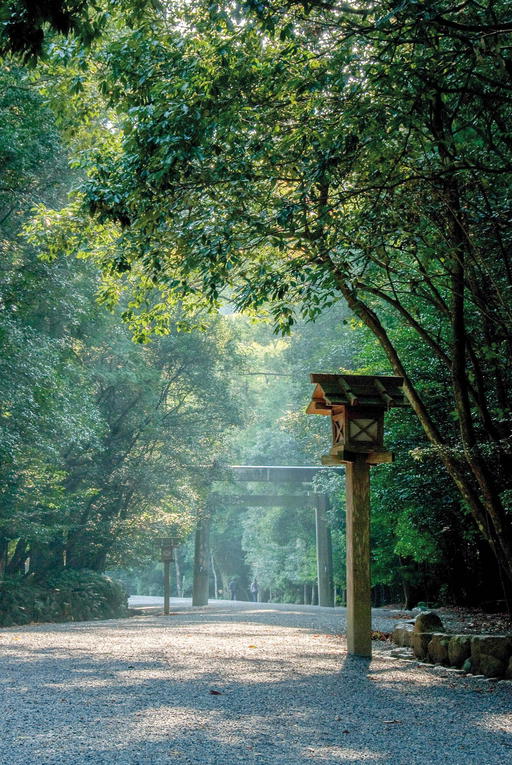

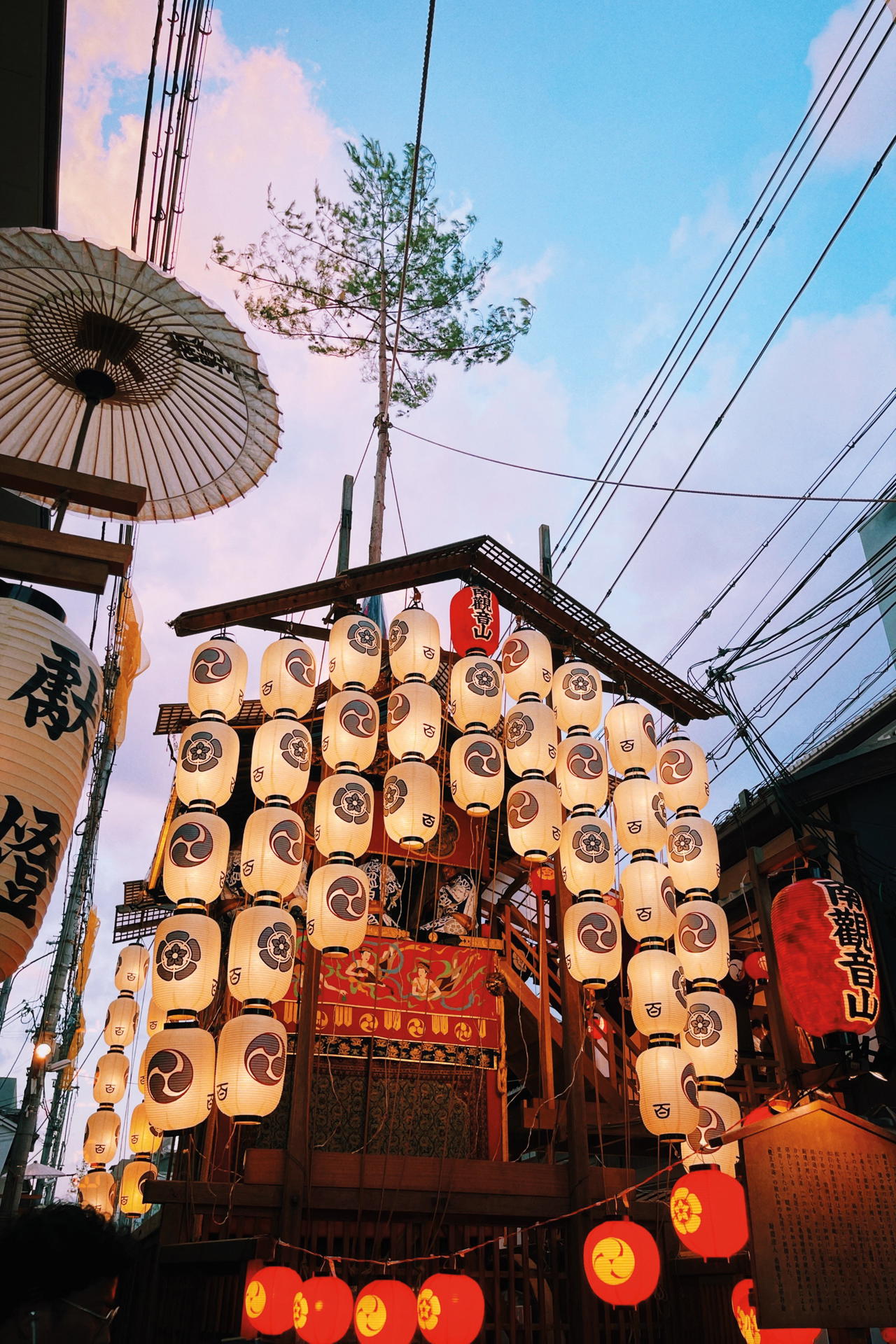
After an unfortunate twist of fate involving an incorrectly filled-out Australian tourist visa, I boarded a plane to the Land of the Rising Sun instead. I wasn’t planning to visit Kyoto during the sweltering summer, but its vibrant matsuris (Japanese for festivals), firework displays, and seasonal blooms beckoned.
Home to the historic Gion district, the former capital of Japan is a haven for food lovers. Michelin-starred kaiseki restaurants serving the haute couture of Japanese cuisine are plentiful, but so are value-for-money options under the Bib Gourmand list. Here are three I loved.
Izugen
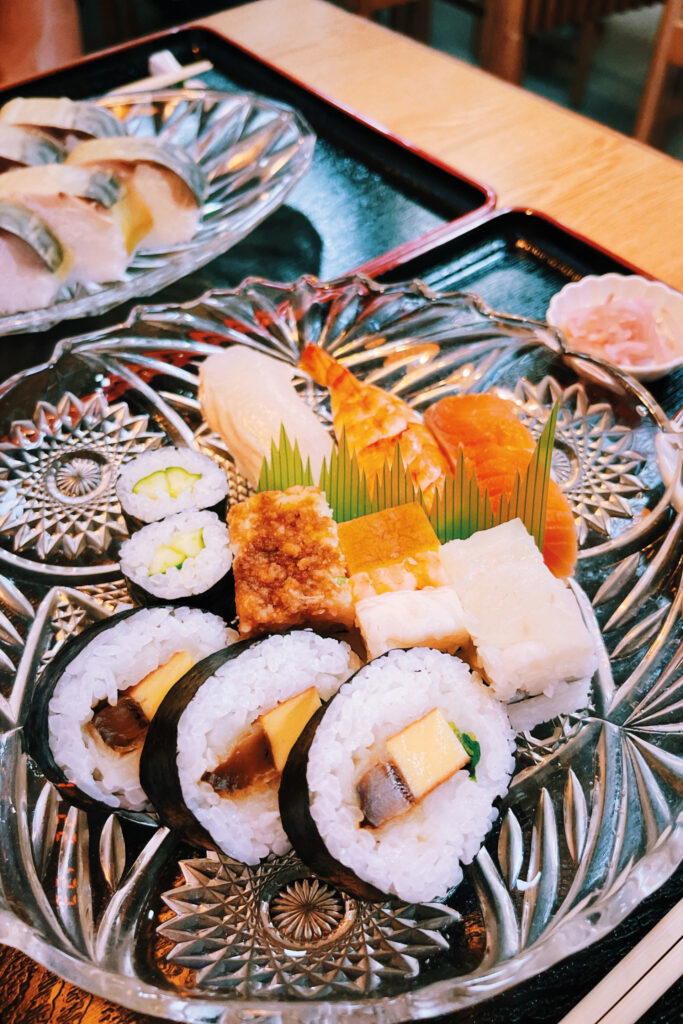
Helmed by a third-generation owner-chef, this homely restaurant is decorated simply with paper lanterns and calligraphy scrolls. Kyoto sushi, a local speciality best enjoyed without soya sauce, is the highlight. Sushi rice is cooked in dashi for a more pronounced umami flavour. It is then formed into a box with salted white fish or hamo (pike conger) teriyaki. Don’t leave without trying the mackerel sugatazushi. This Kyoto staple consists of a whole mackerel sliced and pressed into rice.
Honkaku Teuchi-Udon Taiga
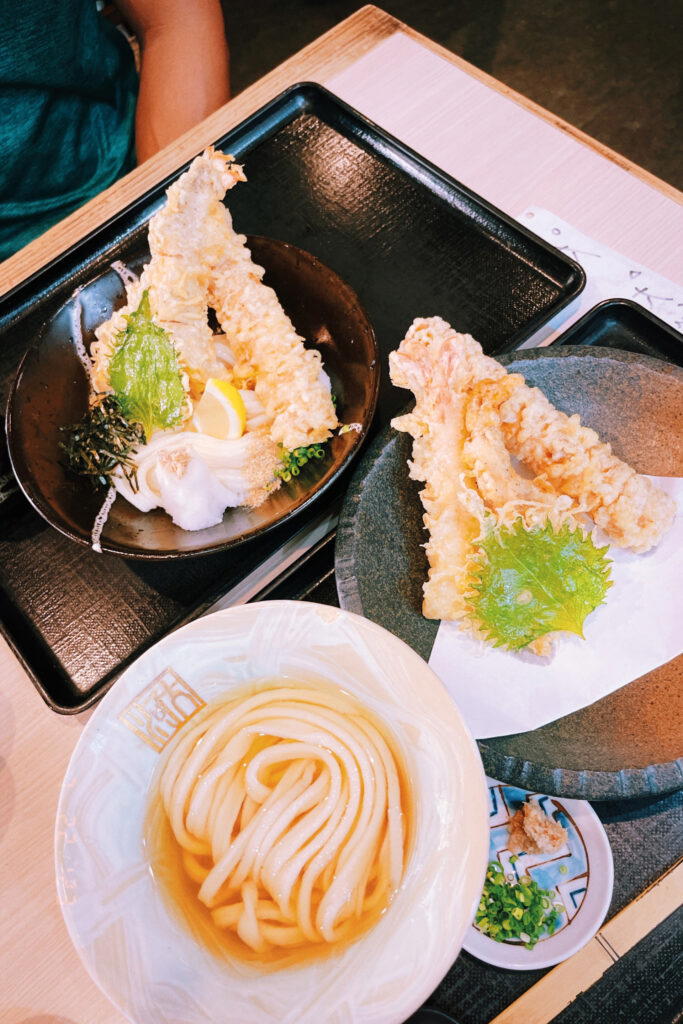
This neighbourhood restaurant has some of the best noodles I’ve ever had. The udon is firm yet incredibly bouncy. A nod to its Kyoto-born owner-chef who trained in Kanagawa, they are prepared using the famous “sanuki” technique. His version uses added water to soften the noodle texture further, and the dashi derives its flavour from kombu and katsuobushi (fermented skipjack tuna) instead of the usual dried sardines. Cold and refreshing udon, served with crispy tempura, is a welcome respite from the sweltering summer heat.
Men-ya Inoichi
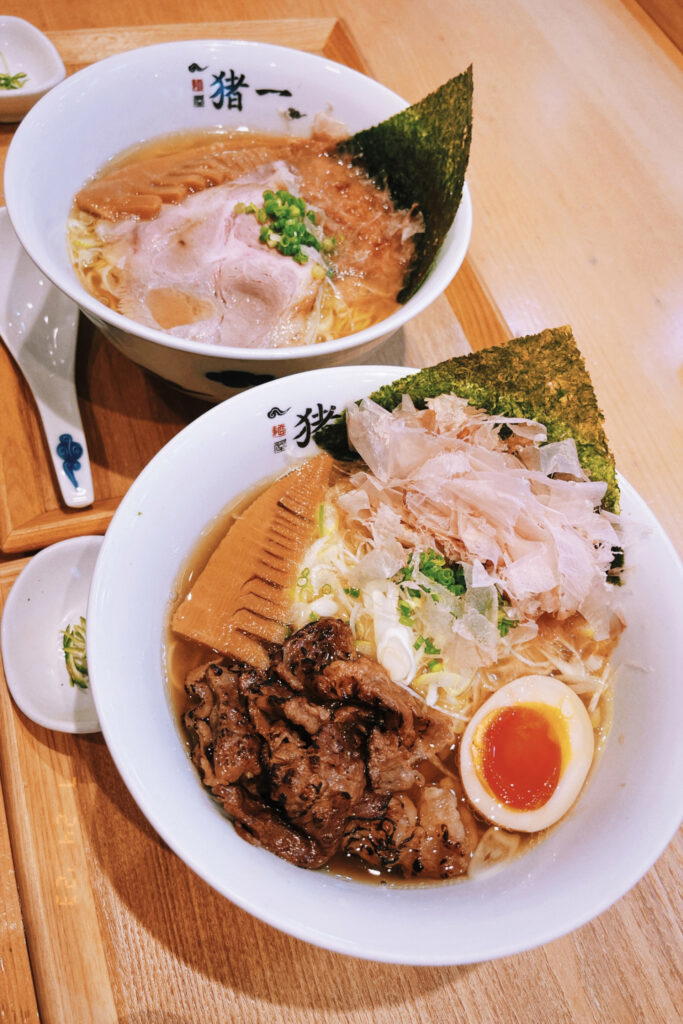
In keeping with its Kyoto roots, dashi is the lifeblood of this popular ramen restaurant. The deeply aromatic broth is made from rausu kombu, an umami-rich kelp, and several types of dried seafood. While the white ramen is delicious, I recommend the black ramen for its full-bodied flavour. It pairs beautifully with torched wagyu beef. The final touch is a generous topping of dried bonito flakes, freshly shaved to a 0.01-mm thickness so that it melts quickly into the broth.
Photography Samantha Francis