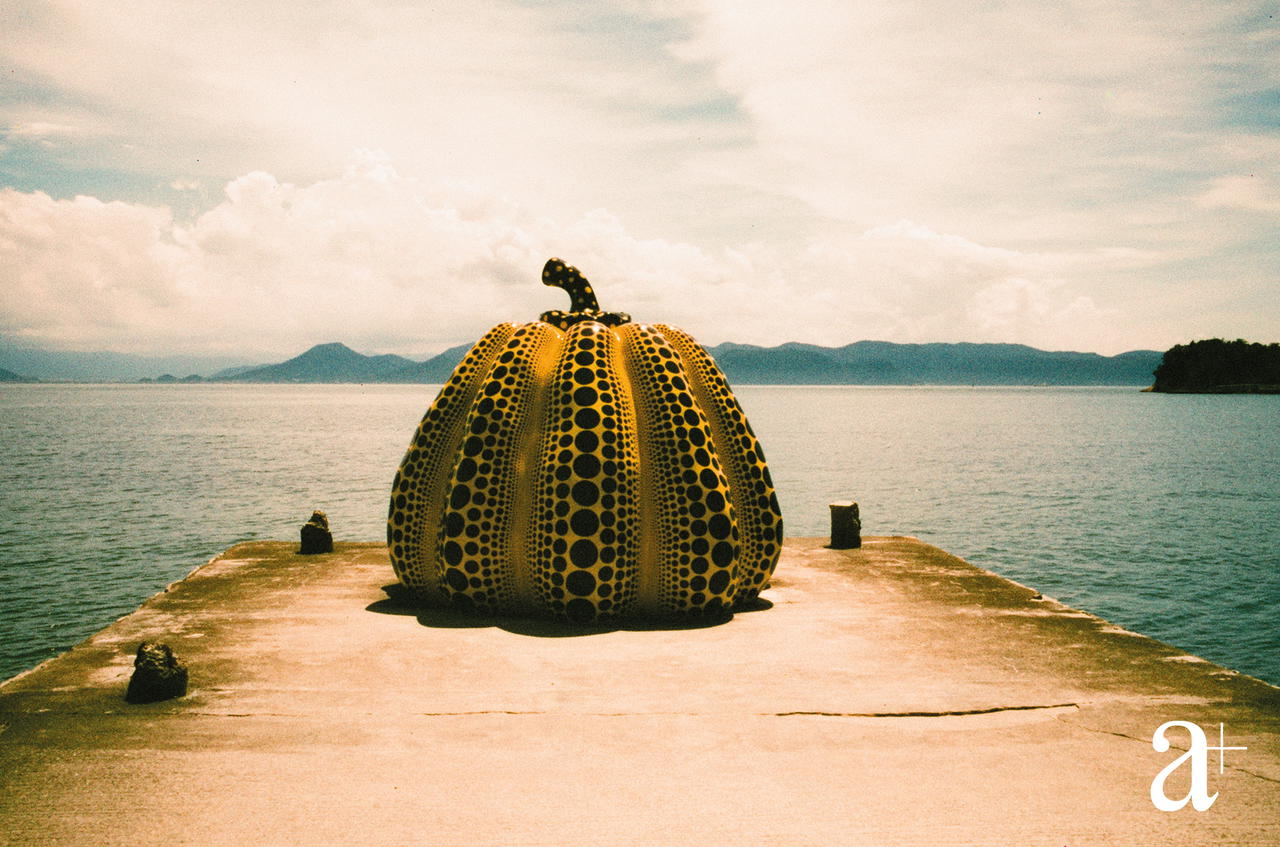
For art and photography fans, Naoshima in Japan’s Seto Inland Sea is one of the best places for squash sculptures, colourful architectural masterpieces, and imaginative community art spaces.
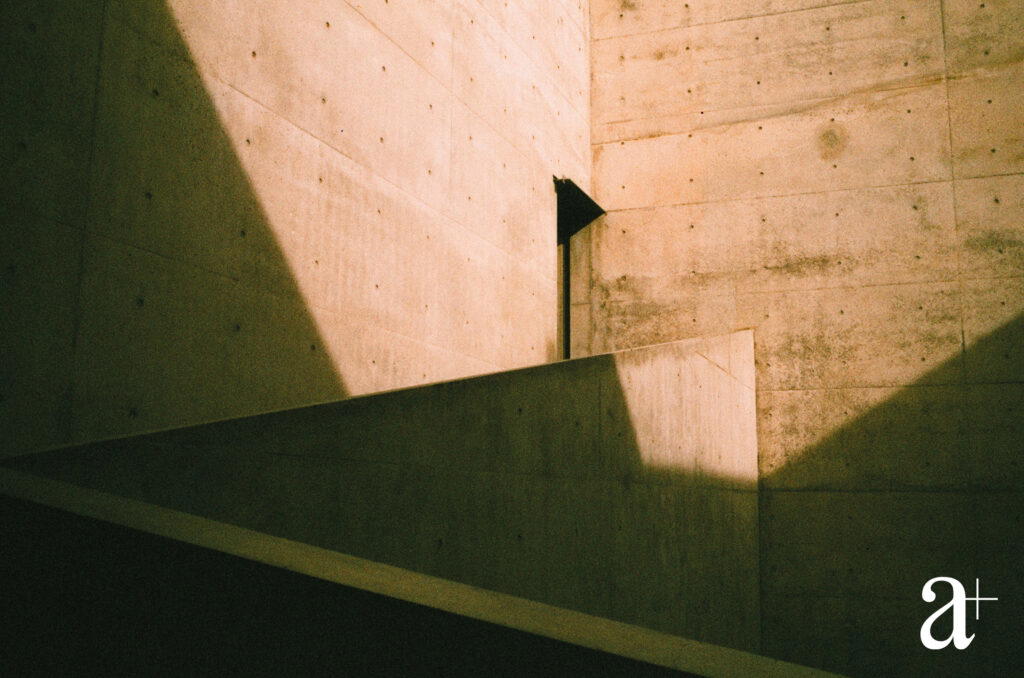
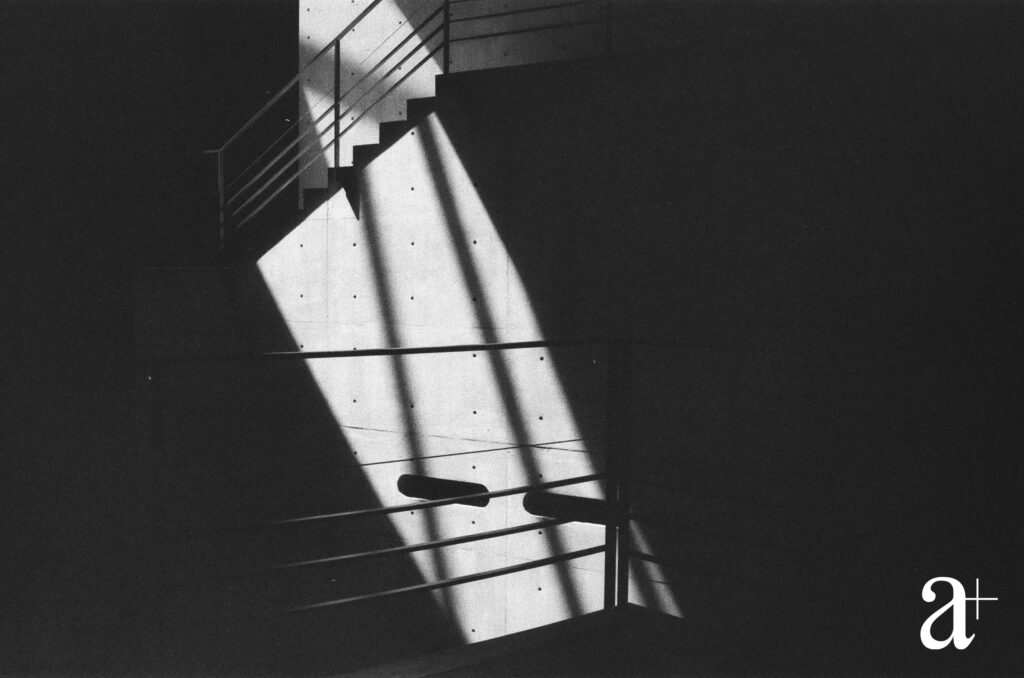
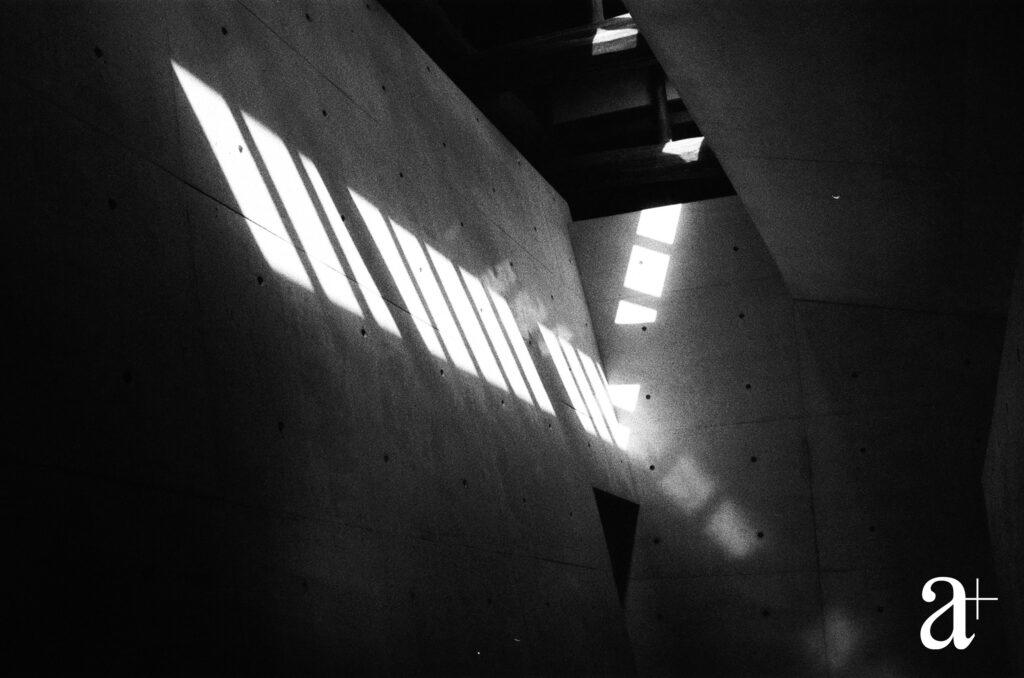
Designed by Ando, Chichu Art Museum lets in plenty of natural light, which morphs the appearance of both the space and artwork throughout the day.
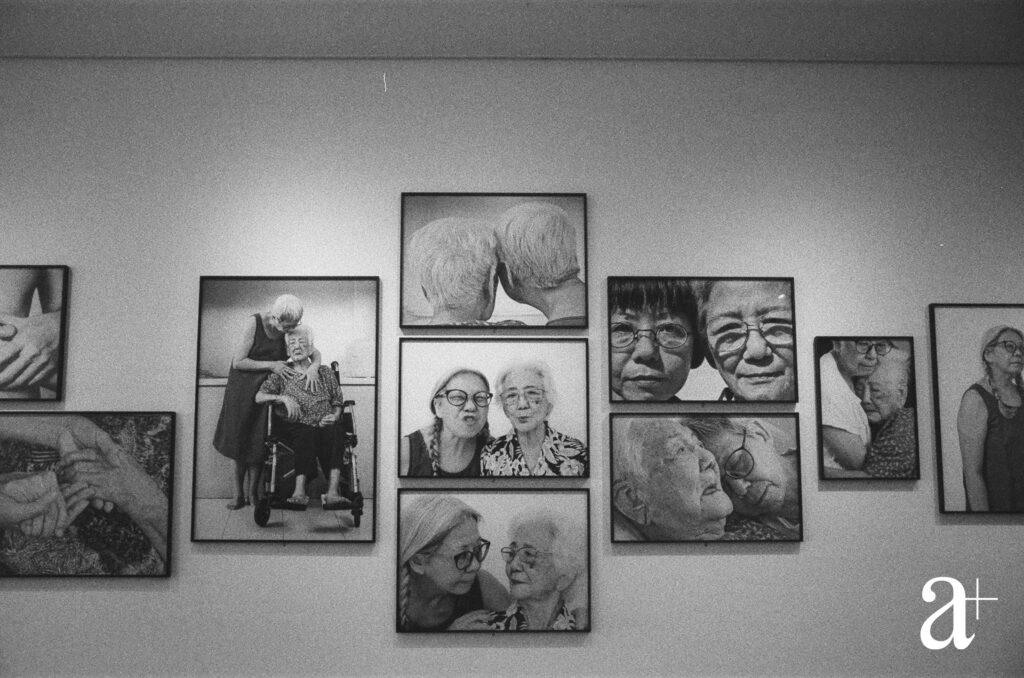
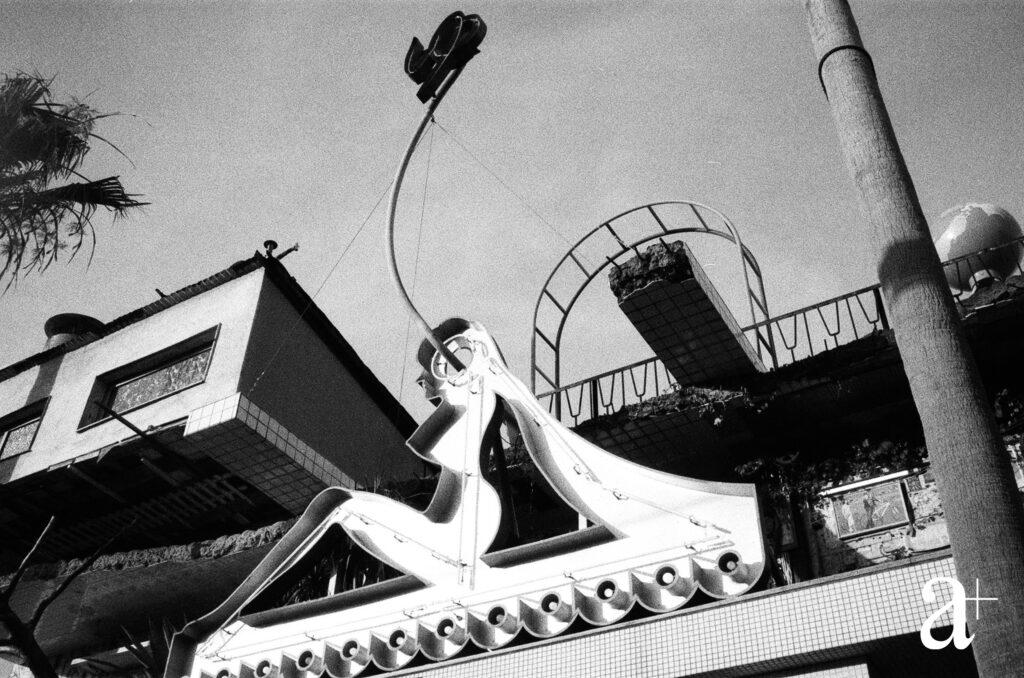
Artist Otake Shinro’s ‘I Love Yu’ combines contemporary art with a public bathhouse. Through his scrapbook-like style, visitors can immerse themselves in art made from recycled objects from all over Japan.
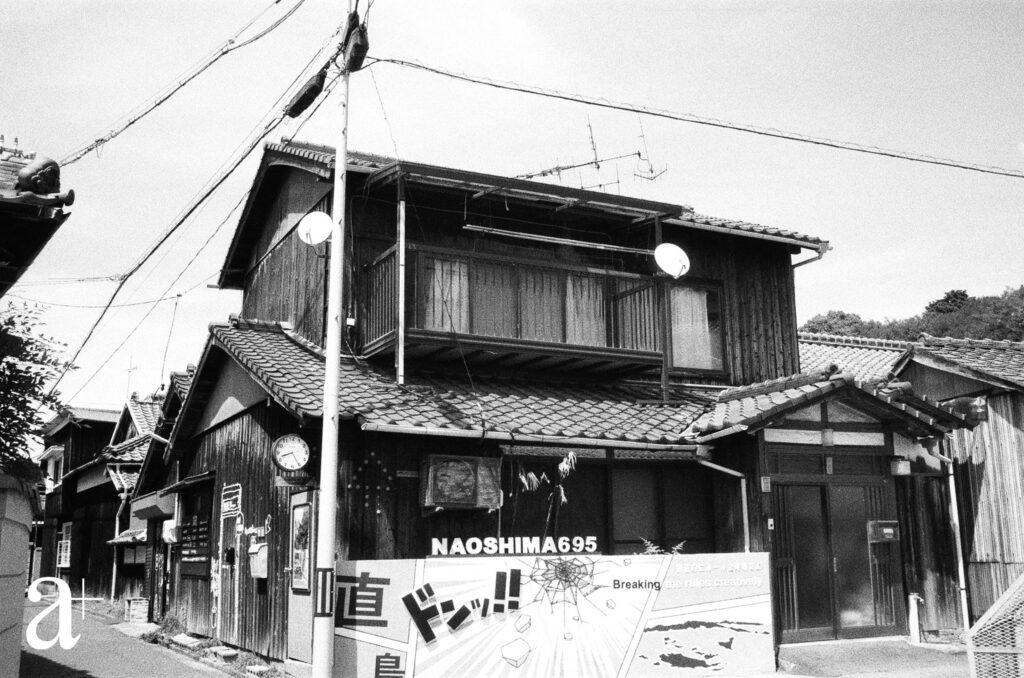
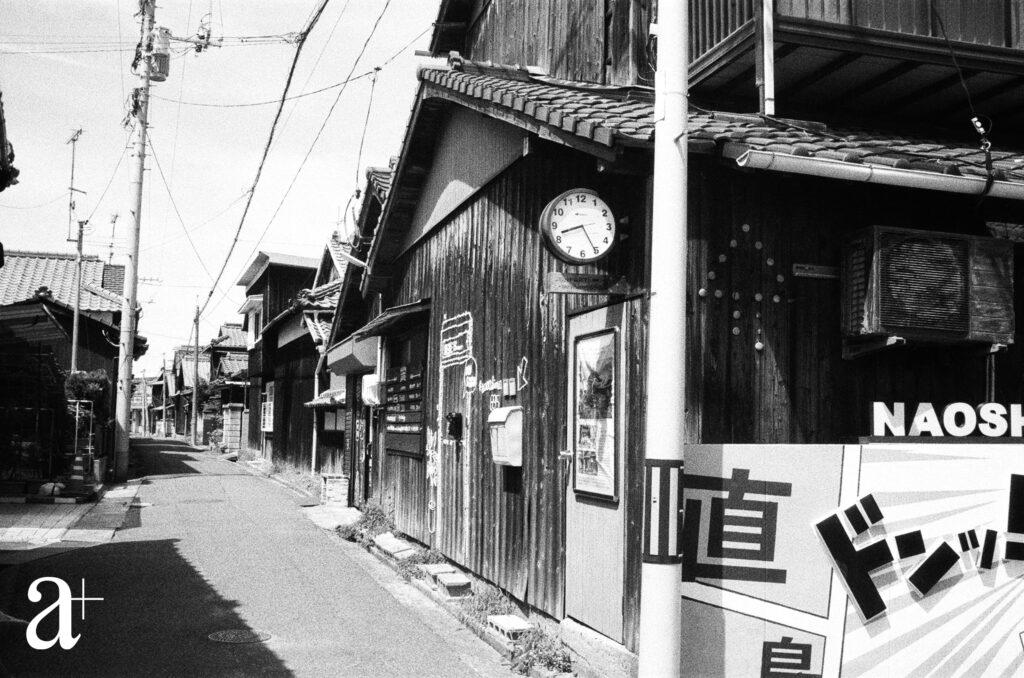
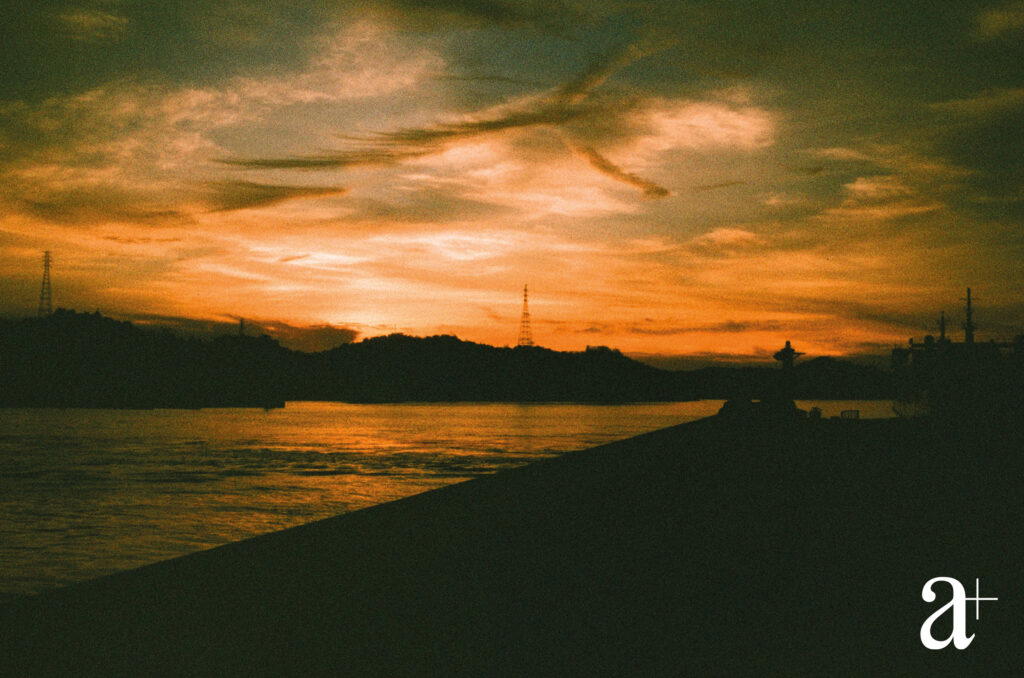
Miyanoura port in Naoshima, serviced by regular ferries and high-speed boats from Kagoshima and Tanegashima, offers stunning views of the Pacific Ocean at sunset.
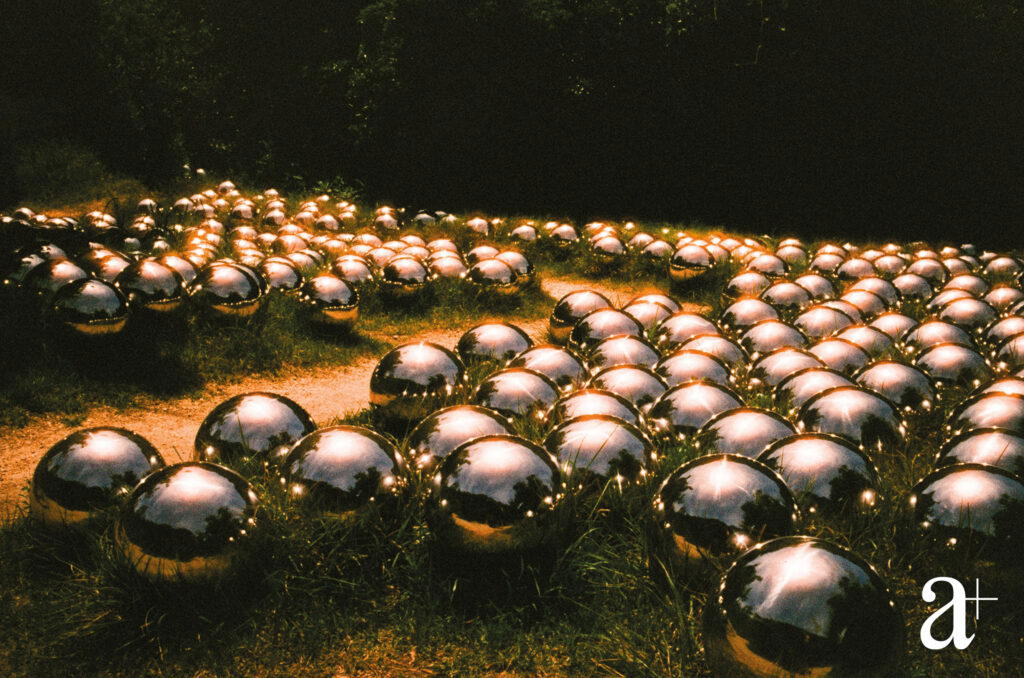
A geometric gem, Japanese autodidact architect Tadao Ando’s Valley Gallery at the Benesse Art Site has been open since March 2022. Multiple stainless steel mirror balls reflect the landscape, representing the connection between nature and art.
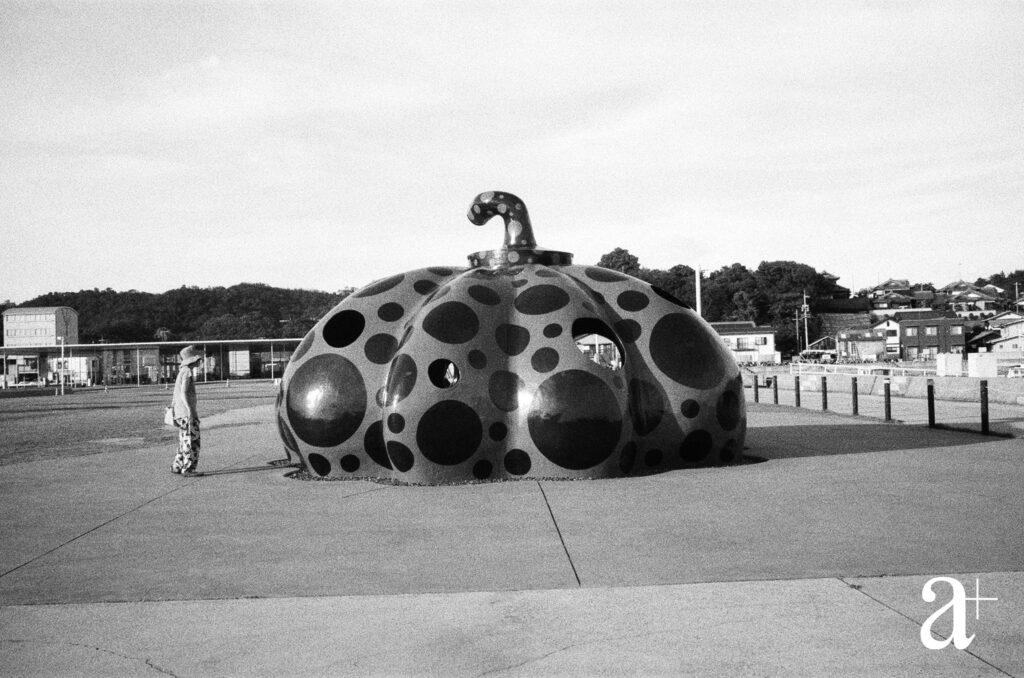
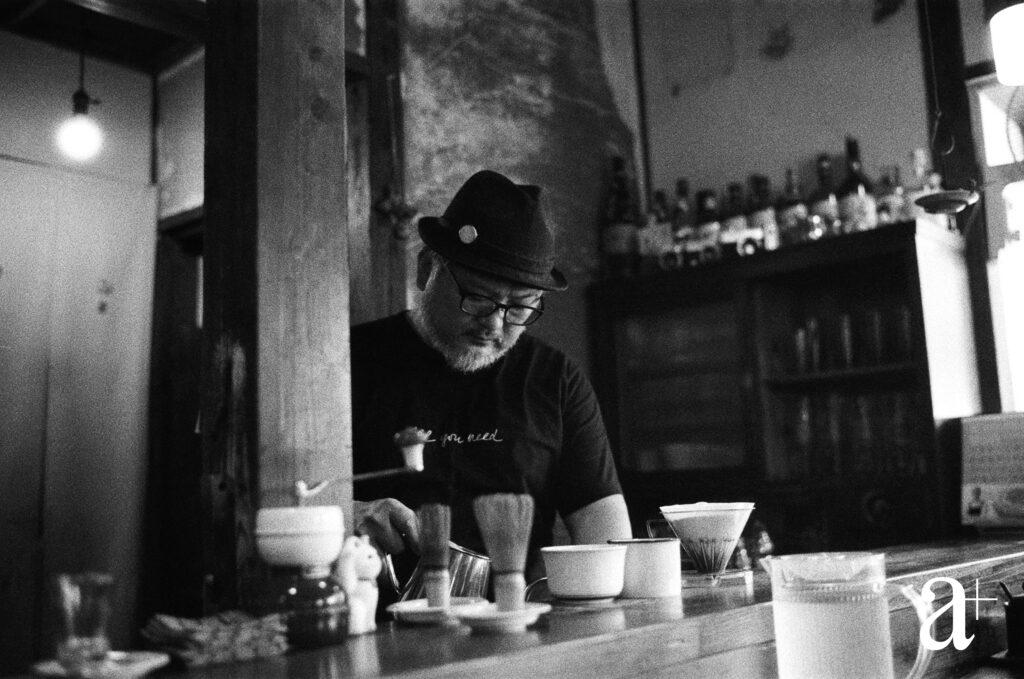
A barista at Cafe Salon Nakaoku, just one of many charming cafés on Naoshima, prepares my cappuccino.
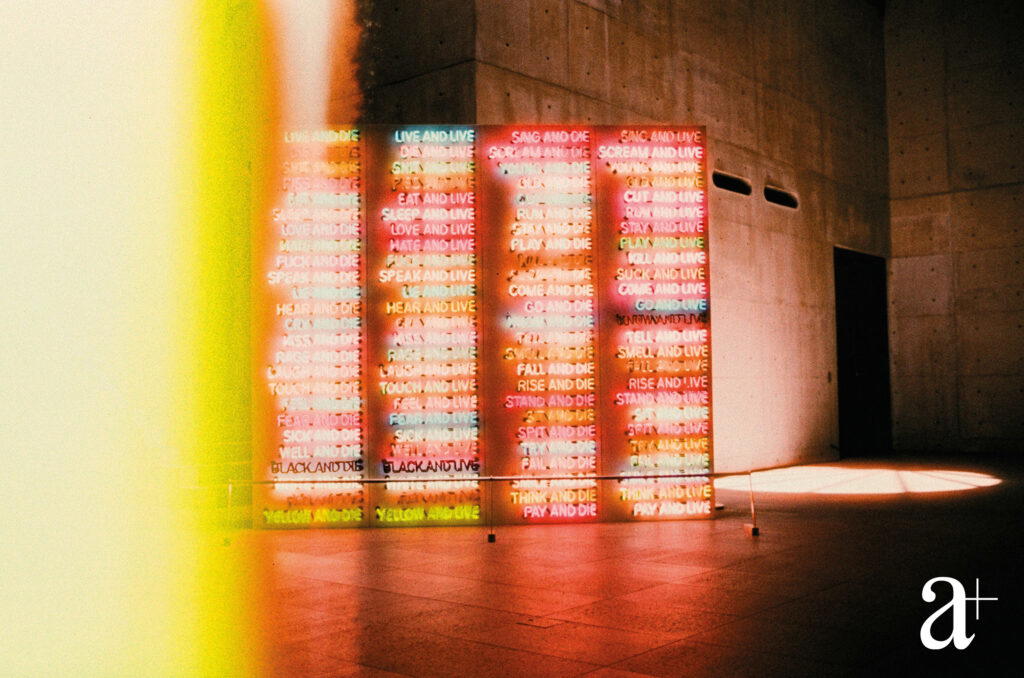
American artist Bruce Nauman’s “One Hundred Live and Die” symbolises the relationship between society and consumerism. Displayed in neon tubes are sentences that incorporate words expressing human behaviour, emotions, races, and other physiological phenomena.
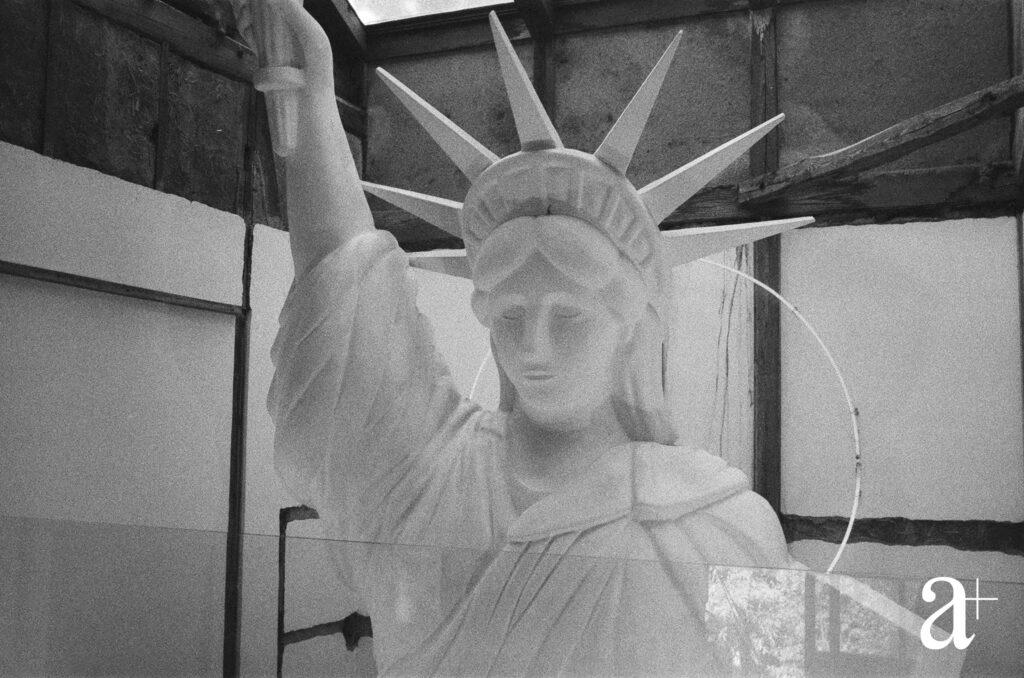
Artists and architects renovated and transformed several old buildings in Honmura Village on the island’s east coast as part of the Naoshima Art House Project. Seeing the Statue of Liberty confined to the Haisha house, I wonder what freedom truly means.
Photography: Samantha Francis
Shot on film with a Leica M6, Black and the Leica Summilux-M 35mm f/1.4 ASPH., Black.