Using tongs, a sprightly 70-year-old turns over the squid and ise ebi (spiny lobster) for my lunch. She is also grilling clams, sea snails, and fish. Wearing a pristine cotton blouse and midi-length skirt with a matching bonnet, Kimiyo Hayashi smiles sweetly at me.
Her face is free of pigmentation marks, which tend to be common in older Asian women. As Hayashi has been exposed to the sun and rain since she was 15—when she followed three generations of women in her family to become a professional freediving fisherwoman—this is a wonder.
She is one of about 1,200 remaining ama, or women of the sea, in Japan. According to archaeological findings, these women began diving for seafood and pearls as far back as 3,000 years ago.
Nowadays, unless an ama is doing a show-and-tell for tourists, the white costume, which symbolises purity and was believed to keep sharks away, has been replaced by a wetsuit.
In Iseshima, located 130km and three hours by car from Osaka in Mie Prefecture, there are currently just over 500 ama. Many are in their 70s. A handful are in their 80s, with the youngest at 47. In addition to diving, they also cook for tourists at refurbished amagoyas (ama huts), such as Satoumi-An, where I met Hayashi, grilling their catch and sharing their culture.
Surrounded by the Pacific Ocean, Iseshima is renowned for its abundant seafood, especially abalone and ise ebi. It was granted miketsukuni status in ancient times for supplying seafood from around the peninsula to the Imperial family, and is still known as the Imperial breadbasket.
SPRAWLING COASTLINES, SACRED FORESTS
Iseshima is where Japan’s ancient traditions, spirituality, and nature converge. A large part of it—554 sq km—is made up of Ise-Shima National Park, which is home to Ise Jingu Shrine, the most sacred of all Shinto shrines.
It was established in the city of Ise in the fourth century to honour Amaterasu Ōmikami, the sun goddess and the supreme deity in Shintoism, the indigenous religion of Japan, also known as “the way of the gods”.
Several Kumano Kodo ancient pilgrimage routes criss-cross Mie Prefecture, meandering through the dense, otherworldly woodlands of Iseshima and connecting sacred sites like Ise Jingu.
The Japanese consider Ise Jingu to be one of the most important shrines in Japan that everyone should visit at least once during their lifetime. In 2024 alone, 7.1 million visited. In contrast, only 84,000 foreigners visited it. This number is staggering compared to the 36.9 million international visitors Japan received last year.
As host of the G7 summit in 2016, Iseshima enjoyed its moment on the world stage. That same year, Aman Resorts opened Amanemu, the first luxury international hotel in the picturesque, pearl-rich Ago Bay.
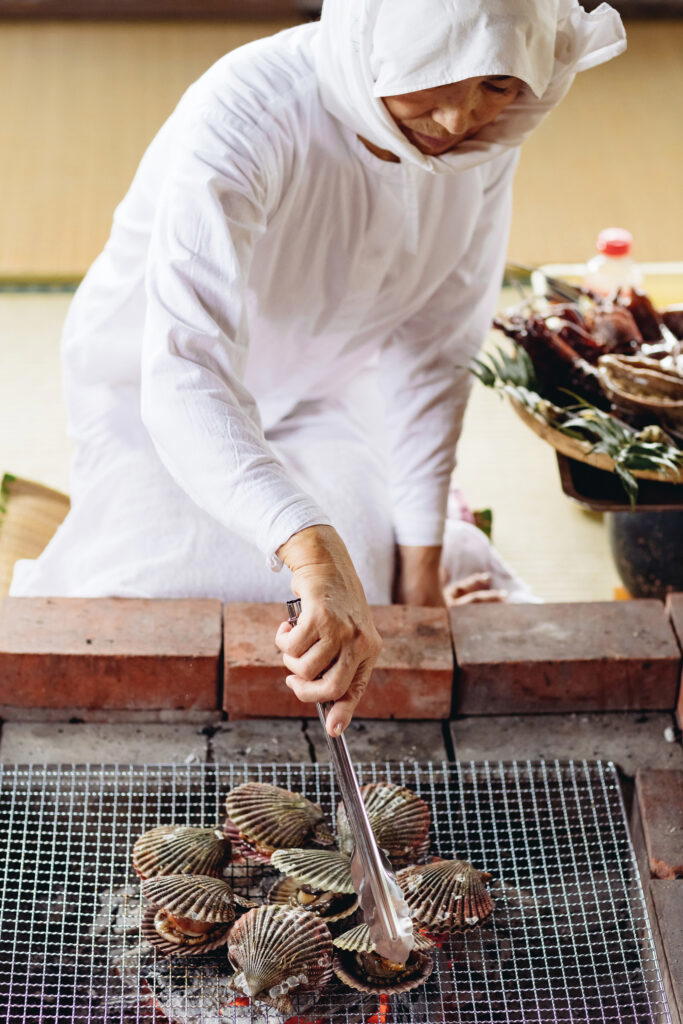
Situated southeast of Ise Jingu shrine, it promptly placed the peninsula on the radar of well-heeled tourists. With immersive experiences like my lunch with Kimiyo Hayashi, the ama, Aman Resorts aims to connect visitors to traditional cultures through Amanemu.
In the aftermath of Covid-19, however, Iseshima has fallen under the radar; instead, Japanophiles are flocking to Tokyo, Osaka, and Kyoto. Possibly the lack of shinkansen (high-speed or bullet train) service in these areas—the nearest station is two hours away in Nagoya—is one reason why it does not get many foreign visitors.
Iseshima also lacks a well-connected public transport system. The 1,000-km coastline of Mie requires skirting secluded inlets that branch out of Ago Bay and into the tempestuous Pacific, and navigating through cities like Toba, Shima, and Ise by car. Additionally, not everyone is comfortable driving overseas, so a half-hour drive can become a two-hour two-bus journey.
That said, such inaccessibility also makes Iseshima more desirable for foreigners seeking destinations off the beaten track, and the Amanemu is the perfect place to start. Visiting places popular with locals and away from the madding crowds allows us to gain a better understanding of Japan’s history and culture.
Besides, the 23.8-km Pearl Road that connects Toba and Shima cities is a breeze to drive and affords peerless panoramas of the coastline.
THE HEART OF SHINTOISM
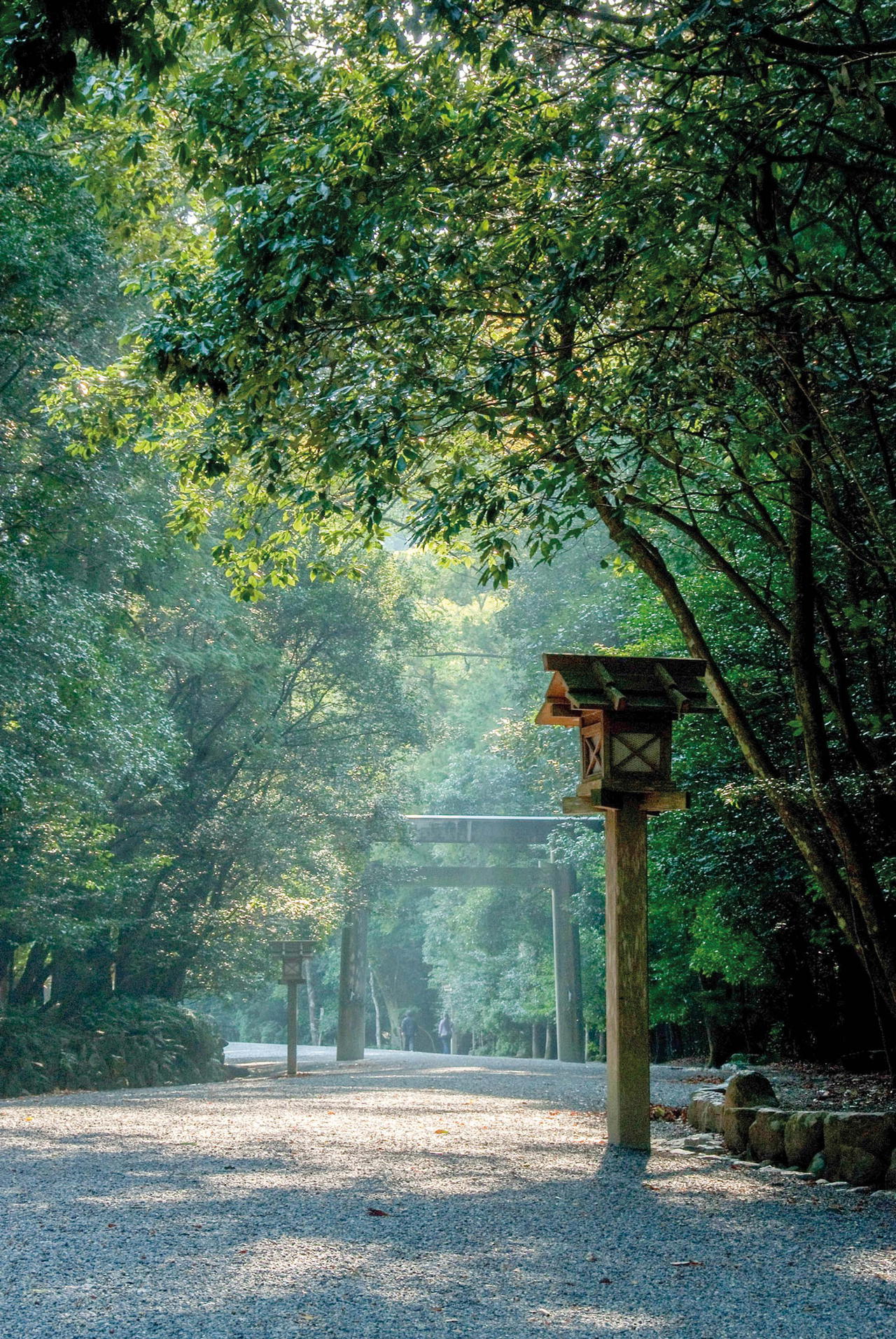
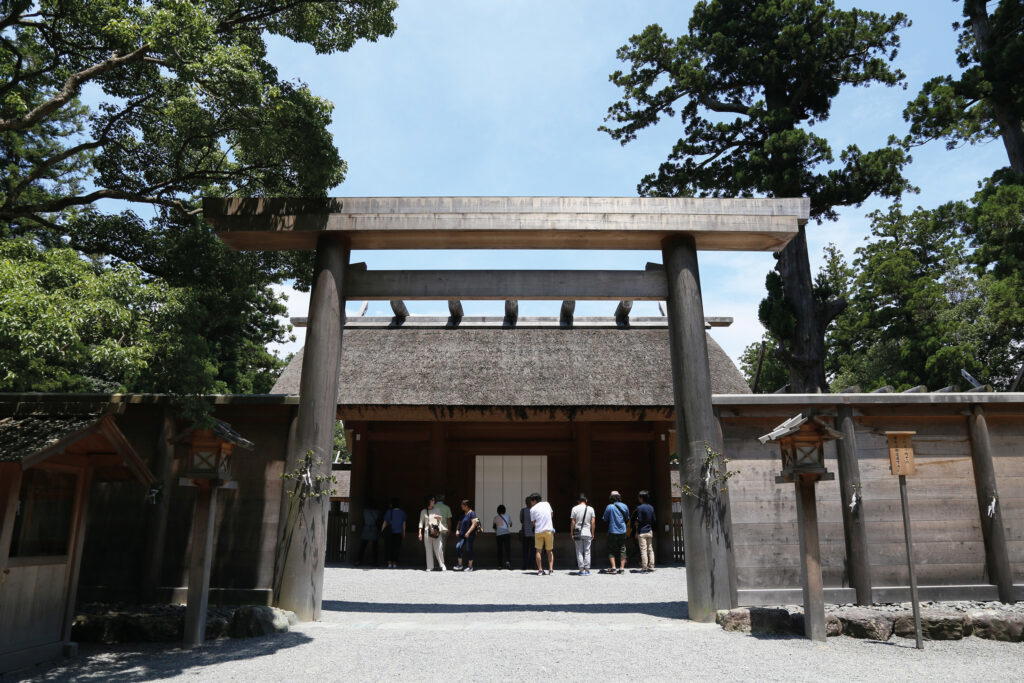
As the epicentre of Shinto spirituality, Ise Jingu offers invaluable insight into Japanese culture. Comprising 125 shrines, the sprawling complex the size of Paris is divided into the Geku Shrine (outer shrine), which is traditionally visited before the inner or grand Naiku Shrine 3.5km away, along with smaller auxiliary shrines.
Flanked by soaring centuries-old Japanese cedar and cypress trees, Ise Jingu is a picture of tranquillity. Despite the number of visitors here, it still feels free from the crowds and chaos that plague popular shrines in Tokyo and Kyoto.
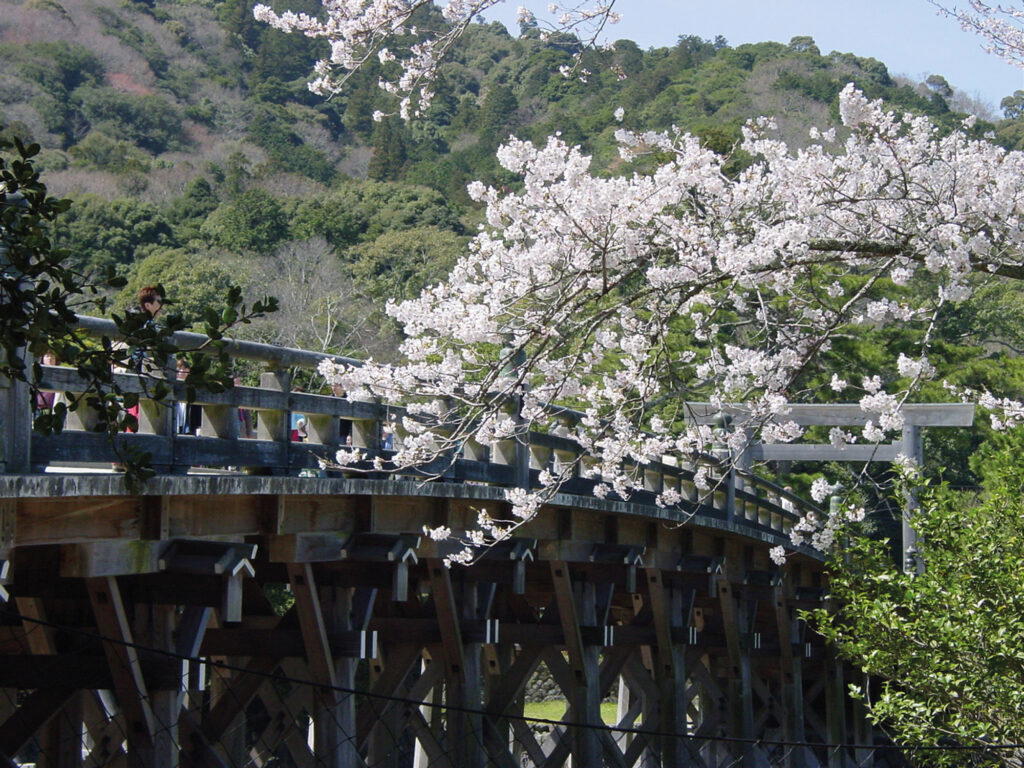
While I was at the latter, a busload of Japanese conglomerate employees crossed Uji Bridge on the Isuzu River in a solemn, orderly manner alongside me. Day trips to the shrine are organised by many local companies as an incentive for their employees.
In addition, Japanese prime ministers lead their cabinet in group prayers here every New Year. The Naiku Shrine, considered the most important of all the shrines in this complex, is constructed almost entirely with Japanese cypress, is surrounded by a series of courtyards. Those who make a donation enter the next courtyard through the outermost courtyard. The last few are off-limits to the average person, and only the Emperor of Japan
can enter the innermost sanctum.
Non-donors like me stand respectfully in line at the periphery of the first courtyard and wait our turn for an audience with Amaterasu-Ōmikami. Apparently, she can hear our prayers despite the physical barriers.
As a result, many people come in good faith. Following my guide’s example, I toss a coin into a box, bow twice deeply, clap my hands, make my wish, and bow deeply again. During the Edo period (1603–1868), people could only travel within Japan on pilgrimages. Ise Jingu was therefore a very popular pilgrimage destination. Due to the high number of pilgrims on the peninsula, inns proliferated. Some even regard Iseshima as the birthplace of omotenashi, or the Japanese mindset of selfless hospitality.
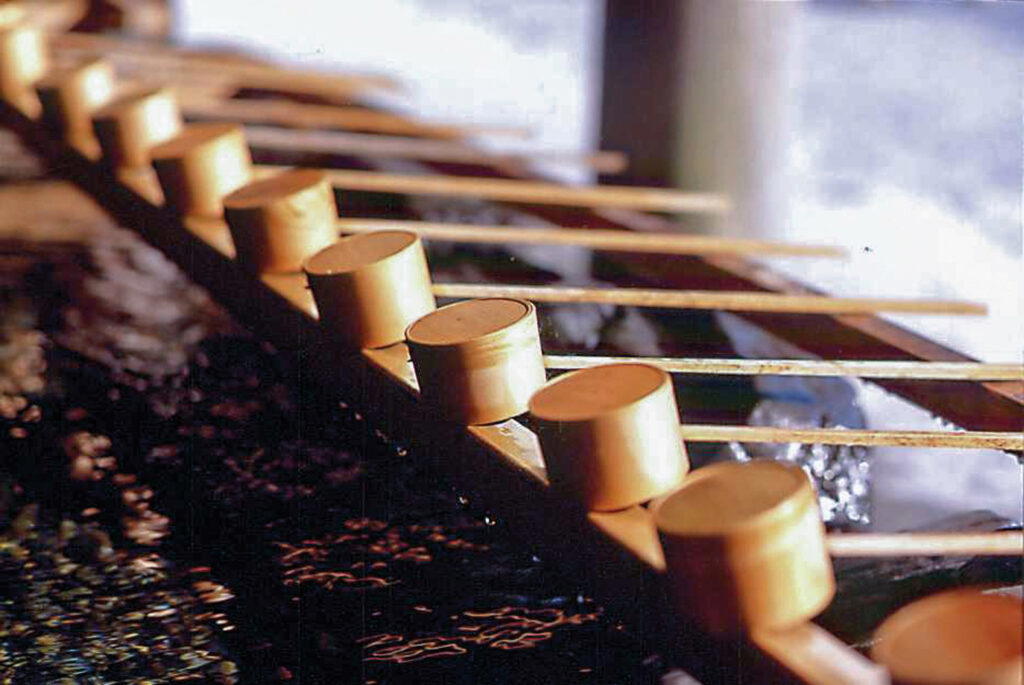
The tradition of onsen (hot spring baths in mineral-rich waters) has its roots in Shintoism, which emphasises personal cleanliness. Therefore, it is fitting that Iseshima is home to many onsen hotspots at hotels in Ago Bay, including Amanemu, where I am currently staying.
OMOTENASHI & ONSEN
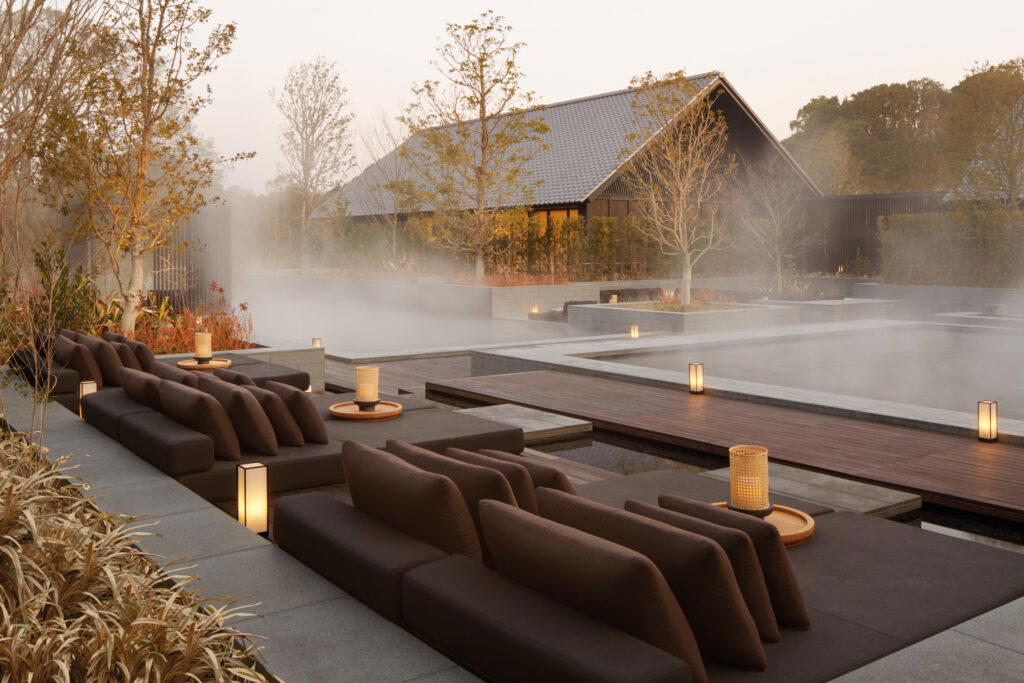
The late Kerry Hill designed Amanemu around a mineral-rich onsen that feeds the indoor and outdoor swimming pools and granite baths in its 24 suites and four villas. There is a strong water theme, right down to the curving granite tiles inspired by undulating waves.
Since Amanemu has the only restaurant in the area, I am thankful for its excellent Japanese and Western food. One highlight for me is Executive Chef Masanobu Inaba’s Japanese tasting menu featuring local delights such as Ise ebi sashimi and charcoal grilled Matsusaka sirloin.
A la carte selections like the Local Ise Udon Noodle is a must-try because it is very different from the usual udon we are used to. The sodden bite may not be everyone’s cup of tea, but it is comforting when served in a clean-tasting dashi.
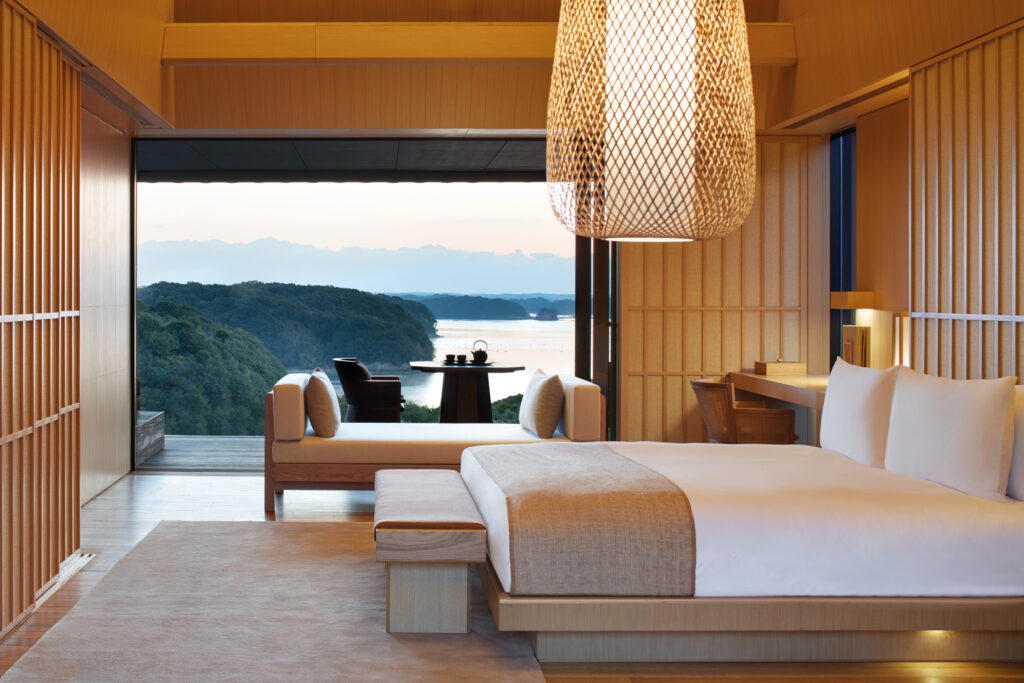
Taking advantage of the serene setting, the high ceilings and pale Japanese timber create a feeling of warmth. I pull back the windows on my last morning at Amanemu to admire the forest-fringed, islet-dotted Ago Bay as I soak in the granite tub. Reflecting the cloudy skies, it looks like a cluster of silvery mirrors.
My thoughts turn to my trip. It was an honour to enjoy lunch prepared by a 70-year-old who holds her breath underwater longer than I can, part of a 3,000-year-old tradition of ama divers preserved in Mie today. Then there’s the wish I also made at the most sacred Shinto temple (fingers crossed).
That’s not all. I’ve seen parts of Japanese culture that repeat visitors haven’t seen. It’s a bit of effort to get to Iseshima, but all these moments make such a trip well worth it.