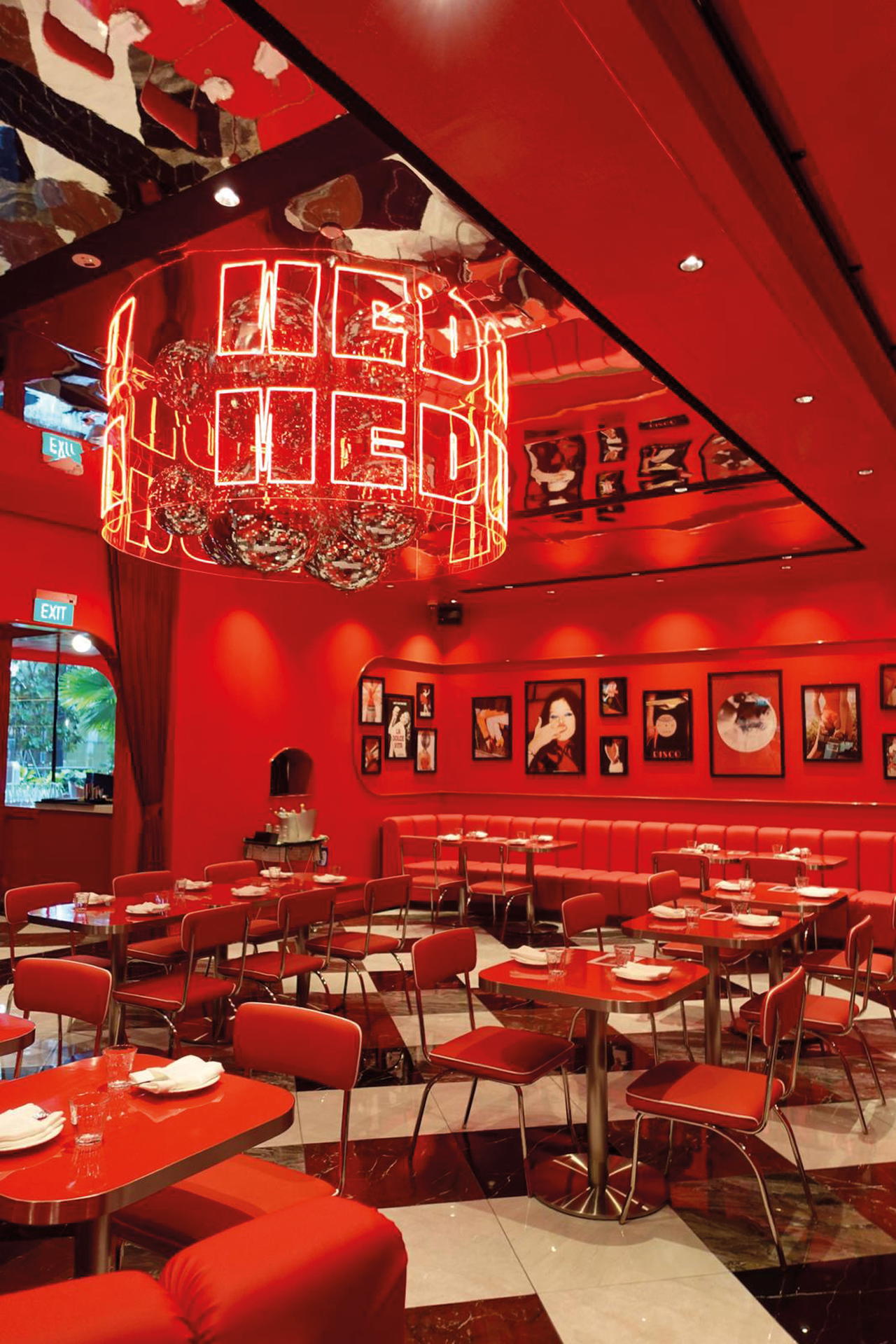
You won’t find snakes here, just crimson interiors accented with disco balls and comforting Roman flavours. Billed as Singapore’s first osteria romana, Medusa is the newest opening from homegrown Fortuna Group—the team behind Fortuna Terrazza Café (Italian-Australian) and Fortuna Trattoria (Neapolitan and Sicilian).
For Egon Marzaioli, the group’s co-founder and creative director, the brief was simple: bottle Rome’s timeless spirit, and translate it into a night out. Head chef Federico Scordo puts it into context: an osteria romana is the kind of easygoing neighbourhood spot where locals come for honest, hearty cooking—less formal than a restaurant, often with a tighter menu built around the classics.
Located in JW Marriott Singapore South Beach, this 76-seat spot oozes laidback charm, reminiscent of the dolce vita era of Italian cinema and 1960s Rome celebrity glamour. Neon signage, checkerboard tiles and The Godfather (1972) posters set the tone in a space by EDG Design (also behind Firangi Superstar). On the floor, general manager Federico Burci runs the dining room; in the kitchen, Scordo keeps things firmly Roman: simple, punchy, and built on ingredients you’d actually find at home.
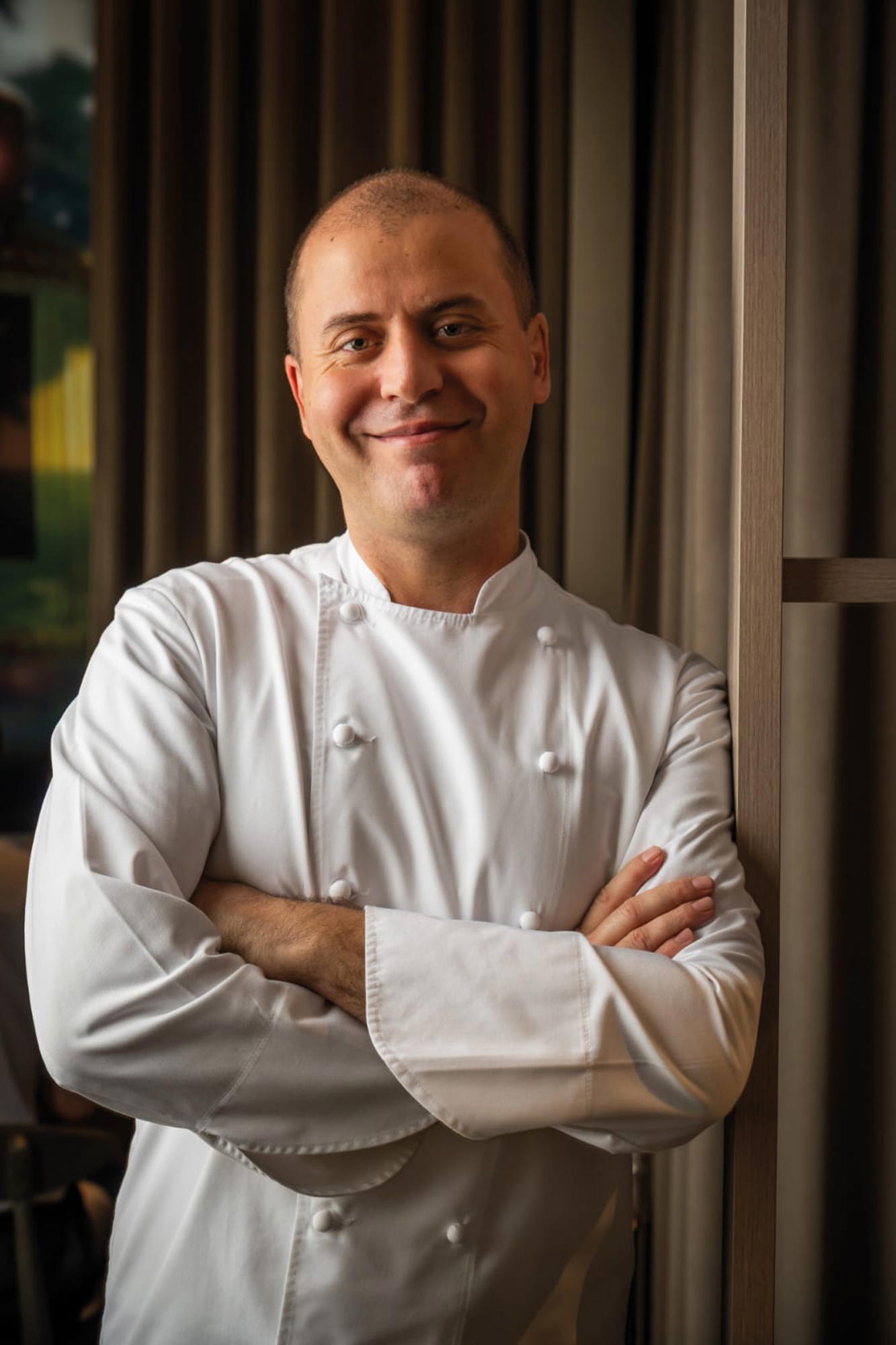
“It’s honest, unpretentious, and packed with character, much like Rome itself,” he explains. “It relies on everyday ingredients such as pasta, olive oil, guanciale, and pecorino, prepared in ways that elevate their natural taste.” Tonnarelli calcio e pepe, for instance, uses pepper, pecorino cheese, and pasta, but the star is the pecorino, which accentuates its bold, rich flavour.
If Italian regional cooking is a spectrum, Rome sits on the bolder end. “Compared to the lighter flavours of Northern Italy or the seafood-driven approach in the South, Roman cuisine is heartier,” Scordo adds. Think hearty sauces, minimal ingredients, and classics like carbonara, cacio e pepe and amatriciana.
Cocktails are a good place to start, as we discover during our lunch. Medusa is a luscious date-infused rum concoction crafted with homemade chocolate bitters and finished with smoked banana cream. The Diana takes a brighter turn: maraschino and gin, softened by crème de violette and Italicus, a bergamot liqueur.
First to the table is Focaccia & Dip with a pair of fluffy, house-made focaccia served with pecorino and the restaurant’s signature tomato and salsa verde dips. With fresh san marzano tomatoes, the former is sweet with a tangy edge; the latter is bolder with arugula, basil, olive oil, parmesan, and cashews.
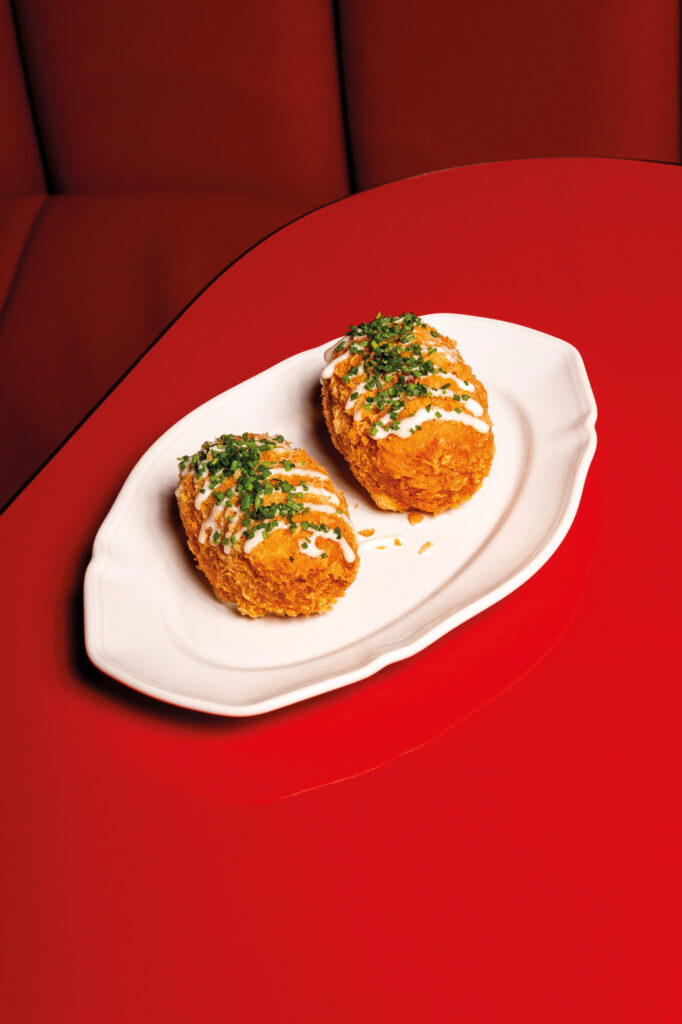
Small plates follow. The hearty Supplì al Telefono (deep-fried balls of tomato-flavoured arborio rice and mozzarella filling) is a must-order. The name comes from the stretchy cheese “cord” when you break one open—like an old telephone wire.
Carbonara fans should go for the Burrata Fritta: a crisp-fried orb topped with carbonara cream, black pepper, guanciale and lemon zest. Cut in, and it spills a molten centre of stracciatella. As Scordo—who counts carbonara as his favourite—puts it, the savoury sauce plays neatly against burrata’s sweetness.
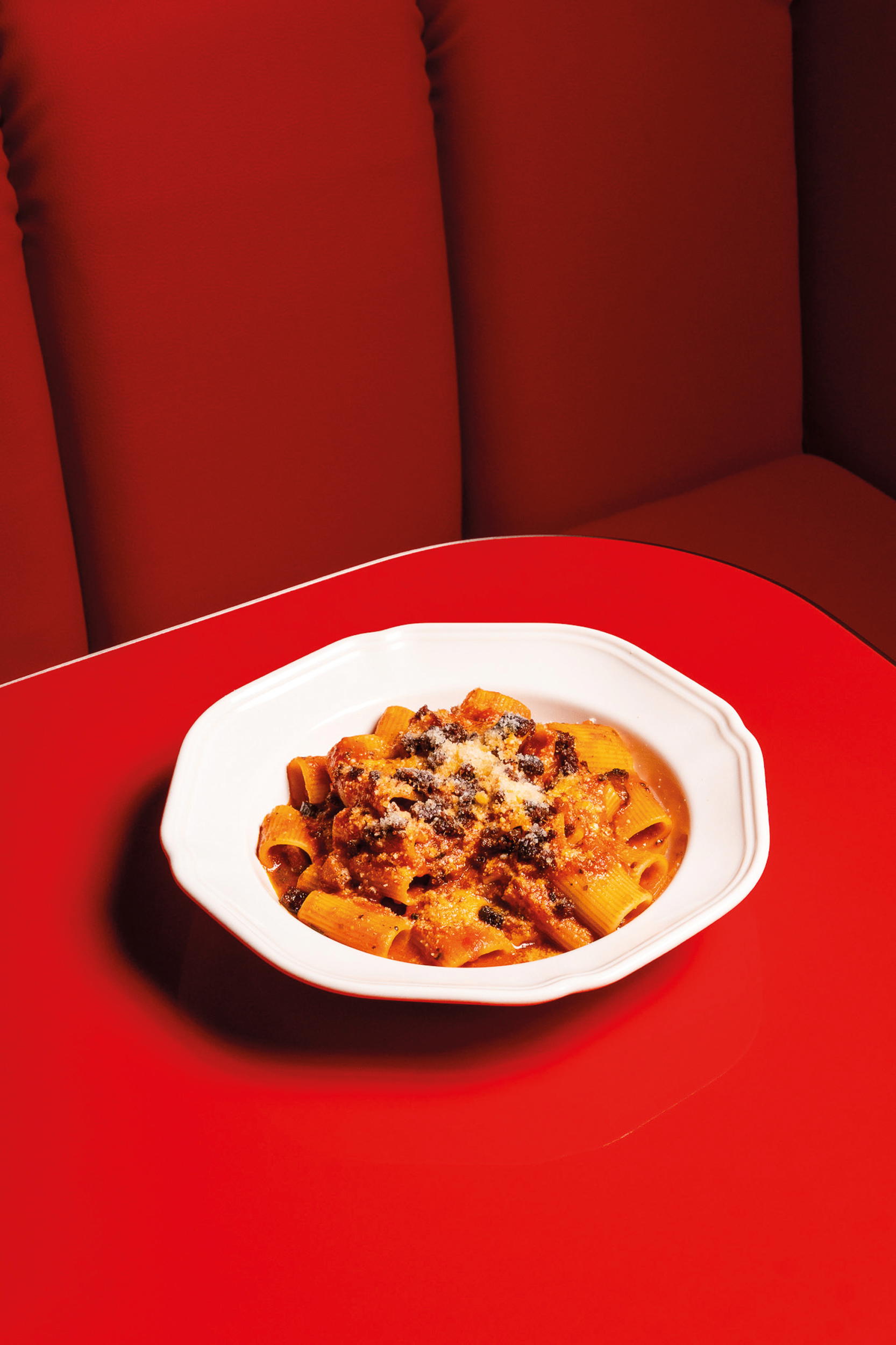
If you’re choosing just one pasta, make it the Mezze Maniche, a nod to Amatrice in Lazio: ridged tubes coated in a punchy amatriciana of guanciale, San Marzano tomatoes, and parmigiano with plenty of pecorino romano. “It’s the backbone of many Roman sauces,” Scordo says—sharp, salty and tangy, adding depth to classic dishes like carbonara and amatriciana.
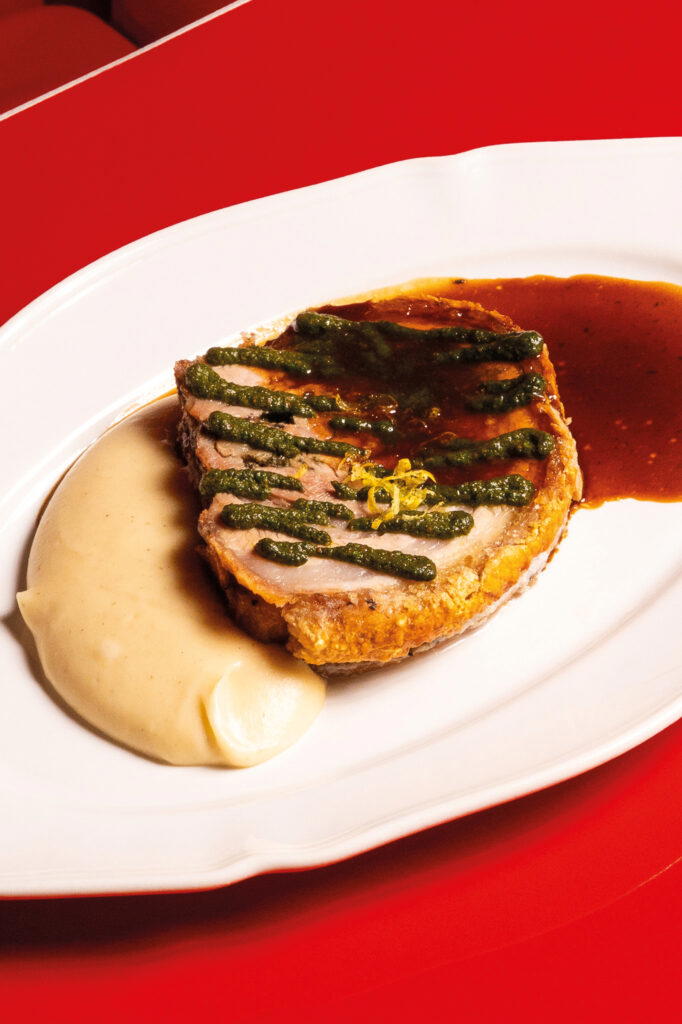
Another standout menu item is the Roman-style Porchetta. A common sight at Roman markets, the version here is well-seasoned with salt and herbs and then served with bright, zesty salsa verde and pork jus. The skin turns golden and crackly as it roasts, while the meat remains tender and rich, infused with herb-scented fat. Did someone say, “Buonissimo”?