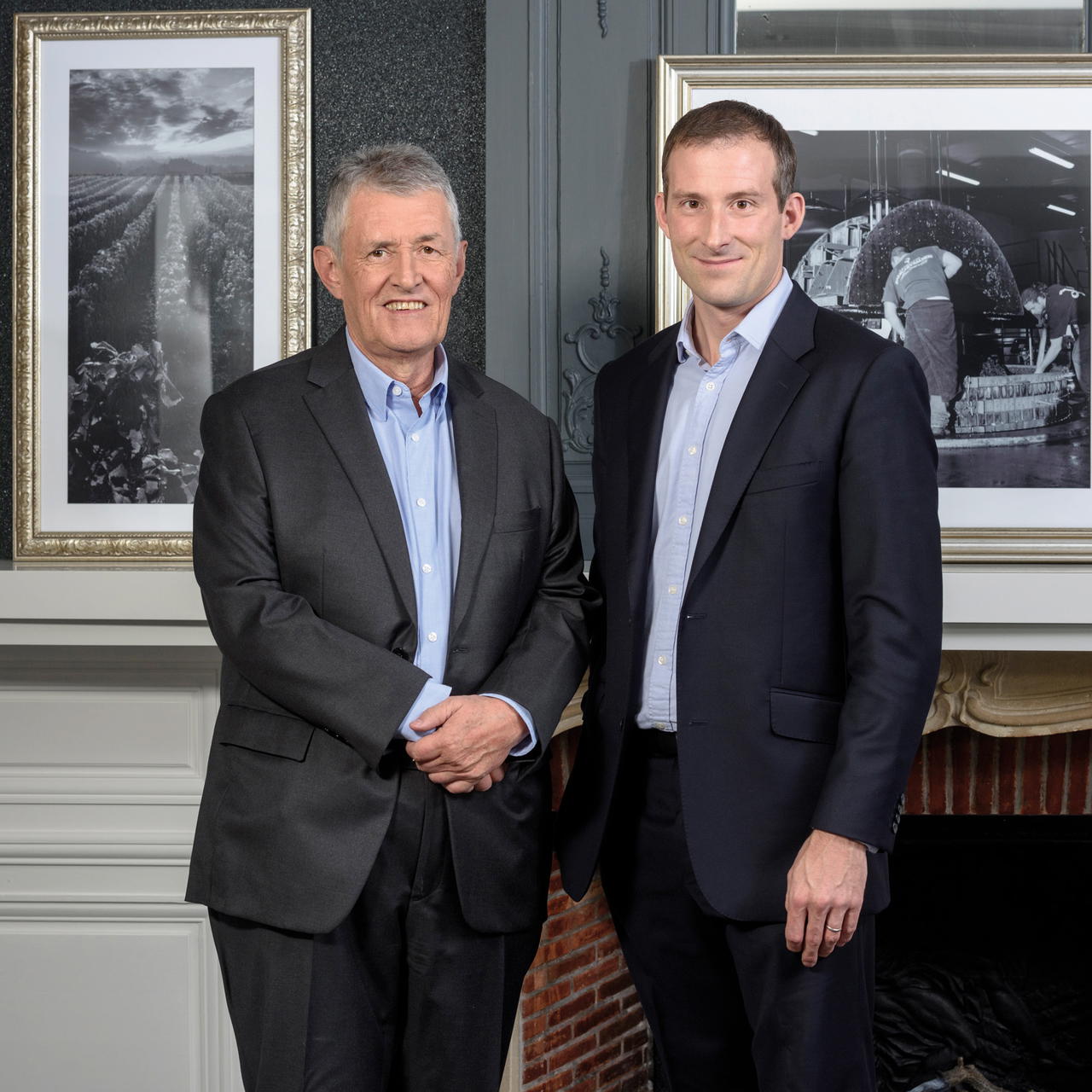
It began in 1818 in the village of Mareuil-sur-Aÿ, near Épernay. Nicolas François Billecart, a young man from Champagne, married Elisabeth Salmon, and together they established their eponymous champagne house. Now, 206 years and six generations later, their descendants continue to run the company. Mathieu Roland-Billecart holds the reins and upholds the family’s legacy of champagnes that boast unsurpassed freshness and elegance.
After over a decade of ploughing the fields at Ernst & Young in London, where he was a partner, the Reims-raised financier gave up his high-flying career to succeed his second cousin, François (who remains as chair), and become the CEO of Billecart-Salmon in January 2019. He was 37.
Unlike other wine families, Roland-Billecart was not groomed from birth to take over Billecart-Salmon. Instead, his family invited him to return to Champagne in 2017 to begin a transition period alongside François. For over 25 years, the latter had been the architect of the brand’s phenomenal transformation. Connoisseurs particularly appreciate its Brut Réserve, fine rosés, and cuvées entirely vinified in oak.
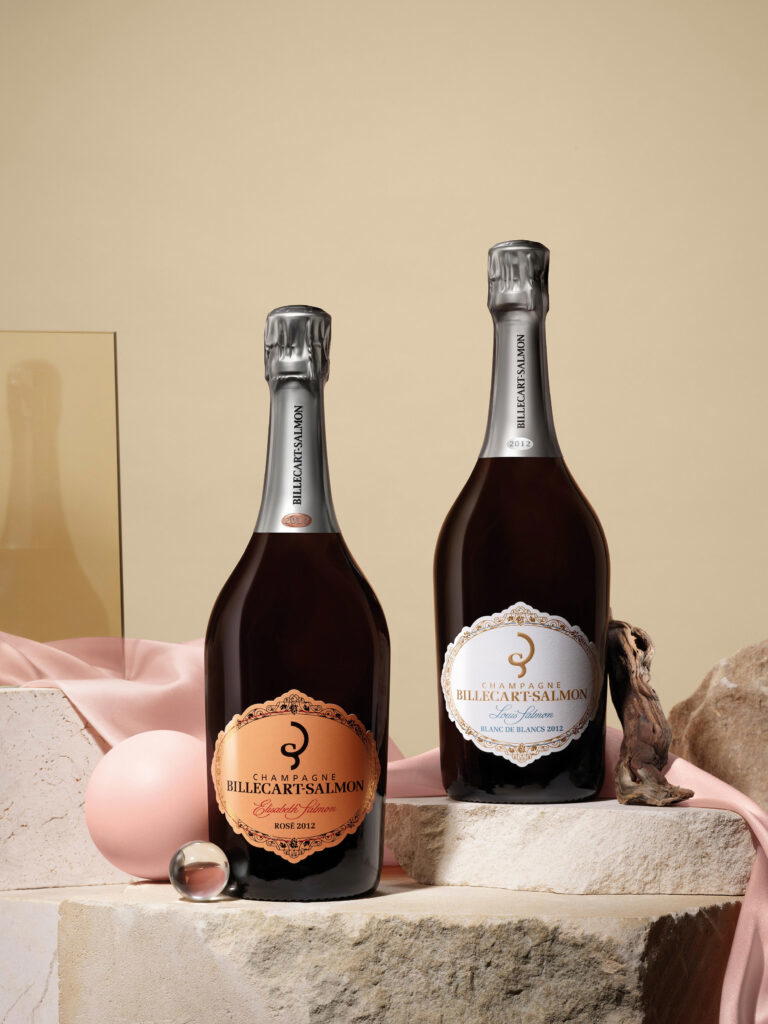
de Blancs.
From producing 400,000 bottles that generated seven million euros (S$10.2 million) in revenue in the early 1990s, Billecart-Salmon’s turnover in 2023 amounted to 88 million euros. It produces two million bottles annually and distributes in over 100 countries. France is its top market. Grapes are selected from vineyards spread over 300ha across 40 different Champagne crus.
Out of the 311 houses in existence today, Billecart-Salmon stands proudly as one of the last few independent names still in family hands alongside Taittinger and Pol Roger. It has resisted the immense power wielded by large groups such as LVMH, Vranken Pommery Monopole, and Pernod Ricard.
While I was there, Roland-Billecart took me on a tour of the estate and the Clos St. Hilaire vineyard, a one-hectare plot of pinot noir, where horses plough the land alongside grazing sheep, and shared his family’s legacy.
What are some of the unique challenges you face when trying to preserve and extend the family legacy while adapting to changing market dynamics?
We are a little different in our vision of time. Normal businesses feel a lot of short-term pressure. We still have bank accounts and people to pay. My quest is to remain firmly grounded in our vineyard here while serving a global elite of food and wine lovers.
That’s a big stretch when you think about a little vineyard in a small village serving top clients, whether they are in New York, Singapore or Sydney. We cross that bridge all the time, particularly in a global market dominated by powerful corporations. As a small, agile producer, we are focused on one thing only: producing exceptional quality wines. That’s our greatest asset.
Our long-term vision is our second greatest asset. The weakness of enormous groups is their short-term vision. They have quarterly reporting and overall accounting. However, the world of top champagne doesn’t like that short-term vision. We must respect time.
Currently, we are releasing the 2012 vintages of our Elisabeth Salmon and Louis Salmon while the rest of the market is releasing 2015 or 2016 vintages. Our non-vintages are also aged two to three times more than what is done elsewhere.
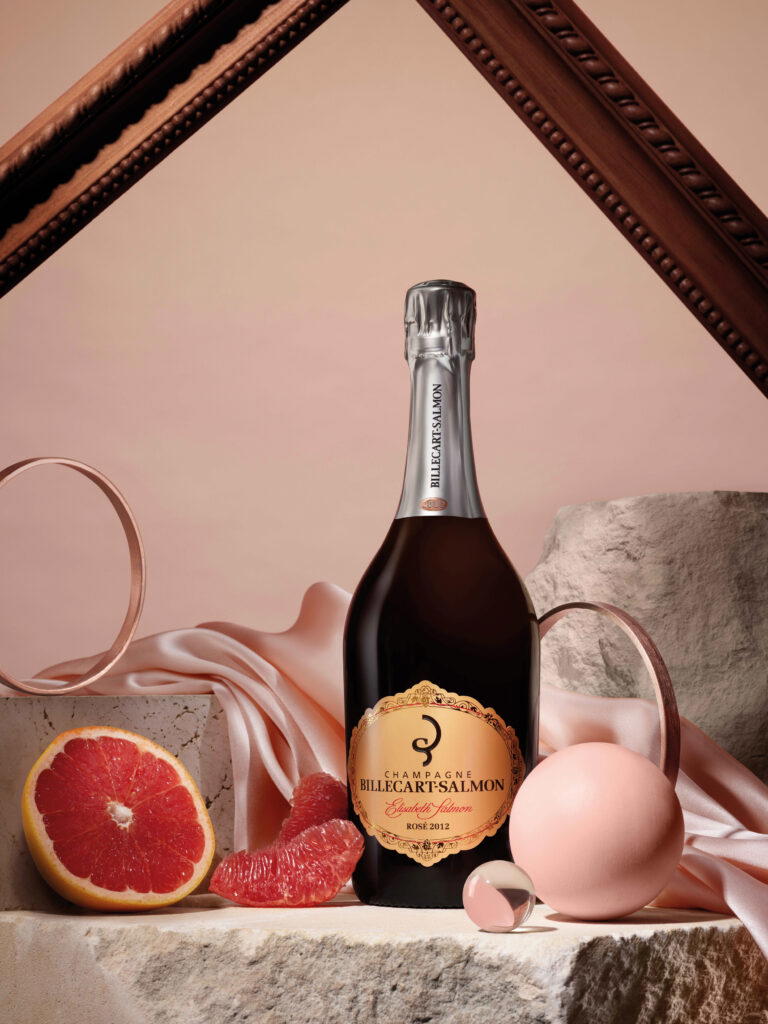
In an industry where large corporate groups constantly acquire small companies, how important is independence and authenticity to you?
That’s our DNA. It’s more than important; it’s paramount. We don’t want to be bought by one of these guys. We are the high-end delicatessen next door to the Walmart.
Differentiation is important and, thankfully, we achieve that through quality and through our values. We’ve had a good trusted relationship with a lot of clients around the world who know and want that Billecart difference. That’s why we are still in business 206 years later.
Singapore is among Billecart-Salmon’s top 12 export countries. How would you describe the market?
The city has a dynamic and discerning clientele. The food and wine offerings are amazing. You have a good balance between historic places, like Raffles Singapore, where we are the flagship champagne, and new places with good vibes.
The likes of 67 Pall Mall opening is a powerful statement. It’s an incredibly fertile ground for a house like ours because, apart from the glitzy aspect of champagne, people there know what quality is.
The knowledge and education levels are also high, so this is a great market for us since people aren’t intimidated by partnerships and stars. They’re not followers. They’re trendsetters, and Billecart-Salmon is strong in this area.
In the past five years, what key achievements has Billecart-Salmon accomplished under your leadership?
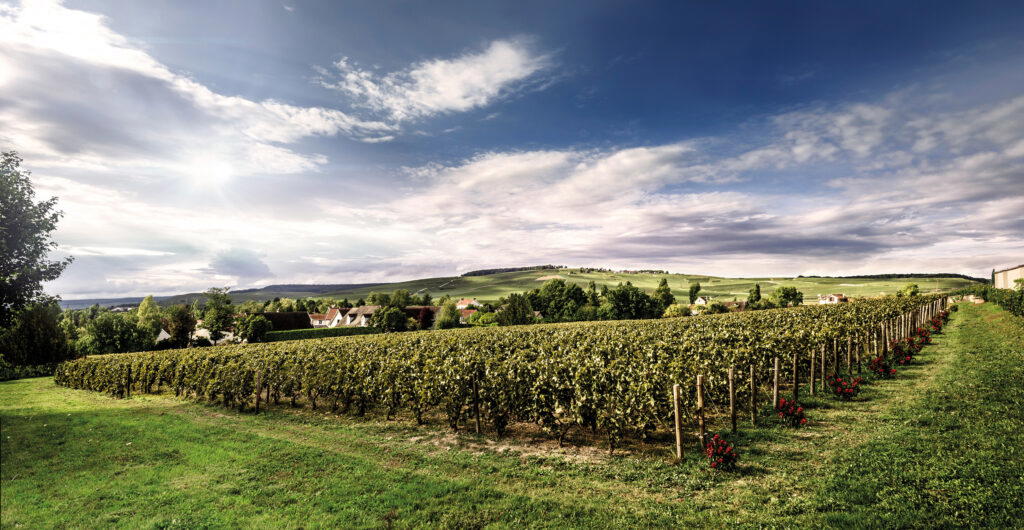
Vineyard management plays a role in some of it. In our vineyards, which cover a little under 10ha, I have banned the use of weed killers, and we’re now just starting our journey into biodynamics. That’s a big difference from where we were before.
It is also important to note that the reduction in dosage is also a significant change in the wine profile. During my tenure, the wines have, on average, been aged one year longer. In terms of wine aged 10 years, it’s not a lot, but when a three-year-old aged wine is now aged for four years, that’s 25 percent extra.
That’s a massive journey for the wine. When I arrived, the quality was very, very good, but it wasn’t good enough for me.
Our family mottos are “Give priority to quality”, which is already there, and “Strive for excellence”, where you must challenge yourself. In the last five years, we’ve definitely challenged ourselves.
It would have been easy not to do anything because the market was so good, but that’s not the way we think at Billecart. Over a 20- or 30-year journey, we have to do better for our clients to love us even more and, if possible, recruit more Billecart lovers across the world.
I have also created a charity called the Billecart-Salmon Foundation. I distribute a percentage of the turnover of our Clos St. Hilaire parcel to local charities with two primary objectives: the fight against food inequalities and the ecological transition. So, that includes local food banks and funding restaurants for people with Down’s Syndrome, for example.
We’re now looking at more environmental projects such as the preservation of forests in the region and improving their carbon capture.
What are your visions and aspirations for the brand’s future?
When I arrived, I said I wanted Billecart to be a mythical wine. There is a lot of marketing in champagne, but I don’t believe there are myths, as with wine that floats above everyone else. It’s about shooting for the stars all the time.
How do you create a wine that creates so much emotion in people that they feel like they’re getting a lot of pleasure out of every single Billecart-Salmon bottle? The majority of that is already in place, but I am convinced we can always improve.
We are on an upward trajectory, but I want people to have this expectation that when they look at a Billecart-Salmon bottle, they know they will have a great experience, over and above the inherent quality of the wine they are drinking. I want people to have the most amazing time and the biggest smile plastered on their faces every time they open a bottle of Billecart-Salmon.