“My children were my first testers and their reactions meant everything to me,” Mary Grace Dimacali recalls fondly. “I remember them coming home from school and being greeted by the comforting, fragrant aroma of freshly baked ensaymadas. They would head straight to the kitchen, curious about what I’d made that day, and eager for a snack.”
That simple ritual evolved into one of the Philippines’ most beloved bakery-cafe brands. The founder, president, and CEO of Mary Grace Foods Inc., Dimacali was in Singapore for the international debut of her eponymous concept, which now has more than 140 cafes and kiosks in her country.
Her journey began in 1983 at the age of 27, baking fruitcakes and other homemade treats for family and friends. In 1994, she entered her first bazaar, which paved the way into a wider market. Her first kiosk opened eight years later, followed by the first Café Mary Grace in 2006 when she was 50.
Dimacali, now nearly 70, no longer works daily in the central kitchen but remains deeply involved in the brand’s evolution. Besides fine-tuning the recipes for the Singapore launch, she also supervised details such as the wall decor.
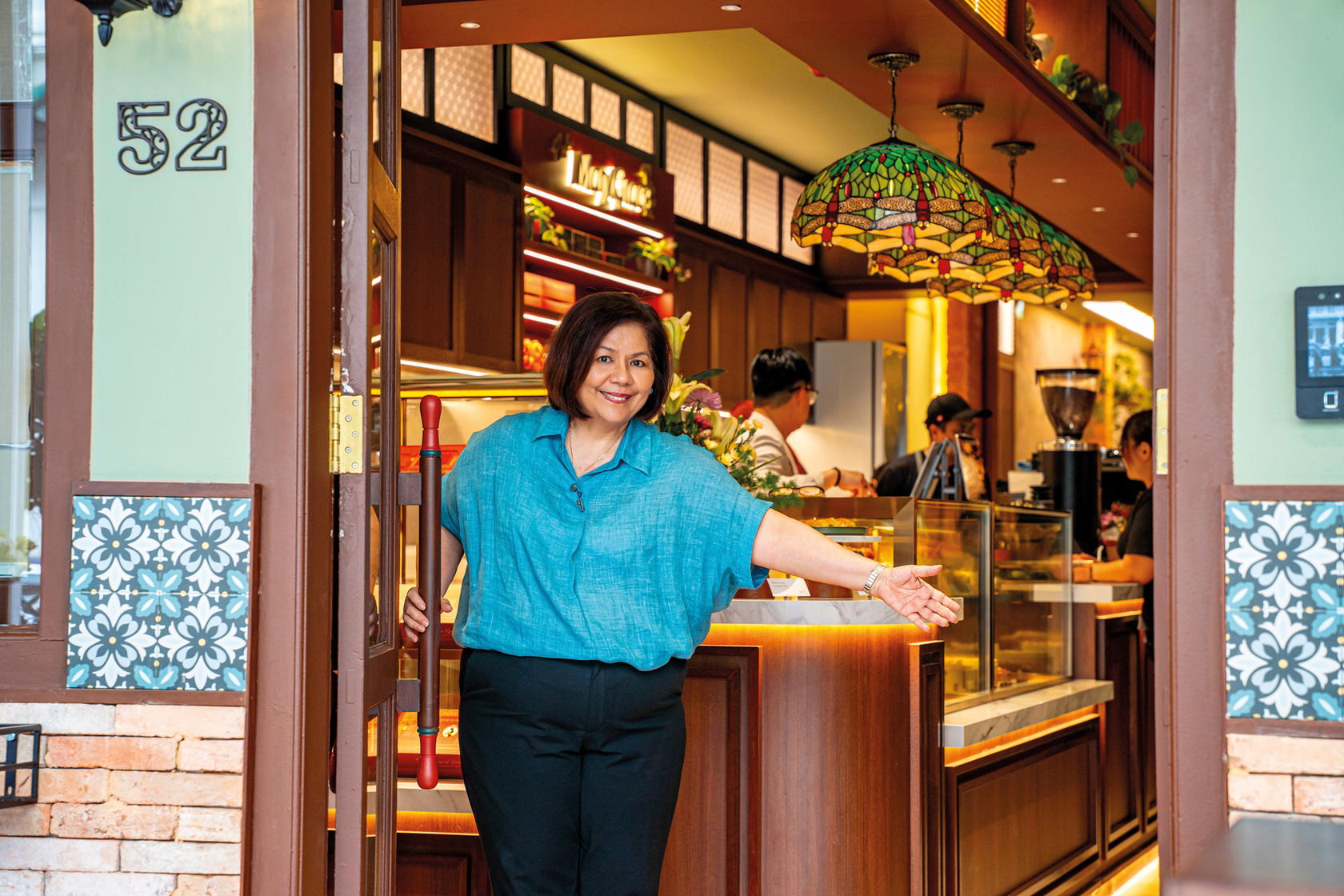
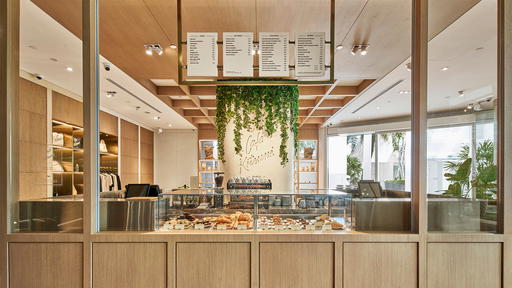
The 28-seat Mary Grace Singapore on Tras Street is a visual celebration of cultural exchange, featuring stained-glass pendant lights and rich wood accents. A mural depicts birds and flowers by Amanda Lapus Santos, a Brazilian-born Filipina visual artist and painter based here, and Singaporean artist Eunice Hannah Lim.
The local outpost is led by her eldest daughter, Chiara Dimacali-Hugo, a Le Cordon Bleu London graduate, and her husband Victor. At the heart of its menu is the ensaymada, the pastry that launched Dimacali’s empire.
Originating in 17th-century Spain as a lard-enriched bread dusted with sugar called ensaïmada de Mallorca, it evolved into the ensaymada, a distinctly Filipino treat made with butter instead of lard.
In 1987, after a 12-month baking course in West Valley, California, Dimacali perfected her recipe. Mary Grace’s version is crowned with aged Edam cheese that melts into each bite. I can’t agree more with my handwritten card on the table—part of a tradition encouraging guests to leave messages, as in the Philippines—that reads, “You make the best ensaymadas!”
The team also developed exclusive creations tailored to local tastes, such as Salted Egg Ensaymada. “We landed on the salted egg version because its savoury richness pairs naturally with the soft, buttery ensaymada. It reminds us of the savoury notes from the Edam cheese on a classic ensaymada but interpreted in a very local way,” Dimacali-Hugo explains.
This and the classic Mary Grace Ensaymada pair well with Mary Grace Hot Chocolate, made with Belgian chocolate and boasting an almost pudding-like texture. Cake lovers will also enjoy the Mango Bene, a frozen, layered creation of crisp meringue, rich custard cream, and fresh Philippine mangoes.
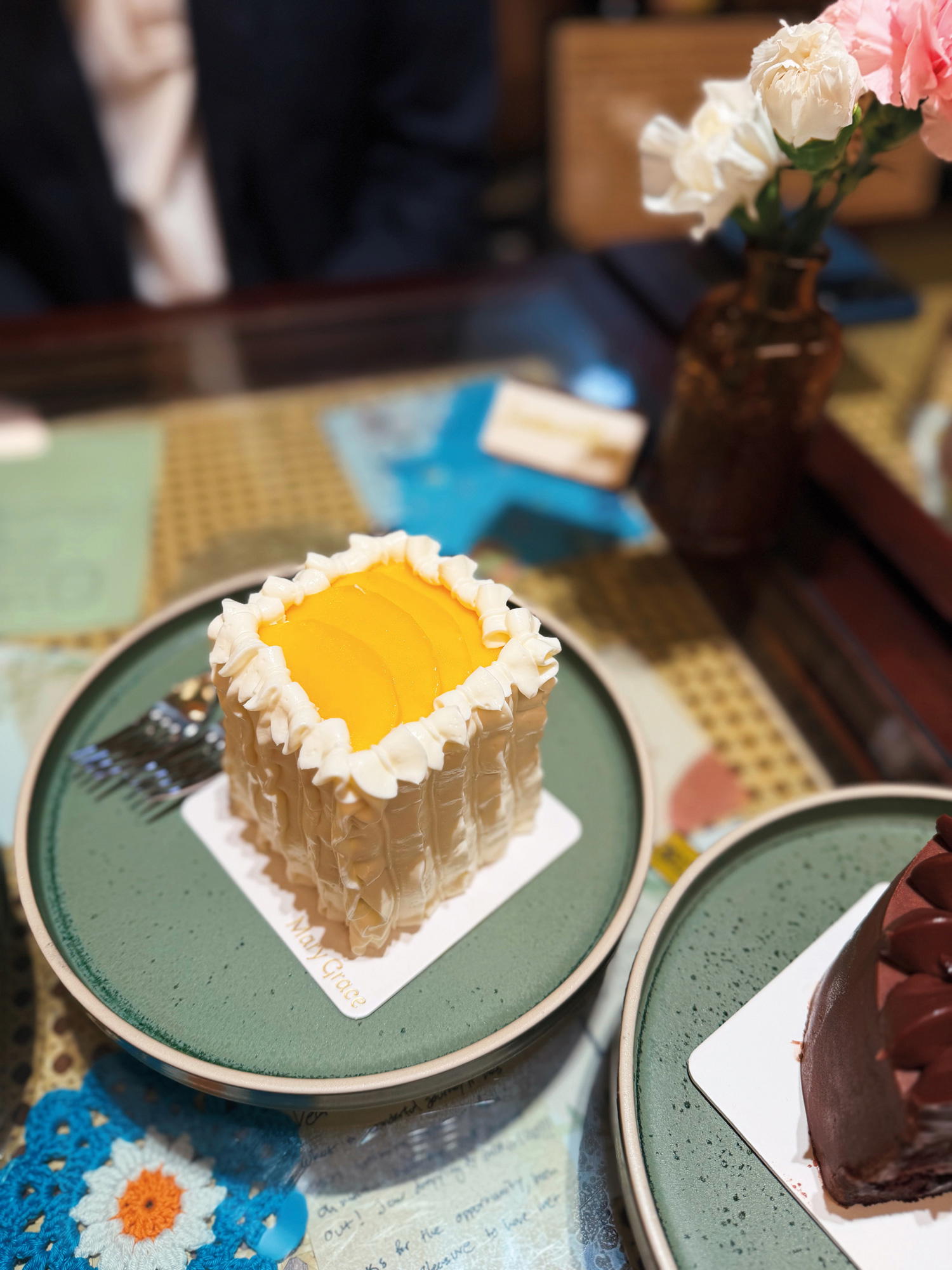
Another highlight is Kaya Pandan Cheese Roll with house-made kaya. “We were very mindful not to make it too sweet, just something that would feel comforting and right for the local palate,” she says.
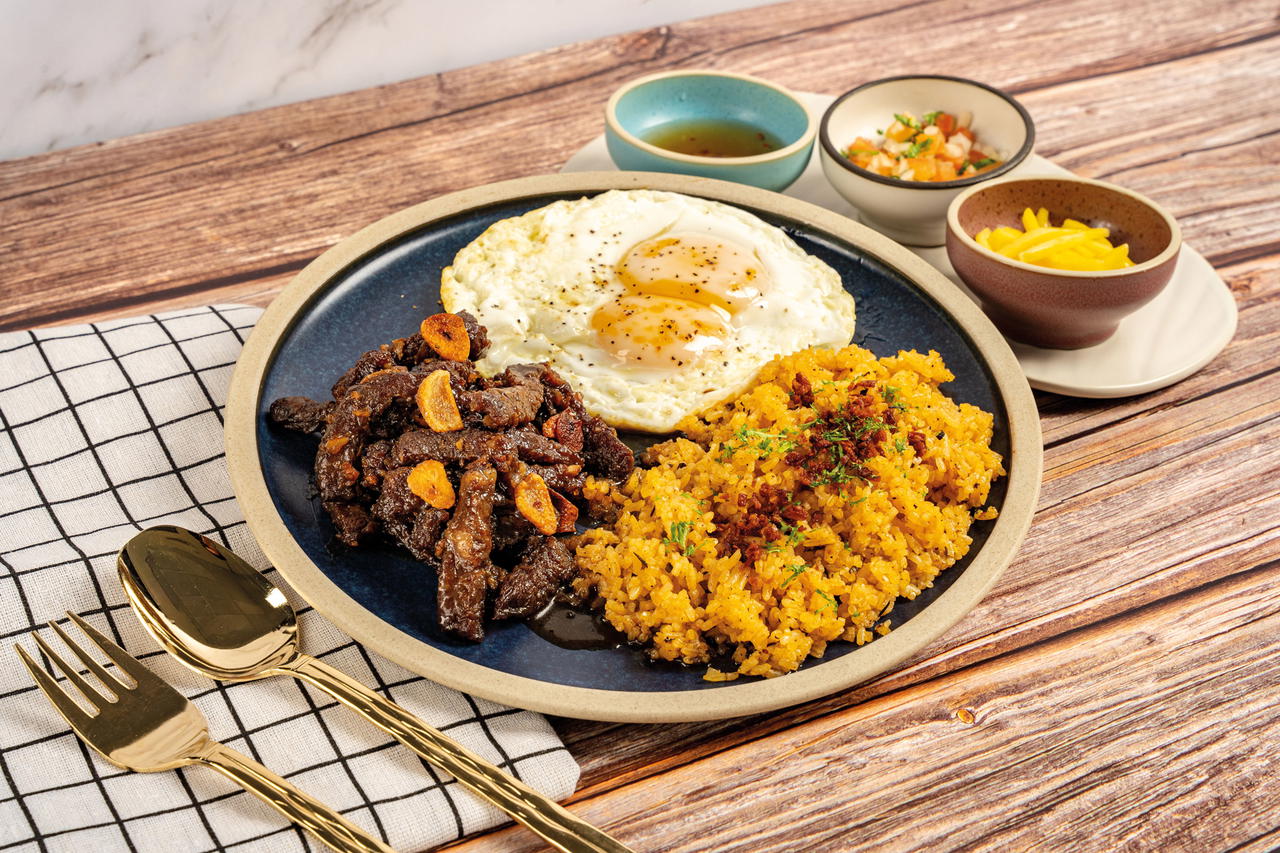
The menu also includes classics and Filipino cafe-style dishes, such as tender sirloin strips marinated for 24 hours in Angus Beef Tapa with garlic or rosemary ricem and eggs. Its subtle sweetness comes from brown sugar in the marinade.
Other standouts: Crabcake Brioche with crabmeat and fresh tiger prawn topped with passionfruit and dill mayo, as well as Grilled Chicken Inasal Focaccia, which has smoky, tender chicken in a tangy lemongrass-tamarind marinade.