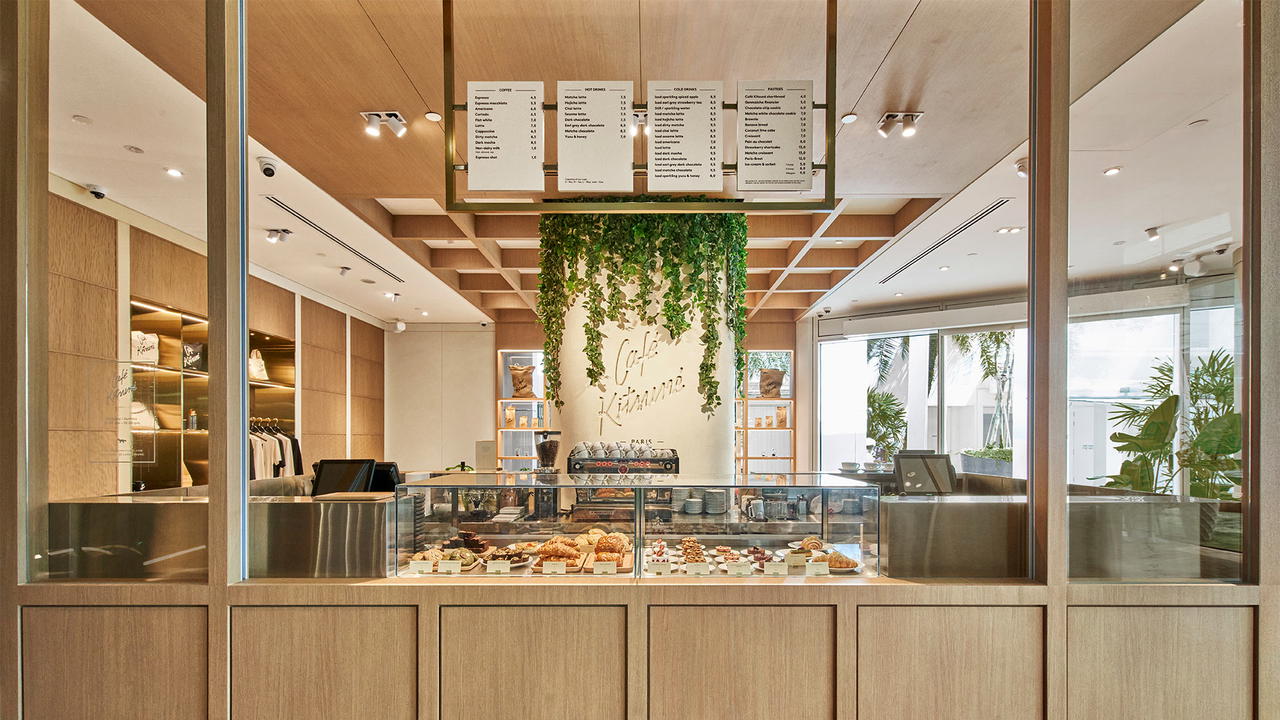
Point to just about any fashionable city in the world and it’s highly likely that one would be able to find at least one Café Kitsuné in existence. The café offshoot of French-Japanese brand Maison Kitsuné—started by co-founders Gildas Loaëc and Masaya Kuroki—is as popular as its fashion-centric sister brand, despite having launched only in 2013. The first Café Kitsuné was opened in Tokyo’s Aoyama district, which has since relocated to a bigger space within the same area.
The fusion of food and fashion isn’t a new concept. But in this niche segment, fashion-branded cafés and restaurants tend to be one-offs and not necessarily ongoing business entities. Café Kitsuné has opened more than 20 outlets worldwide with its 24th located in Singapore’s Capitol Building.
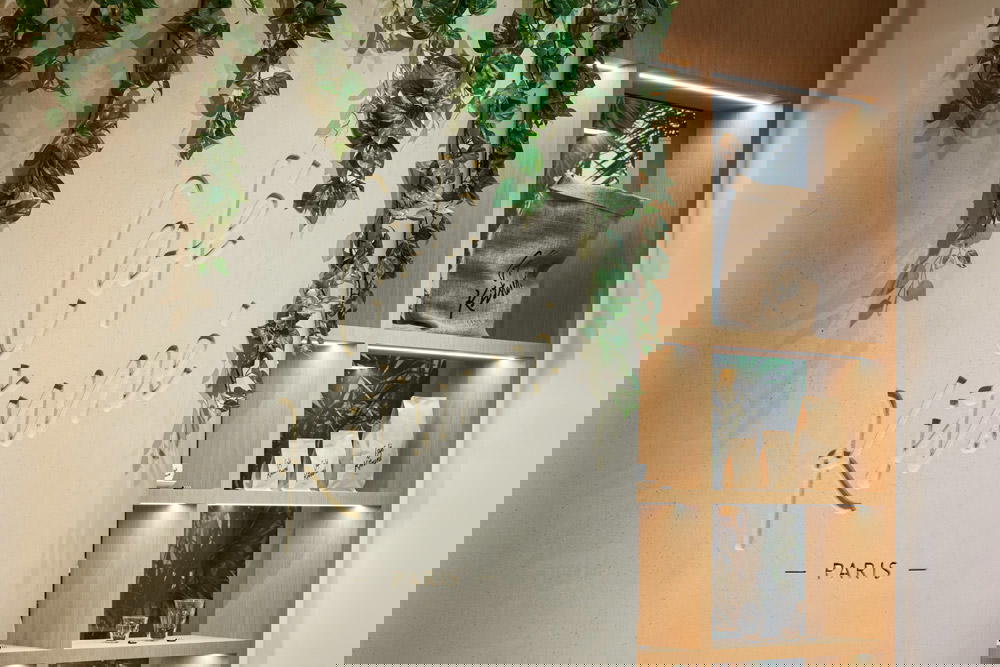
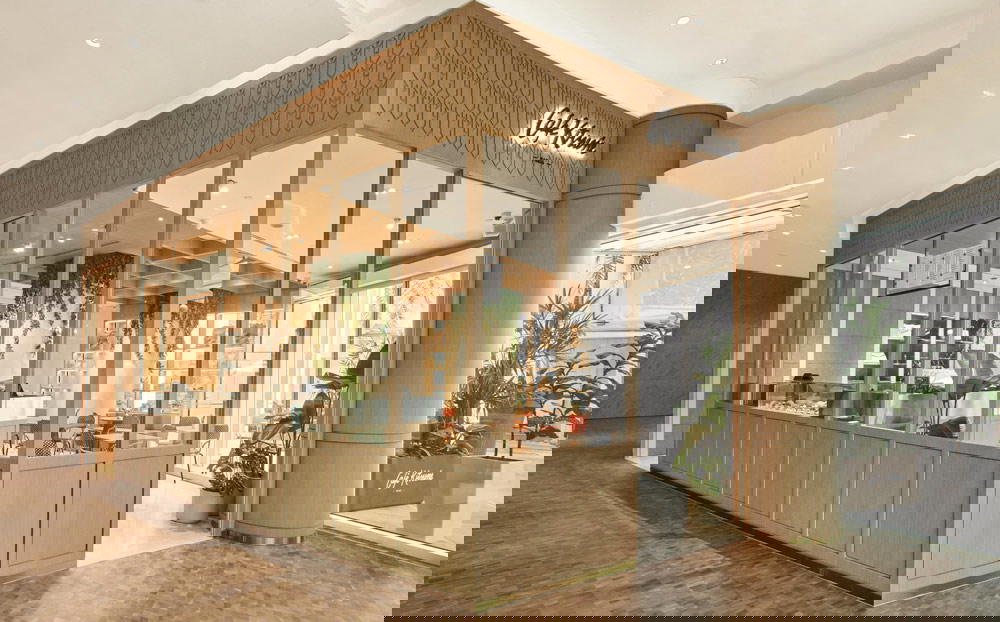
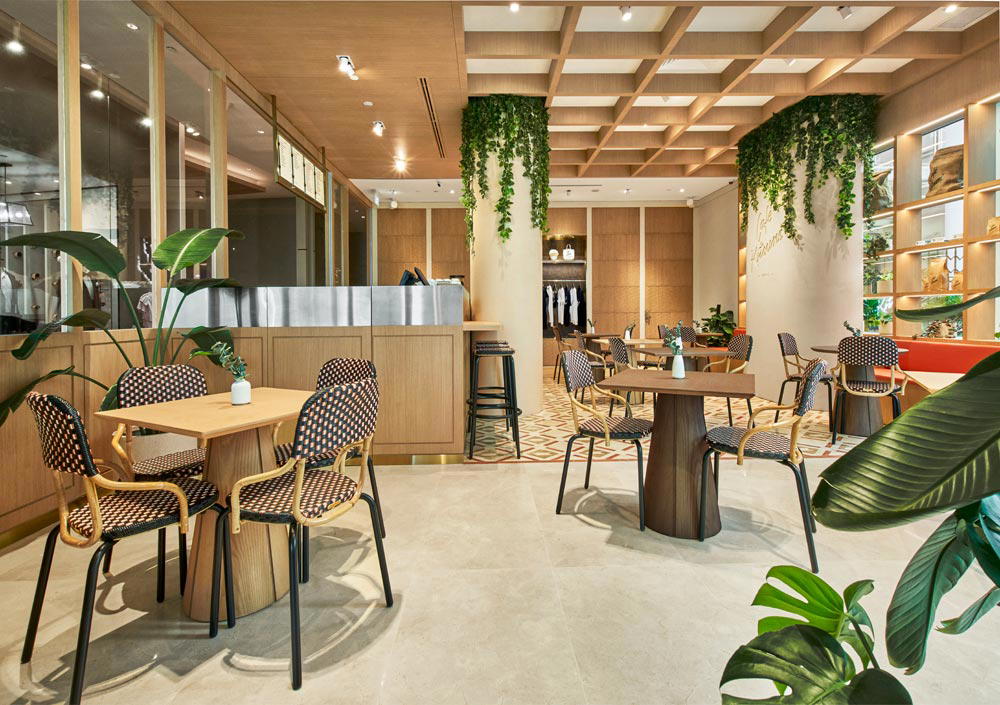
“The Café Kitsuné business is growing, and we were looking to expand in Singapore for a long time now,” says Johanna Lellouche, director of business development and operations at Café Kitsuné. “However, we didn’t want to rush the opening and preferred to make it in the right way. We took some time to know the market and understand our customers’ needs so that we can offer the best and unique experience.”
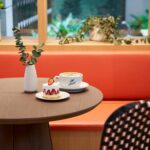
The first Café Kitsuné in Singapore—typical of other Café Kitsuné outlets—includes references to local culture. While the interior concept stays true to the relatively clean and fresh aesthetic that binds all the Café Kitsunés together, the Singapore outlet introduces the brand’s signature fox motif as herringbone patterns and tiles as nods to Peranakan heritage. And of course, plants as a way of tying in Singapore’s reputation as a garden city.
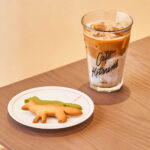
Beyond the interior flourishes, Café Kitsuné Singapore’s menu includes local exclusives. A chilli chocolate tart as well as a yuzu pistachio raspberry tart are part of the mix, owing to our fondness for spice and citrus flavours. Lellouche explains that the menu items are set to change according to the seasons, with signatures such as the fox-shaped shortbread cookies and especially its full-bodied coffee blend as mainstays making up 70 per cent of the offerings.
It’s this curated mix of signature food and coffee with local flavours that Lellouche attributes to the success of Café Kitsuné. “Each of our locations has its own interior design, which allows us to offer our customers a different experience whether they are in Tokyo, Paris, Seoul or New York,” Lellouche expands. As an example, the Café Kitsuné within the gardens of Paris’ Palais-Royal is far smaller in size than Singapore’s but offers the city’s beloved terrace-seating facing the greenery of its surroundings.
But the mark of a serious café business is first and foremost its coffee. Loaëc and Kuroki’s passion for coffee and its culture is what started the business in the first place. “The legend says, Masaya [Kuroki] started to drink coffee at the age of five,” offers Lellouche. In 2019, the brand’s first roastery was opened in Okayama, Japan—effectively controlling every step of the roasting process in order to ensure quality and consistency of its blend. Coffee beans roasted in Okayama are the ones supplied to Café Kitsunés throughout Asia, including Singapore.
“It’s very important for us to pass on Café Kitsuné’s savoir-faire and best practices to all our local teams and constantly ensure the best quality of our products and services. We were very honoured to welcome some members from Café Kitsuné Singapore in Paris to give them specific barista training so they can further share the coffee culture and spread the brand’s distinctive Art de Vivre ethos,” shares Lellouche. In fact, the Singapore-exclusive sesame latte was concocted by one of the Café Kitsuné Singapore baristas.
What started out as a music label, Kitsuné Musique, before branching out to fashion with Maison Kitsuné, and then hospitality via Café Kitsuné, the co-founders have repeatedly, over the years, affirmed that all three businesses are independent of each other. But there’s no denying that they co-exist harmoniously in the same universe. The music played in both Café Kitsuné and Maison Kitsuné locations are mixed by the music arm. And while entirely separate from Maison Kitsuné, Café Kitsuné too has a line of merchandise including a selection of ready-to-wear and accessories as well as tableware—all of which are available at Café Kitsuné Singapore.
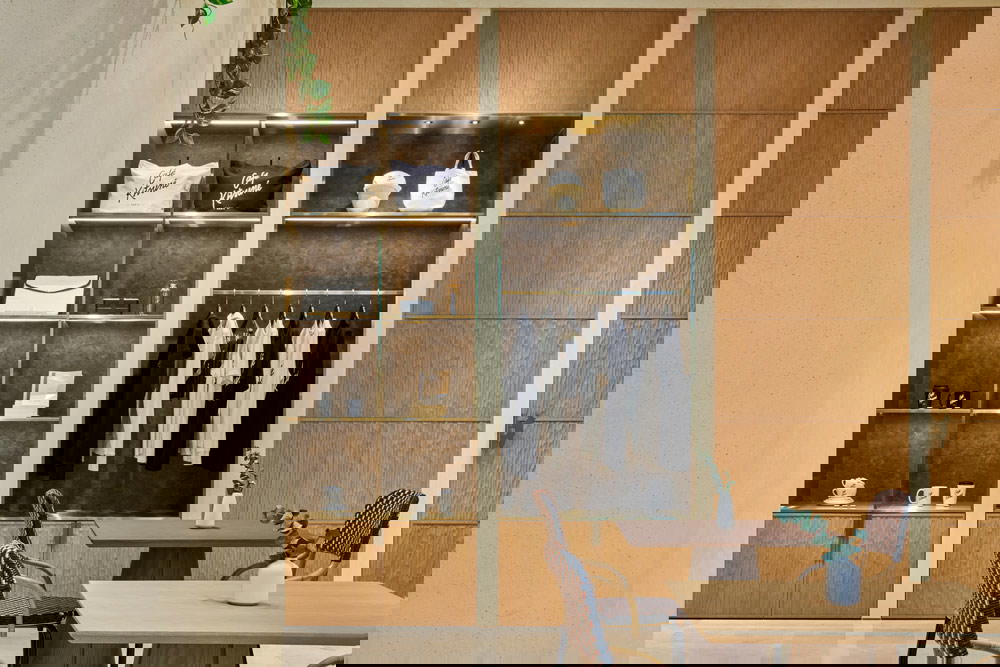
Photo: Café Kitsuné.
Independently, the hospitality business has evolved. “Café Kitsuné started as a café concept, but we have since extended its activities to new business lines—adding cocktail and natural wine bars, restaurants and roasteries to its range,” Lellouche says. The plan is to accelerate the brand’s international expansion in both existing and new, untapped markets, with outlets in Los Angeles, Bali, Kuwait and Taipei in the works.
It’s too soon to tell if more Café Kitsunés or even a standalone Maison Kitsuné have been planned for Singapore. But for now, the first outlet in Singapore is bent on satisfying café and coffee aficionados—those that are truly in it for the experience in a strictly no-laptop environment.