
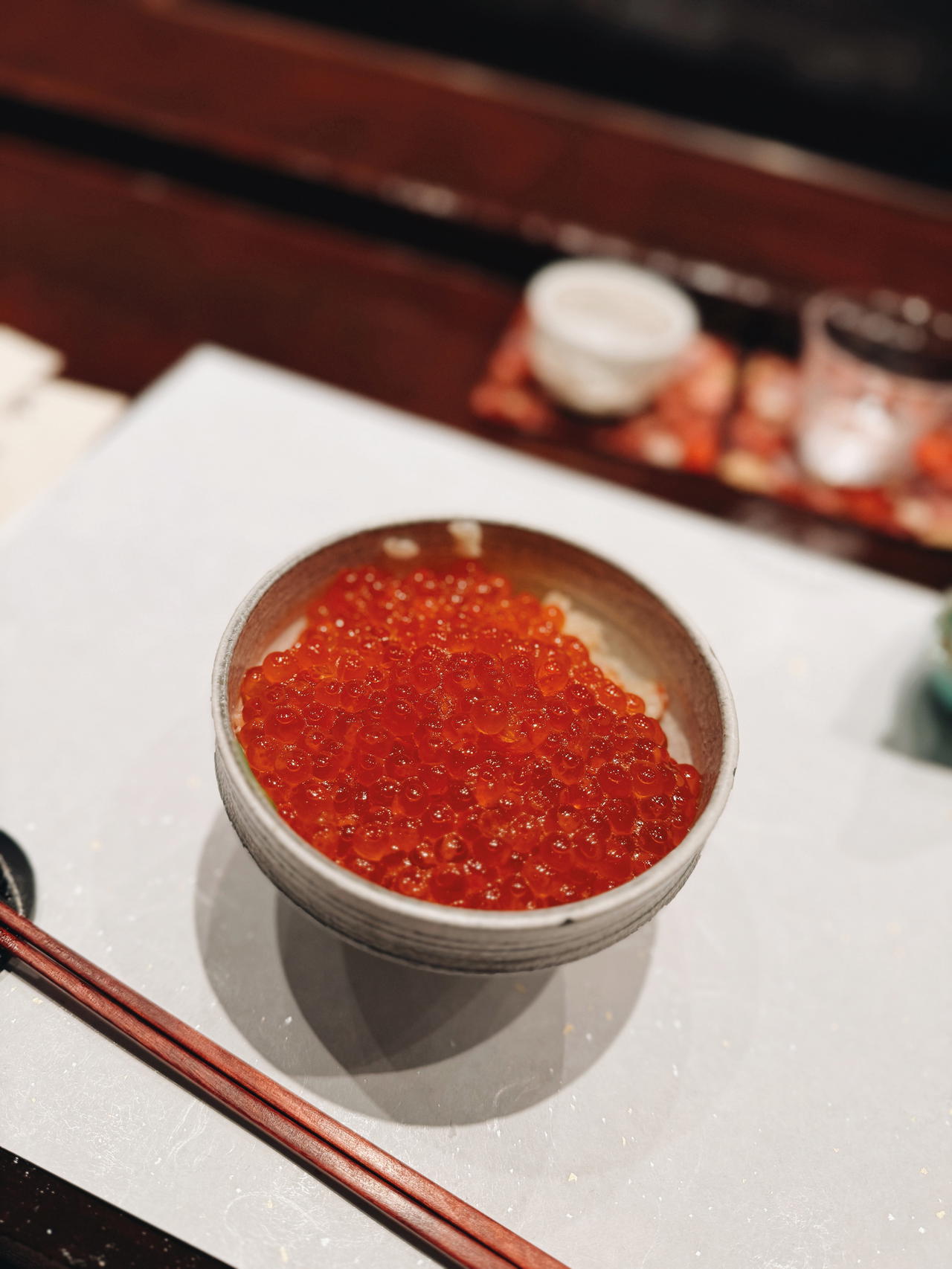
Cheers of “Oisa!” erupted as Head Chef Kazushi Kimura of Mare Hachikyo Singapore heaped glistening ikura onto my bowl of donabe rice. The creamy, briny roe instantly elevated the chewy Yumepirika grains, enhancing their umami—drawn from dashi, kombu, and kinki fish bones.
This is Tsukko Meshi, a signature dish where salmon roe overflows generously over rice—not just for show, but a tribute to Hokkaido’s spirit of omotenashi, or wholehearted hospitality. Created by the Hachikyo Group in Sapporo, the dish is a hallmark of their five Umi Hachikyo izakayas and omakase restaurant Mare Hachikyo.
The origin story? Twenty years ago, Tsukko Meshi’s founder was served an unexpected second helping of rice while on holiday by the sea. A nearby fisherman brought over a mound of ikura to go with it. That act of generosity inspired the now-iconic dish.
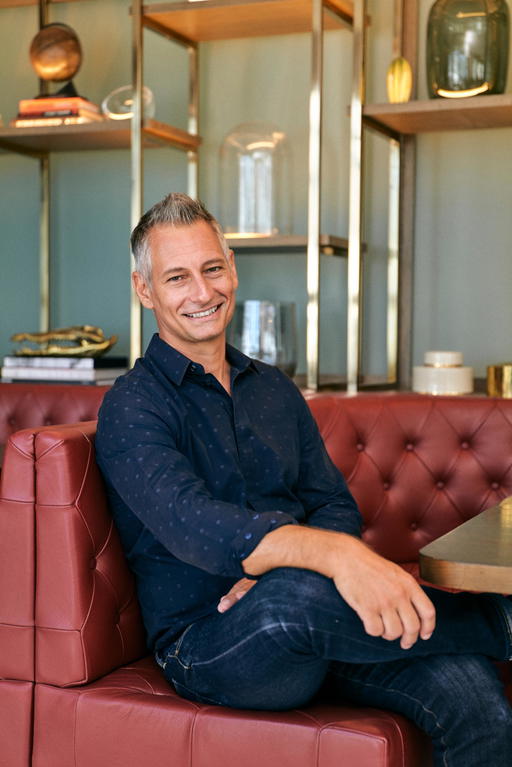
Today, Tsukko Meshi can be savoured at Mare Hachikyo Singapore, the brand’s first international outpost at Palais Renaissance. Mare Hachikyo Singapore sources nearly 90 percent of its ingredients directly from Hokkaido. “We want diners here to experience the quality and expression of Hokkaido’s seasons, just as they would in Japan,” says co-owner Karen Cheng, who also helms The Gyu Bar and Ichigo Ichie.
These ingredients are harvested at their peak and most vibrant both in flavour and texture. “An example is lily bulb, a seasonal ingredient featured only in the launch menu. It has a delicate, slightly earthy taste, and crisp texture, which we highlighted by serving it as a simple salad with cream cheese. There’s also takenoko (bamboo shoot), which we use during spring when it is at its most tender and aromatic.”
Beyond sourcing ingredients, Hachikyo Group is deeply engaged with the producers behind the produce. “Our procurement team, for instance, often visits fishing ports, where they work alongside the fishermen to harvest the catch,” she adds.
The close relationships the team has forged with suppliers not only allows them to identify produce at its peak, but also fosters trust with suppliers who share their commitment to freshness and integrity.
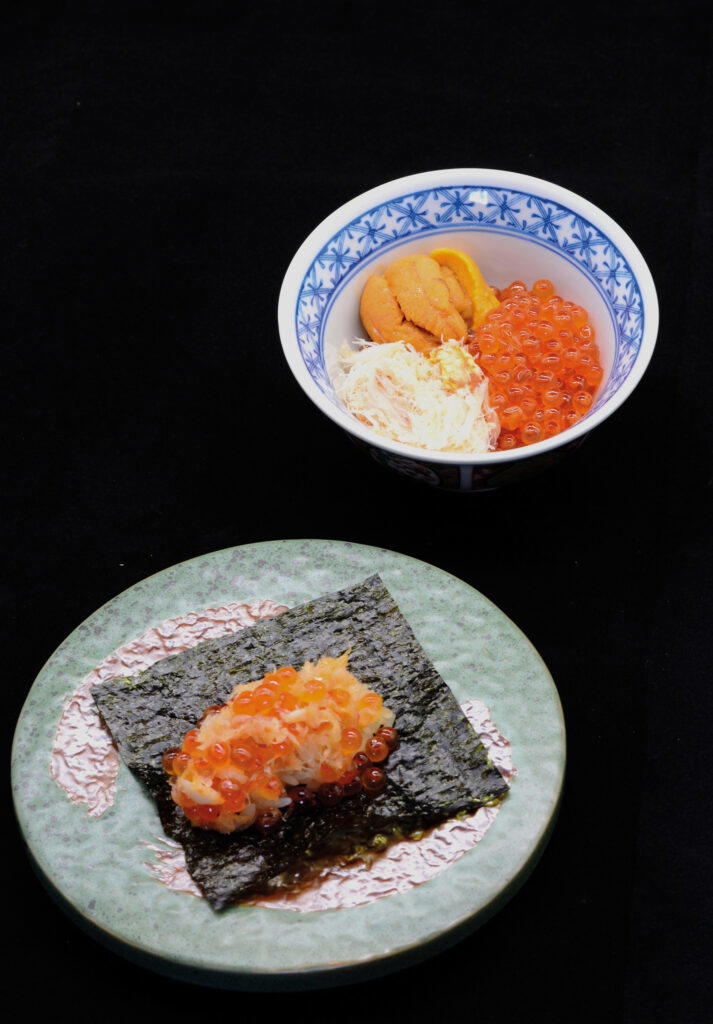
Cheng’s favourite dish is the Signature Hokkaido Temaki, also a popular item at the original restaurant. With its tantalising trio of Hokkaido kegani (hairy crab), ikura, and creamy uni (sea urchin) wrapped in crisp, lightly toasted Japanese seaweed, it is a beautiful showcase of the region’s freshest bounty.
Playing a crucial role here was the prized Yumepirika rice, which melded the various textures seamlessly with its fluffy mouthfeel. Cooked with Hokkaido water, which has a naturally cleaner and sweeter taste, it is seasoned with a delicate balance of seven ingredients, including red and white vinegar, mirin, and Hokkaido salt.
On a final note, Cheng recommends Kutchan Potato from the a la carte menu. Grown in the pristine fields of Kutchan—a town next to Niseko—and carefully aged for 540 days, it oozes a rich, earthy sweetness, pairing perfectly with Hokkaido snow-aged beef tenderloin.