Luxury travel in 2026 is no longer about thread counts or Michelin stars. Instead, affluent travellers are seeking deeply personal, purpose-driven experiences that prioritise meaningful human connections.
That shift was evident at ILTM Asia Pacific 2026, held in July at Singapore’s Sands Expo & Convention Centre, where the luxury travel industry’s largest Asia-Pacific gathering brought together 780 luxury travel buyers from 23 countries and 780 exhibitors, facilitating 40,650 one-to-one business meetings—a 10% increase from last year.
Opening the event, Visa Asia-Pacific principal economist Simon Baptiste noted that new wealth hubs and AI-driven fortunes are reshaping Asia’s affluent consumer base, while future opportunities lie not only in traditional source markets but also in emerging travel corridors. He added that brands will need much sharper customer segmentation based on generations and travel intent rather than geography alone.
That evolving traveller profile is already influencing how luxury hotels are redefining hospitality.
Experiences over excess
Hyper-personalised, experience-led travel has become the defining trend, with curated moments now carrying more value than conventional luxury amenities. Hotels such as Aman Tokyo offer private gallery visits and bespoke culinary experiences tailored to individual interests, while Soneva Fushi creates exclusive sandbank dinners, marine adventures and stargazing experiences. Capella Ubud similarly focuses on customised wellness programmes and immersive cultural encounters that connect guests more deeply with Bali.
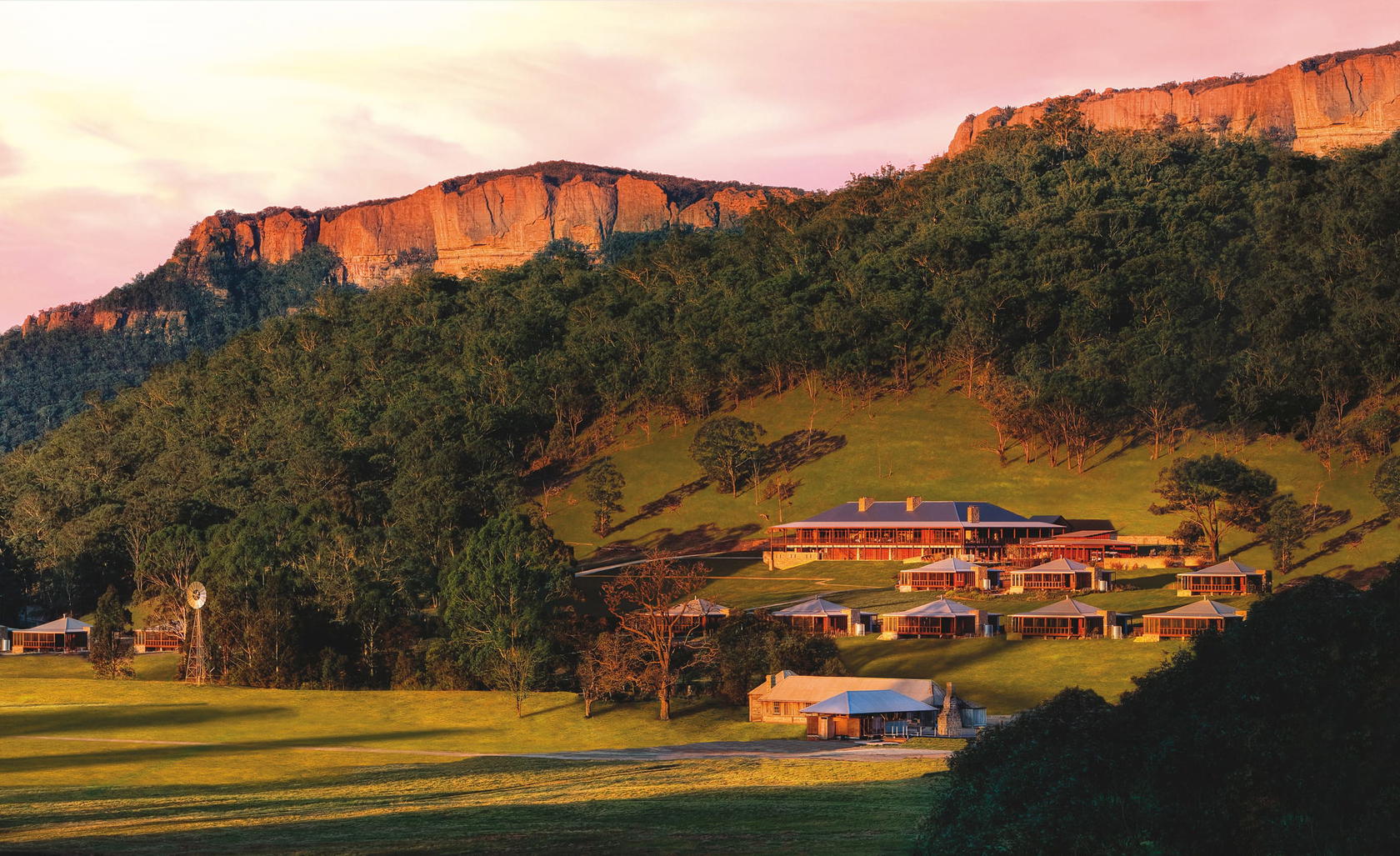
The same philosophy is shaping future developments. Marriott’s Emirates Wolgan Valley, A Ritz-Carlton Lodge in Australia, promises highly personalised wilderness adventures, while Hyatt’s forthcoming Park Hyatt Kuala Lumpur aims to deliver destination-led luxury in one of Southeast Asia’s fastest-growing cities.
Asia-Pacific travellers are setting the agenda
One of the strongest themes emerging was the growing influence of affluent Asian travellers on global hospitality. Across international hotel brands, wealthy travellers from Southeast Asia and India are increasingly shaping service standards and guest experiences. Multilingual services and multi-generational travel offerings have become key competitive differentiators at luxury properties including Raffles Singapore, The Peninsula Hong Kong, and The Ritz-Carlton Kyoto.
The industry’s confidence in regional demand is reflected in continued expansion. Marriott is adding properties such as JW Marriott Ranthambore Resort & Spa in India, while Hyatt is expanding premium brands including Andaz Taichung in Taiwan.
ILTM itself also reflected the market’s momentum, with more than half of hosted buyers attending for the first time, alongside over 50 luxury travel media representatives, highlighting the rapid evolution of Asia-Pacific’s luxury travel ecosystem.
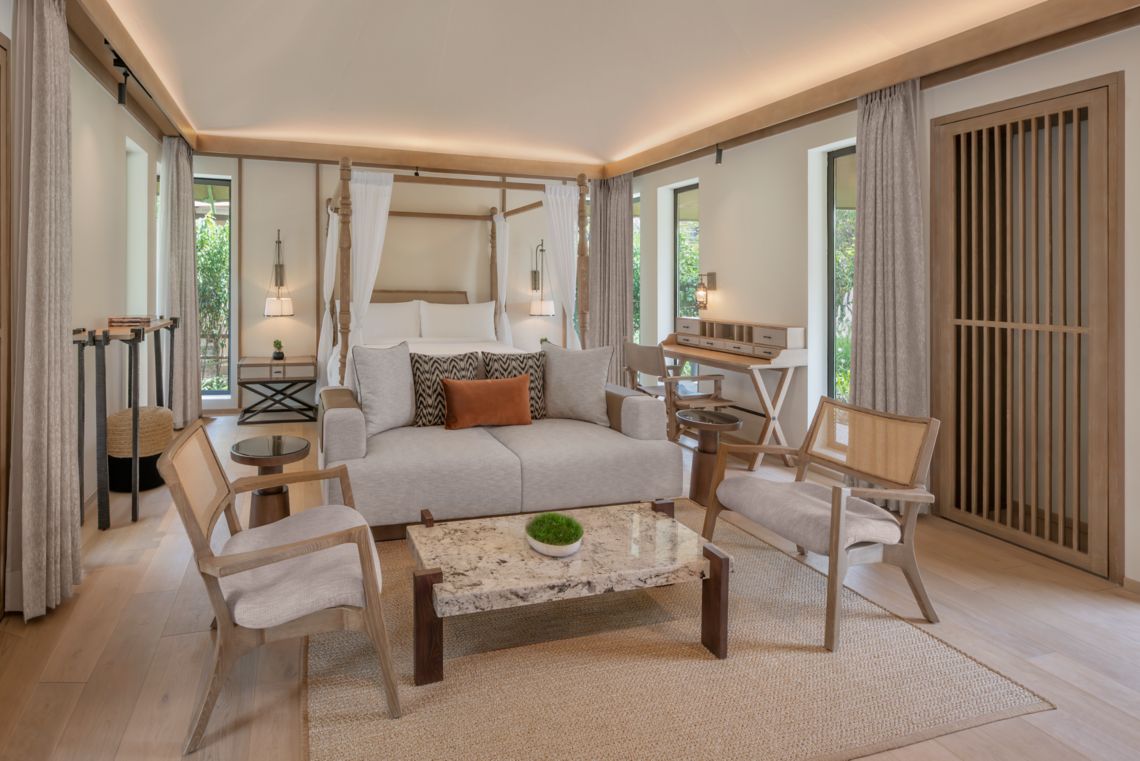
Luxury means different things to different travellers
Supporting this shift, new research released by Marriott International’s Luxury Group at ILTM challenges the assumption that affluent Gen Z travellers represent a single demographic.
Based on a survey of 2,800 affluent travellers across eight Asia-Pacific markets, including 1,200 Gen Z respondents, the report argues that luxury is increasingly shaped by identity, intention and personal meaning rather than age alone.
Instead of one homogeneous luxury traveller, the study identifies four distinct travel mindsets: Connoisseur Traditionalists (34%) continue to value heritage brands, impeccable service and craftsmanship; Future Proofers (30%) prioritise wellness, preventive health and nature-based experiences; Quiet Luxurists (20%) seek digital disconnection, privacy and lesser-known destinations; and Cultural Reclaimers (16%) view travel as a way to reconnect with family heritage and strengthen intergenerational relationships.
The findings reinforce the broader shift seen across luxury hospitality, where travellers increasingly expect experiences to be tailored around their personal values.
Wellness and purpose become essential
Wellness and sustainability have also evolved from optional extras into baseline expectations. Joali Being has built its identity around transformative wellbeing, while Six Senses Laamu combines holistic wellness with coral restoration and marine conservation. Cambodia’s Song Saa Private Island similarly integrates marine conservation and community engagement into the guest experience.
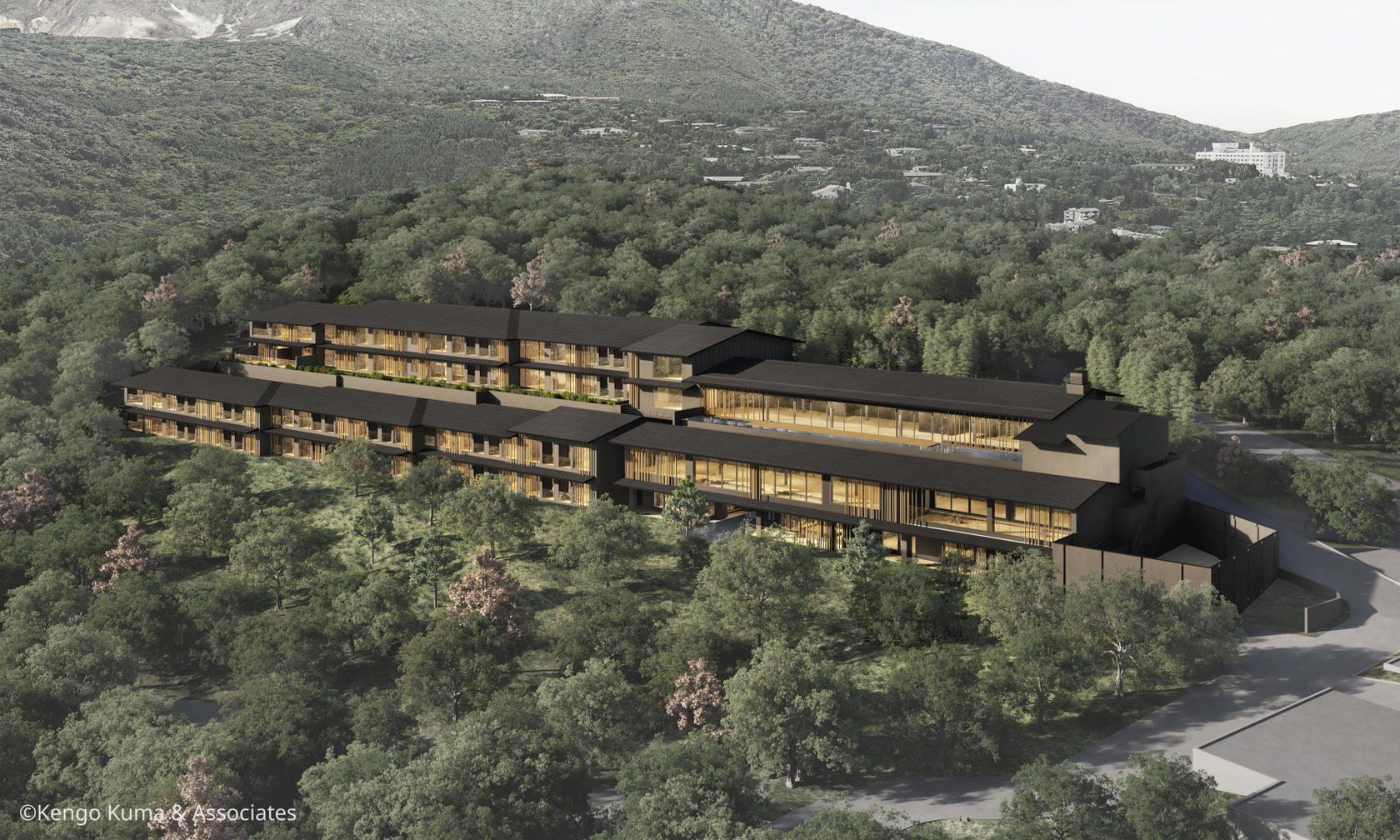
Looking ahead, IHG Hotels & Resorts is strengthening this segment with new openings such as Six Senses London and Kimpton Tsim Sha Tsui Hong Kong. Hyatt is also expanding its wellness-led luxury offering with Alila Sengokuhara Hakone, which will introduce the Alila brand to Japan in 2028. The resort will centre on private onsen experiences, nature immersion, and locally rooted wellness.
As ILTM Asia Pacific 2026 demonstrated, the next chapter of luxury hospitality will be determined by how effectively brands create emotionally resonant experiences.