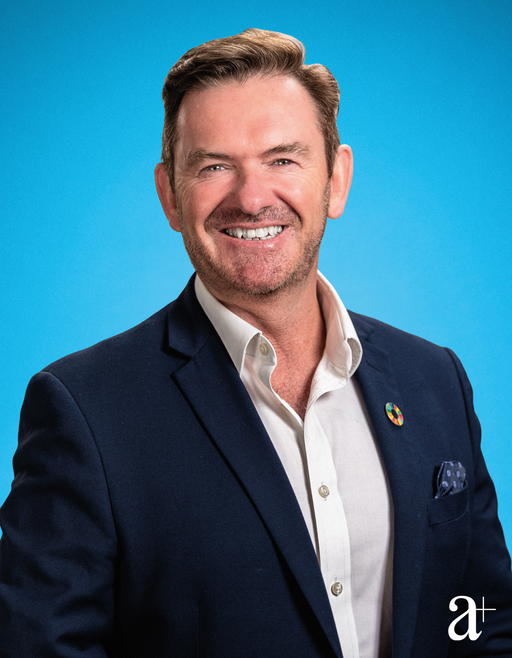
When celebrity makeup artist Clarence Lee visited Japan for the first time in 1997, it was not the country’s unique culture, beautiful scenery or incredible food that caught his attention. Instead, he remembers being surprised by the amount of packaging used for even the smallest purchase.
“I would tell the cashiers I did not want a bag for my shopping. Confused, they rarely knew what to do as most Japanese follow strict procedures at work,” recalls Lee, who has long been one of the beauty and fashion industry’s most vocal advocates of sustainable living.
Back then, it was a common local custom to wrap individual items in packaging before placing everything into a brand-new shopping bag. And should it be snowing or raining, the already over-packaged item would then be wrapped in yet another protective layer of plastic.
“I would grab my purchases and walk out of the shop while they were still processing what to do,” he adds with a chuckle.
These days, as those who have recently been to Japan can attest, the country has largely done away with this practice of using excessive amounts of packaging. At many shops and supermarkets, consumers may even have to pay for a shopping bag if they do not bring one with them.

It is certainly a positive change that many would not mind supporting. Indeed, after years of gridlock at the highest echelons of government, many other nations are finally stepping up by implementing policies in response to climate change. At the latest United Nations Framework Convention on Climate Change in May, executive secretary Simon Stiell spoke of significant progress in climate action being made across the world.
This includes the massive deployment of renewables in China and India and an accelerated plan for energy transition in Europe and the United States. There are also bold plans to phase out the use of coal in South Africa, Indonesia, and Vietnam.
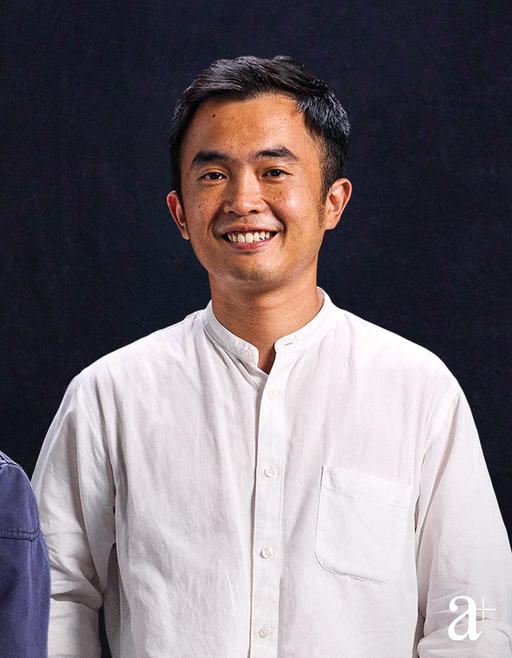
Activists and advocates hail these international efforts as a significant yardstick in the battle for climate action. “It is without a doubt that government policies have significant potential to drive change and create positive action at a scale unmatched by grassroots movements,” says Kathlyn Tan, director at Rumah Group and co-founder of Coastal Natives.
For instance, on a national level, the Singapore government has introduced carbon taxes, mandated corporate sustainability reporting, and is phasing out internal combustion engines, while expanding the country’s electric vehicle charging network.
Despite all this collective international action, is it still too little too late? In his speech at the UNFCCC, Stiell added somewhat gloomily, “But we also know that UN’s Intergovernmental Panel on Climate Change and others continue to tell us we have not gone far enough and that we are not going fast enough to avert the climate crisis that is before us.”
In its latest report, the panel clearly outlines this. “Human activities, principally through emissions of greenhouse gases, have unequivocally caused global warming. Climate change is a threat to human well-being and planetary health. There is a rapidly closing window of opportunity to secure a liveable and sustainable future for all,” the report declares.
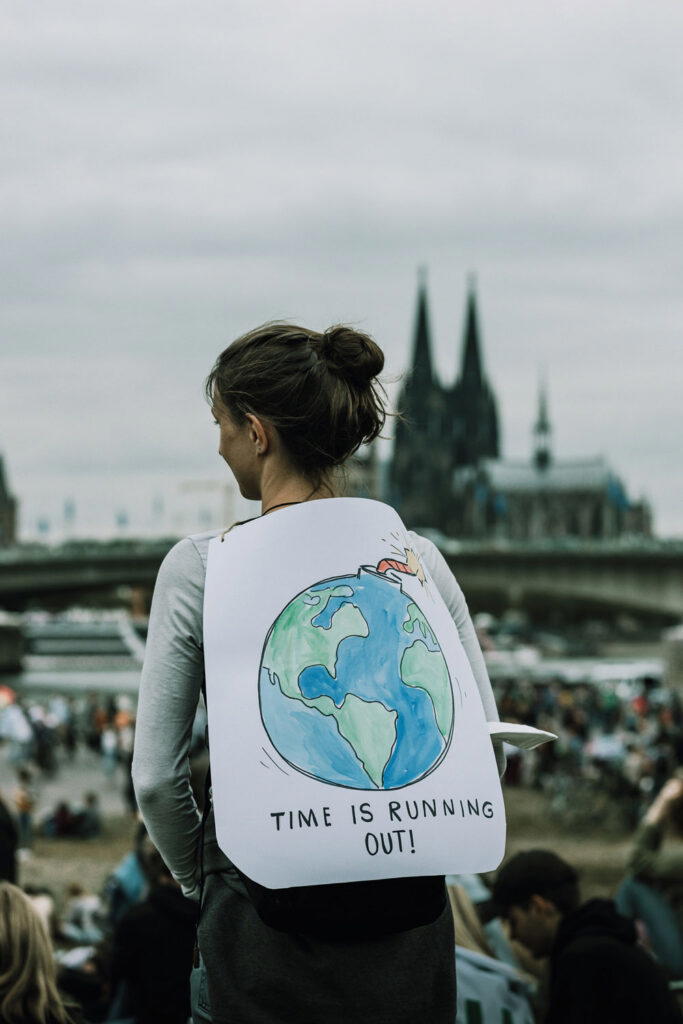
Still, dire as this undoubtedly sounds, you are probably not alone if your eyes have glazed and your brain has fogged over at this point. Perhaps, instead of resolving to play a small part in reversing this potential catastrophe, you might have just thrown your hands up and thought, “Why bother?”
Dr Denise Dillon, associate professor of psychology at James Cook University in Singapore is sympathetic to this sense of dissonance. “One challenge in tackling climate change is that it is not clear enough in terms of specific threats and that it is not happening fast enough for people to feel like they need to act immediately.”
She adds, “Humans have evolved to respond to environmental threats that are clear and present. If we keep hearing about climate change as an abstract threat that might affect us personally in some undetermined way in the future, it makes it difficult to determine what specific action is required from me here and now.” To add to this, humans also have a tendency to undervalue risks that are distant from us, either geographically or in time. “We are ready to believe people in other countries are at risk, or that people in the future will directly experience climate change, but we are more likely to falsely believe that environmental hazards will not affect us personally,” says Dr Dillon.
That said, Tan has one powerfully visceral example that should hit home viscerally. “In May this year, we hit 37 deg C, a 40-year record for the highest daily maximum temperature. We have gotten a taste of what could be our future,” she says. “This is something we do not have a choice about. Transitioning to a sustainable economy is our only solution for future generations to thrive.”
Of course, there can be structural barriers that may prevent individuals from taking action. Citing environmental psychologist Robert Gifford’s studies, Dr Dillon says barriers that remain outside an individual’s control include low income that prevents them from buying sustainable but more expensive products, living in areas where public transport is not an option or having a government that does not support relevant actions.
“In May this year, we hit 37 deg C, a 40-year record for the highest daily maximum temperature. We have gotten a taste of what could be our future. This is something we do not have a choice about. Transitioning to a sustainable economy is our only solution for future generations to thrive.”
Kathlyn Tan, director, Rumah Group and co-founder of Coastal Natives
Then there are “intrapersonal characteristics”—or excuses, if you must. “Barriers to action include intrapersonal characteristics, such as one’s attitude or temperament, not feeling personally responsible, and perceiving that actions are not practicable like having no time, no money or no information about how to proceed,” says Dr Dillon.
To counter this, one powerful mindset shift is to “simply accept the risk as real”. This is when it may actually be possible for the domino or butterfly effect to affect the required action from governments, institutions, and even individuals across the globe.
This is one reason taking individual action matters, even if it may feel inconsequential against the scale of the problem at hand.
“If we accept that a problem exists and change our behaviour to help mitigate that problem, we might become more conscious of what others are doing. This could lead to a spillover effect involving a change in more behaviours because of learning from others,” says Dr Dillon.
A case in point is Lee, who has over the years taken steps to lead a more eco-conscious lifestyle—most recently deciding to adhere to a plant-based diet. He not only takes cues from how others incorporate green practices, but also posts various hacks and tips he hopes will inspire his social circles to realise it is not as difficult as it seems to make a switch.
For instance, there is a widespread perception that eco-friendly products cost more than regular ones. “But if we use them wisely and not excessively, it often works out to about the same, in my opinion,” he reckons. “Many use more than they need for personal hygiene and cleaning products. We do not rneed to squirt that much product to get our chores done. When we use less, we need to replenish less often.”
He admits he gets teased by friends for his eco-warrior ways but he has also helped to spark a change in perspective in others. “They are mostly supportive and I also have friends who have told me my posts inspire them to become more eco-conscious.”
Individuals who feel moved to do more can and should take action to amplify their voice to make a greater impact. For instance, Dr Dillon, who has taken part in coastal clean-up and tree planting activities over the years, often recruits students, colleagues or members of organisations that she is in to join her on these activities.
“While policymakers have a lot of influence around our actions in many areas, many others also depend on us—businesses, nonprofits and citizens—providing feedback and sharing our experiences,” says Tan.
“Whether that is attending a citizens workgroup, writing to your Member of Parliament or taking part in industry consultations, all these actions are important and can contribute to change,” she suggests.
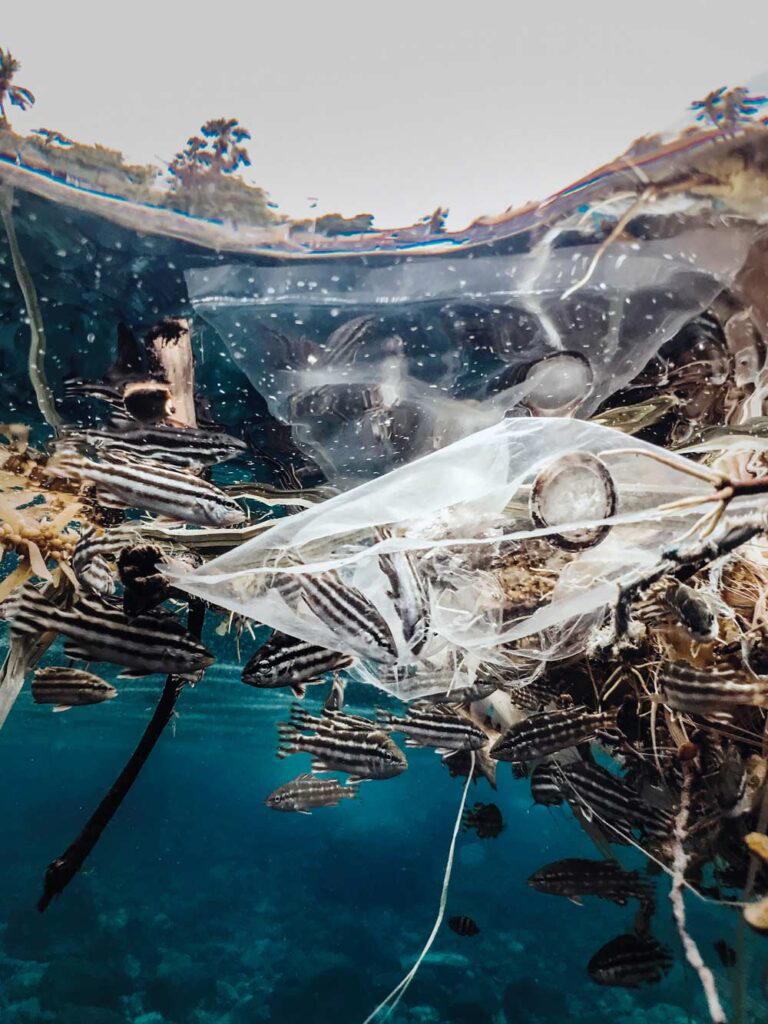
For Tan, her passion for scuba diving and witnessing the impact human action has had on the marine environment has inspired her to learn about issues such as industrial farming, bycatch, habitat destruction, and biodiversity loss. This has fuelled her passion for marine conservation and other environmental issues.
“It is helpful to remember that small wins, like having a meatless meal, turning off the lights when you are not using it or using our blue recycling bins are definitely worth celebrating. In time, these could lead to advocating for these issues within other organisations and networks,” she says.
“We don’t need a few people to be perfect, we need millions of people to be better.“
Alec Leach, author and sustainability strategist
This has over time snowballed into more concerted efforts to effect a larger change through the work she does at Rumah Group and by founding nonprofit organisation Coastal Natives, a Singapore-based charity that aims to spread environmental awareness.
“Nonprofits can take part in areas like raising awareness, capacity building, and research and field programmes,” she says. “To be effective, businesses need to understand their impact and have a clear plan for their sustainability efforts, the communities they affect, and the environments they work in,” she says.
For instance, Rumah Group’s real estate investment arm has internal initiatives to support climate neutrality and also works to decarbonise its portfolio through early-stage investments in sustainable green building materials and technologies. In 2019, it started an impact investment portfolio that supports the growth of early-stage climate tech ventures with the aim of contributing to a clean, vibrant ocean. Today, the portfolio includes investments in mission-aligned funds and companies.
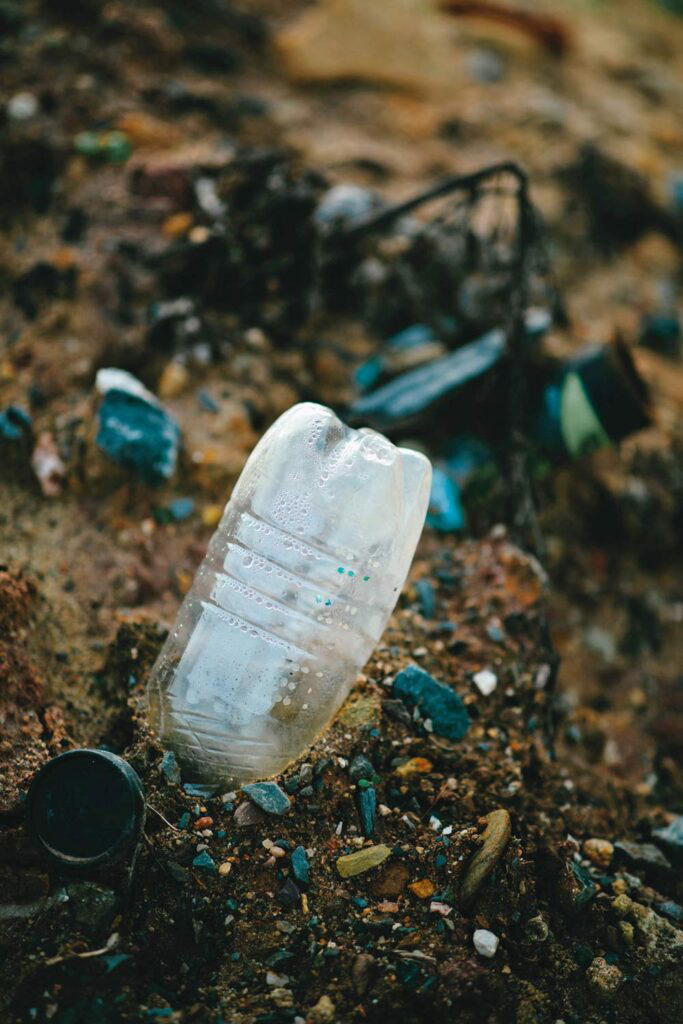
But even with the best intentions, businesses and organisations have to overcome various challenges to implement change in the most impactful manner. These include a lack of expertise in implementing the changes and having access to affordable green products and services. Sometimes, there may also be co-workers who may not understand the urgency of the need for new ways of doing things, says Tan.
There is no shortcut, she says, but green goals can be achieved by putting in the hard work. “Many of these challenges can be addressed—from spoon-feeding everyone with information and best practices to follow, as well as offering access to recommended products and services that support a green transition to upskilling our workforce and providing an enabling environment for planet-friendly technologies to flourish,” she suggests.
Ultimately, the bottom line is that even though there may be many factors that we feel are hampering us on the path to being more sustainable, it would be unconscionable to not even try to make a difference.
“No one is perfect but the important thing is that we minimise being polarising. Instead, encourage everyone to do the best that we can to work towards adopting greener solutions,” urges Tan.
After all, the fact remains that if humans do not take urgent action soon—starting at the individual level—it may soon be truly too late to save our home from burning. As Alec Leach, an author and sustainability strategist says, “There’s a saying that goes around in climate circles: ‘We don’t need a few people to be perfect, we need millions of people to be better’.”