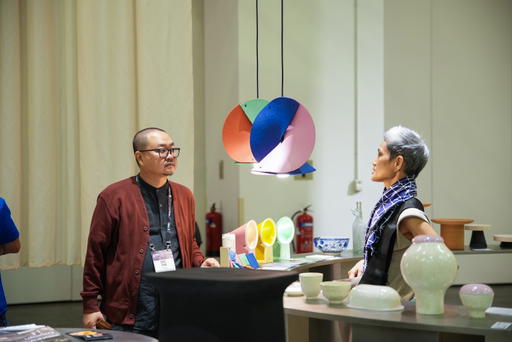
Can a business create impact and grow profits? It’s a question many companies are attempting to answer in today’s socially conscious world. For Adah Chan and Lois Tien, founders of homeware brand Baea and loungewear collection SoL respectively, that question is weaved into the fabric of their start-ups. In Singapore for a pop-up with design curator Vermillion Lifestyle, we discuss capitalism and conscious living.
Tell me about your backgrounds.
Lois Tien (LT): I grew up in the fashion industry. My father started a fashion retail company in the ’80s. I remember accompanying him to merchandising meetings as an early teen, picking out designs I liked and sharing my comments with the team. I even went to the US to work in high-street and luxury fashion brands. When I returned to Hong Kong, I managed one of the more premium labels within our company portfolio until I launched SoL.
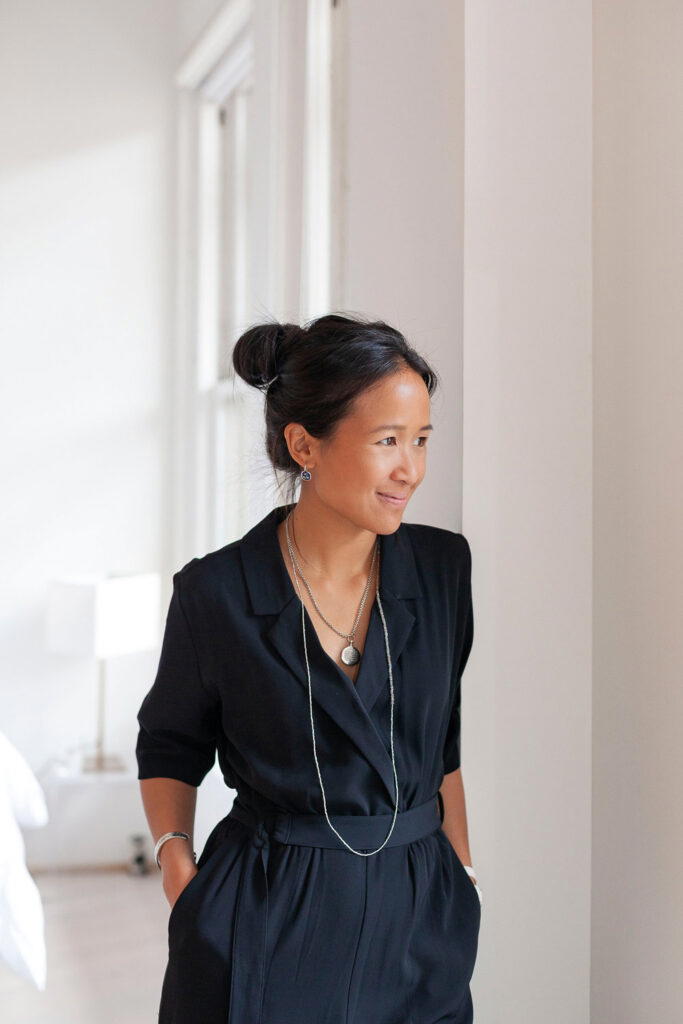
Adah Chan (AC): My family has been in the textiles industry for three generations, so I grew up hearing about things like choosing quality materials and working with the best suppliers. From an early age, I was helping in my mother’s shop, a much-loved luxury homeware boutique in Hong Kong Landmark Central called Bed & Bath. I travelled to trade shows with her from my early teens and learnt a lot about running a business even before heading to university.
Tell me more about the genesis of your respective brands.
LT: I developed industry fatigue after about 10 years of working in fashion, watching seasons go by and countless items developed with such care and thoughtfulness get marked down and disposed of at season’s end. I wanted change, but I wasn’t sure how to go about it. Around that time, sustainability in fashion was gaining real traction, so I felt it was a perfect opportunity for me to pivot. I’ve also always been interested in sleep health and self-care and how something as simple as two extra hours of good sleep can take us miles more in our daily functions. I launched SoL in 2020 to promote self-care through quality loungewear, raise awareness for the climate action we should all aim to take and as a vehicle to showcase how products can both be sustainably made and beautiful.
AC: I have always been interested in the calming and restorative effects of nature and wanted to use design to bring these into the home. In early conversations with Baea’s designer, Catherine Reeves, we talked about applying inspiration in the natural world to textiles, using the patterns we observed as a basis for our first bedding collections. We also shared a profound belief in creating a company that prioritises sustainability. We wanted to feel confident in the materials’ provenance and were committed to keeping our environmental footprint to a minimum.
Tell me about your brands’ sustainability efforts and their effects.
LT: My family supporting me at pop-ups and seeing the products in person sparked an interest in them to apply sustainability to the broader family business. While it is difficult changing a company steeped in so much history, they recognise that this is the future. For fashion to stick around, we must utilise resources better and more efficiently.
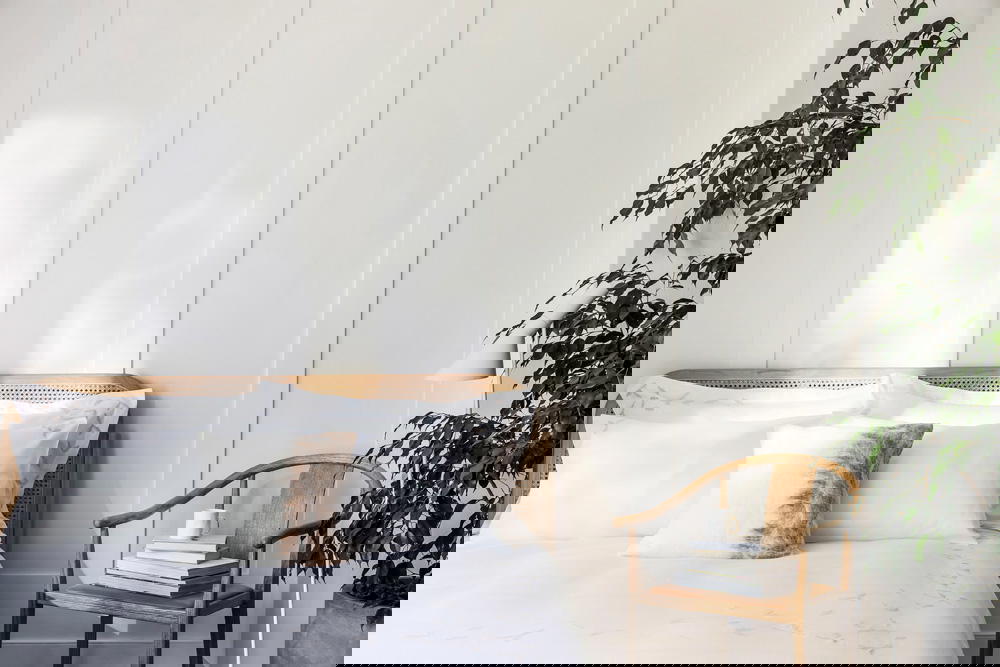
AC: It’s about choices—educating yourself about better ways of doing things and committing to supporting those options. Our first big decision was to go organic. Growing organic cotton has so many advantages for the producer and the consumer. But exploring options doesn’t end there. We’re currently looking into using Seacell—an eco- friendly material that incorporates seaweed into its fibres—and ideas around working with recycled materials. And, yes, our buttons are nut-based—corozo, which comes from a palm nut—and biodegradable.
Do you think growth and capitalism can exist alongside sustainability in a world of finite resources?
LT: This is a tough question and one that I struggle with from an existential business point of view. Can we be as green as we claim to be if the nature of the business is to create new things? It is possible, but it comes down to the how. How do we create sustainably, how do we produce responsibly, how do we love things well, how do we do more with less? That is why we want to use SoL as a vehicle to educate people on different aspects of green living and sustainable rituals. Through small steps, every individual can make a big difference.


AC: This is an important question for a young company like Baea to be asking itself. There is no excuse for ignoring reality. If we’re going to operate within this economic system, then how can we use it for good and how do we quantify our success in ways other than profit, such as promoting human dignity? One way might be to choose factories with ethical employment practices, even though it means paying more per item produced. Or choosing cotton that has been grown without the use of harmful pesticides that harm groundwater. Or we might think about using manufacturers who value and nurture a community’s traditional skills. Making well-researched choices also creates a dialogue with customers, prompting them to ask what, how much, and for how long we use things. As long as we are focused on exchanging goods and services, we need to be equally focused on our collective responsibility.