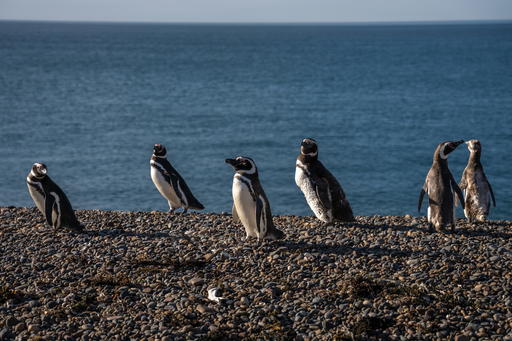

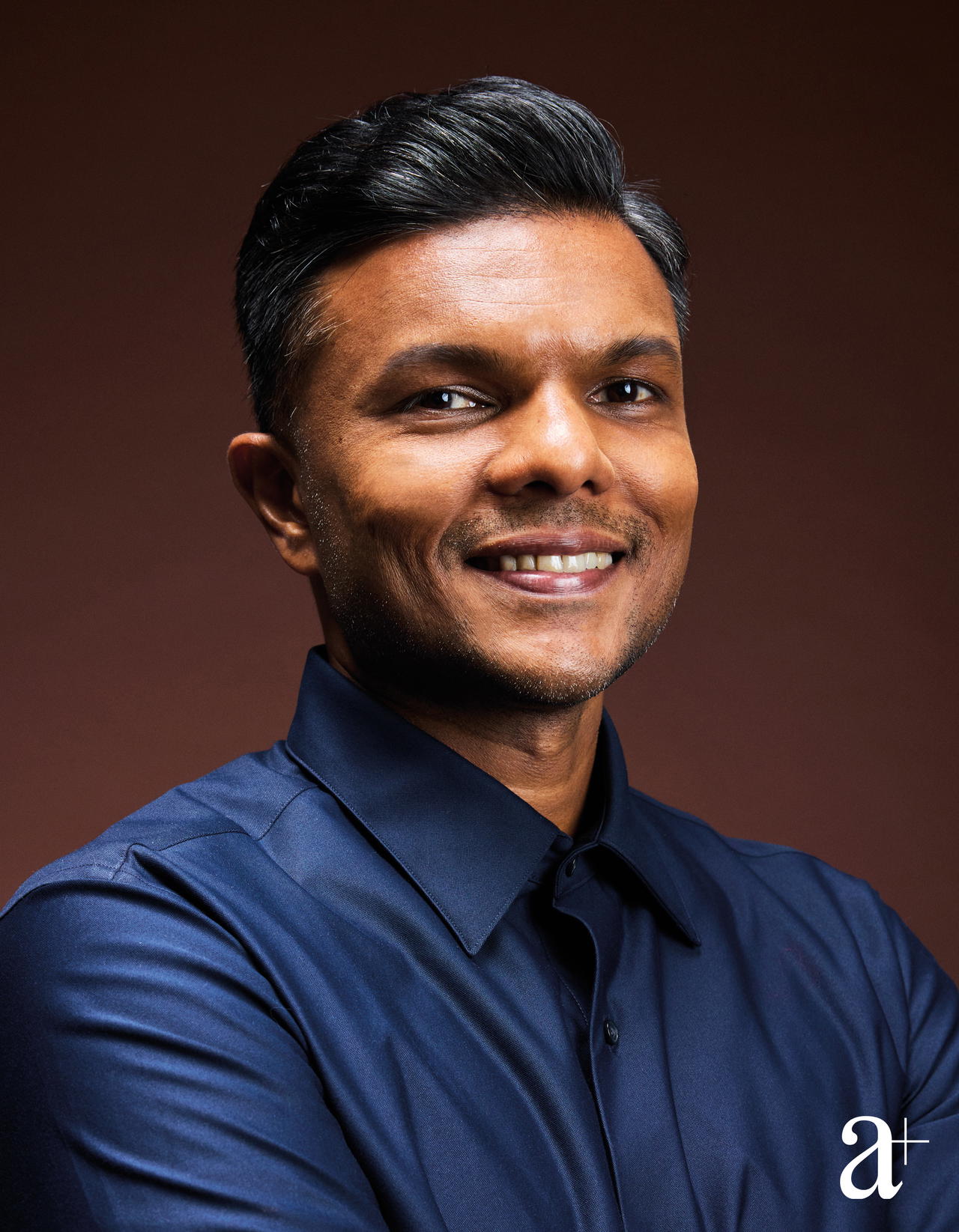
Urban development in Singapore has displaced many animal species. While some remain confined to our nature reserves, others live close to or within residential estates. This human-wildlife conflict must be adequately addressed, says Kalaivanan “Kalai” Balakrishnan, CEO of Animal Concerns Research and Education Society (Acres). The registered charity protects wildlife and raises awareness about animal welfare in Singapore and across Southeast Asia.
Roadkill is also a major concern. To mitigate these issues, Acres not only works with various groups to rescue and rehabilitate wildlife but also prioritises education. “We guide the community on expectations. If we want to live close to nature, we cannot choose which parts to encounter,” Kalai makes plain.
He became involved with Acres more than 15 years. Serendipity played a big role at the beginning: after graduating with a design degree from LaSalle College of the Arts, he had been working as a designer when “a series of events” led him to accept a temporary job at Acres as a rescue officer. But while he has risen since through the ranks, some things remain the same. “It is still a continuous learning experience,” he avers.
Given that Southeast Asia is a central node for wildlife trafficking due to its biodiversity hotspots and global shopping hub status, Kalai has a few suggestions for combating the crime.
First, improve cross-border cooperation and intelligence sharing between law enforcement agencies as trafficking networks operate across multiple countries. Second, harmonise laws and penalties across the region so traffickers cannot exploit weaker jurisdictions. Third, address poaching’s socioeconomic drivers. Poachers often rely on wildlife trafficking as a livelihood, so providing alternative sources of income and community-based conservation initiatives could help reduce incentives to hunt illegally.
These solutions are in addition to increased monitoring and inspections at ports and airports, implementation of advanced technologies such as AI and data analytics, and improved cargo screening systems.
The reality is that many people do not understand the illegality of wildlife ownership in Singapore because they do not comprehend the scale of the illegal wildlife trade, Kalai says. “Animals are not smuggled individually and are usually trafficked in large numbers. When buying continues, so does demand,” he explains, noting that it is not unusual for thousands of animals to perish in the process. This is compounded by the fact that the illegal wildlife trade is often intertwined with other illegal activities.
It is also grossly untrue that wildlife can be easily rehabilitated.
“It takes selfless work and strict discipline to ensure the animal can find a variety of wild food once it is released, knows to stay away from humans, is physically fit, and can navigate wild terrain.”
Kalai on respecting wildlife
While Kalai considers our animal welfare laws “acceptable”, he hopes that they will be reviewed more regularly and include greater input from non-governmental organisations. As it stands, conservation priorities are largely influenced by commercial value, which can be problematic. “We must recognise that every animal has its own intrinsic value,” he emphasises.
All the more in Asia where animals are often viewed through a utilitarian lens and with limited awareness of their sentience and welfare, he continues.
“This leads to harmful practices that are perceived as normal or acceptable. Most countries have animal protection laws, but without adequate enforcement, animal welfare issues will continue to persist with no consequences.”
Photography Mun Kong
Art direction Ed Harland
Hair @Hanarabyhana using @got2b
Makeup & grooming Keith Bryant Lee using Laura Mercier
Photography assistant Melvin Leong