
At the edge of a windswept, 15-m ice cliff, a cluster of downy Emperor penguin chicks huddle together, their tiny bodies swaying in the Antarctic gusts. One chick shuffles forward, teetering dangerously close to the drop. In a heartbeat, it leaps—tumbling through the air before splashing into the frigid sea below.
Off-camera, a voice breaks the silence, equal parts awe and delight: “I can’t believe that! He’s made it!” The scene is from Secrets of the Penguins, a new National Geographic series. The voice belongs to Bertie Gregory, the wildlife filmmaker behind the lens—and one of the two Rolex National Geographic Explorers this year.
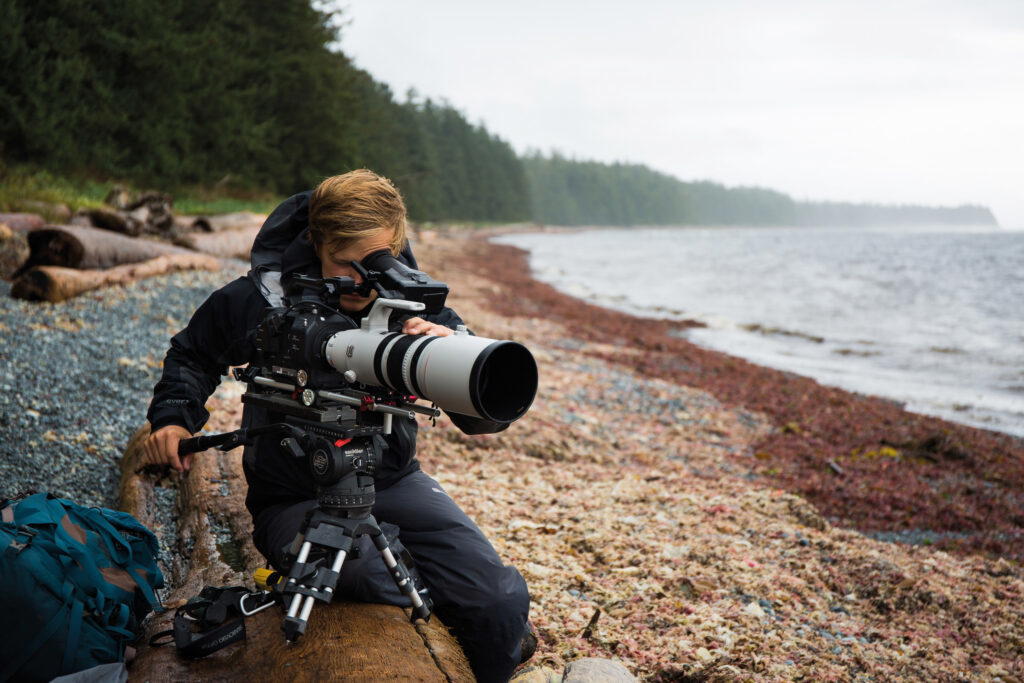
Gregory has made a career out of capturing the world’s most elusive wildlife. Known for his daring, close-range work with National Geographic, he has produced and hosted hosting eight projects so far—including Leopards at the Door, Jaguar vs Croc, Wild Life, The Big Freeze, and Resurrection Island, for which he was named Best Television Host at the Jackson Wild Awards 2019.
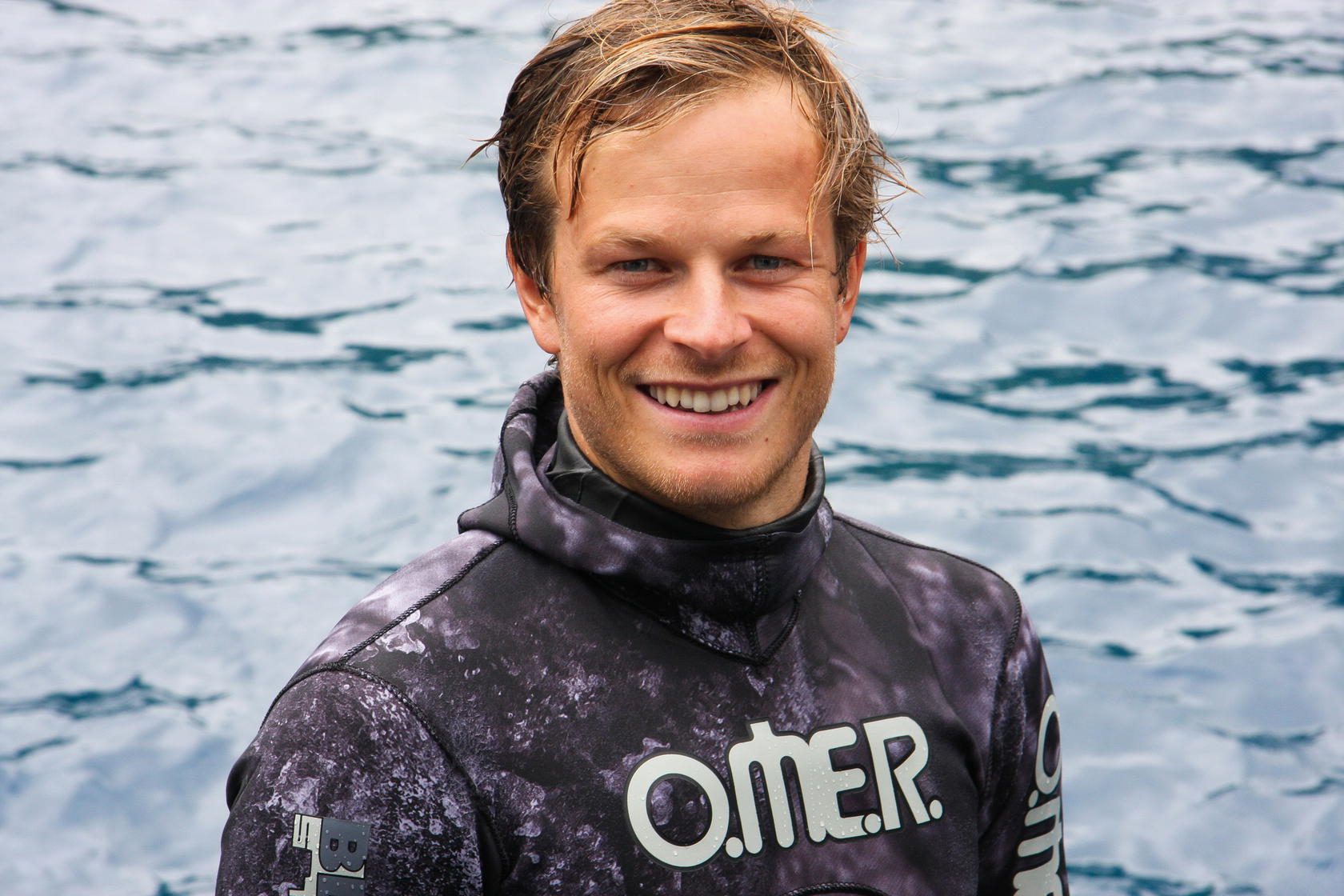
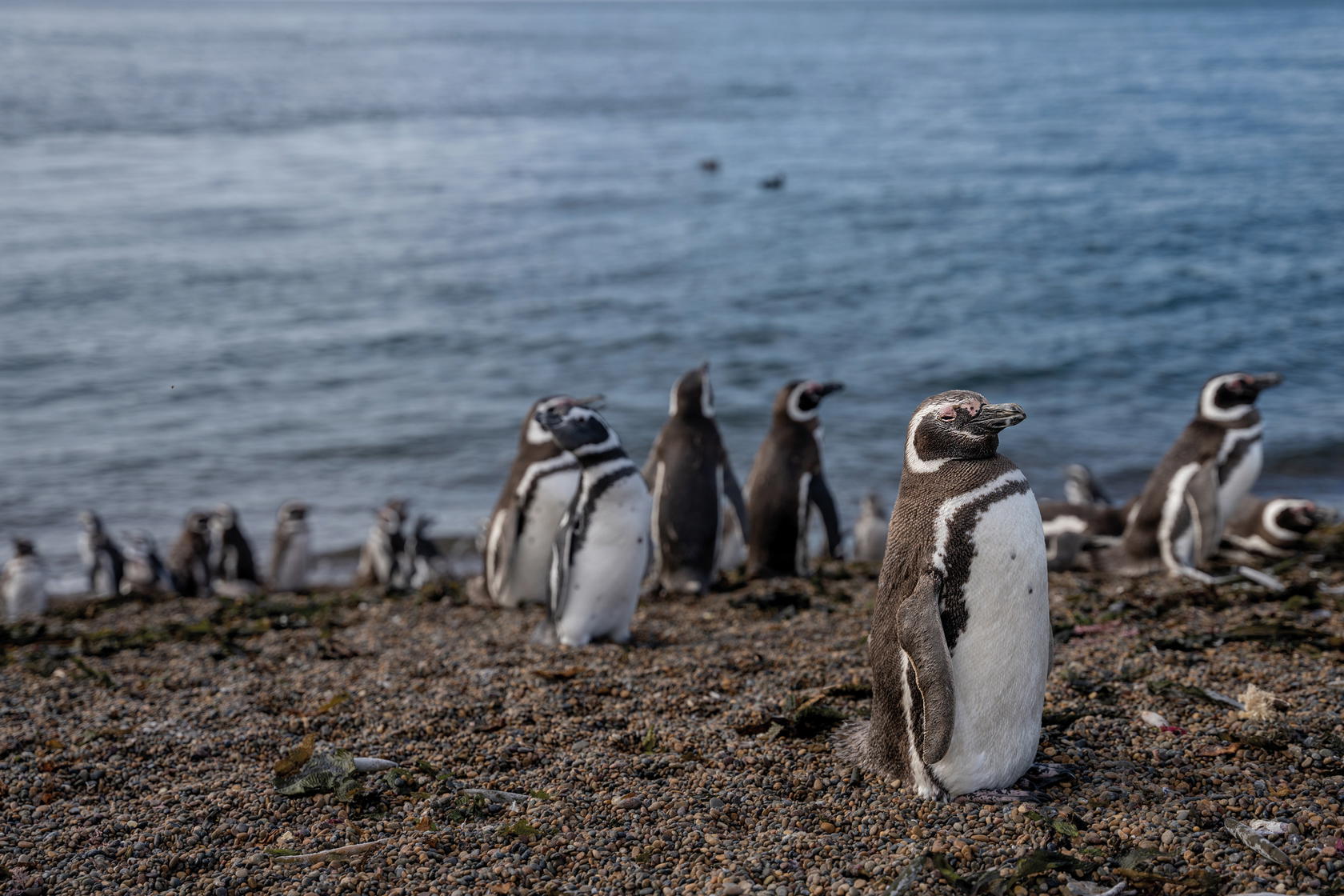
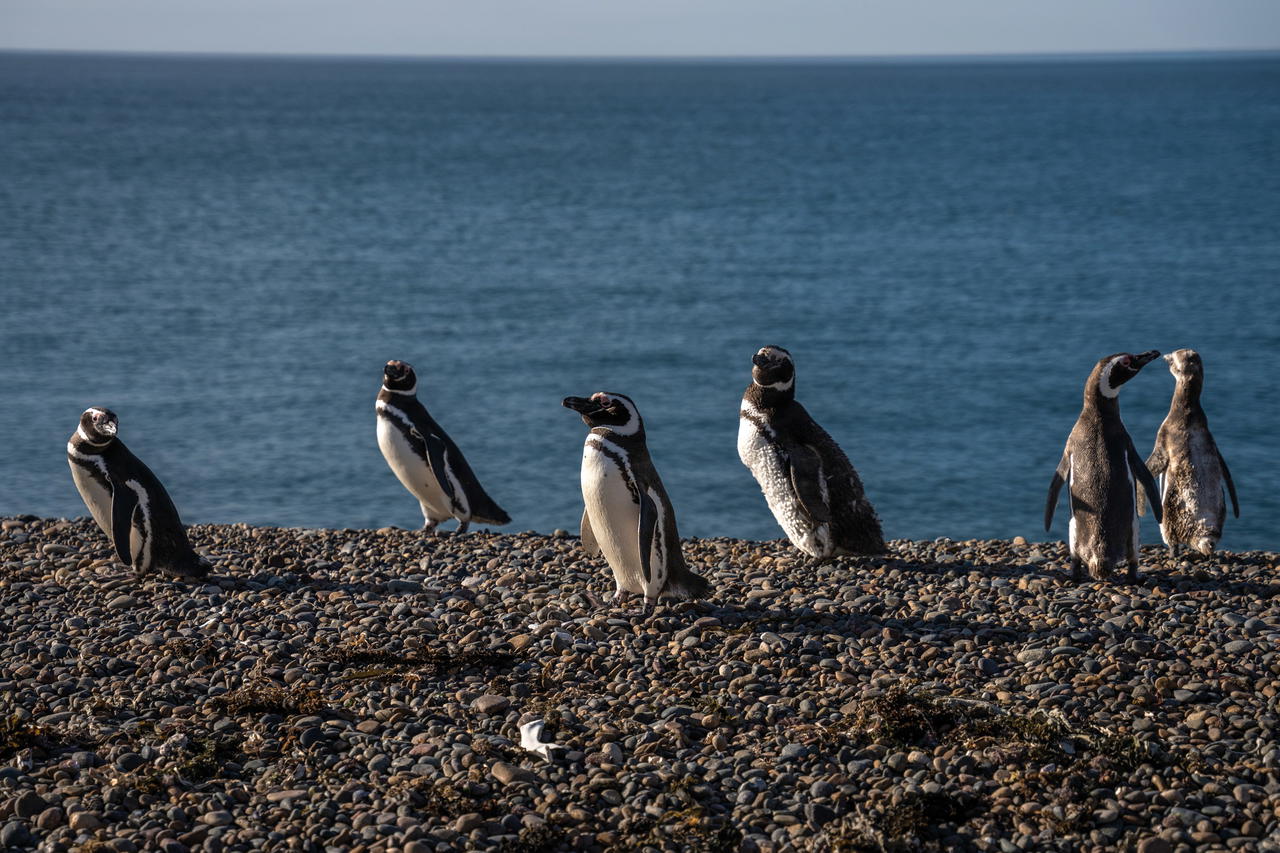
In Secrets of the Penguins, he teams up with a kindred spirit: Pablo Garcia Borboroglu, the 2019 Rolex Awards Laureate Argentinian marine biologist and conservationist whose life’s work has revolved around sea birds, and particularly penguins, the ones now taking centre stage in front of Gregory’s lens.
Together, they have been honoured with the coveted title of 2025 Rolex National Geographic Explorers of the Year—an award given to individuals who cast a critical light on important issues, discoveries, and challenges facing our planet, and inspire action for a more sustainable future.
Rolex has supported the award since its inception in 2011, incorporating it into its broader Perpetual Planet Initiative, which champions those at the frontlines of environmental exploration and protection. This year’s winners were officially recognised at the National Geographic Society’s annual Explorers Festival in June 2025, hosted in collaboration with Rolex, where their collaboration—one forged on a frozen continent—was celebrated as a model of modern conservation.
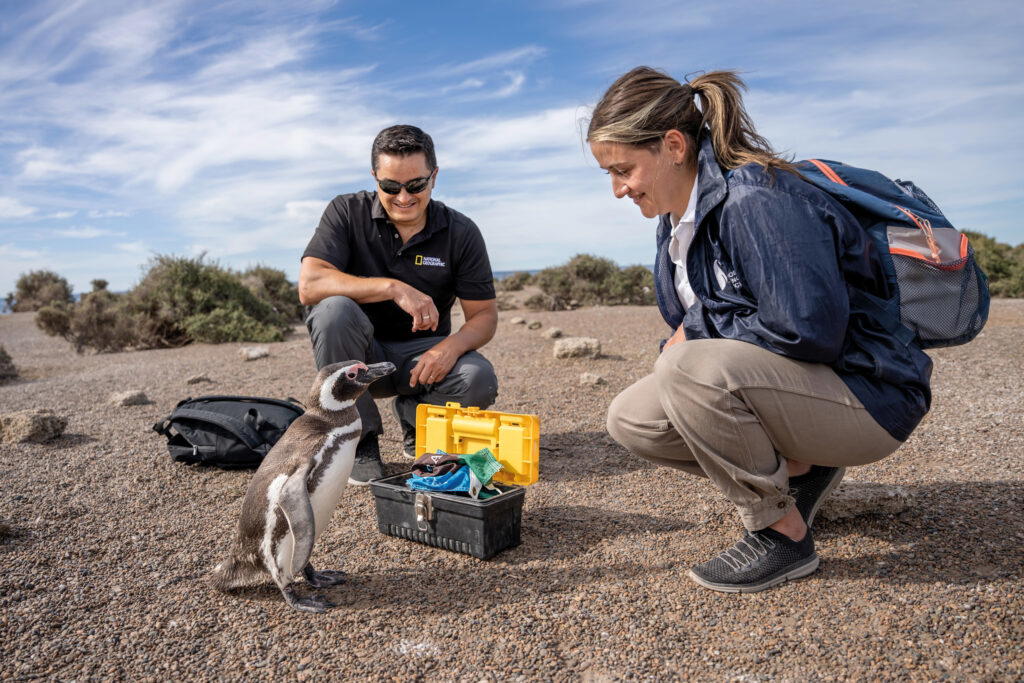
Borboroglu has spent 36 years fighting to protect penguins, leading global efforts including educational programmes, colony management and the creation of large, protected areas. His initiatives have safeguarded more than 32 million acres of ocean and coastal habitats, benefiting at least 2.5 million penguins.
He also coordinates an educational program targeting global audiences, local communities, and schools near penguin colonies in developing countries. In addition, he has led over 130,000 children to see penguins in the wild for the first time, and donated thousands of books to schools. In 2019, he was awarded the Rolex Award to further expand his efforts.
Gregory’s journey began at 18, when he won the Youth Outdoor Photographer of the Year award. A Zoology graduate from the University of Bristol, he soon found himself assisting legendary National Geographic Magazine photographer Steve Winter, who became his early mentor. Since then, he has carved a niche for himself as an intrepid documentarian—someone equally at home dangling from helicopters or stalking elusive predators through dense undergrowth, always with a camera rolling.
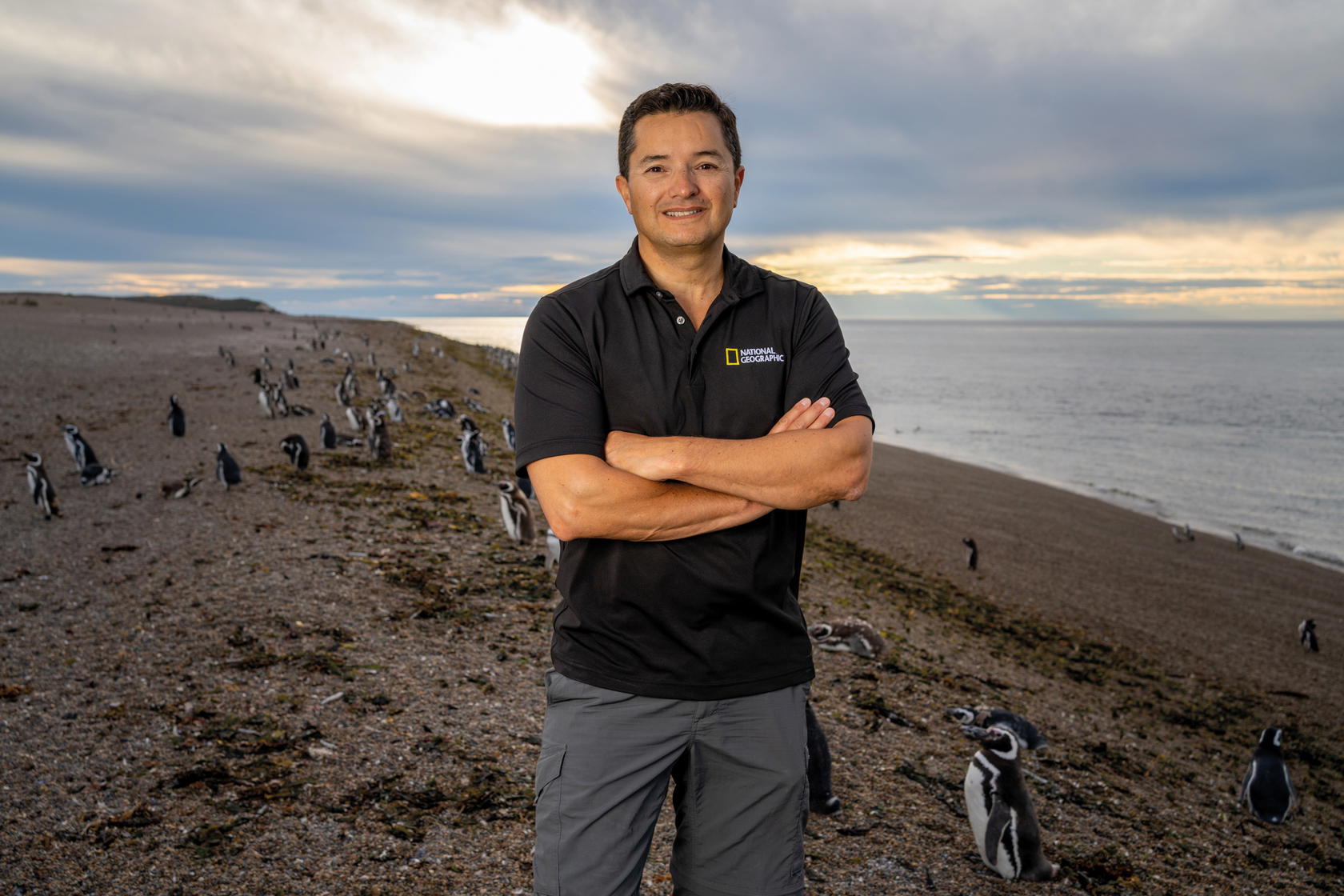
Photo: Rolex
Now, in Secrets of the Penguins—a three-part series executive produced by visionary filmmaker, National Geographic Explorer at Large and Rolex Testimonee James Cameron—the two explorers have merged their expertise. With Borboroglu’s expertise in penguin ecology and Gregory’s eye for storytelling, viewers are given a rare glimpse into the hidden lives of these charismatic seabirds.
Filmed using cutting-edge technology in some of the most remote and unforgiving habitats on Earth, the series reveals moments few have ever witnessed: secret courtship rituals, communal parenting dramas, and the raw battle for survival in the harshest conditions.
As climate change accelerates and ecosystems shift, projects like this carry a deeper urgency. For Rolex and the National Geographic Society—whose partnership spans more than 70 years—this is more than a wildlife documentary; it’s a pressing call to action. By drawing viewers into the fragile beauty of the natural world and showing the tangible results of conservation, Borboroglu and Gregory offer something increasingly rare—hope.