
The government in India launched Project Tiger, a conservation programme that aims to protect these precious mammals, in 1973. The initiative has proven to be effective, and the steady increase in the population in India supports this.
When Project Tiger first launched, there were nine designated reserves located across the country, ensuring the protection of tiger habitats.
Today, we have 53 reserves, with new areas currently being identified. The programme is also developing natural corridors between jungles so tigers can travel freely from one habitat to another.
I have been contributing to Project Tiger since 1977. In my 46 years of supporting the programme, I have seen several young tigers move to the outskirts of the jungle and towards human habitation in response to competition over territories.
I lost my eye during a tiger attack in 2010. The young wild cat had moved from the jungle into a nearby field towards a village, and we were attempting to rescue and relocate it. To tranquilise the tiger, we had to move through thick vegetation on foot, and our efforts attracted the villagers’ attention, which ultimately disturbed the animal. It jumped on me, severely injuring the right side of my face.
In 2006, the tiger population in India was 1,411. In 2014, it increased to 2,226, and then 2,967 in 2018. Our most recent study, conducted in 2022, demonstrated that there are now over 3,167 tigers.
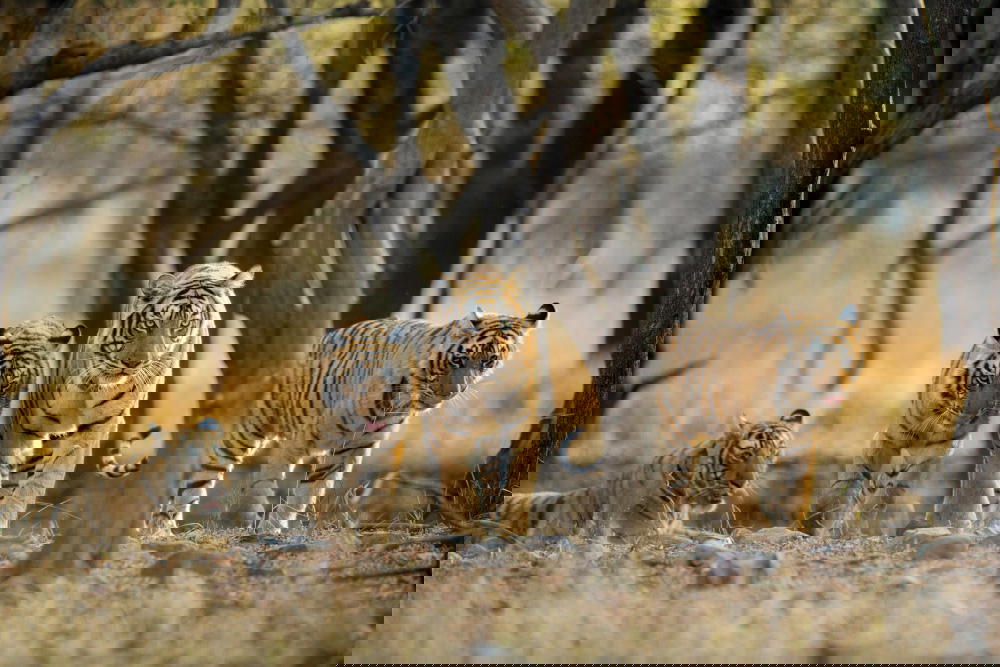
The Wildlife Institute of India (WII), which coordinates tiger censuses, calculates these figures. India’s tiger population is mostly concentrated in protected areas, but several have been reported in areas not included in the census.
The biggest threats to the tiger population in India are poaching and the destruction of their habitats to make way for human habitation. Thanks to the launch of Project Tiger, significant efforts have taken place to protect their territories through a major expansion of their habitats.
In addition, our government in India has been working tirelessly to combat the poaching of wild tigers. We believe its efforts have successfully reduced this illegal activity across our country and enabled the tiger population to flourish. We can see this in the figures calculated by WII.
Nevertheless, the purchasing of products made from tigers remains popular in many other countries, particularly in Asia. We hope the growing global awareness of the need to protect this precious species will encourage a change of mindset and reduce the international demand that drives poaching.
Protecting the population requires the cooperation of local communities across India. The tourism industry is a major contributor to the national economy that provides employment opportunities. Since many international visitors come to India to see the tigers, our collective efforts to protect the species also enable residents to maintain a secure livelihood.
Conservation efforts not only care for the tiger population but also help to preserve the habitats of other wildlife. While our focus remains on this endangered mammal, our flora and fauna will thrive across the country as well if we continue to establish reserves.