As told to Farhan Shah
I was just an ordinary parent with dreams and aspirations for my babies. Then they were shattered. My second child, Caleb, had an epileptic attack as a newborn. The first words that came to me were, “Why me?” According to a neurologist, a seizure in such a young baby is extremely rare. Overnight, my life changed. There was a lot of emotional upheaval, fear, confusion, loss, and sadness. My days were filled with test after test and lengthy hospital stays.
It happened again with Genine, my third child. Despite my hopes, I was prepared for the same outcome. The hospital became my second home.
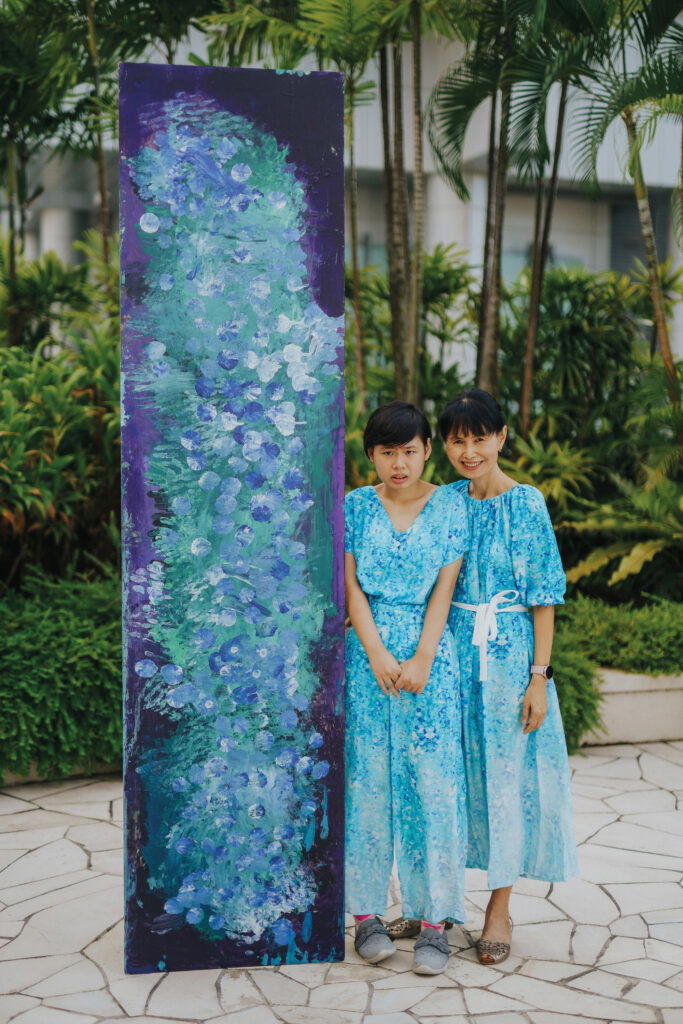
Growing up, Genine’s developmental milestones were significantly behind those for her age. In addition, I noticed that her abilities declined after episodes of fits. Movement became difficult and unstable, and she was sleepy all the time. At age five, she was diagnosed with Global Developmental Delay.
My life has not been easy. I’m not writing this to score sympathy. In fact, everything that has happened has made me realise that life is still beautiful. Before Caleb and Genine, I had another girl who passed in 2000. She was only five. When she was three months old, she, too, had an epileptic attack.
She taught me bravery and quiet strength. She was my true little hero, sweet angel, and fighter, and her living example lives on within me today. Despite my stumbles and falls, she always lifts me up and leads me forward.
The significant life experiences I have faced have led me to continue caring for Caleb. He was only a year old when his sister passed on. At that point, Caleb had countless seizure episodes and hospital stays. Even till today, I remember carrying him in a dark room, while encouraging and pulling myself back up again.
Even for play, Caleb and Genine were difficult to bring out when they were younger due to their medical conditions. Seizure attacks often jeopardised trips. They can be triggered even by small amounts of noise, sudden jolts, or environmental stimulation. Most of the time was spent quietly at home, watching over them and ensuring the environment was safe and conducive.
Communication was also difficult, especially with Genine, who is quite passive. But I learned that introducing small disruptions to her routine can be beneficial as they helped her to express herself. For instance, when she was afraid of crossing the road, I showed her it was safe by repeatedly crossing the road for 30 minutes.
Especially for Genine, repetition and assurance are important. She models her behaviour after mine. One day, this concept just clicked for Genine. She is no longer afraid to cross the road. Whenever she overcomes something in her life, she gains strength and confidence.
Caleb is the opposite of Genine. He’s cheerful, outspoken, and an extrovert. When he was studying at APSN Katong School, I trained him to take public transport because independent travelling is a critical criterion for employment. It took him two weeks to familiarise himself with the route. He has travelled alone everywhere since then, which has helped a lot.
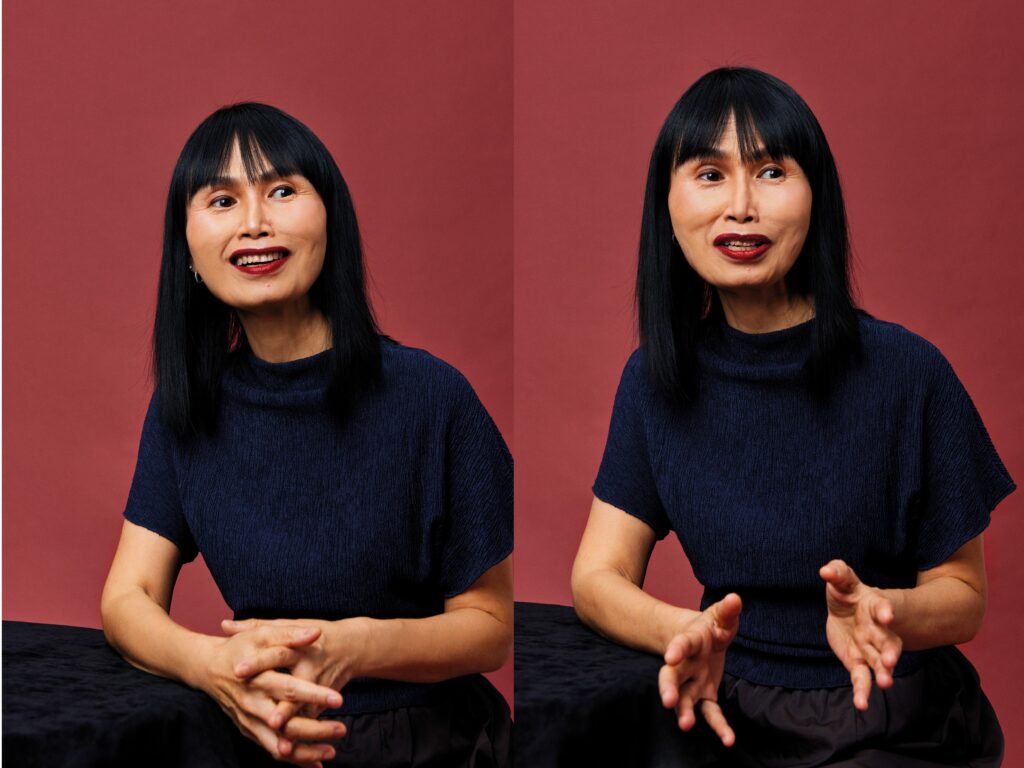
As a single mother, my living arrangement doesn’t afford me much free time. I’m out only when necessary or for events related to Genine. However, embracing my role as a caregiver also means I understand what must be done.
Over time, my children’s best interests and my aspirations for a more secure future for them have become intertwined, and my dreams have included them. In a sense, I’m already pursuing my dream.
Caleb is now 26 while Genine is 22. Although they are older, they still need assistance with their daily lives. However, I am always moved by them. Genine finds joy in the simplest of pleasures. She is content with a quiet day spent at home with her family. She never compares herself to others, and perhaps neither should we. We could all learn from Genine.
I continue to find joy in the small things as well. Joy, to me, is hearing Caleb call me “darling”, an affirmation of our bonding. It’s also having Genine lean on me while we wind down to sleep at night. It’s watching them take responsibility for their daily living by tidying the beds and helping with household chores. It’s seeing them interact with each other despite their differences.
A Selection of Genine's Art

‘Just The Way You Are’ by Genine 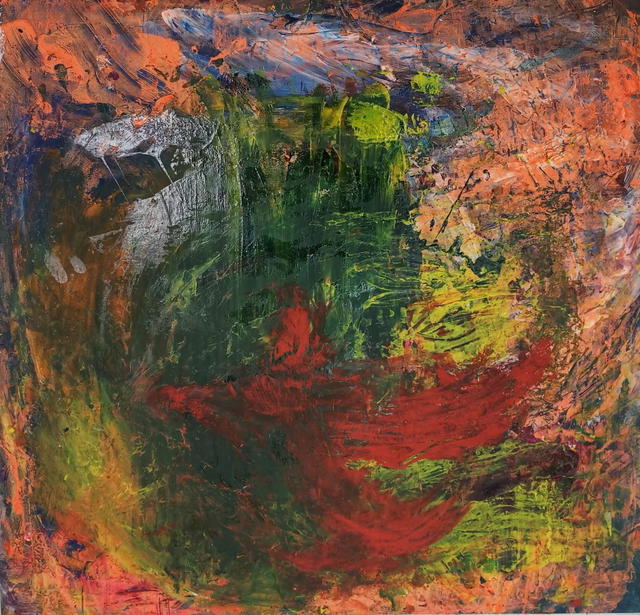
‘Light’ by Genine
Fortunately, their medical conditions have stabilised and they’ve made significant progress in their lives. Genine is an artist now. Her journey would have been impossible without Extra•Ordinary People and its Creative Lab platform. Her painting ‘Peace’ became wearable art through a collaboration between Extra•Ordinary People and local fashion brand ANS.EIN. Another, ‘Bold’, hangs at Foreword Coffee Roasters at Mediacorp Campus.
Still, there is a lot of work to be done, especially when it comes to how the public views those with special educational needs. While some might not understand them well, the more they mingle with children with special needs, the more they may see them
as normal.
As a parent, I hope my children will become accepted members of society, capable of contributing in the way they understand, and not objects of pity.
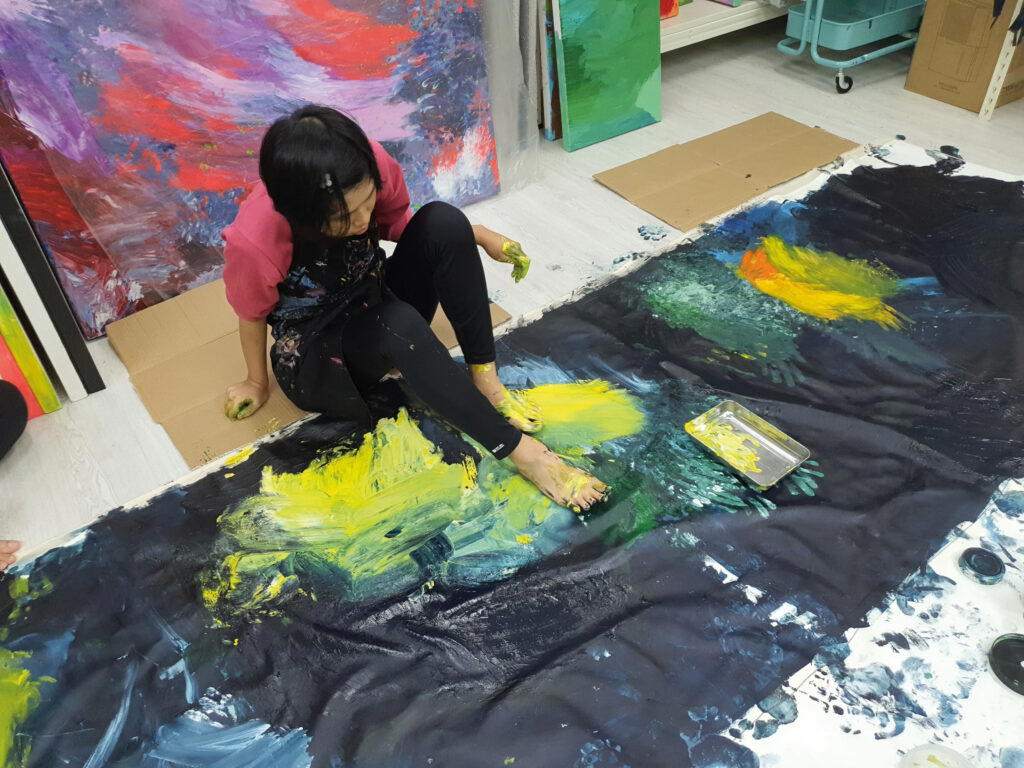
Everyone deserves to live a fulfilled life. They take longer to learn and express themselves, so patience and understanding are key. Treat them with empathy and give them the time they need. Being a part of Extra•Ordinary People has allowed me to benefit from a flexible work schedule. I also understand the work it takes for programmes to be put in place, funds that continually need to be raised to help families who aren’t able to pay for sessions, and the education of companies and members of the public.
Thanks to the organisation, people like Genine and Caleb are somewhat independent.
Many have asked me how I have found the strength to carry on. Well, when life gives you a lemon, you make lemonade. Remember to add some honey to it.
how you can help
Founded in 2017, Extra•Ordinary People is a charitable, not-for-profit organisation with Institute of Public Character status. Through community-supported initiatives, it champions inclusivity and supports Singaporeans with special needs, including those with intellectual disabilities, Down Syndrome, and autism.
Extra•Ordinary People offers opportunities to beneficiaries to discover and engage in their interests. Subsequently, it guides them in refining these interests, preparing them for potential vocational pathways that promote greater independence.
In addition, it enables young people like Genine in the post-18 age group to gain work skills and become more independent, which eases the burden on parents. This is especially important in light of the “cliff effect”, which occurs once a youth with special needs has graduated from formal education and is no longer eligible for services.
To help subsidise programme costs for its beneficiaries from low-income families, Extra•Ordinary People will be organising its annual charity gala “An Extraordinary Evening” dinner on 17 May 2024. By purchasing a dinner ticket, you will make a tangible difference in the lives of individuals with special needs in our community.
For more information, visit extraordinarypeople.sg.