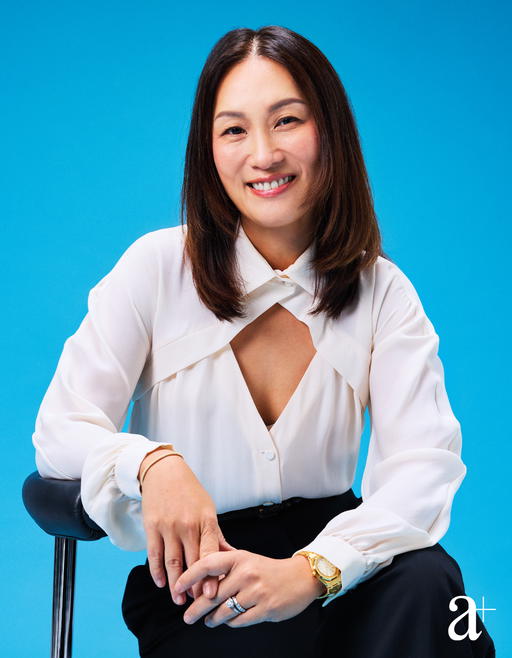
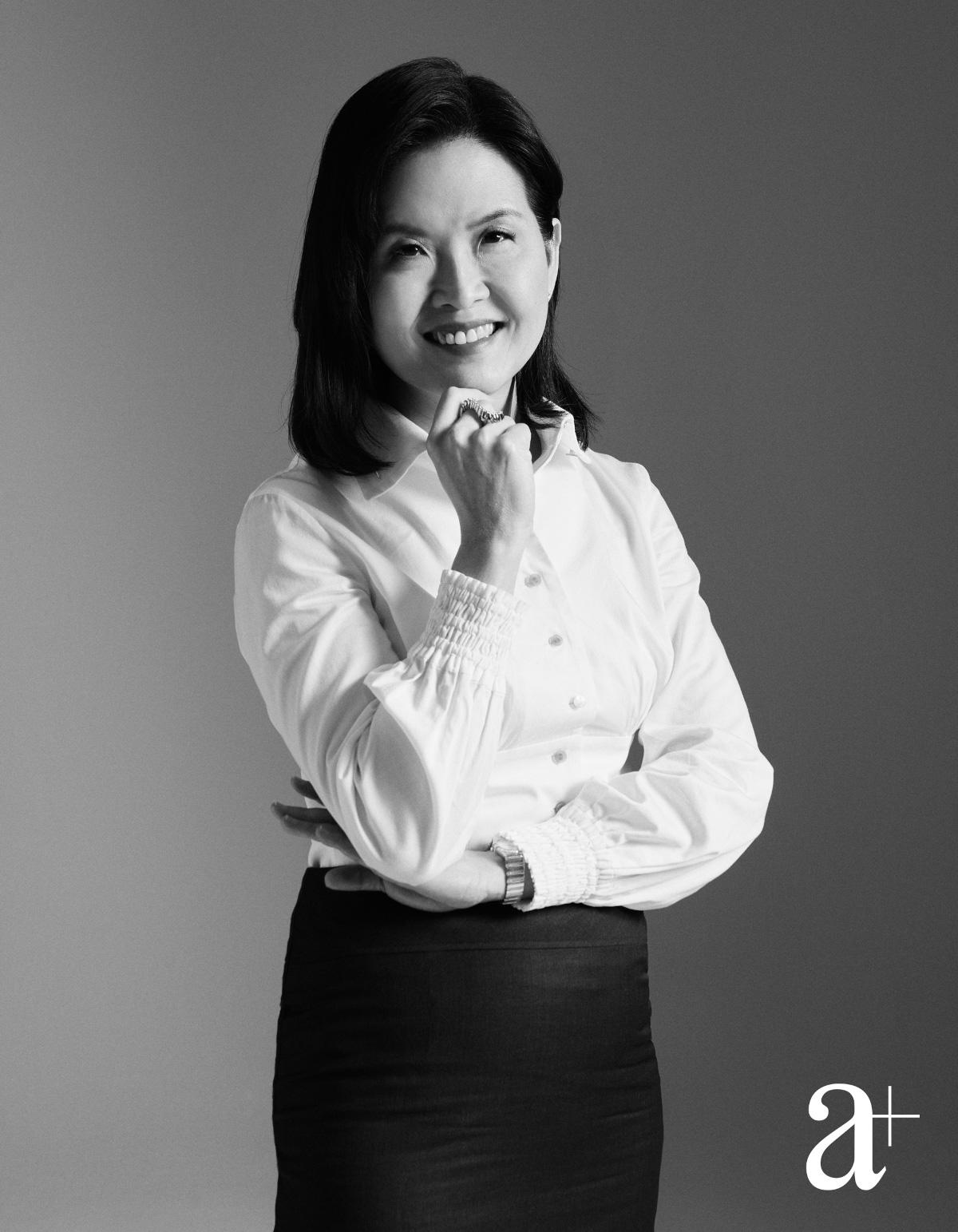
As a budding ophthalmology resident, Dr Audrey Looi found herself most fascinated by oculoplastic surgery (plastic and reconstructive surgery of the eyelids, eye sockets, and other facial structures). “No other subspecialty in the field sees the same range of disorders and surgeries like oculoplastic surgery,” she explains. She went on to serve as the head of oculoplastic service at Singapore National Eye Centre, then five years ago opened Ava Eye Clinic.
But it was her son’s degenerative eye condition that inspired her and her neurosurgeon husband Dr Ang Beng Ti to launch iC2 PrepHouse, a charity that supports children with low vision. James had been diagnosed with Stargardt disease at age eight. The rare genetic affliction occurs when fatty material builds up on the macula, the small part of the retina needed for sharp, central vision.
As its progression is highly variable, it was impossible to predict how his vision would be over time. “I could not help him in the way I could my patients. It was perhaps this feeling of helplessness that led us to combine resources and put together a remarkable team,” she recounts.
Before its inception in 2011, Looi says, Singapore’s coping strategies for children with low vision were patchy. There was limited assistive technology, mobility, and braille instruction, and no certified vision teachers to ensure appropriate oversight. Funding requests were also challenging due to the lack of robust prevalence and incidence data in the low-vision community.
Among the common conditions diagnosed in children are retinal dystrophies, cerebral visual impairments, and albinism, though retinal dystrophies account for the highest number of cases. Typically, the cases are related to family history, but some are sporadic.
To help these patients, iC2 PrepHouse introduced a formal structured programme, and made specialised assessments and customised interventions available. It is crucial to determine the age of onset, severity of visual impairment, pattern of visual loss, and progression of the condition to determine their needs.
In addition to starting a family support group, it established a school outreach programme to help students and teachers better understand a patient’s needs. Two full-time staff, one part-time staff, and seven vision teachers and assistant vision teachers currently support more than 150 children. To meet other needs such as accompanying children to appointments, reading to them, or helping to produce Braille materials, it relies on volunteers.
While Singapore has progressed in regards to inclusivity, Looi thinks there is still a long way to go. Society at large is still generally uncomfortable with disabilities of most kinds and many children are not taught how to empathise and engage with disabled people. But the gap can be narrowed by eliminating separation, she says.
“It would certainly help if we kept all children with disabilities in mainstream schools and set examples of how to interact with them.”
Dr Audrey Looi on societal support
“Of course, schoolteachers have to be willing to take on these tasks, even if it means a little more effort on their part. The Ministry of Education can support them by engaging agencies to lend guidance.”
IC2 PrepHouse is working towards setting up a low-vision registry that will provide prevalence and incidence figures and data to identify areas of need and better direct funding. A paediatric orientation and mobility (O&M) programme is also being planned to assist children with low vision to orient themselves to their surroundings.
“There are some distinctions between paediatric and adult O&M. Our vision teachers will be able to address them once their training in this area is completed.”
Art director: Ed Harland
Videographer: Alicia Chong
Photographer: Mun Kong
Photographer’s assistant: Hizuan Zailani
Hair: Michael Chiew
Makeup: Pris and Dorcas, AASTRAL Beauty