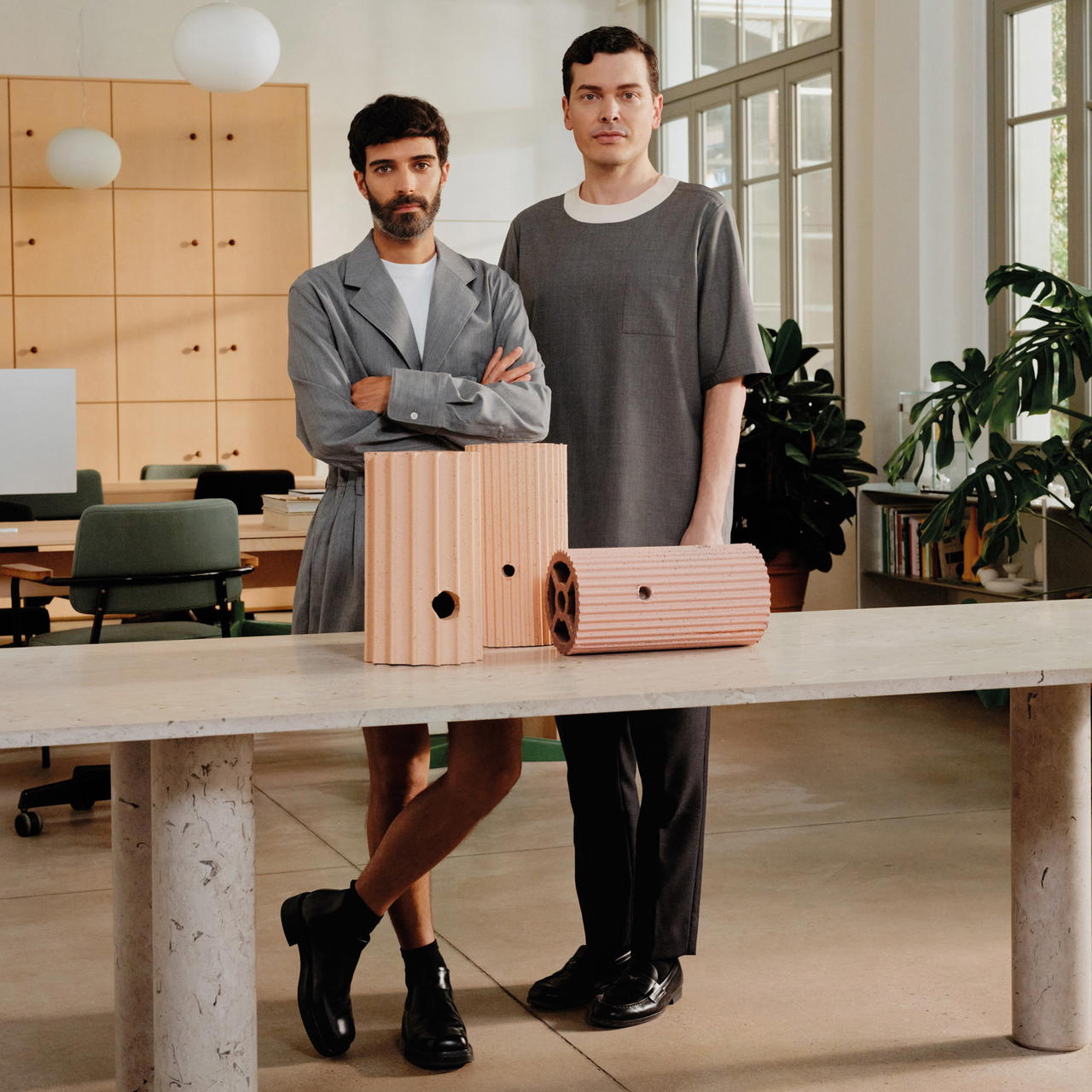
Andrea Trimarchi and Simone Farresin, the Italian designers behind Formafantasma, are renowned for their research-driven, thought-provoking approach to design. After more than a decade in the Netherlands, they recently returned to Italy.
With a practice grounded in ecological, historical, political, and social forces, they create furniture, products, and exhibitions. Their designs challenge the status quo and encourage critical reflection on our systems and environments through sustainability, material research, and life-cycle analysis. Embracing the unpredictable nature of their process, they are always surprised where their work takes them.
Farresin, born in Vicenza in 1980, and Trimarchi, born in Sicily in 1983, met as undergraduates in Florence and began collaborating immediately. The life and work partners enrolled together in the master’s programme at the renowned Design Academy Eindhoven in the Netherlands, where they now lead the school’s geo-design department.
Form results from dialogue and process, which is why exchanging and verbalising ideas between them is essential. “Because we are two, we design primarily through words and conversations,” notes Farresin.
“We then open up these conversations to other people in the office, talking about ideas, what we find interesting or irritating about a subject, and realising what interests us. Conversation is our starting point. We’re not the kind of designers who sit down and wait for inspiration and design along forms and sketches.”
Having founded their studio in 2009, the duo first gained attention after their graduation project, Moulding Tradition. It demonstrated that the Moors largely imported the tradition of ceramics in Europe, and that 10 centuries later, those who had brought their cultural heritage to Sicily were returning as refugees. In the years since, they have collaborated with Fendi, Prada, Max Mara, Hermès, Bulgari, Tiffany & Co., Cassina, Flos, Established & Sons, and Lexus.
Formafantasma distinguished itself from its beginnings by its uncompromising design approach. Farresin describes his practice as research-based, contextual, and challenging cliches. “We also have a deep interest in ecology. The other important aspect is to look historically at how things have evolved because looking back is a very good way of understanding why things are the way they are in the present time.”
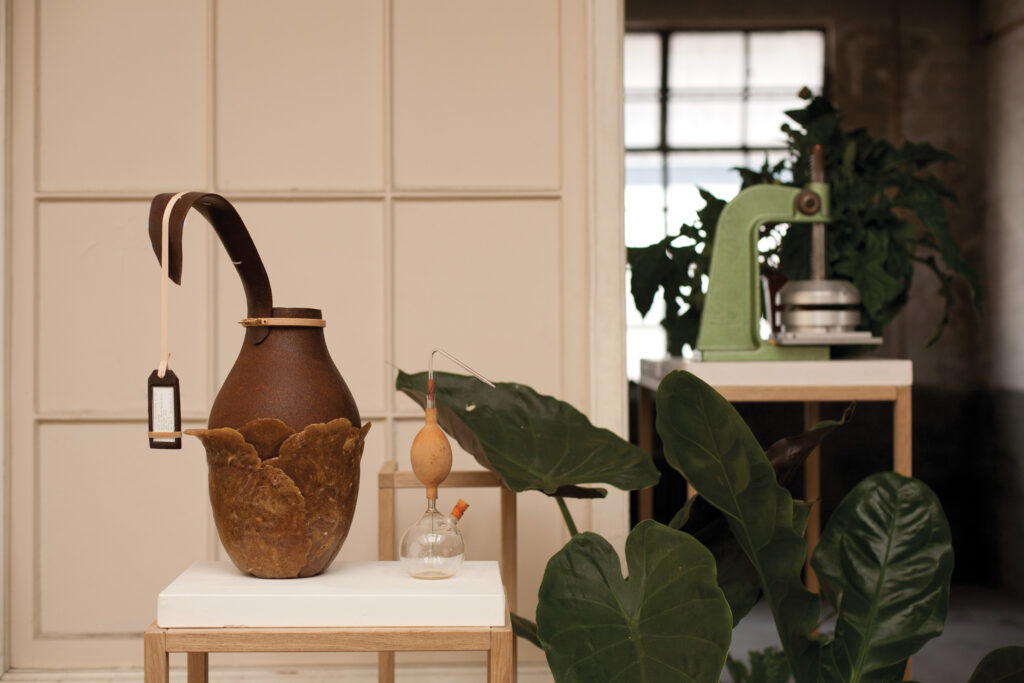
One of its hallmarks is the innovative use of materials, often exploring unconventional or overlooked materials and letting them speak for themselves. It consistently challenges traditional material hierarchies, from volcanic ash to recycled electronics to forest ecosystems.
“Often, people don’t know how materials are extracted, processed, and become the finished product we have in our houses,” explains Farresin. “Our work investigates this process because understanding it can inspire new design methods. We’re also drawn to materials for their emotional resonance.”
By transforming these materials into functional, carefully considered objects, Formafantasma raised important questions about consumption, waste and the life cycle of technology.
Botanica, the partners’ breakthrough project, was designed as if oil had never existed. Taking on the role of historians, their research on the pre-Bakelite period revealed surprising textures, sensations, and technical possibilities offered by natural plant and animal polymers.
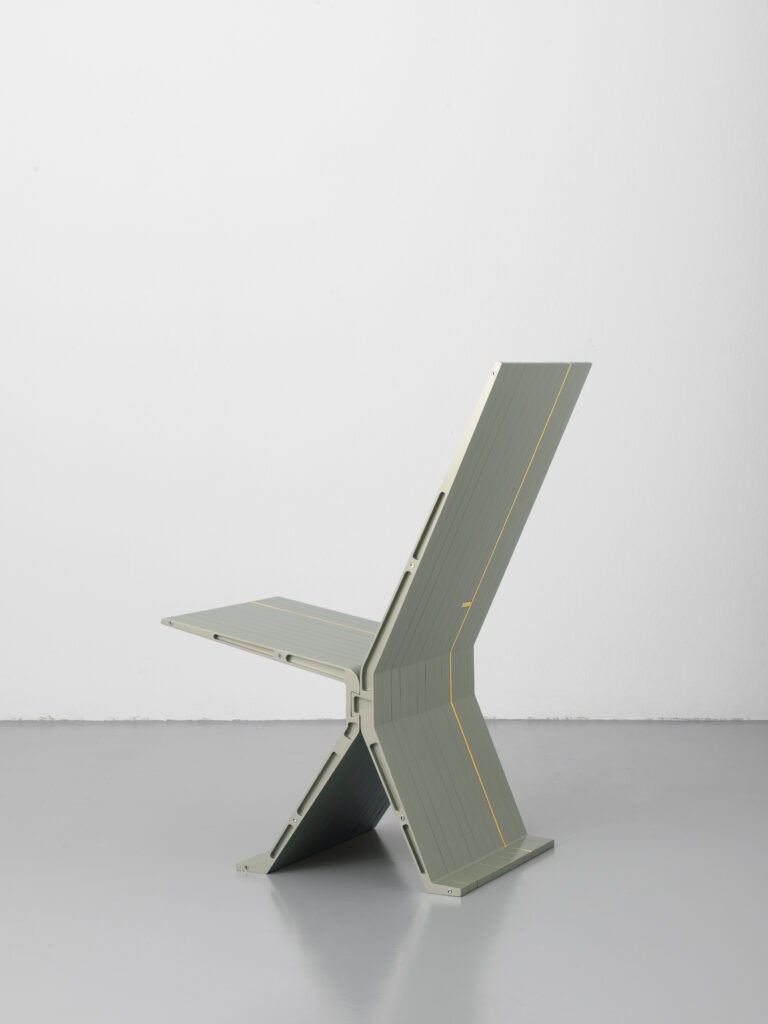
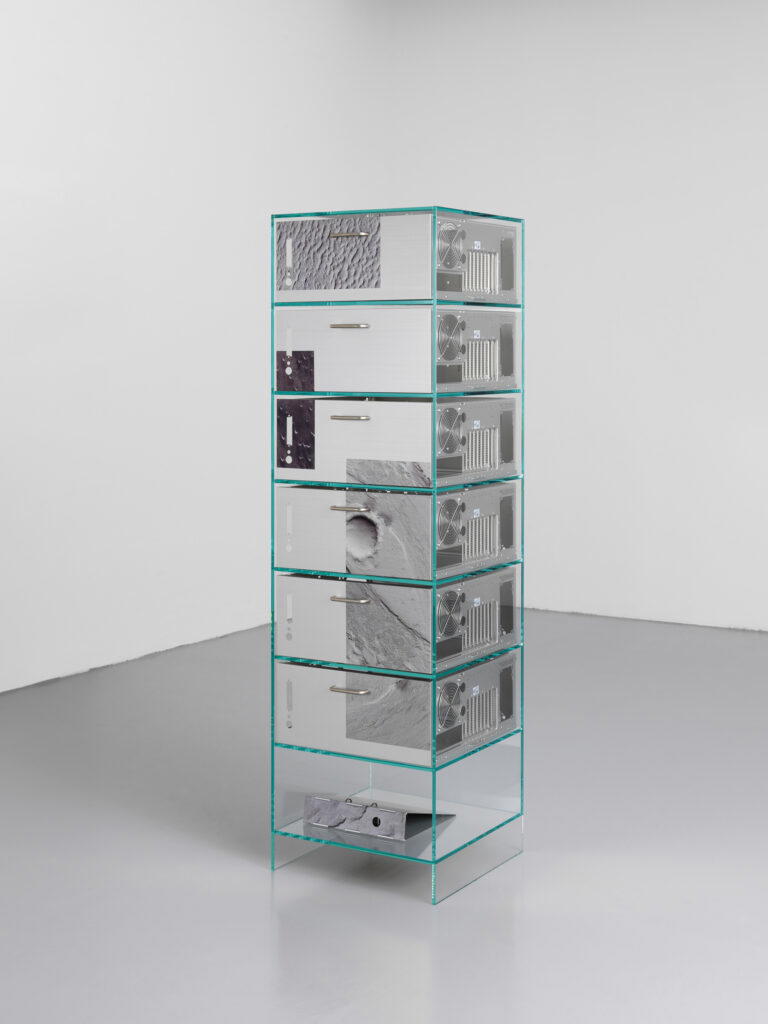
In 2017, Formafantasma’s Ore Streams used obsolete electronics such as discarded iPhones and computers to produce furniture that raised awareness about the environmental impact of electronic waste. In transforming these materials into functional, carefully considered objects, the company raised important questions about consumption, waste, and the life cycle of technology.
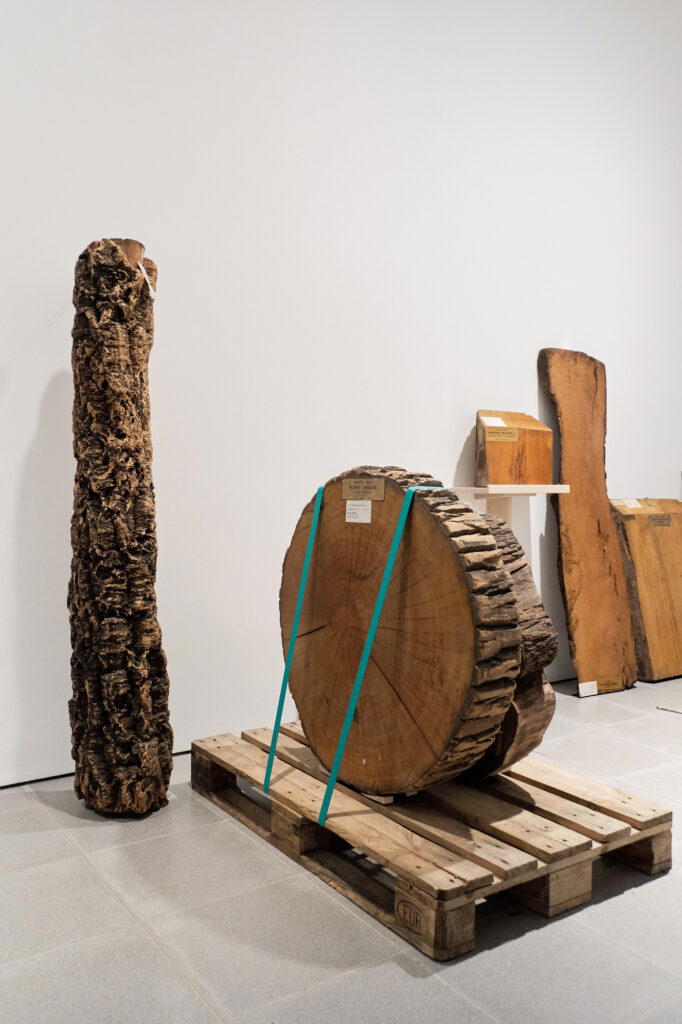
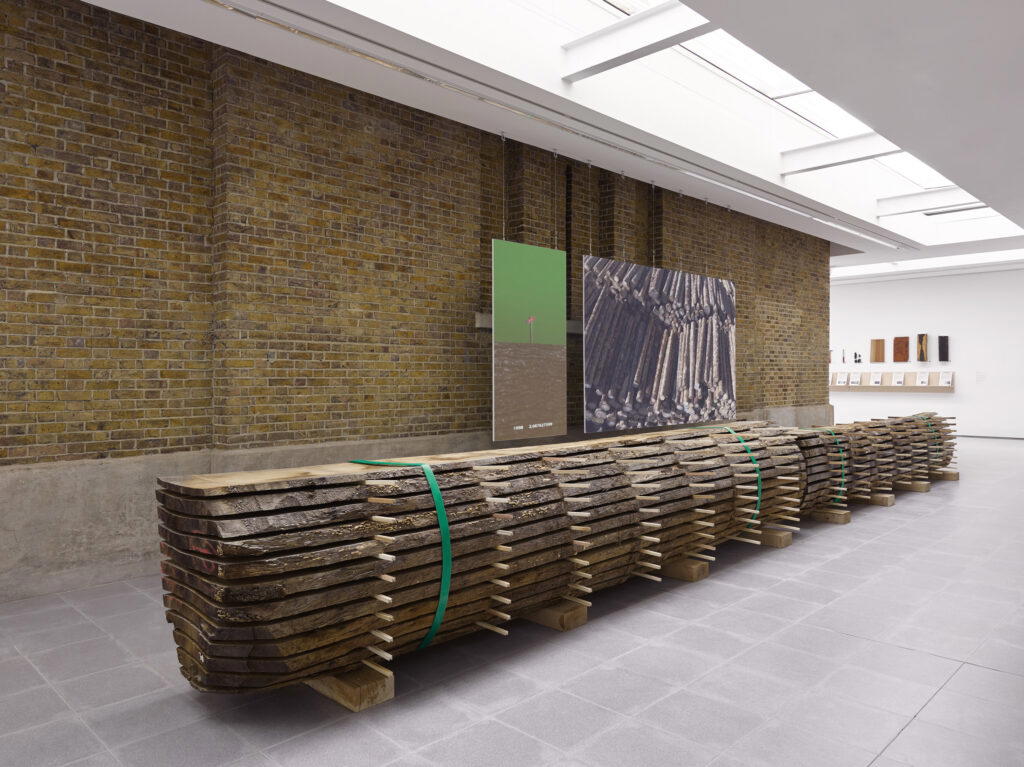
Presented at London’s Serpentine Galleries in 2020, the “Cambio” exhibition explored the complex relationship between humans, trees, and the timber industry. Through an exploration of how wood is harvested and used, it highlighted the often hidden systems behind this seemingly simple material.
As a result of innovative installations and in-depth research, Cambio provoked viewers to reflect on the ecological and ethical implications of the timber trade, the politics of international agreements regulating it, and the broader impacts of human activity on forests.
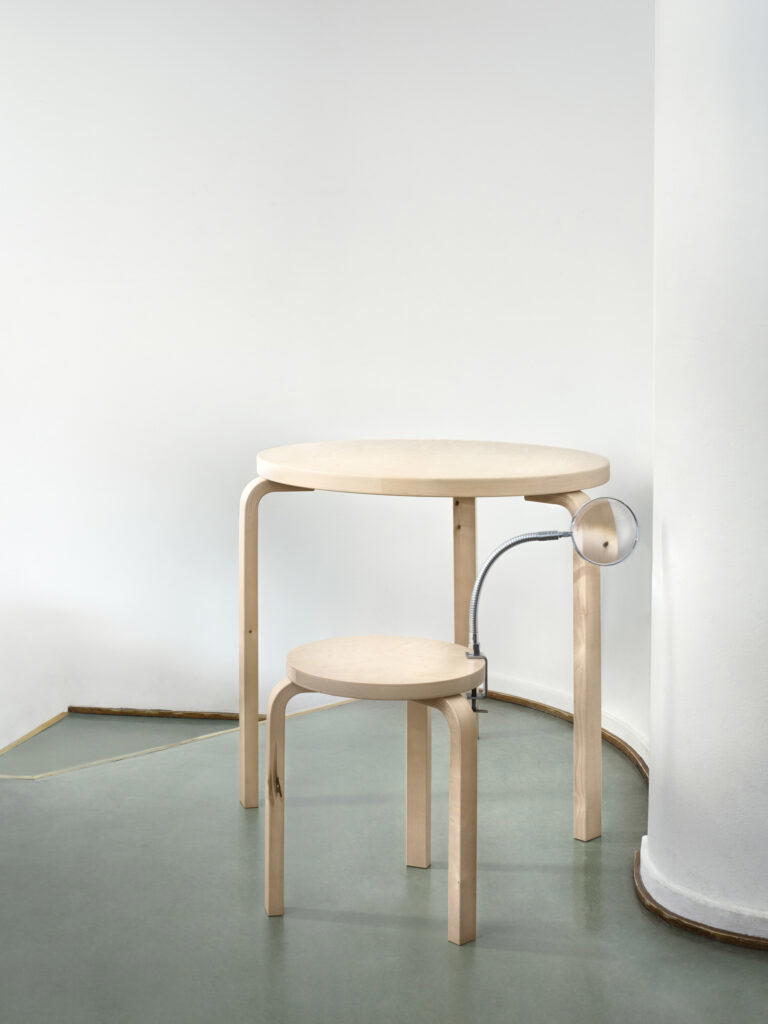
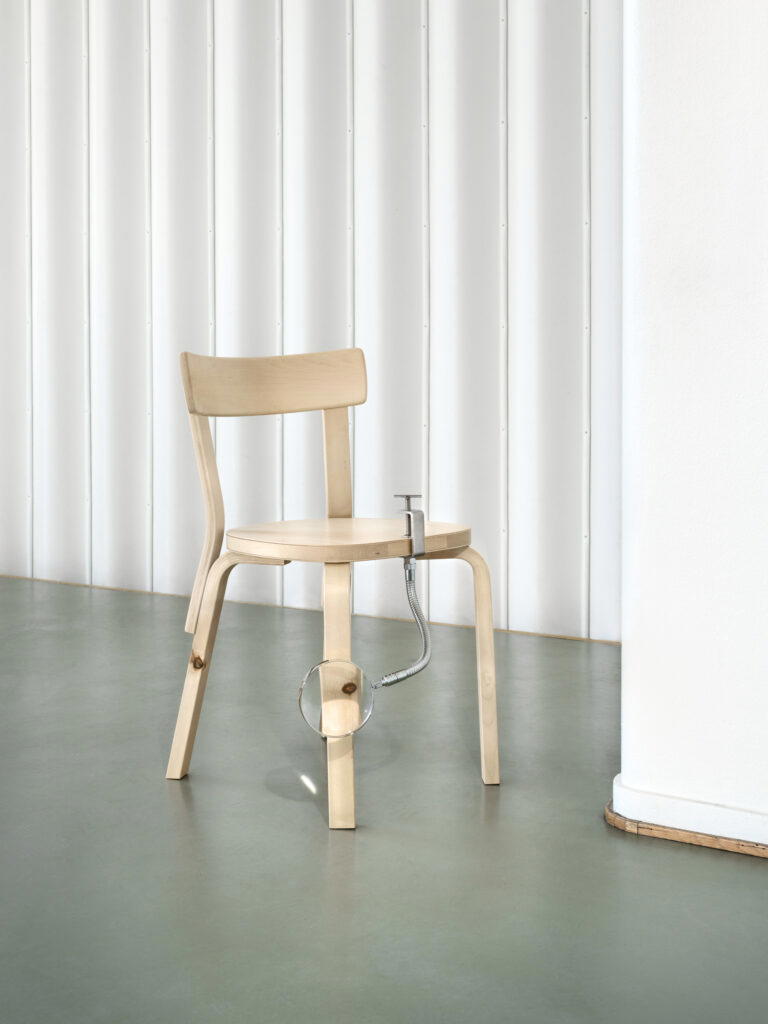
Artek, the furniture company founded by Alvar and Aino Aalto, approached Trimarchi and Farresin after it experienced Cambio. With a shared interest in Finnish forests, Formafantasma explored Artek’s supply chain rather than focusing on one product.
In introducing the Forest Collection, they challenged Artek’s strict wood selection criteria and demonstrated the impact of climate change and industrialisation on forests. The result was the introduction of wild birch, a broader wood selection now included in Artek’s collection.
While Formafantasma creates functional and visually compelling designs, it resists the cult of the object that dominates much of the design world. Rather than making objects for objects’ sake, it uses design to explore and address broader social, political, and environmental issues. It does this by establishing long-term relationships with companies it works with.
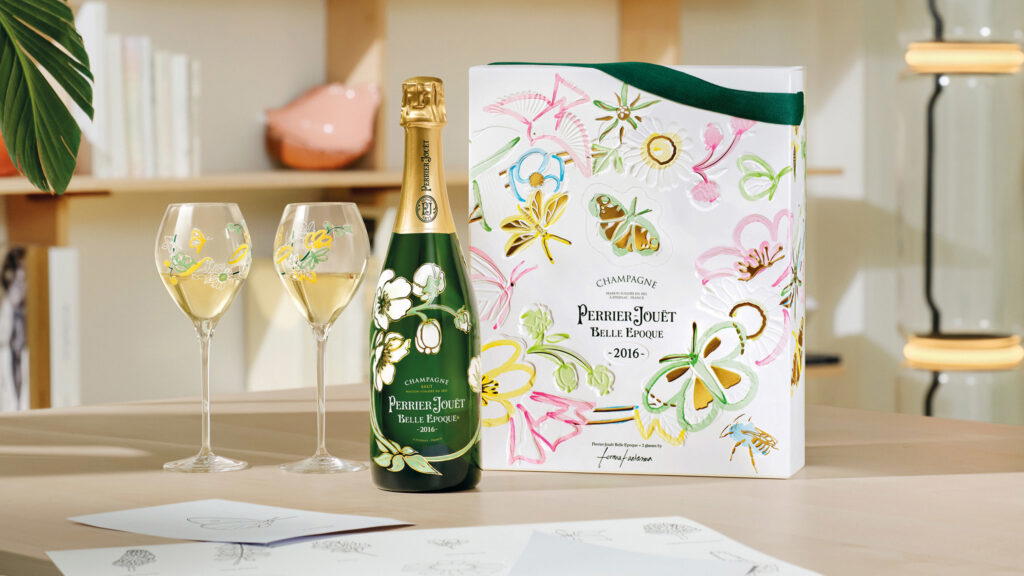
Farresin highlights their collaboration with Perrier-Jouët as a prime example, noting that while the partnership began last year, its full development requires time for deeper investigation. “It was important to explore the context in which we are working—specifically, the champagne fields—to better understand biodiversity and how our design could positively impact this highly cultivated environment for both humans and other species,” he says.
The project includes a field intervention that supports pollinators, bees, and birds and creates a space for residencies, debates, and student gatherings. Last September, for example, Formafantasma introduced Biodiversity Island in Perrier-Jouët’s Agusons vineyard. The installation’s 74 modular terracotta columns serve as habitats for insects, birds, and bats, inviting visitors to consider the connection between nature and human activity.
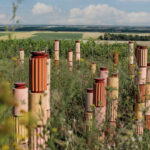
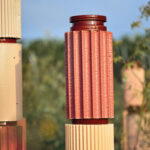
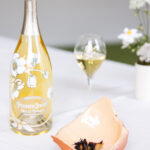
Working with Perrier-Jouët’s scientific committee of landscape experts, biologists and ethologists to understand animal behaviours, their project marked a new chapter in the duo’s ongoing exploration of the intersection between design, ecology and industry, demonstrating the vital role that biodiversity plays in winemaking. “It’s about the idea of explaining that you can still cultivate the land and have a fantastic wine without the need to remove other species,” states Farresin. “Not all species are threatened by the cultivation of grapes.”
Perrier-Jouët drives its commitment to regenerative viticulture by planting trees, hedges, and beehives while eliminating herbicides. The maison has already converted 28ha and aims to transition its entire vineyard to regenerative practices by 2030.
Formafantasma even created wooden sound sculptures featuring recordings of the local ecosystem by composer David Monacchi for the initiative. These will tour international art fairs with Perrier-Jouët’s Banquet of Nature. Looking ahead, Formafantasma will also transform an abandoned grange and observatory tower into education and conservation spaces under the Cohabitare project.
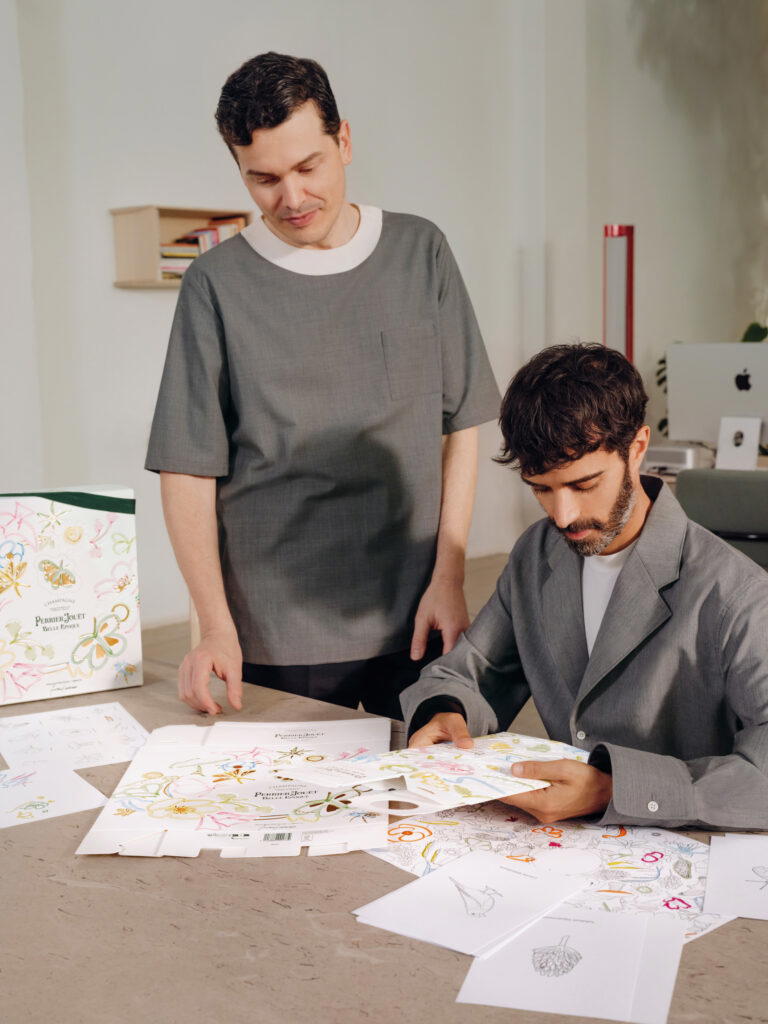
As Formafantasma looks to the future, the partners’ vision for design remains as expansive and socially conscious as ever. By establishing their practice in Milan, the capital of European design, they will continue to push the boundaries of design to critique and reimagine the systems that govern our lives.
Their blend of research, material exploration, and social advocacy provides an intellectually rigorous and ecologically responsible model for the future of design. Through ongoing collaborations and projects, Trimarchi and Farresin continue to demonstrate that design can be a powerful force for change, capable of shaping a more sustainable and equitable future.