A walking tour around the Chinatown area sounds like the most banal tourist experience. With speakers hanging around our necks as we stand in a large circle around an enthusiastic guide, the looks of those walking past are laced with confusion. But this is no ordinary walking tour straight out of a travel guide. Instead, we’re learning about kueh.
The team at Indie Singapore Tours is known for their range of food and art tours offering unique explorations of well-known areas, like Chinatown, Tiong Bahru and Little India. With the promise of a delightful array of kueh and whiskeys, they have partnered with Furama City Centre as the venue for the pairing session, as well as INTERCO-MLE that curates spirits from independent distilleries.
The tour starts with visits to some of Chinatown’s best local bakeries that make traditional kueh, curated by the team at Indie to include old businesses of the 1930s — like Tong Heng on South Bridge Road and Poh Guan Cake House sitting on Upper Cross Street — and newer businesses such as Jin Xiang Confectionery on Victoria Street that opened in 1988. The diamond egg tart, the chi kak kueh and the ang ku kueh that are served later on come from each of these shops respectively.
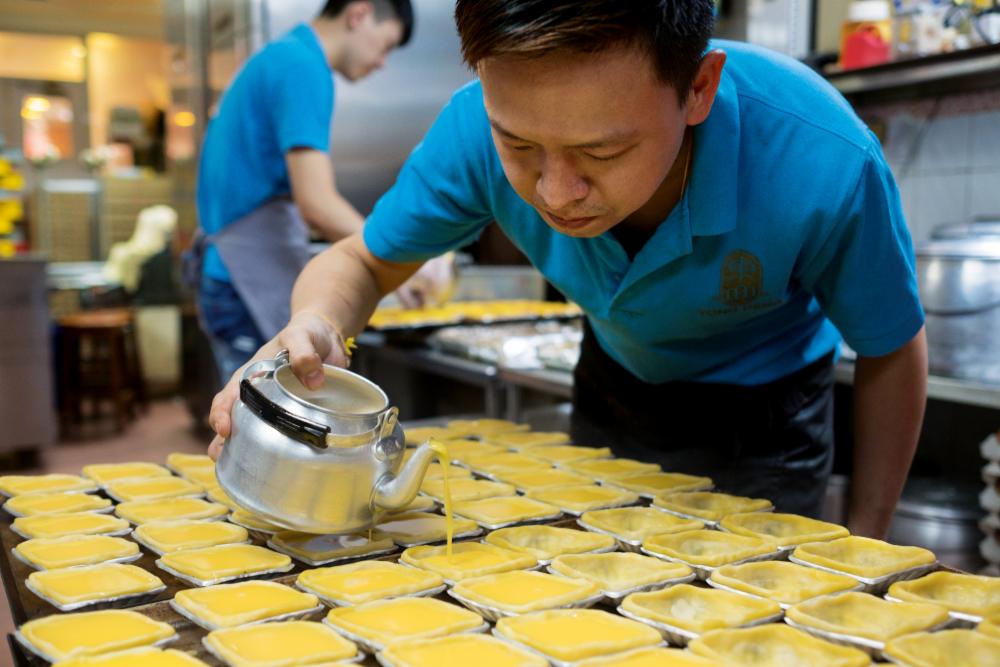
Eating kueh is a quintessential part of living in Singapore, though traditional kueh has become less prominent in favour of its contemporary counterparts found in larger bakery chains or mass-produced for supermarkets. The tour plays on nostalgia by focusing on the history of Chinatown’s kueh shops, including those that have been lost to modernity and gentrification despite previous eminence. Wei from Indie’s team guides the tour, sharing information and stories about the shops — from their inception to their evolution across the decades — and the Chinatown area.
An hour of walking leads guests to the dining area in Furama, where everyone is seated in front of plates lined with different types of kueh from the shops mentioned on the tour, facing sets of glasses filled with various types of whiskies.
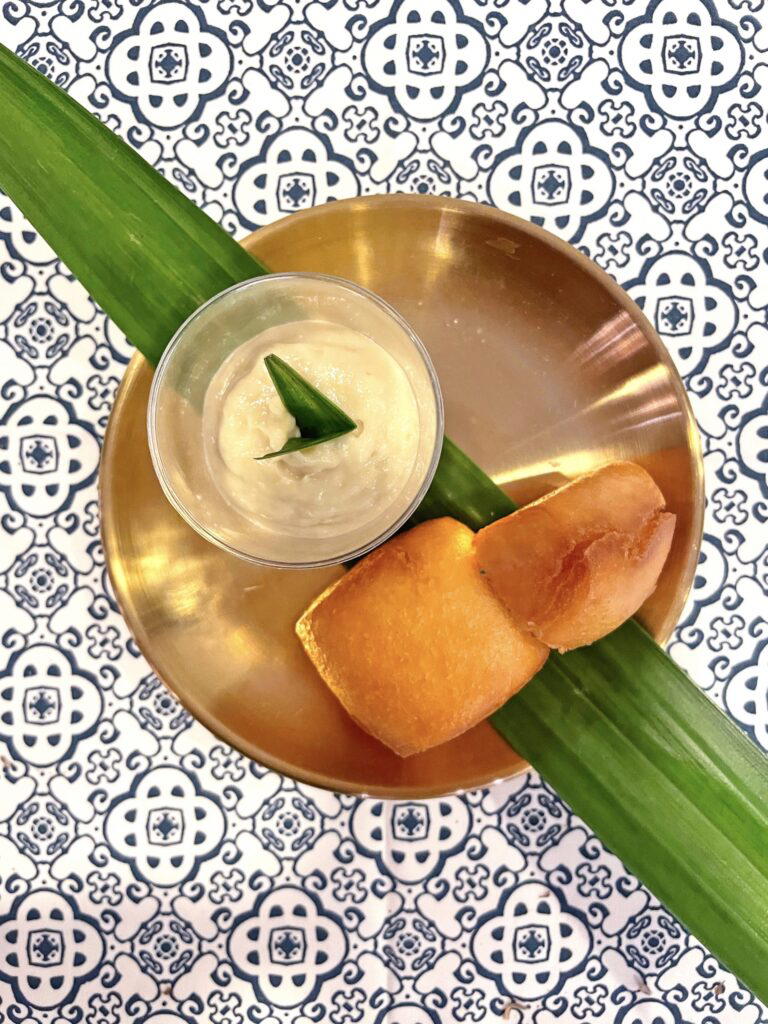
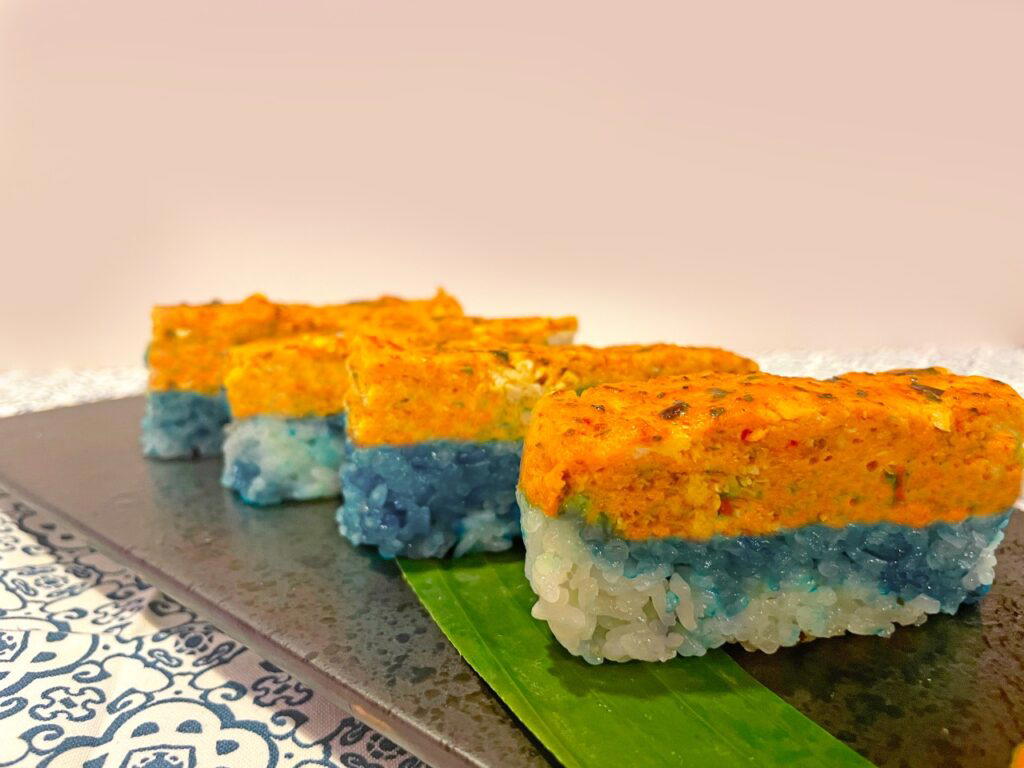
Doubts about the pairing abound, since whisky and kueh make for an atypical combination, unheard of to most at the table. An introduction to the whiskies offered suggestions about suitable pairings, but guests are left to their own judgements about flavour compatibilities.
Given that the kuehs are made by some of the best in the business, the quality is inimitable. Among the traditional kuehs served, Jin Xiang’s ang ku kueh — made with peanuts and corn — and Tong Heng’s signature egg tart were some of our favourites.
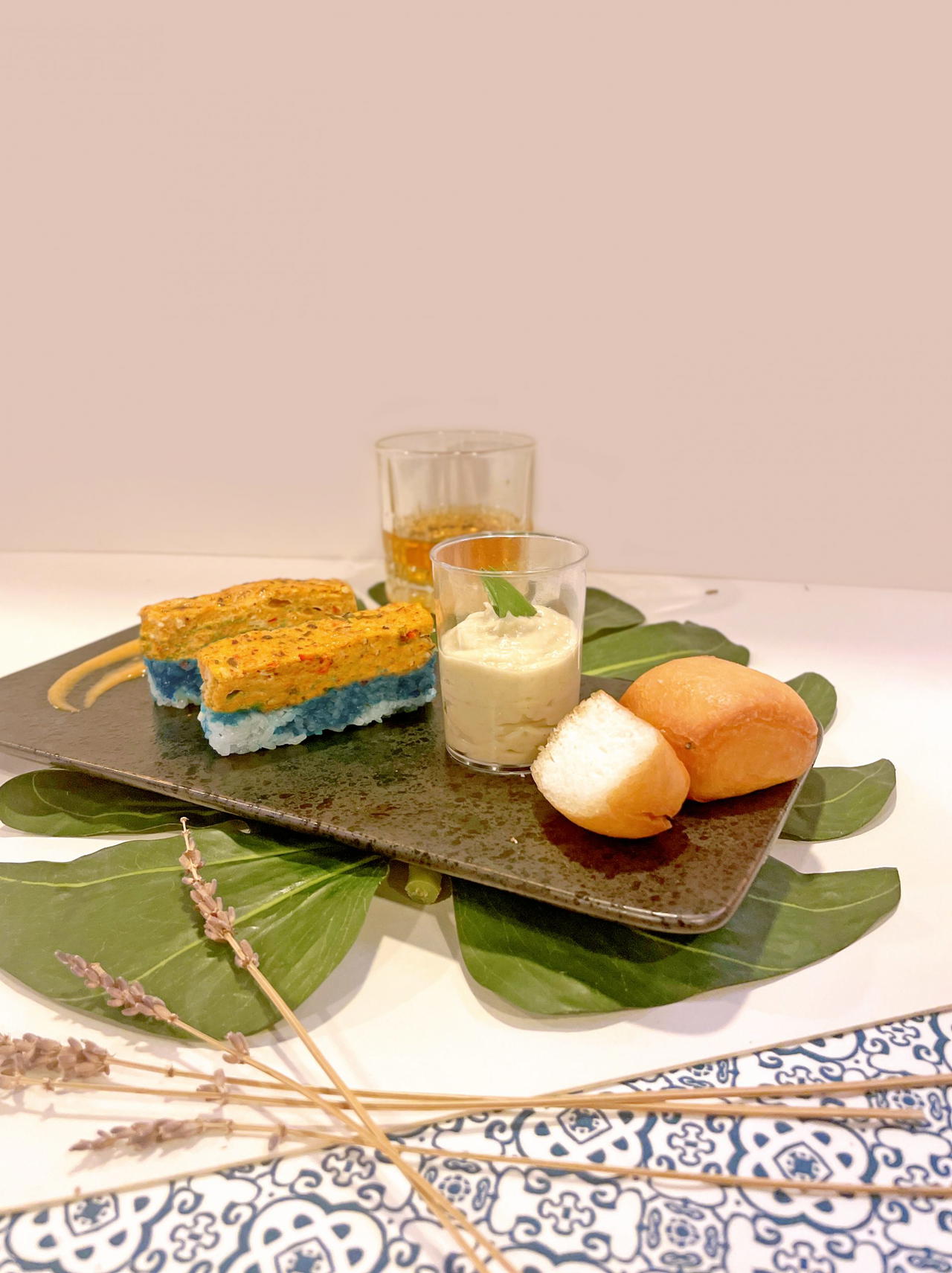
Two of the kuehs served — the laksa kueh salat and the durian pengat served with mantou — are made at Furama. The durian pengat was better suited to the stronger whiskies than others because of its own bold flavours. We were very partial to the laksa kueh salat, which creatively combines the flavours of two familiar local favourites while preserving the essence of the original kueh.
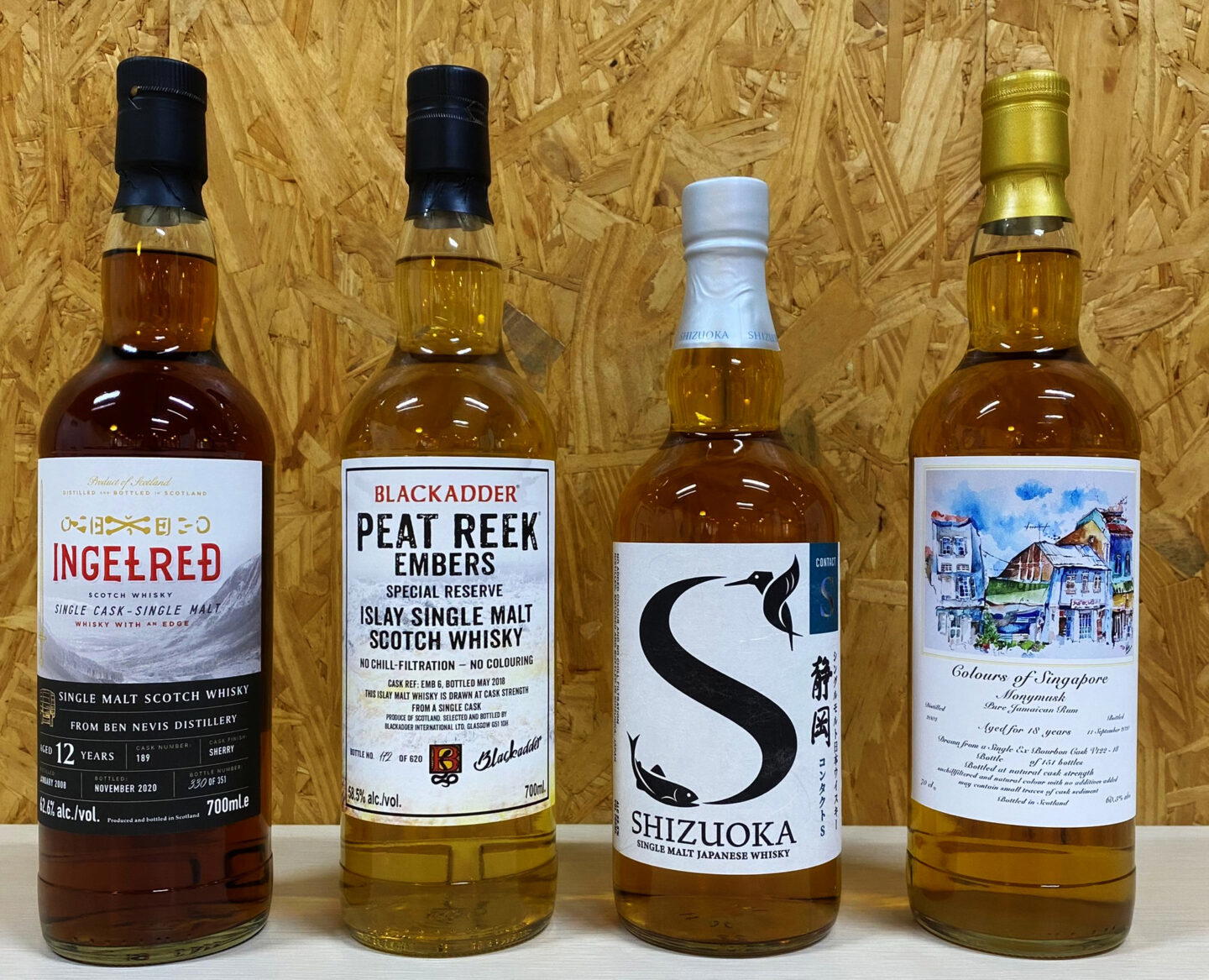
For whisky novices like myself, pairing the different types of kueh with the drink offerings can be slightly challenging at first, but upon figuring out what suits your palate it is a fascinating experience. We found the Contact S with its floral notes and Peat Reek with a vibrant citrus flavour — Japanese and Scottish whiskies respectively — to be most suited to the kuehs.
The highlight of the experience is its accessibility. The selection offered, especially after the aforementioned history lesson, is enough to invoke a deeper interest in trying lesser-known kuehs. Take it from someone whose kueh of choice is the basic kueh lapis.
The tour itself is undoubtedly interesting, giving guests an insight into Chinatown’s history with kueh at its centre. Our take is that unless you’re particularly averse to whisky, it is a creative alternative to savouring kueh with a hot drink in hand. Although it’s in the name, we would welcome more drink options, and it does seem like things might change to accommodate a wider range of proclivities given how new the tour is.
With such a focus on innovation, contemporary spins on traditional food are more popular than ever. The declining popularity of intricate, traditional kuehs is a result of society’s perennially changing palates and the laborious processes that people have become averse to. It’s refreshing to see an experience that celebrates kueh as an integral part of heritage cuisine in Singapore in both its authentic and modern forms, and is perhaps a much-needed opportunity to rekindle an appreciation for traditional kueh.