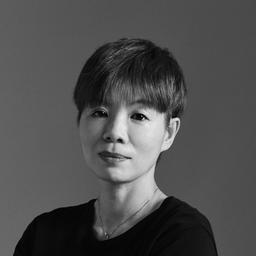
Conversations with Ida Ng begin with questions. “What do you see here?” she asks, turning to the painting behind her in the Helutrans meeting room. Yunizar’s ‘Di Selah Selah Gunung’ features two yellow mounds plastered against a mass of black.
“My colleagues have suggested all sorts of things, including a bra. They asked me to explain what I liked about it but I couldn’t! That’s what’s so appealing about art. The artist’s intention doesn’t matter to anyone anymore. It’s about what people see beyond the work and how they react to it.”
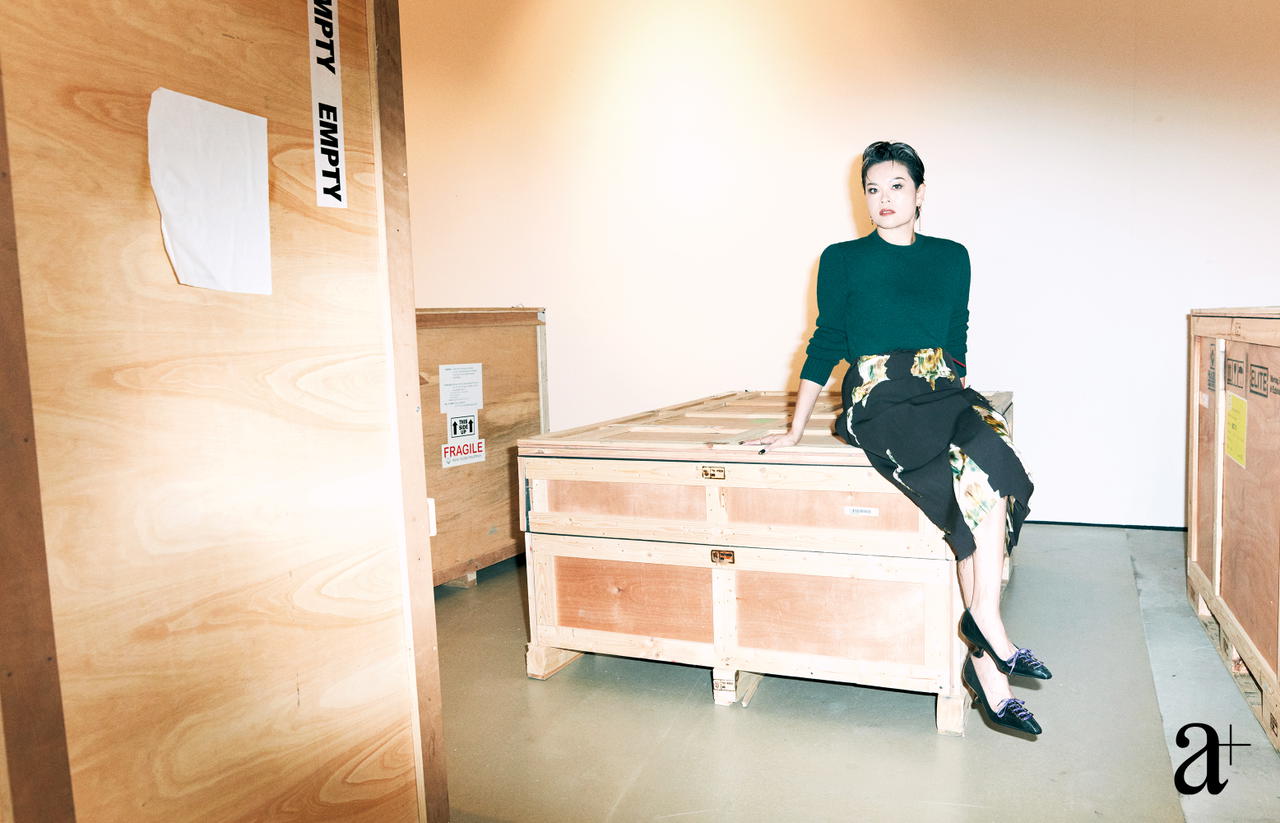
Ng may not know why she’s drawn to a painting, but she knows how to get it safely across the world. The CEO of Art Move at Helutrans, which she co-founded in 1996, oversees one of Asia’s leading fine art logistics, shipping and storage providers. The company has more than 300 staff across offices in Singapore, Hong Kong, Beijing, Shanghai, Bangkok, and Yogyakarta.
Born and raised in Hong Kong, Ng chose to study art at O Level because she thought it would be something she didn’t have to study. She quickly realised she was not good at drawing or sculpting. Then she enrolled in the studio arts degree programme at Indiana University Bloomington in the US, planning to get a job as a graphic designer after graduating.
In her junior year, while taking an art history module, she became fascinated with the relationship between history and art. Her next step was to earn her master’s in arts administration at the university. She envisioned working in a museum. “I like museums because of the serene environment, and there’s lots to see inside. Indiana University Bloomington has a beautiful Sidney and Lois Eskenazi Museum of Art, designed by IM Pei no less.”
a CUSTODIAN of craftsmanship
Her training continues to inform her work at Helutrans. “I wasn’t simply looking at an artwork as something that had to be moved from point A to point B. Instead, I thought about what it was made of, how the artist intended it to be experienced, what could compromise it, and what our responsibilities were as custodians,” says Ng. In 2023, she was elected Chairperson of Icefat (International Convention of Exhibition and Fine Art Transporters), becoming the first Asian and female to assume the role.
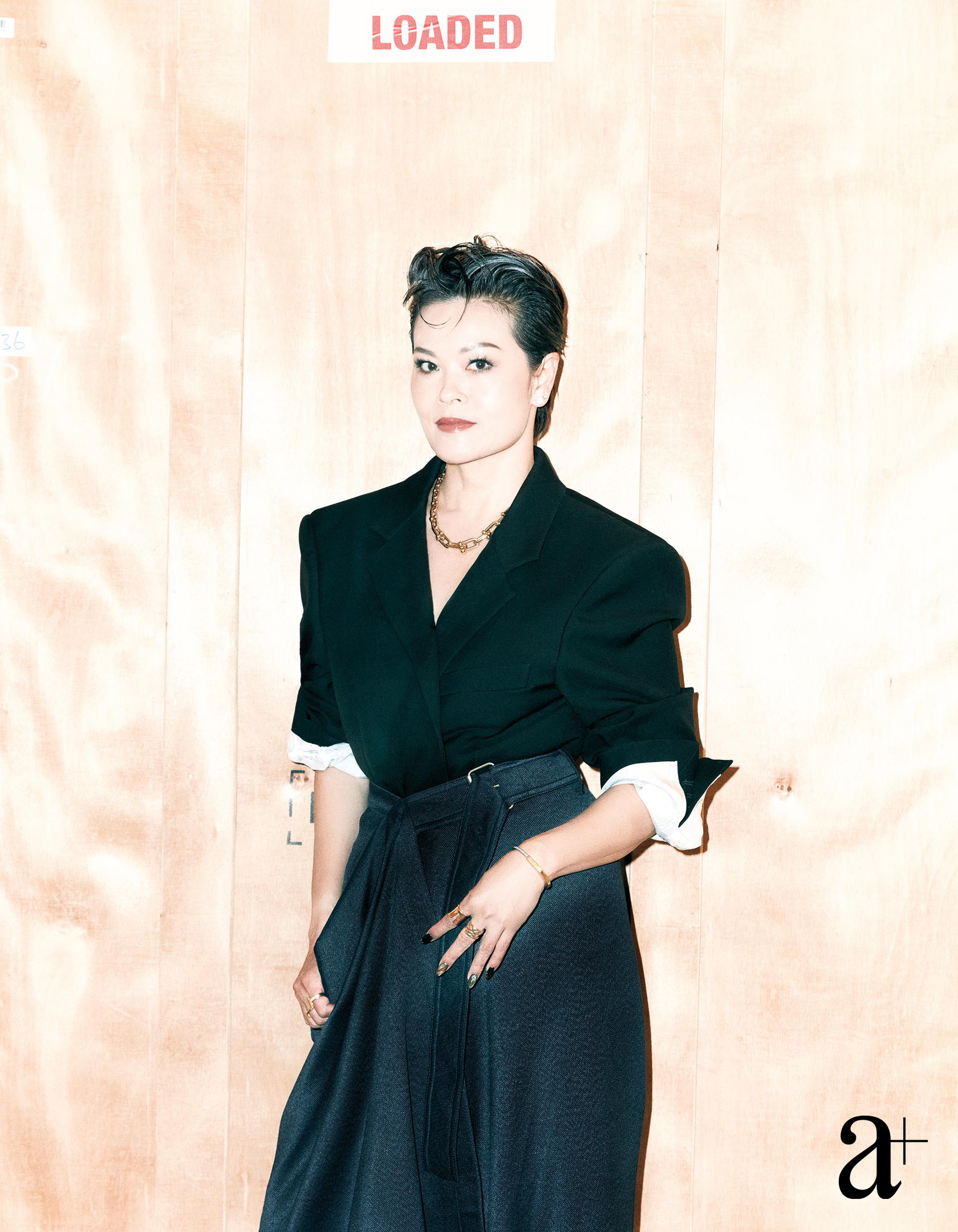
“Art history taught me to understand context—why an artwork matters, and where it sits in an artist’s practice and in history. I learnt to respect materials and the physical process of making through studio arts. By working with materials myself, I became much more conscious of how fragile, unpredictable, or technically demanding an artwork can be.”
Art Move at Helutrans was founded at a time when Singapore was making its move into the arts. In January 1996, the Singapore Art Museum (SAM) opened, bringing contemporary art from across Asia into a wider global context. In October of the same year, Sotheby’s held its first auction of Southeast Asian paintings here. Art Move at Helutrans took on the responsibility of getting art where it had to go as more art was shown and sold.
“When we started, the art logistics industry here was still very young. There was no established formula for many of the things we were asked to do. Our clients’ needs became more complex as the Asian art scene became more sophisticated.”
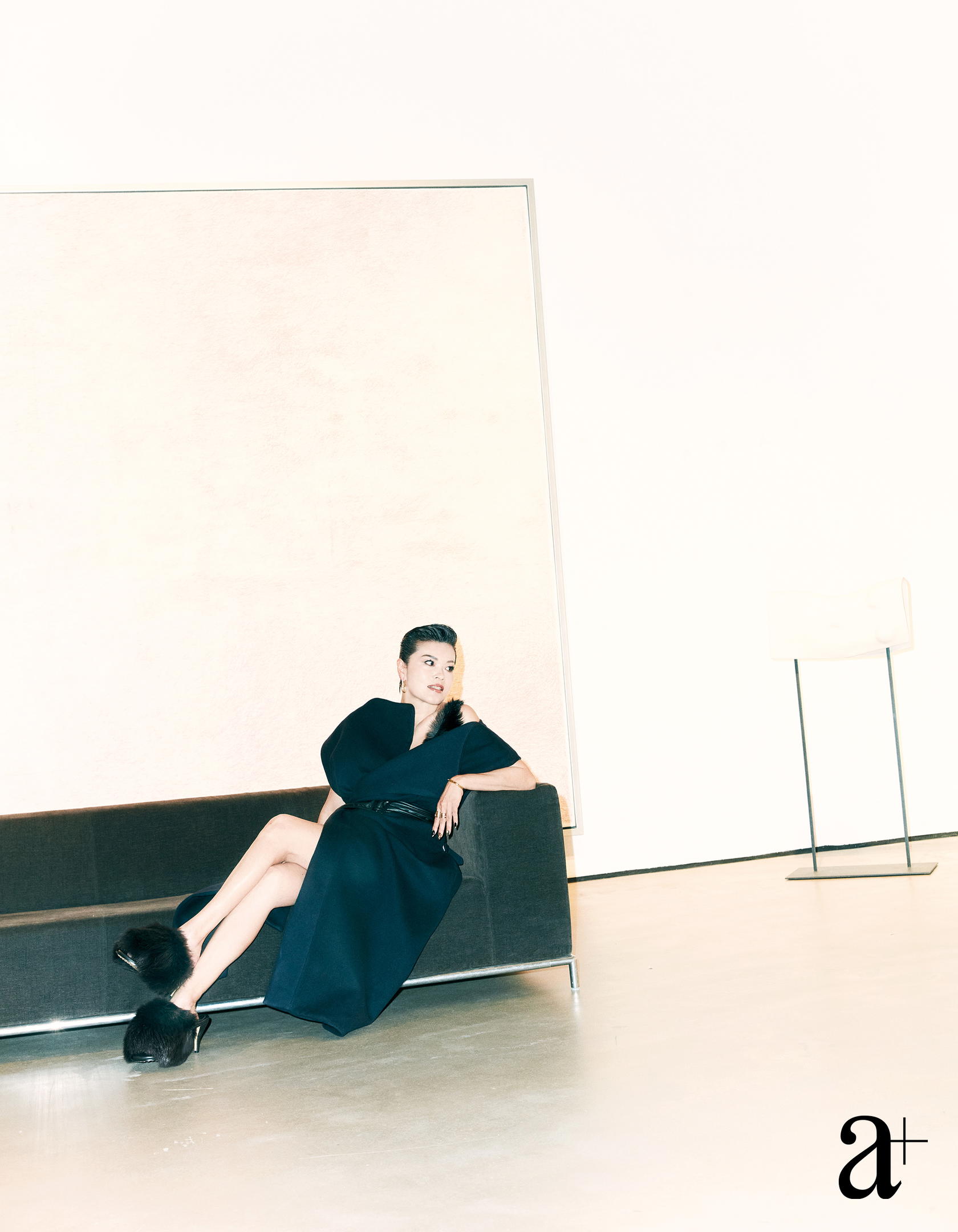
Says Ng, “Galleries expanded, museums became more ambitious, international art fairs arrived, collectors became more active, and artworks themselves became larger, more fragile and more technically demanding. In the process, we learnt a lot about the ecosystem itself. Transportation and handling gradually expanded into packing and crating, storage, installation, viewing rooms, and other specialist services.”
Dick Chia, owner of Helutrans, met Ida while she was working at a French gallery, a client of his company. He was impressed by her art background and introduced her to the world of art handling. “I learnt how to see art and talk about it from her. Her meticulous standards led us to become a specialist in fine art logistics,” he says. “She demonstrated this in her conversations with museums, galleries, and collectors. Her understanding of their perspective gave them confidence in Helutrans. The business grew because of that trust.”
Ng even took to the physical work. “My biggest surprise was seeing her down on her knees,” he continues, “packing artworks alongside me.”
In 2004, about two months before “Botero In Singapore: Monumental Sculpture And Painting”—the Colombian artist’s first solo show in Asia—opened at SAM, Helutrans offered a preview of 17 of his bronze sculptures at its warehouse. More than 800 people attended.
“There was no air-conditioning in the warehouse, so we relied on industrial fans,” Ng recalls with a smile. “People sweated like mad, including several ambassadors wearing suits, enjoying wine and champagne. After that, we thought, ‘Wow! People will travel to an unglamorous place to see good art.”
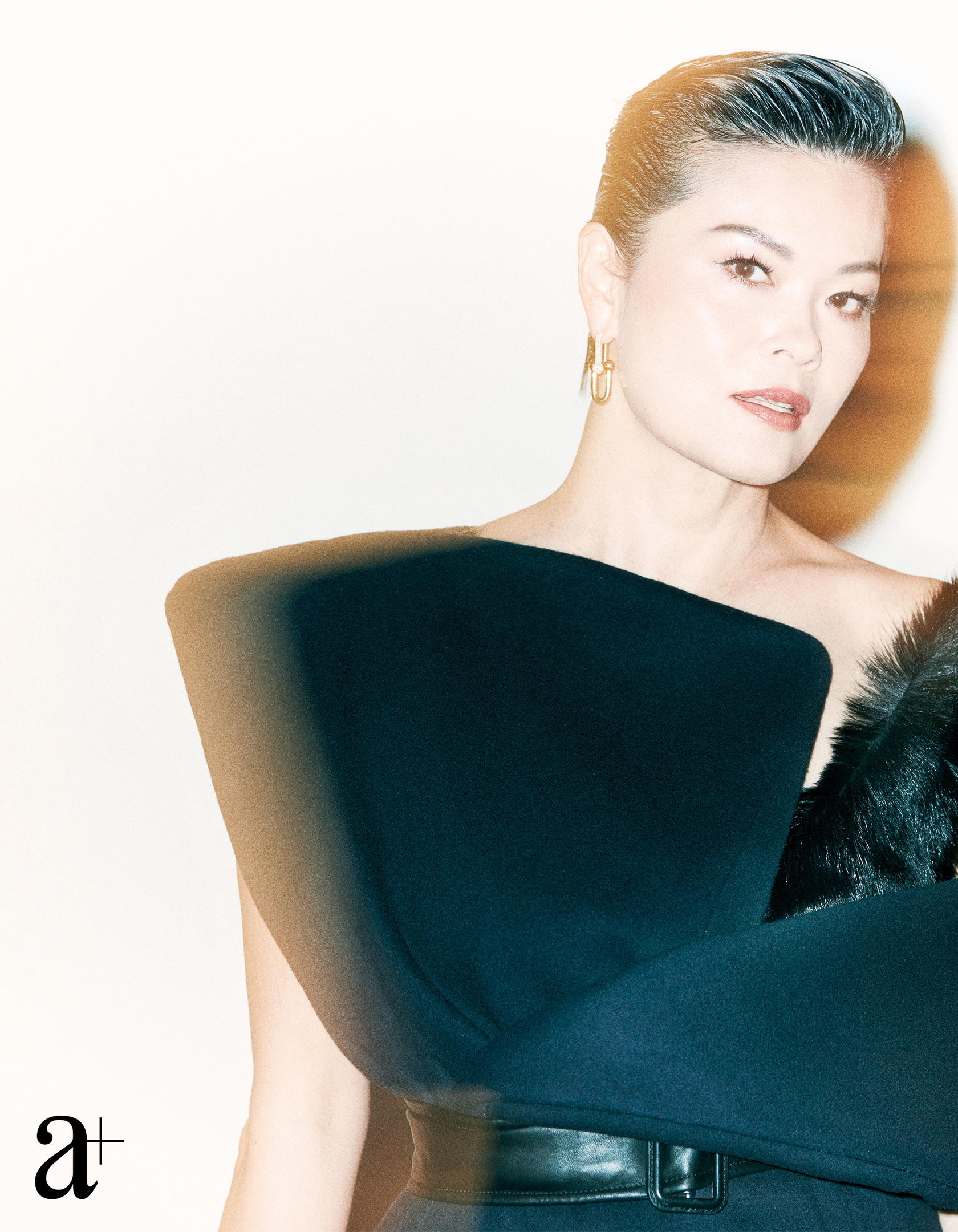
BUILDING COMMUNITY, TRUST & GLOBAL REACH THROUGH HELUTRANS
It was this experience that led her to establish ArtSpace@Helutrans in 2009. The 11,000-sq-ft venue conceived for large-scale contemporary art exhibitions helped transform the former warehouses in Tanjong Pagar Distripark into a cool arts enclave.
While institutions and government support have driven much of Singapore’s cultural development, Ng sees room for more private effort. It would be better if spaces were more flexible, more experimental, and able to accommodate exhibitions or conversations that do not naturally fit into institutional programming, she notes.
“We wanted to be an enabler within the art ecosystem, not simply a logistics company operating behind the scenes. Exhibitions, artists, and ideas are plentiful in the region, but they don’t all need to be shown in commercial galleries or museums.”
Trust is essential when dealing with artworks of such immense value. Ida Ng knows this must be earned and there are no shortcuts.
Her view of art is both personal and communal. “Art can be deeply personal and even therapeutic, but it can also be incredibly powerful when shared. This was one of the principles behind ArtSpace. Our goal was to create a place where art could bring people together, foster dialogue, and build a sense of community.
“For me, it is also a way for Helutrans to give something back to the ecosystem that has allowed us to grow. Through handling and logistics, we support art physically every day, but through ArtSpace, we support the ideas and people behind the art as well.”
Such support is important in helping artists reach new audiences. In 2012, Ikkan Art Gallery staged “The Experience Machine” at ArtSpace, giving the acclaimed Japanese immersive art collective teamLab their first international break. This led to their participation in the Singapore Biennale in the same year with “Peace Can Be Realized Even Without Order”, before they catapulted to global fame. In a recent interview, teamLab member Takashi Kudo said: “If we have any kind of offer from Singapore, we’re likely to say yes. We love Singapore.”
Trust is essential when dealing with artworks of such immense value, whether monetary, sentimental, or even cultural. Ng knows this must be earned and there are no shortcuts. A reputation cannot be built in one successful job; it takes time and earnest effort to grow: “It comes from showing up, doing the work correctly, solving problems when they arise, and proving again and again that their collection is safe in our hands.”
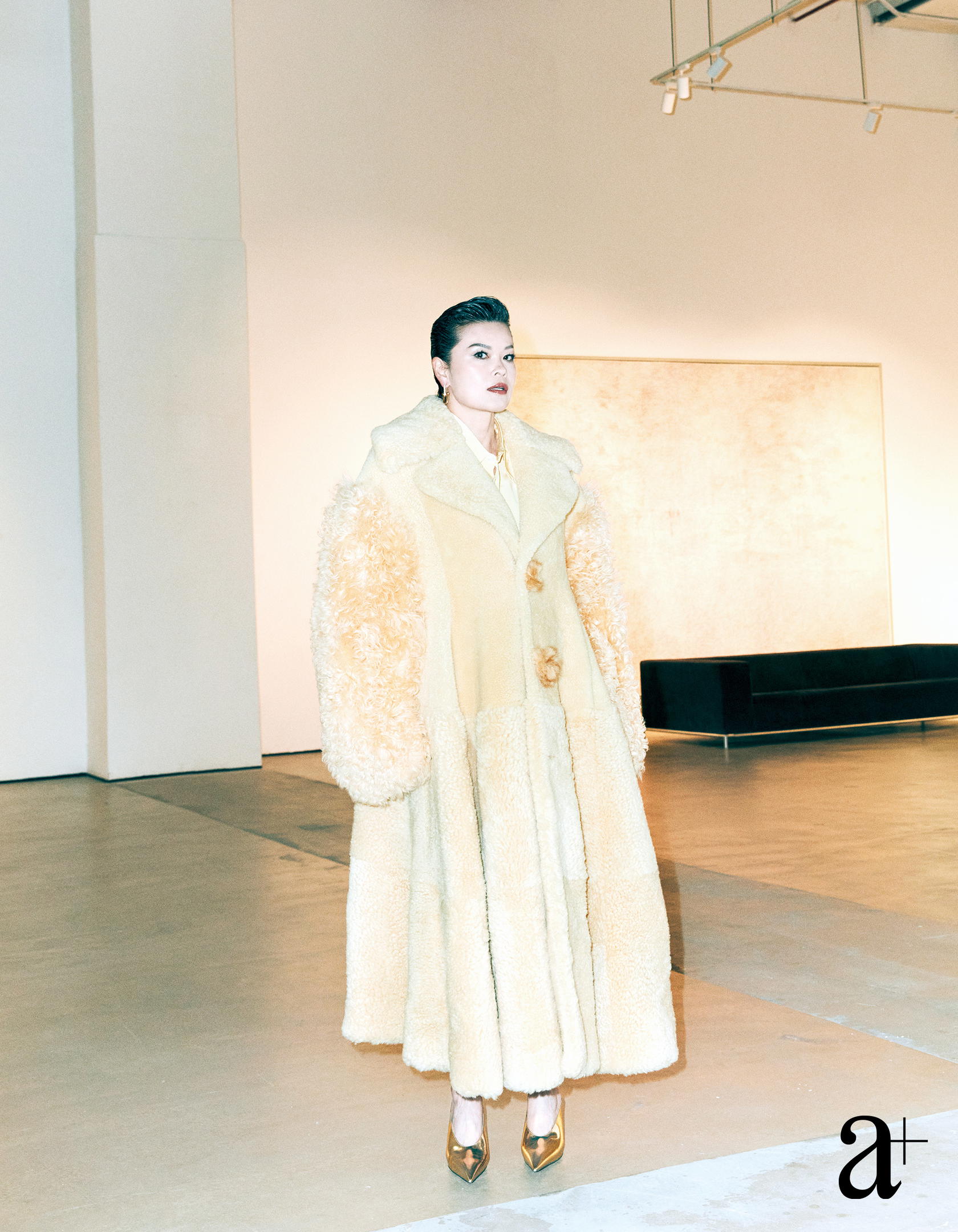
Has she ever lost sleep worrying about an artwork under her care? “Surprisingly, I sleep very well at night. The key to good art logistics is not about fearlessness. It is about being so well prepared that you can approach even the most difficult job with confidence.
“This comes from the amount of planning we do before anything is implemented. We anticipate every possible challenge: access, equipment, manpower, sequence, environmental conditions, and what could potentially go wrong. By the time we handle the work, most of the problem solving is already done.”
For one job, Ng got a phone call, booked her air ticket and headed straight to the airport—only to realise she needed a visa! It was only after she arrived at the destination city that she learnt she had to pack an artwork for shipment overseas. She cannot reveal the title but offers one hint: “It’s a masterpiece.”
“The client didn’t have proper packing materials. I said, ‘Never mind, give me bubble wrap and masking tape, okay?’ On the plane, it wouldn’t fit into the seat, and so I had to find a safe spot for it secure it with extra straps. Obviously, I didn’t make it back to Singapore the same day. Like in a movie, yes?”
That said, Ng has turned down her fair share of commissions because, as she says, “I know it’s not possible”. In some cases, the timeline is unrealistic; in others, access to the location or the necessary warehouse equipment can be difficult. There are also times when a job is technically possible but comes at an “insane” cost. She admits: “Even though I get to earn this money, I am not necessarily happy about it because I feel the judgement call is wrong.”
I follow Ng down a corridor lined with works from her own collection. A photography enthusiast, she leans towards minimalist and often black-and-white images. Several of these are by Singaporean contemporary artist and photographer Robert Zhao, known for his studies of humanity and the natural world, such as ‘The Lines We Draw I’, ‘Animals Of The Dutch Colony’, ‘Black Holes #1’, and ‘Spotted Tree Frog Survey’.
A proud smile spreads across her face as she pauses at the last work, “My daughter loves frogs! She is studying to become an architect!”
“Instead of an artist?” I ask.
“She knows that artists cannot make money. I told her that’s wrong thinking; her mother wouldn’t have this business without artists.”
Having handled treasured possessions for years, Ng knows value goes beyond price tags. “Objects can be valuable, beautiful, or irreplaceable, but experiences shape who we become. And we remember the most meaningful works for a lifetime. Maybe that’s why I value art so much.”
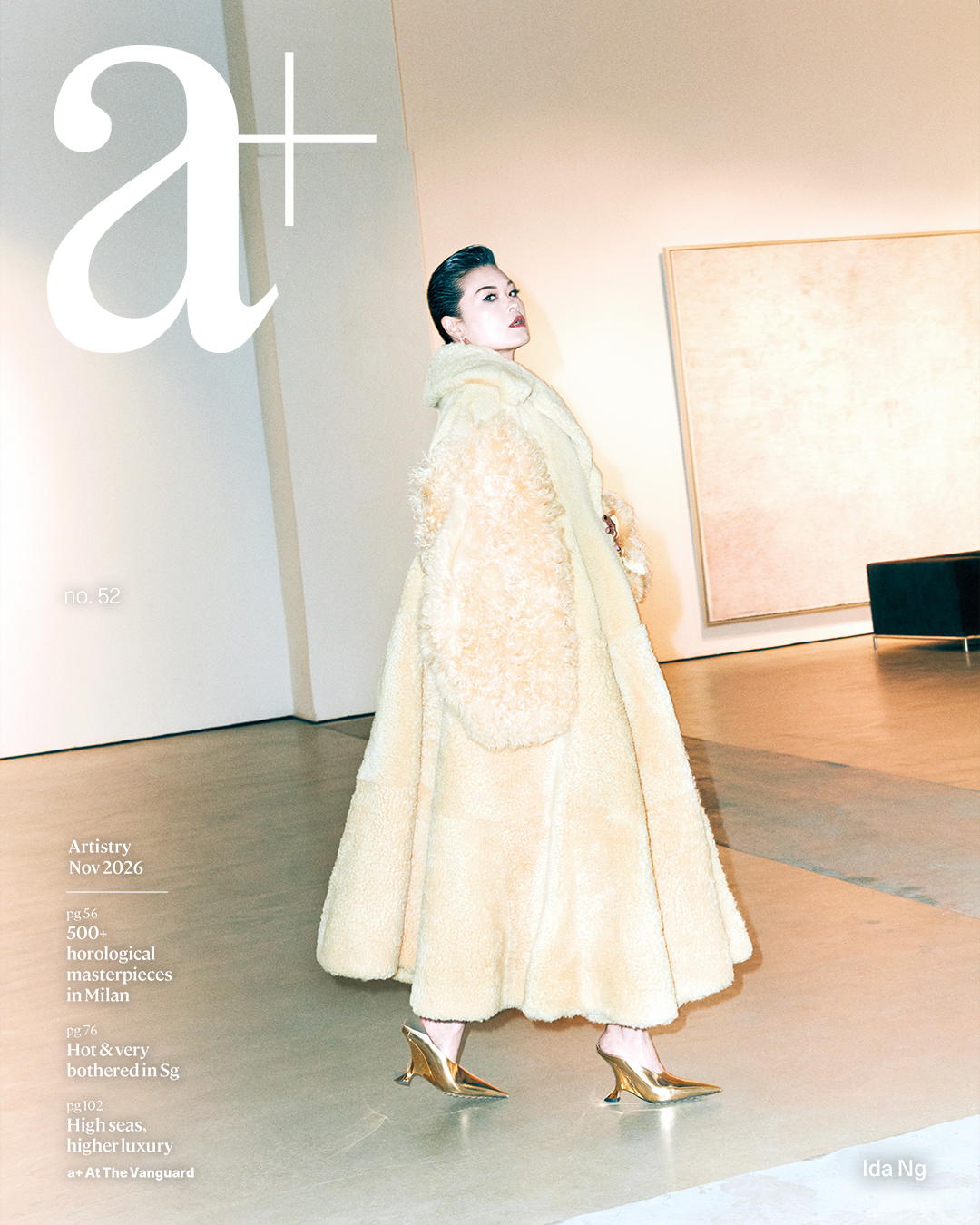
Photography Joel Low
Styling Chia Wei Choong
Hair Rick Yang, using Goldwell
Makeup Keith Bryant Lee, using Chanel Beauty
Photography assistant Eddie Teo