As we approach the dirt field, I see a loose congregation of animals from the 12-seat turboprop aircraft as it dips towards Phinda’s airstrip in South Africa’s KwaZulu-Natal province, a few hours inland from the Indian Ocean. The wildebeest scatter calmly. A warthog trots to the side, tail raised like an antenna. They fall in with the zebras grazing at the far end of the strip. It is like watching a scene choreographed to Saint-Saëns’ Carnival of the Animals; I half-expect the king of beasts to amble across next.
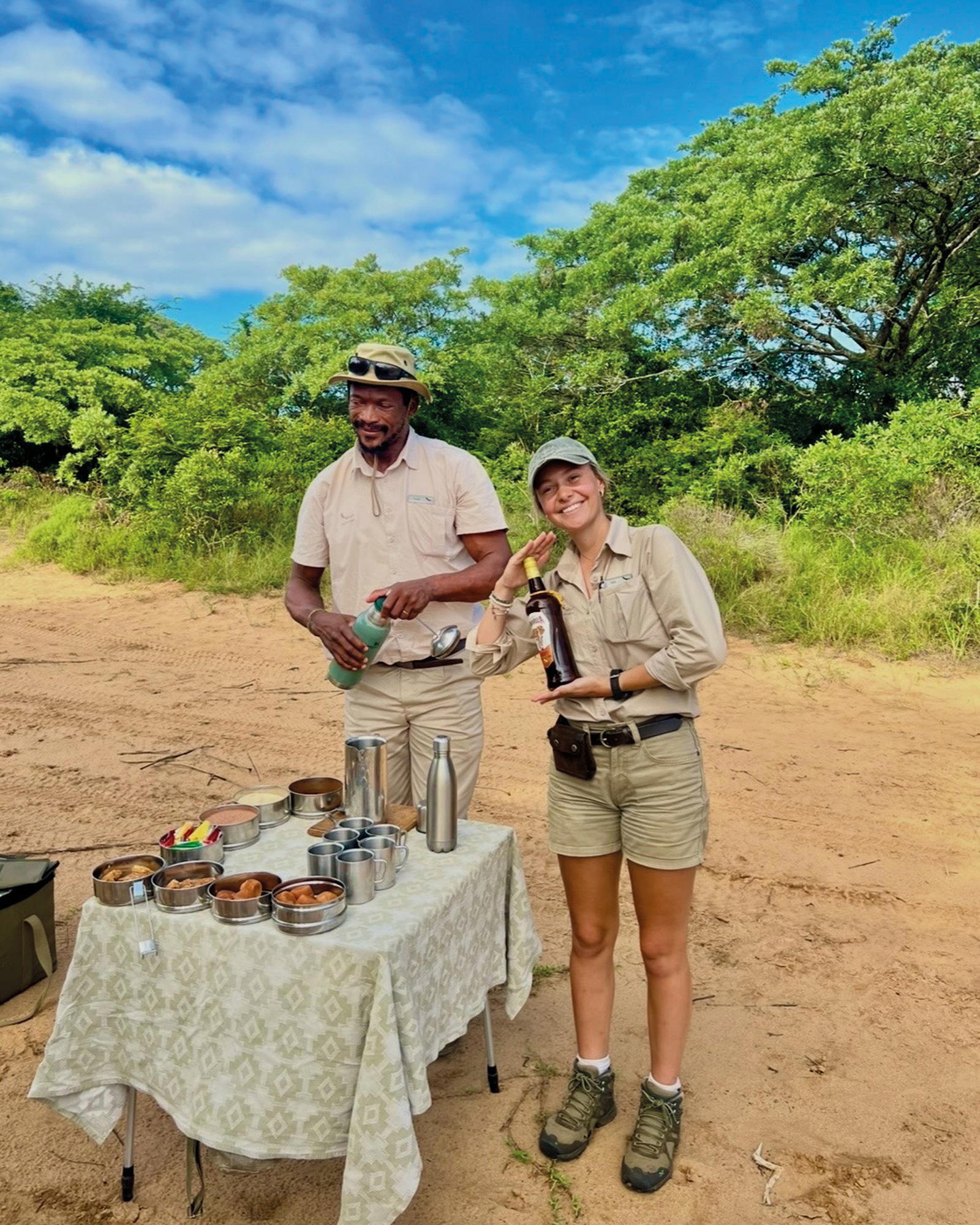
Instead, waiting beside the runway is Jess Botha, a bright-eyed blonde who only recently qualified as a guide. With her is Thoks Mlambo, our tracker and a community leader from nearby Makhasa village. Even though we haven’t yet left the airstrip, we can tell that the safari has already begun as we pile into the open Land Cruiser and head for andBeyond’s Phinda Forest Lodge.
Five minutes into the drive, we find ourselves threading between a herd of wildebeest, impala, nyala, and warthogs, when we spot a young bull elephant. He spreads his ears and lifts his trunk. Botha cuts the engine and raises her hand for us to be quiet. We hold our breath as he takes a few steps towards us, then she reverses calmly and drives away.
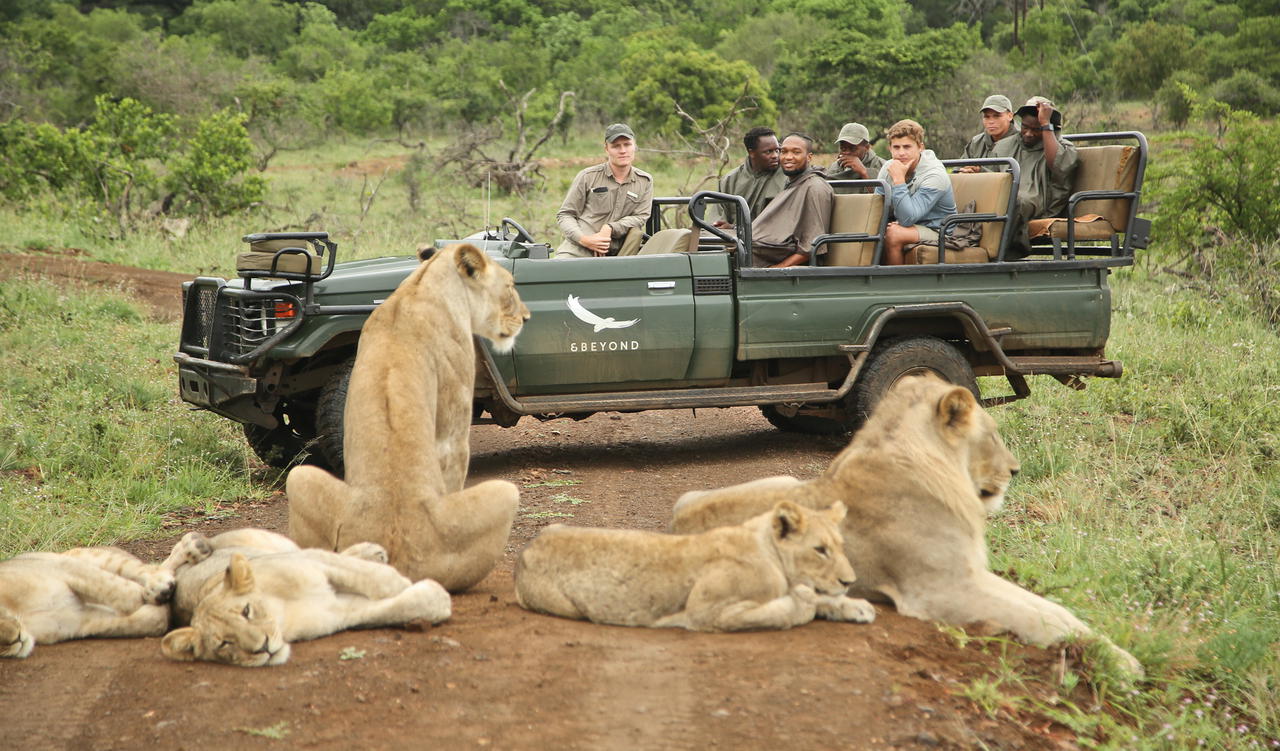
Minutes later, we observe a pair of lionesses sprawled in the shade along a riverbank. Then we chance upon a mass of buffalo, and finally a white rhinoceros. We have ticked off four of the Big Five before even checking in! As for the leopard, it remains the most elusive.
From wasteland to wildlife reserve
These first 30 minutes are remarkable because of what this land was before. For almost a century, there were pineapple fields, cattle ranches, and sisal plantations. Then overgrazing and intensive agriculture left the soil exhausted and stripped of native wildlife.
In 1991, the company that would become andBeyond established Phinda Private Game Reserve here, the first private reserve in KwaZulu-Natal. Phinda is Zulu for “return” and signals the restoration of land and animals to their natural state. Big Five status was secured, land leases with neighbouring communities were signed, and fences were torn down, leaving fields fallow and ready for replanting with indigenous vegetation.
The communities that bordered the reserve were the first to back the restoration, leasing land to andBeyond, taking jobs in the lodges and guiding teams, supplying food and crafts, and sharing the gains.
Rebuilding animal populations
Today, andBeyond Phinda covers almost 30,000ha across seven distinct habitats, from a rare sand forest to open grassland, supporting the Big Five, cheetahs and endangered black rhinos.
Since the reserve reintroduced 13 lions between 1992 and 1993, it has periodically brought in unrelated males from other leading reserves to mimic natural takeovers and avoid in-breeding. The Phinda lion population is now among South Africa’s most genetically diverse, second only to Kruger, with more than 70 litters and close to 250 cubs being born here.
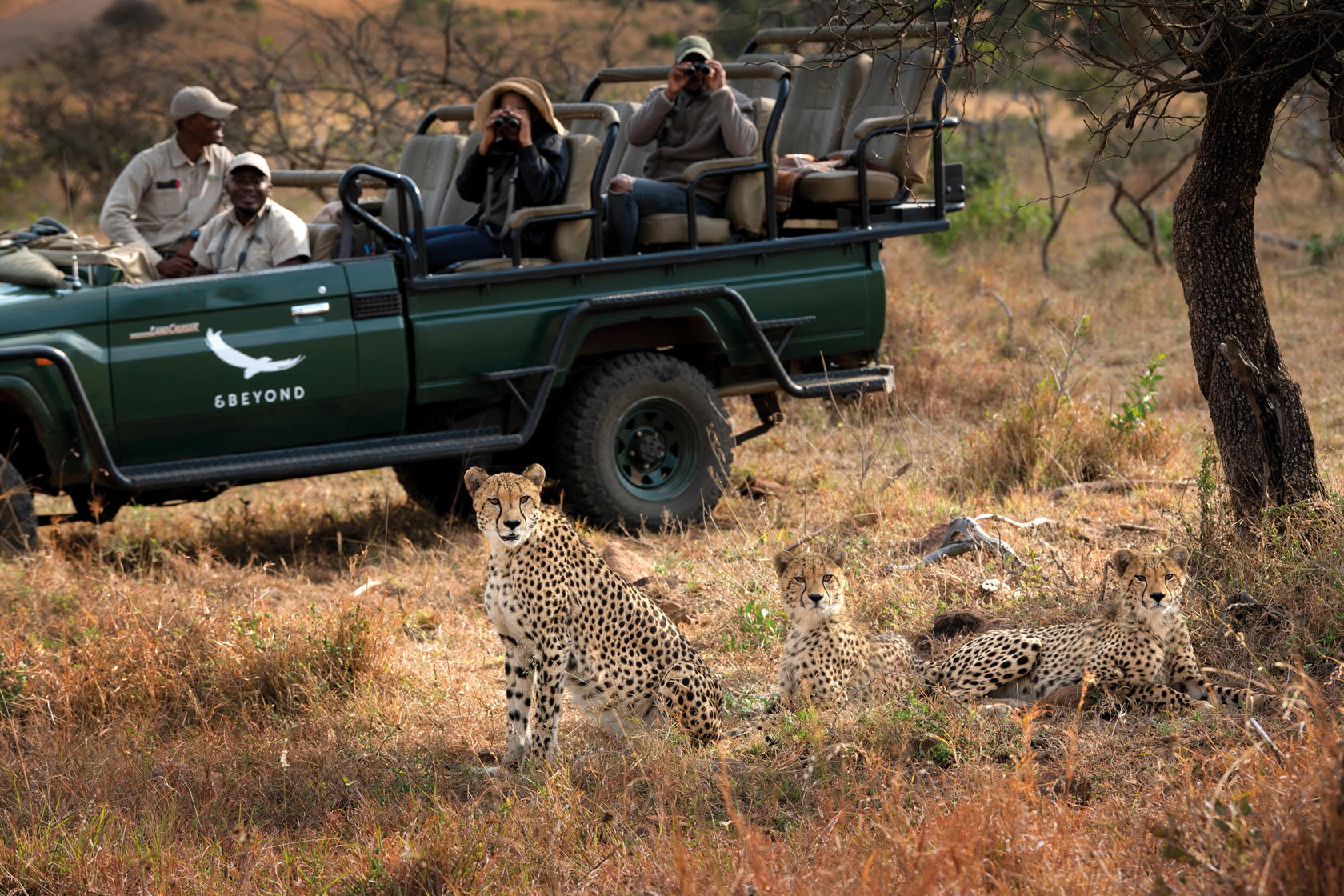
In 2015, the lions linked to Phinda helped end a 15-year local extinction in Rwanda’s Akagera National Park. Then in 1992, Phinda became the first private reserve in South Africa to reintroduce cheetahs, starting with a founding population from Namibia. On our second morning, we find three of their descendants, all brothers, sashaying through the tall grass, tails flicking, heads high, and unbothered by us.
About five percent of cheetah cubs survive in the wild. Careful predator management has raised that to 46 percent at Phinda. What’s more, since 2011, nearly 30 cheetahs from Phinda, one-sixth the size of Kenya’s Masai Mara, have been translocated to boost cheetah numbers in other South African reserves and to reintroduce the species to Liwonde National Park in Malawi.
Recognising the needs of the vulnerable
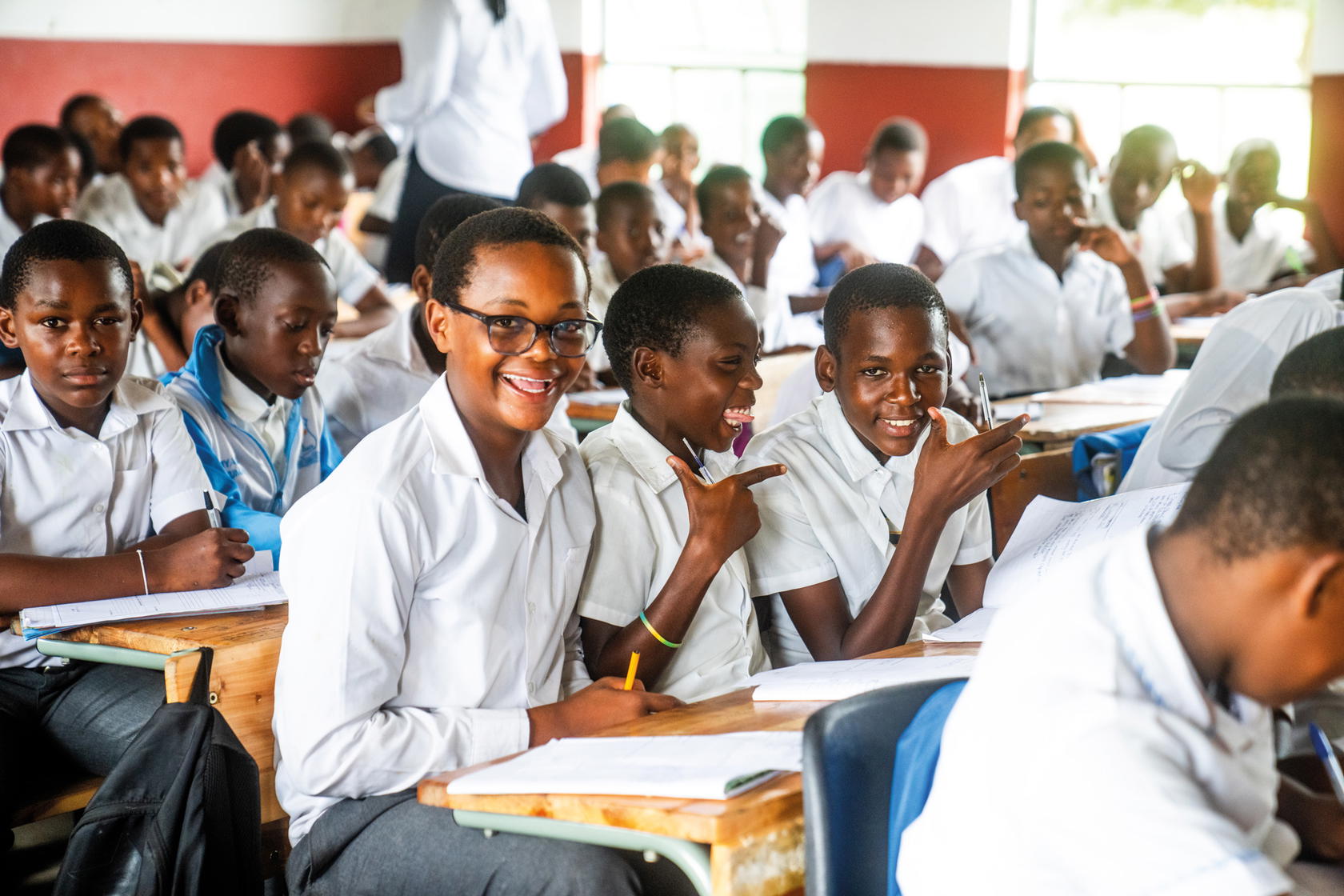
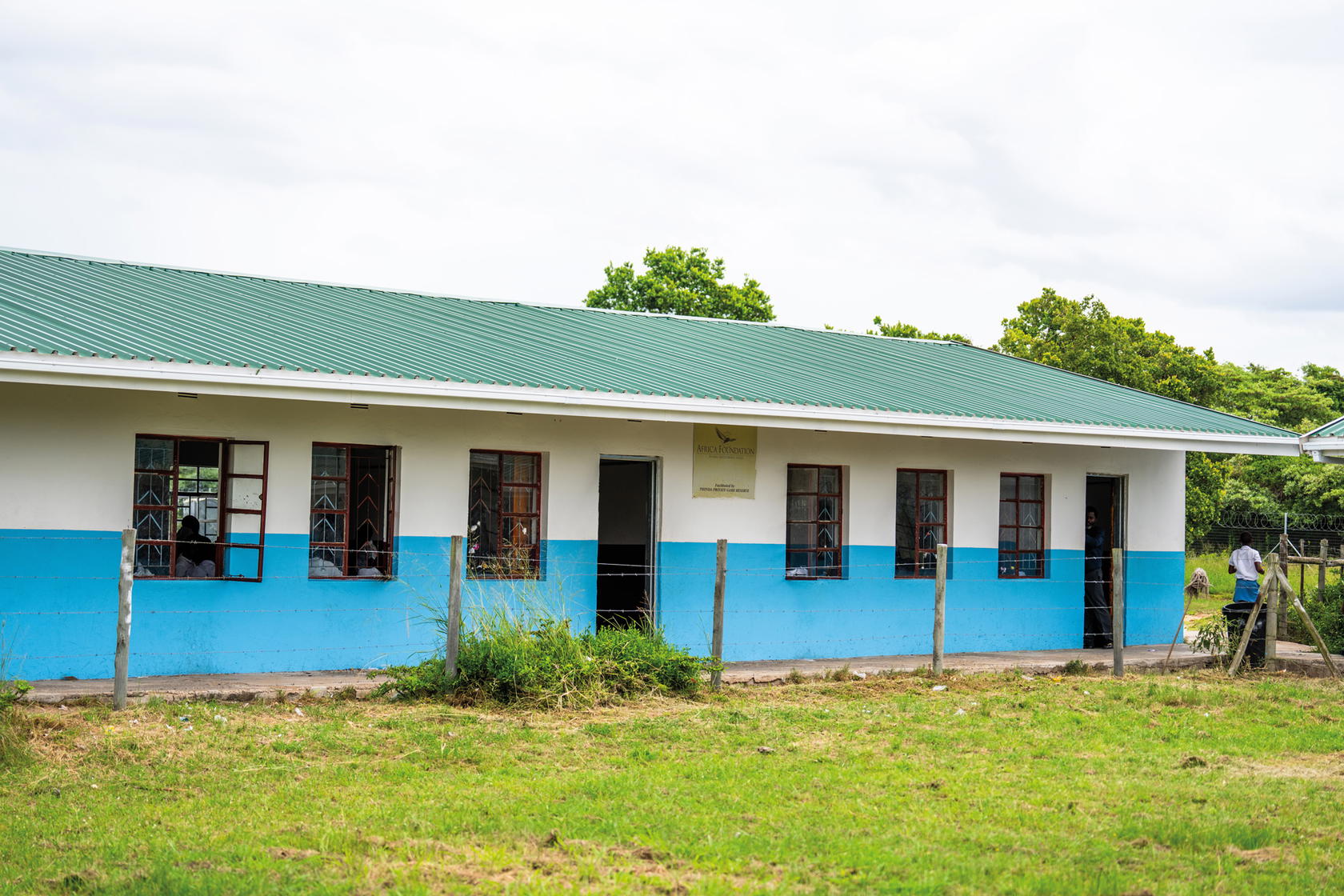
During our trip, we stop at Mdudla Primary School in KwaMakhasa, established in 1989. It looks in need of an upgrade, but the happy children do not seem like they want to be anywhere else.
Of its 558 pupils aged five to 13, 200 are classified as orphans and vulnerable children. Many are from child- or youth-headed households where older siblings raise younger ones on social grants that barely cover the costs of uniforms, exercise books or bus fares.
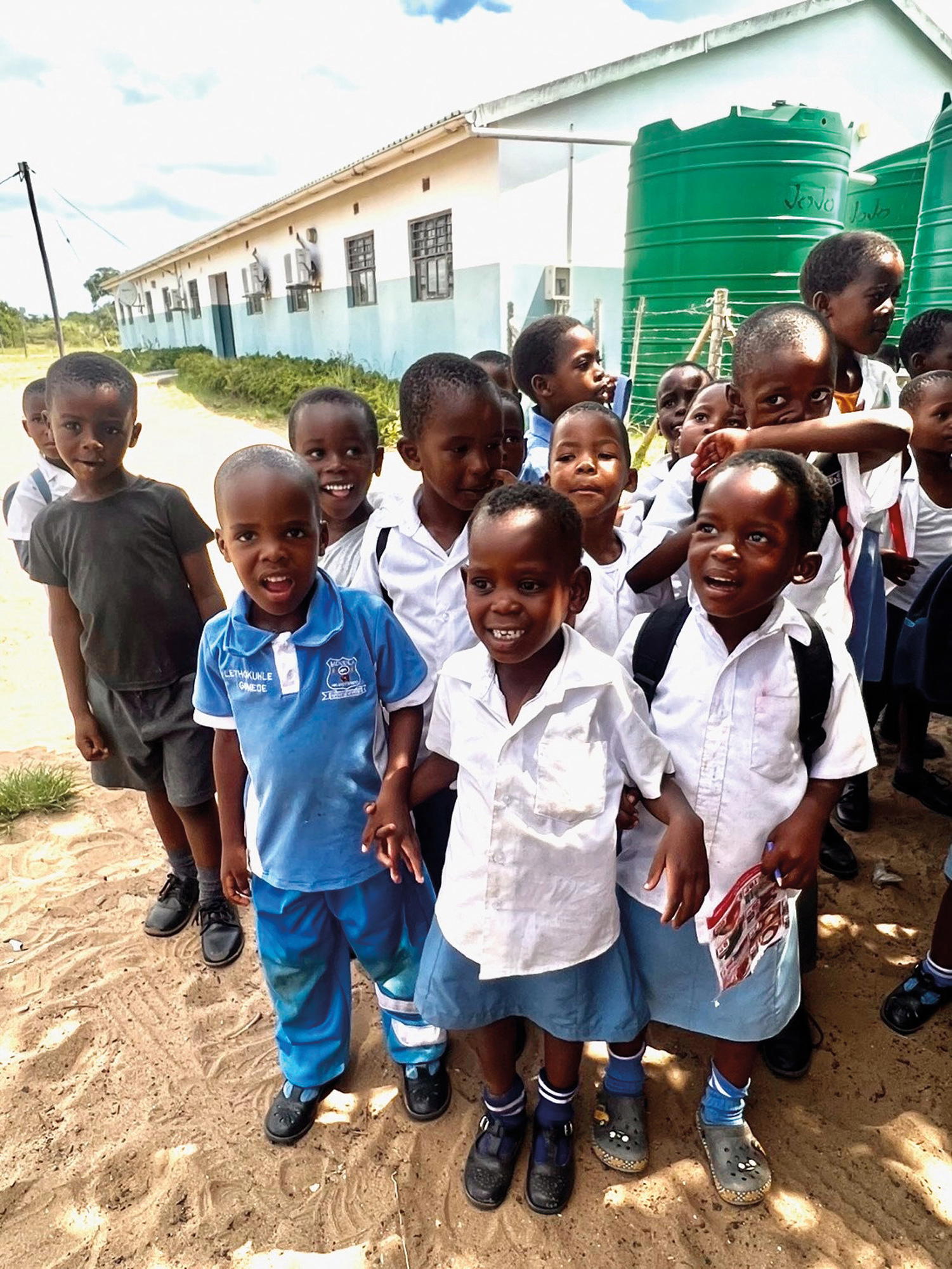
“When they have proper uniforms, they develop a stronger sense of belonging,” says NT Ngwane, a teacher here since 2000. “They become more enthusiastic about attending school.” She adds that a feeding scheme, partly supported through the partnership with the reserve, ensures at least one meal a day for each child.
Wild Impact and andBeyond have worked with KwaMakhasa since 1992, funding a classroom block and an administration building as well as donating uniforms and stationery. After visiting with andBeyond staff and identifying areas of need, guests often make donations.
why this restoration deserves protection
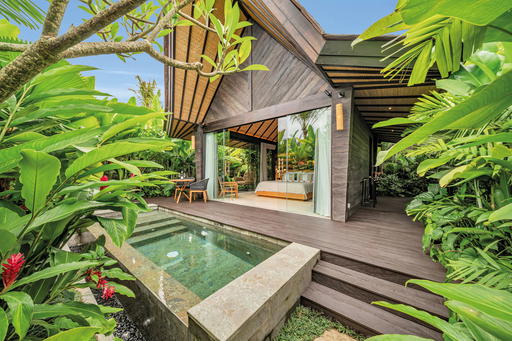
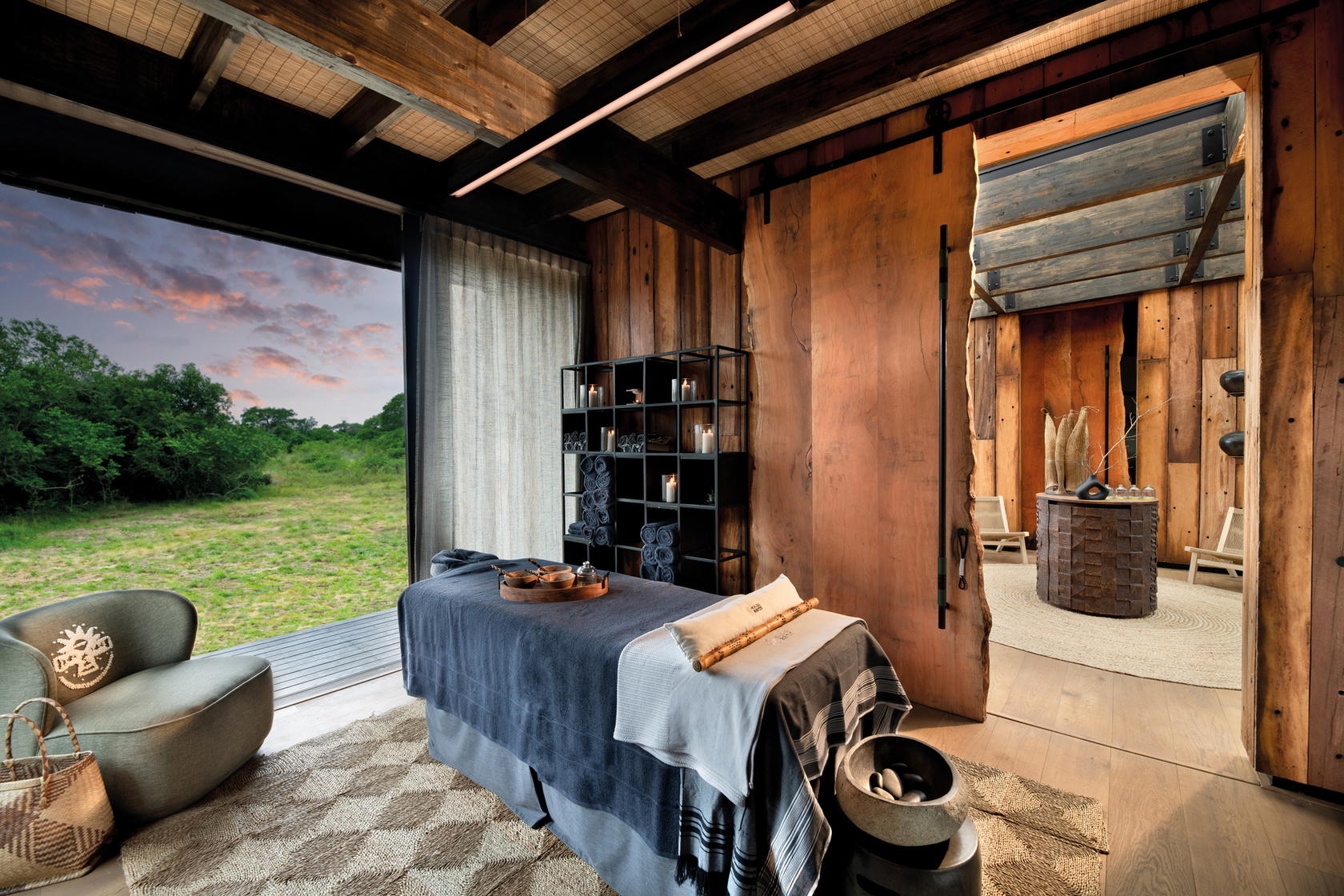
Towards the end of the trip, I pause to take in my surroundings. Phinda Forest Lodge, one of six andBeyond lodges on the reserve, has kept pace with the times. Reopened in December 2023 after a refurbishment, its 16 glass-fronted suites sit on stilts in one of Africa’s last dry sand forests.
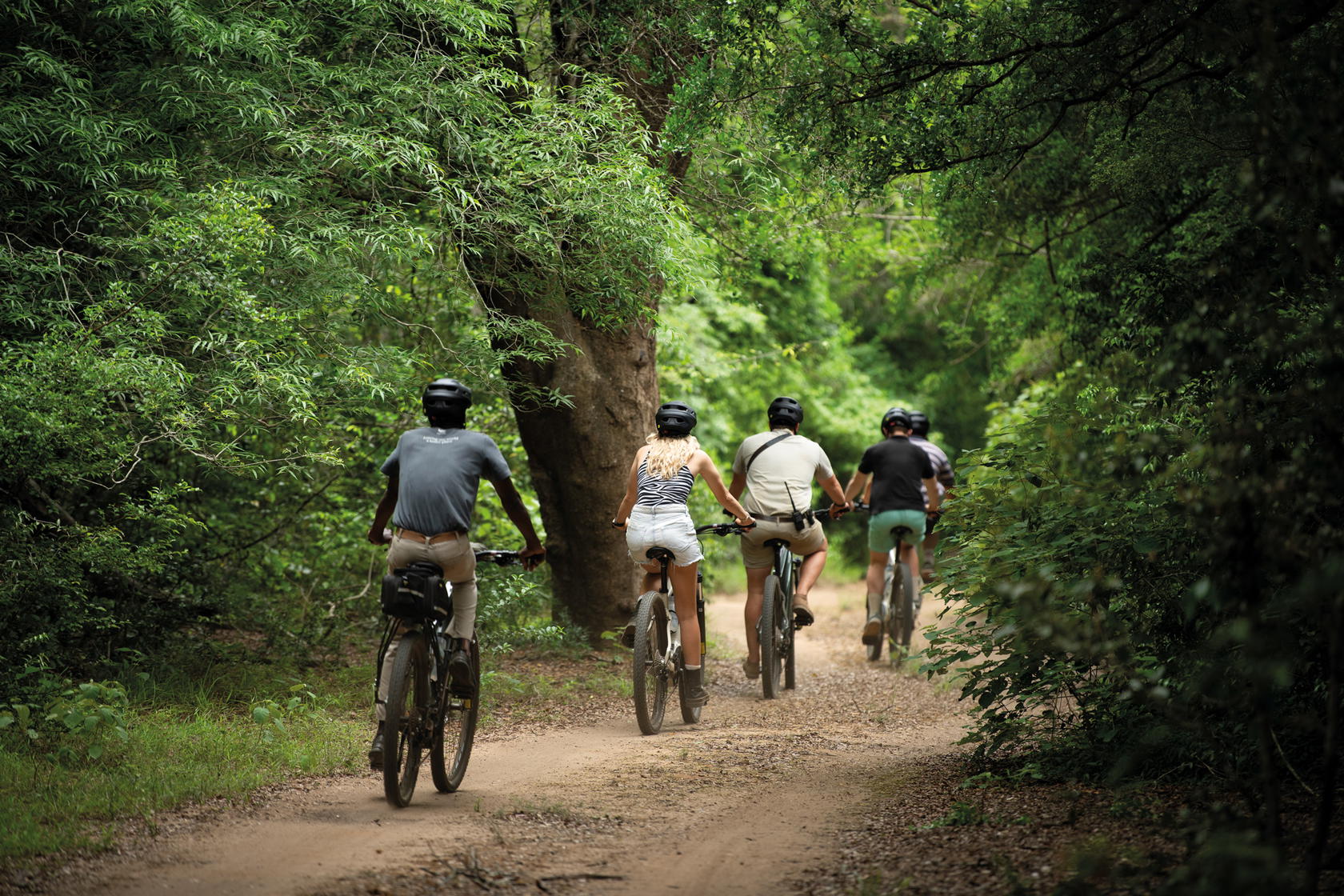
The interiors are minimalist, with pale woods and woven textures blending Japanese and Zulu aesthetics, and there is a bijoux spa tucked among the trees. A new e-bike trail through the forest, developed with the Mnqobokazi and Makhasa Community Trusts, channels proceeds back into local projects.
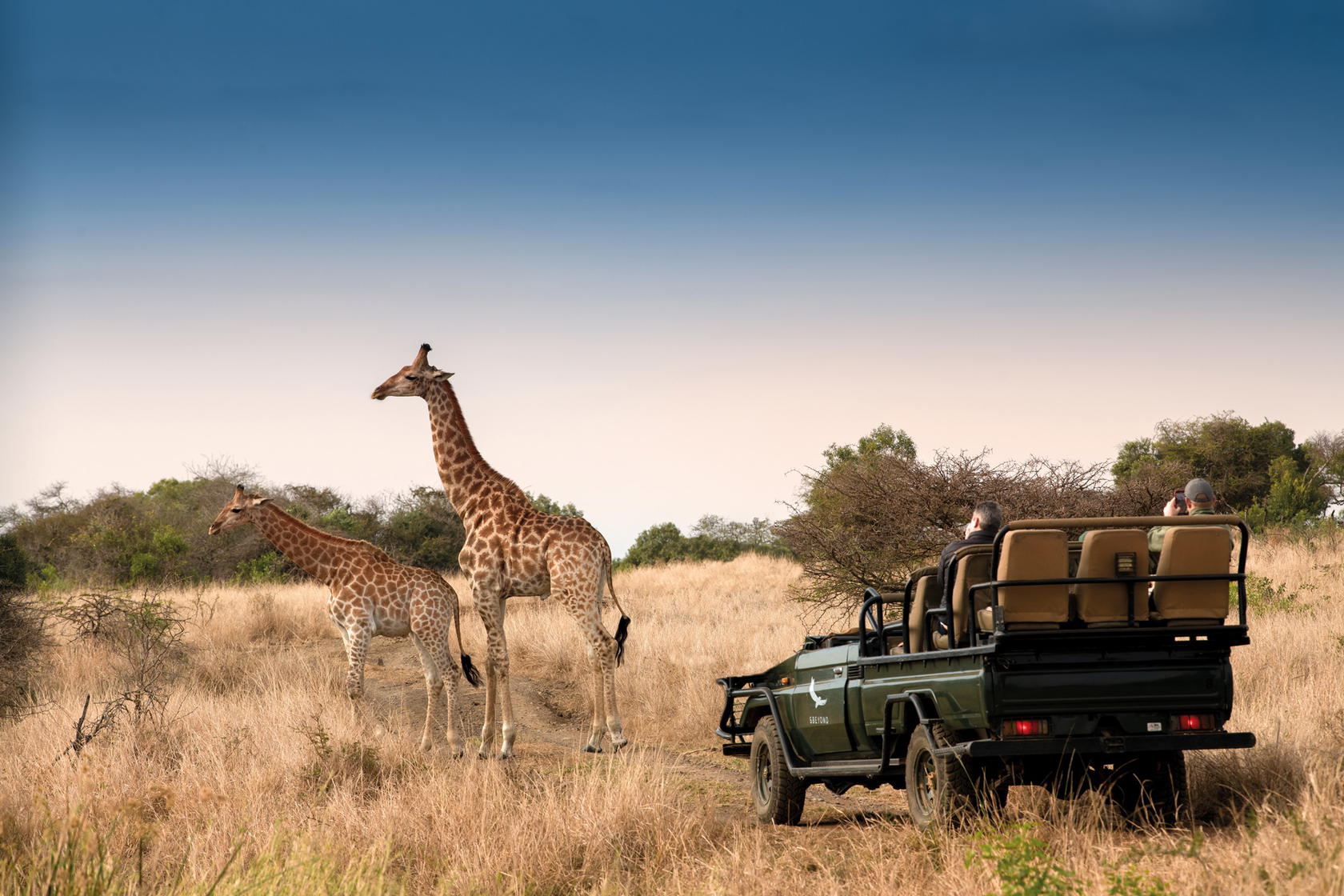
Despite seeing the cheetah brothers again, I never do see a leopard. One afternoon, a dazzle of zebras runs alongside our Land Cruiser, a flash of black and white. In the distance, a tower of giraffes drifts across a rise, their necks hidden by fever trees and wild sage.
On our last day, we even spot a black rhino calf with its mother, both with horns intact—an increasingly rare sight since dehorning has become a necessity against poachers.
As I prepare to leave on our final dawn drive, I enjoy my last coffee on the deck. Like a widescreen theatre, the sand forest comes to life as light seeps in through torchwood trunks in bands of amber and molten gold. Somewhere in the canopy, a bird calls, then another.
My head fills with the lush strings of Out of Africa as the sun clears the horizon and a nyala steps out tentatively. Then a final quiet moment allows me to grasp the scale of what has been reclaimed here—and why all this is worth protecting.