Considering the pandemic and heightened geopolitical tensions, there has never been more demand from high-net-worth (HNWIs) seeking alternative citizenship or residency options than now.
In response to this increased demand, many governments in South-east Asia have unveiled new visa programmes aimed at HNWIs. Cambodia, Malaysia, Singapore, and Thailand have rolled out policies.
The most beneficial and successful options change nearly every week. The volatile global political and economic climates play an instrumental role in people’s considerations. We’ve noted that Portugal, Latin America, and Caribbean countries, are more popular than the likes of Greece and Cyprus, whose vicinity to the current conflict in Eastern Europe is deterring investment migration candidates.
Another reason Portugal remains one of the most attractive destinations for investment migration is that it offers citizenship after five years of residence. Greece was previously enticing for similar reasons, although it recently doubled the minimum investment required to 500,000 Euros (S$697,000).
Citizenship by Investment (CBI) and Residence by Investment (RBI) are powerful drivers in creating lasting and tangible social impact. They serve the purpose of benefiting local communities that welcome high-net-worth migrants. In most cases, the government will approve certain projects that qualify for investment.
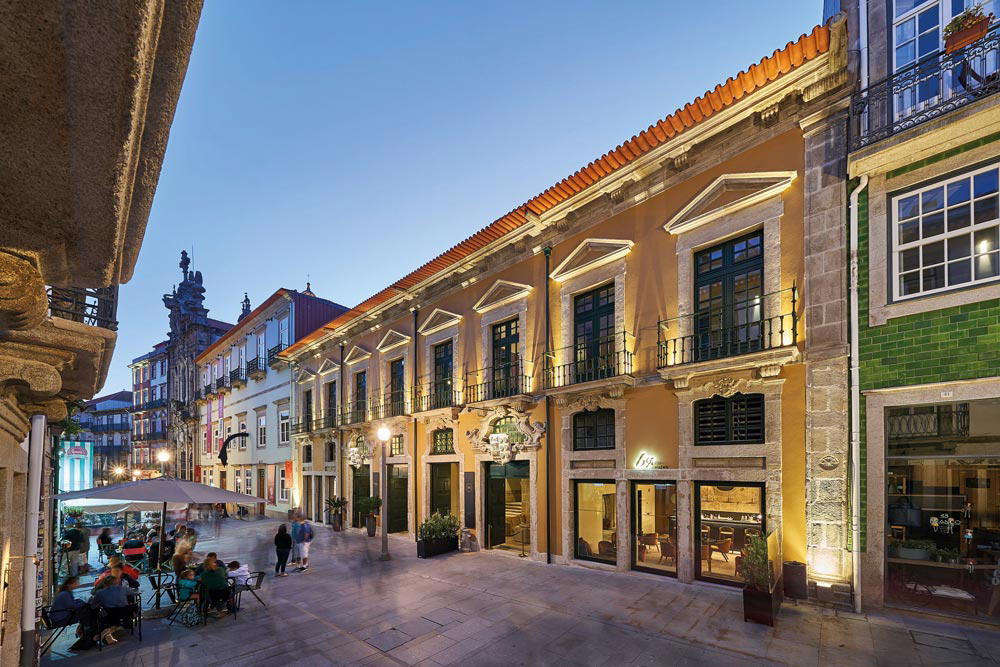
Porto and Lisbon are good examples of areas that have benefited from such investments. When I first visited Casa da Companhia, a boutique hotel in Porto’s downtown Rua das Flores, it was a mix of ruin and construction site. On my next visit, the hotel was operational, enlivening the street and creating jobs for locals and opportunities for other stakeholders.
In the Caribbean, donations to dedicated government funds helped to build roads, schools, bridges, and other crucial infrastructure. The changes powered by funds through investment migration are hugely significant to countries with small populations. Donations are often directed towards hotel developments, which create employment opportunities by attracting tourists. The Park Hyatt in St. Kitts and Nevis and the Cabrits Resort & Spa Kempinski in the Caribbean island nation of Dominica are classic examples of this.

For the latter, a CBI programme that began in 1991 supported areas such as tourism, manufacturing, low-cost housing, road infrastructure, agriculture, and healthcare centres. Between 2017 and 2022, the country collected more than US$580 million (S$113.4 million) from both CBI applications and investments from its Economic Diversification Fund. Thanks to this, Dominica isn’t caught in a debt trap. Instead, it is developing steadily and improving citizens’ lives. In 2022, CBI will contribute 58 percent of its capital budget for the Public Sector Investment Programme.
I’m a proponent of CBI — not as a goal but as a legitimate option for a sovereign country to raise funds and lower taxes through selective expansion of its citizenry.
Applicants typically go through stringent background checks that weed out rotten apples. It’s stricter than a visa application. The payment of a donation by a successful applicant must be facilitated by bank transfer directly into a government account, and the highest standards of due diligence and anti- money laundering apply.
Being a citizen not only gives you a unique perspective of community matters, but also a great sense of belonging and responsibility. You no longer live in an expat bubble, where you come and go, unaffected by the changes in local policies.
While monetary donations are key to CBI and RBI, migration isn’t purely viewed through a transactional lens. It is important to engage with and contribute to your adopted community on a deeper level.
A client who migrated to Portugal committed to learning the language and joined many communities ranging from social development to sports and culture. It was wonderful to see.
I am originally Swiss, but have been a Singaporean citizen since 2008. I volunteer at the PAP Jurong Spring branch office, which enables me to feel the pulse of the nation.
Being a citizen not only gives you a unique perspective of community matters, but also a great sense of belonging and responsibility. You no longer live in an expat bubble, where you come and go, unaffected by changes in local policies.
It’s like becoming a shareholder in a company. As a co-owner you have a vested interest in the long-term success of the country, especially if you have acquired assets such as real estate, pension funds and local corporations. You also get to see the mechanisms of society and governance as you become part of it.