

Many small and medium-sized enterprises (SMEs) still reconcile transactions by hand even though they operate across several digital platforms. The alternative means juggling separate payment processors, bank accounts, accounting systems, and business software that typically create more complexity than efficiency.
This disconnect shows SMEs remain underserved, says Davis Chan. They often have less access to financial services, technology, financing, and negotiating leverage despite facing many of the same operational challenges as larger firms.
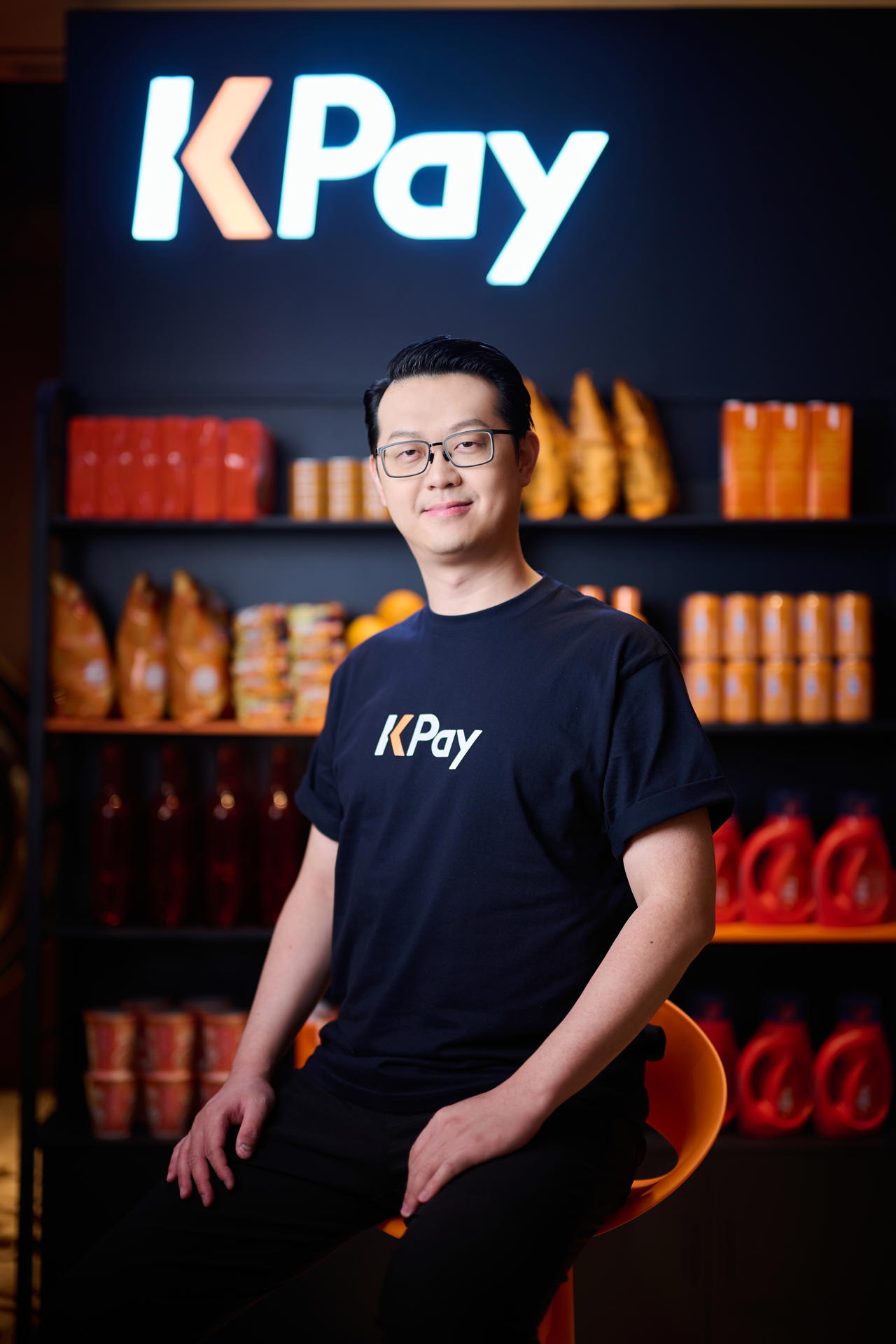
To narrow the gap, Chan co-founded KPay Group in 2021. The company integrates payments, operations, and business tools into a single system tailored to SMEs. It is designed around how these merchants work, not how fintechs assume they should, he explains.
“We stayed focused when others chased bigger fish. While many competitors targeted enterprises or consumers, we kept our attention on the coffeeshop owners in Toa Payoh, fashion boutiques in the heartlands, and neighbourhood salons,” Chan says. “That clarity lets us build something genuinely useful.”
The approach has helped KPay carve out a distinct position in the highly competitive fintech landscape. In December 2024, the company raised US$55 million ($71 milion) in a Series A funding—one of the largest payments-focused Series A rounds globally that year. Today, it serves more than 89,000 merchants in Australia, Hong Kong, Singapore, and Japan, across industries such as F&B, retail, and services.
KPay’s growth has earned industry recognition, including a spot on the Forbes Asia 100 to Watch 2025 list. In addition, it won the PayTech of the Year award at the Asia FinTech Awards 2025.
The key to scaling successfully, Chan says, is staying local in every market you enter. “We don’t drop a product from headquarters and expect it to work. Each market gets its own team who understands the regulations, the business culture, and the kind of trust that takes time to build. That local depth is what lets us move quickly without cutting corners on what matters.”
KPay applies a common set of principles in every market, from data protection and risk management to customer support. Growth without these foundations simply creates bigger problems at a larger scale, Chan argues.
More broadly, he believes KPay’s trajectory reflects a fundamental shift in how SMEs operate. Going digital is no longer optional. Cashless payments have become the default. Consumers expect them, competition demands them, and businesses that fail to adapt risk being left behind. “
The opportunity is real, but only for platforms that genuinely understand the merchant, not just the market.”
Chan shares five lessons he has learnt in the payments business.
1. A competitive advantage begins with a clear, long-term purpose
Enduring businesses aren’t those that chase trends; they know exactly what they’re building and why. From day one, KPay chose to serve SMEs—the coffeeshops in the heartlands, family-run retailers, neighbourhood hair salons, and more. These merchants form the backbone of the economy yet are often the last to receive the attention and support they deserve from traditional financial institutions. That conviction has guided every decision we have made. Rather than pursuing larger markets or short-term opportunities, we have remained focused on building tools that solve real problems for the merchants who rely on them daily. With that merchant- first mindset at our core, our long-term purpose is clear: to empower every business, regardless of size or resources, with the technology, financial tools, and support they need to thrive in increasingly cashless, digital economy.
2. Real value begins with understanding people
Technology alone is just code. It gains meaning only when it is shaped around the real challenges, needs, and ambitions of the people it serves. When we built KPay’s products, we asked a simple question: what does a merchant actually need at 7pm on a busy Saturday? Not what looks impressive in a product demo, but what helps them get through the day, serve customers smoothly, and close their shop without headaches. That question guided our every decision.
KPay Terminal Pro combines payments, ordering, and reconciliation. The Merchant Portal delivers real-time business insights from a mobile phone, without requiring an accountant to interpret them. In addition, there are no subscription fees; merchants pay only when they transact. As business never stops, we offer 24/7 live support.Technology is merely a tool. The real product is the problem you solve with it.
3. The experience is the product
One thing I’ve learnt is that merchants don’t judge platforms by their features. They evaluate them by whether the whole experience makes running their businesses easier. To deliver that experience, you need both great technology and the right partnerships.Our ecosystem of over 160 SaaS providers, banks, and financial firms is based on that logic. Each market has its own regulatory reality and cultural nuances, and the quality of those partnerships matters enormously. The right ones extend our value to merchants in ways we couldn’t build alone. The wrong ones add friction.
4. A shared purpose matters more than job titles
A job title tells you where you sit in an organisation. It doesn’t explain why your work matters. What I’ve observed consistently is that people work best when they feel genuinely connected to the outcome. They understand why a merchant’s experience matters, not just how to process a ticket. Because they pay attention to the right things, they spot problems before they escalate.
At KPay, our team is guided by three core values: thrive with our customers, deliver with wow, and evolve with us. They aren’t just slogans; they shape how we hire, evaluate performance, and make decisions. These principles also guide our culture: Own it: take accountability without being asked. Say it: communicate openly and transparently. Grow it: learn from every challenge as a chance to improve. That is a culture that scales.
5. Integrity guides growth, but resilience drives it
Real leadership isn’t about avoiding challenges. It’s about navigating them with clarity, honesty, and conviction. Resilience keeps a business moving forward through uncertainty and pressure, but resilience without integrity can take you a long way in the wrong direction.
KPay treats integrity as infrastructure, not aspiration. It’s not a value that sits on a slide deck, but an operating principle that shapes how we build, govern, and scale the company. Our ISO 27001:2022 and PCI- DSS Level 1 certifications aren’t badges for marketing materials—they reflect the standards we hold ourselves to when handling data, managing risk, and earning the trust of businesses that rely on us every day.
As we expand across multiple markets, that principle remains unchanged: grow in a way that merchants can trust, regulators can verify, and employees can be proud of. Speed matters, but it isn’t sustainable without integrity.