In prisoner cant, yard time refers to allocated intervals where inmates are free to vent their inertia on free range body weights, pull-ups and other repetitive exercises outdoors. It would explain their swole physiques, in the absence of protein shakes and jacked-up gyms purring with state-of-the-art equipment.
Their homespun fitness regimens behind bars anchor an upcoming programme whereby ex-offenders train members of the public during workout sessions, followed by meals where they’ll share their travails.
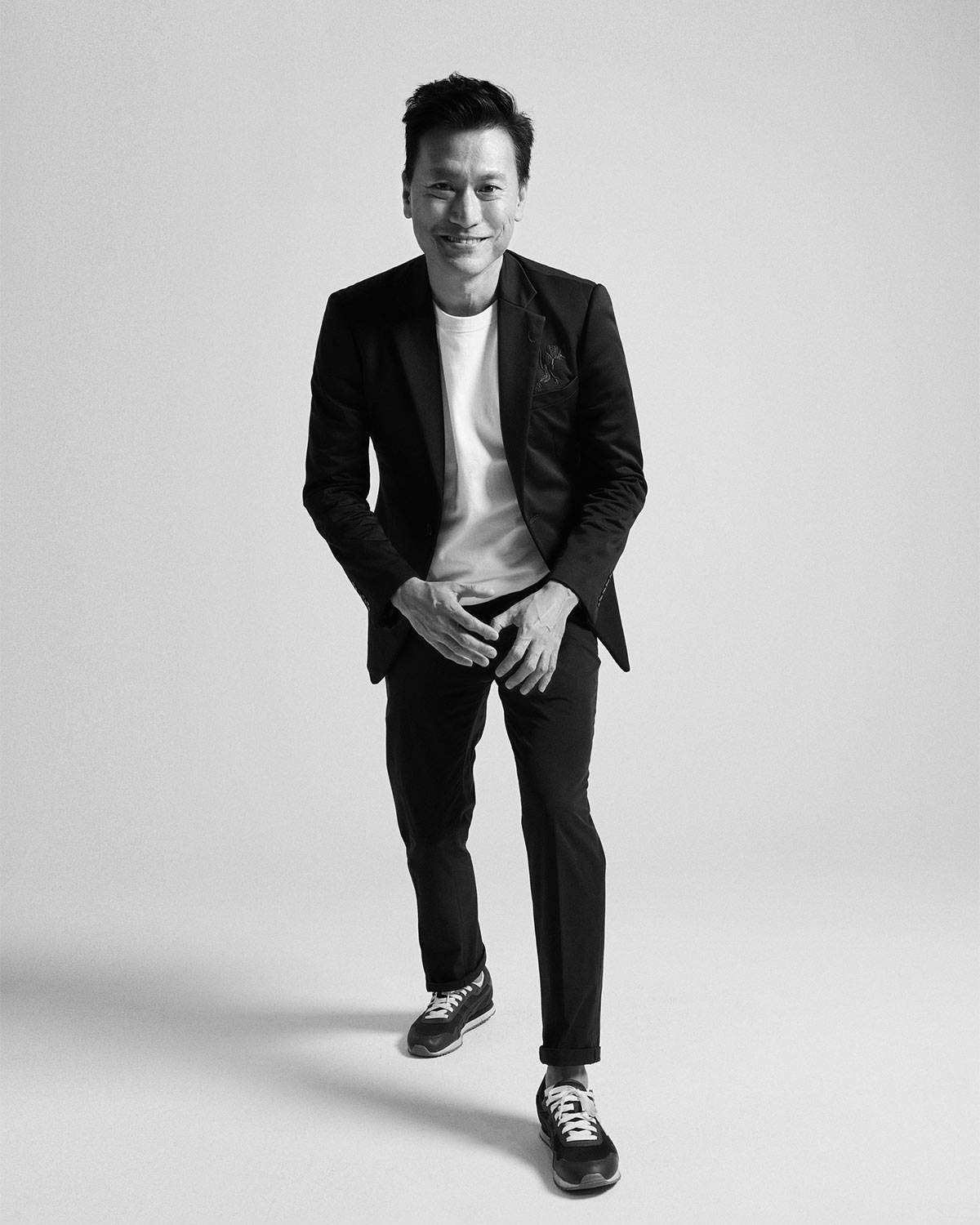
At first blush, the concept may seem contrived and at odds with the Lululemon-garbed set, but Glenn Lim of Architects of Life — the social enterprise behind the initiative — says such experiences fosters greater awareness of the disaffected.
“I’ve heard feedback from tour participants who once viewed ex-offenders with fear or scepticism but after the experience, saw their perceptions change positively — the key word is empathy,” he shares.
He’s alluding to Triad Trails, the company’s mainstay whereby former hardboiled gangsters lead tours of Chinatown, narrating beyond the pale exploits and referencing the area’s shadowy history of secret societies. Some may say it smacks of gimmickry, or even a commodification of unfortunate lived experiences, but Lim claims the contrary.
“Novelty marketing requires some kind of angle; I don’t think it’s exploitative as our ex-offenders want to reach out to the masses. It is an experiential economy right now and people want experiences, not just theory.”
Triad Trails — and subsequent Architects of Life brainchildren — were born out of necessity over the pandemic, when the social enterprise lost a chunk of its gigs, including ex-offender-fronted programmes for the prisons. “We have social services agency backgrounds but were hesitant to become a registered charity when Covid-19 hit, because the last thing the social services sector needs is another youth agency,” he says.
The pivot towards a tourism-skewed enterprise has proven to be fortuitous, with Triad Trails garnering considerable media attention last year. Two to three tours accommodating 20 participants each are held per week, and the company is looking towards branching out to ‘Amazing Race’ inspired corporate team bonding sessions. Guides are paid between $80 and $100 per run.
Whether or not the ventures have made a dent on the ex-offenders’ lives is questionable, but Lim shares that some of his clients have volunteered their cleaning services to the elderly. Others, including former drug addict Bruce Mathieu, a raconteur in his own right, have emerged as breakout social media sensations.
Lim is all too familiar with a rousing redemption arc. A juvenile delinquent who agitated through a bitter relationship with his parents, his infractions escalated from truancy and petty theft to drug trafficking.
In the grungy 90s, the raffish youth became a session musician whose canto rock band Typhoon played at Hard Rock Café. “Music was attractive because I found a sense of adulation. You need creativity and that’s where the drugs come in,” he recalls.
He served a six-month prison stint for drug possession, the upshot of which was a resolve to straighten up. The contrite youth refashioned himself as an emissary for what he calls “disenfranchised youth” and ex-offenders whose lives hang in the balance.
“Singapore is by and large a very structured society with programmes to solve social ills. It has its plus points but with every structure, there’re bound to be people who slip through the cracks,” observes the vice-president of Teen Challenge Singapore, a charity that provides rehabilitation for drug and alcohol addiction.
Apart from engaging in Architects of Life’s paid public speaking gigs, former inmates can undergo their subsidised workshops covering reintegration and entrepreneurship.
“Sharing their stories gives them a sense of empowerment in repurposing their pain. It is also a form of accountability, should they be tempted to fall back to their old ways,” reasons Lim.
In light of Singapore’s falling recidivism rates, what issues are inimical to ex-convicts’ progress? Lim clarifies that sustaining change over longer periods remains challenging.
Architects of Life trains its beneficiaries as mentors, in the hopes they’ll remain plugged into a community that can set them on an even keel.
“If the family goes through another challenge down the road, will he fall back on drugs? Those are real issues we must address as we look at long-term sustainability through community support and mentorship.”
Considering he’s someone who fundamentally believes in second chances, I probe him on whether he feels Singapore’s death penalty should be reviewed — apropos to recent controversial cases of drug traffickers at the receiving end of it.
Though Lim pointedly remains shtum on the hot-button issue, he maintains that inmates should be given chances to redeem themselves — drug penalty notwithstanding. He cites the example of convicted Malaysian drug trafficker Yong Vui Kong, who became a devout Buddhist and shared his journey with inmates. He had his initial death sentence reduced to life imprisonment.
“He wasn’t denied the privilege of speaking. In fact, he even asked to have his testimony recorded and was able to encourage younger prisoners to stay away from drugs and do good upon their release. I felt that was a good gesture because death row inmates are usually not supposed to communicate freely.”
Photography: Mun Kong
Styling: Chia Wei Choong
Hair & Makeup: Aung Apichai from Artistry Studio, using Tom Ford and Kevin Murphy