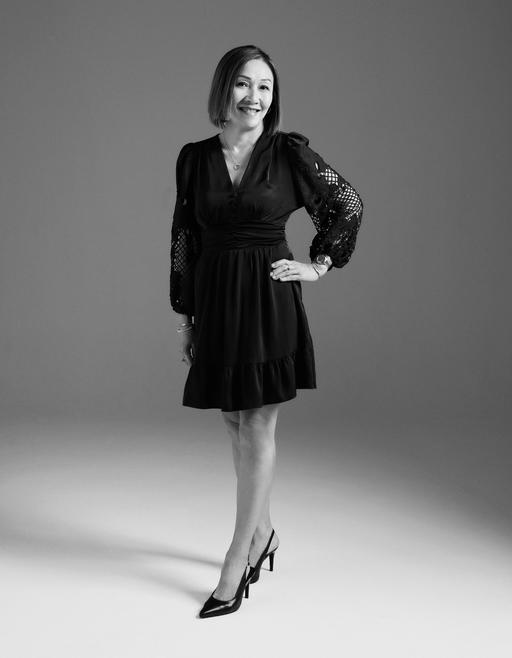
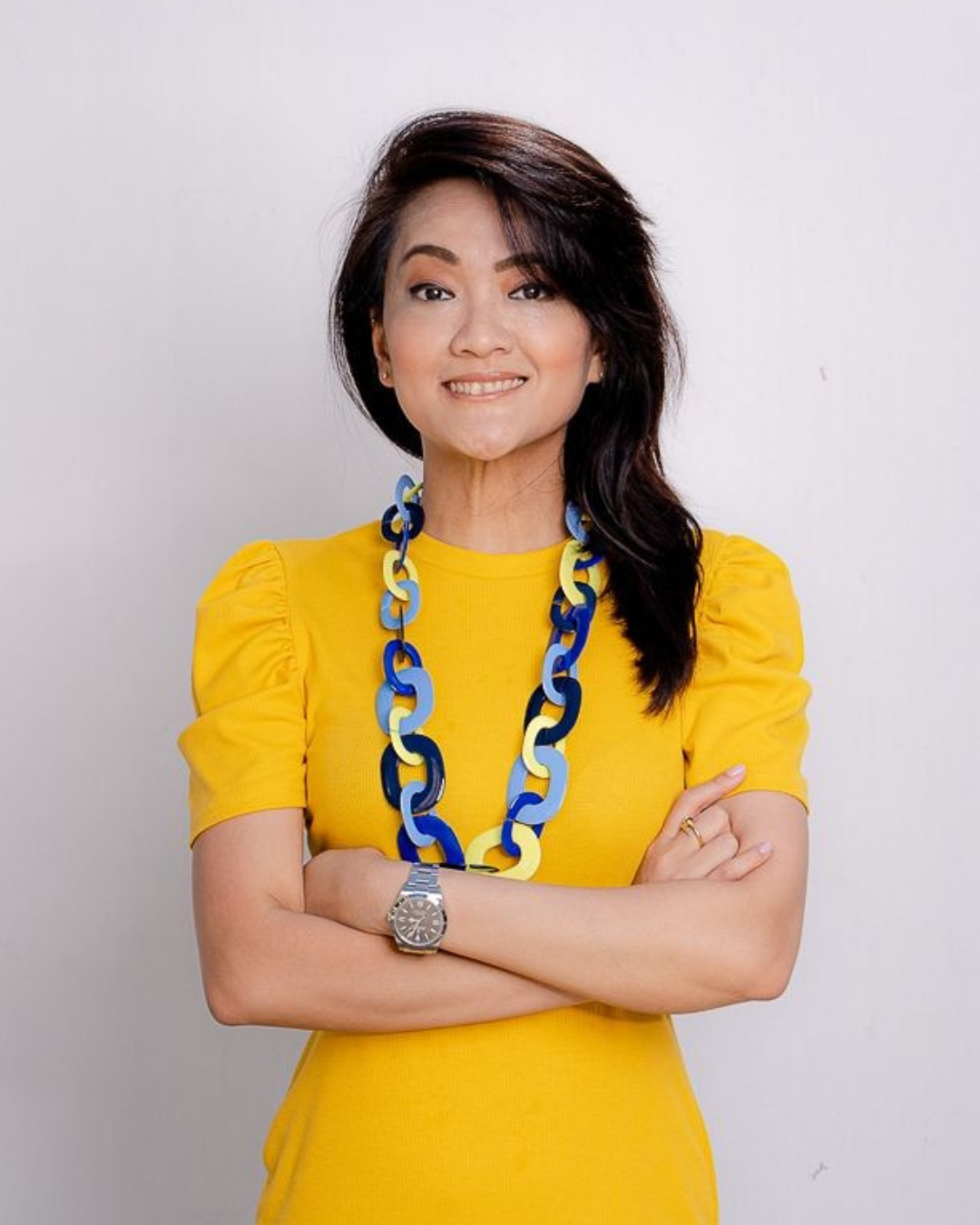
When Lovelynne Chong founded Fyreflyz in 2009, she was adamant that it would not rely on donations. A creative agency that empowers youths through skills training and job opportunities across digital marketing, social media, and design, it also funds structured programmes and scholarships for them.
“A charity depends on goodwill,” says Chong, an entrepreneur who trained in business, management and IT. “I wanted something sustainable, something that could help youths find independence and resilience.”
She envisions Fyreflyz as an alternative pathway for youths who fall through the cracks of conventional systems. They could struggle academically or with financial pressures, or lack the support and confidence to access opportunities on their own. Fyreflyz operates as a working platform, where revenue from client projects goes directly into allowances, training, and development opportunities for youths. Hence clients are not just outsourcing work, they are also actively enabling access, equity, and long-term transformation.
You founded Fyreflyz in 2009. Tell us more about your vision.
Fyreflyz was created to fill the gaps for young people who fall through the system. Many youths we work with come from low-income families, struggle with mental health challenges, while others have learning difficulties. They may not thrive within conventional structures but it doesn’t mean they lack potential. Through working on client projects, these youths gain confidence, practical skills, build their portfolio, and contribute meaningfully to the economy and our society.
Fyreflyz operates somewhere between an agency and a social enterprise. How does this empower the youths towards independence?
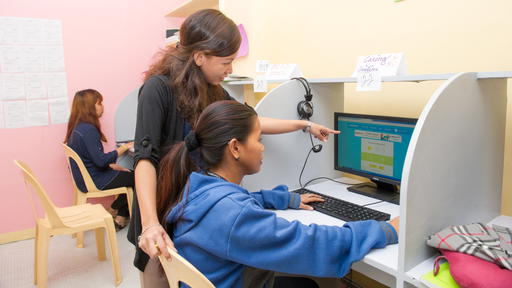
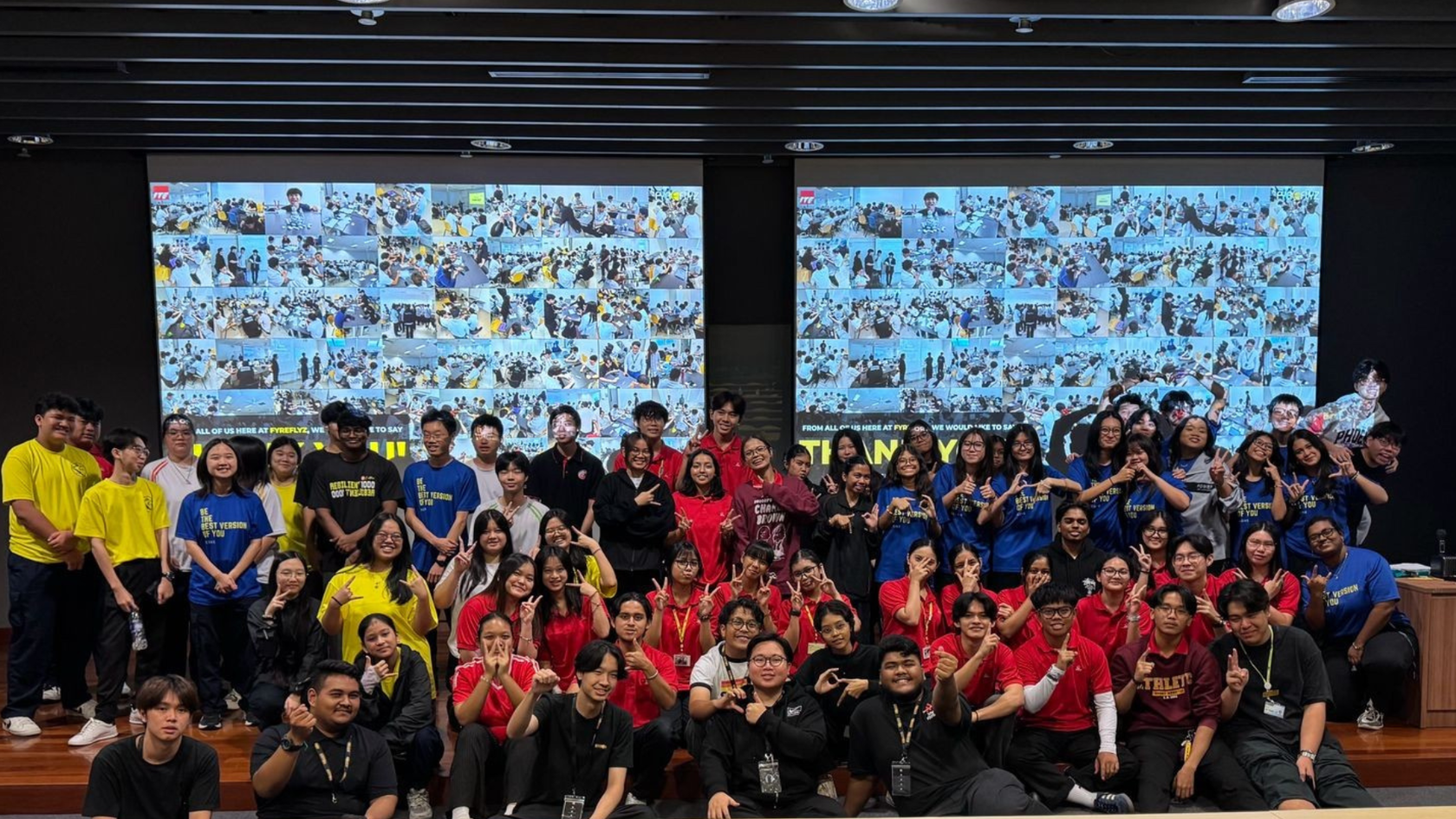
We work on marketing, content, and youth engagement projects for organisations and companies such as National University of Singapore, Colliers, and Timbre. About 85% of our team are youths from underserved or non-traditional backgrounds. Many are referred by educators from Institutes of Higher Learning, while others find us through our social media or website. Our recruitment process is intentionally designed to be “for youths, by youths” — candidates are interviewed by the current team, and hiring decisions are made collectively.
Once onboarded, these youths undergo our Rise & Thrive workshop. This is followed by internal projects such as documenting a “day in the life” of Fyreflyz, before gradually taking on client work. Training is not theoretical; it is embedded within real deliverables. Youths learn communication, accountability, teamwork, and project management by doing the work itself, supported by mentors and senior team members. Over time, we refine their roles based on their strengths, allowing them to build both competence and confidence.
Each journey typically lasts between 6 and 24 months. By the end, they leave not just with experience, but with portfolios, professional exposure, and a clearer sense of direction too. Independence, to us, means they are able to step forward into the workforce with both skill and self-belief.
How do you measure impact?
We don’t start with revenue or headcount. We start with what changes in a person’s life, and we measure it in real terms. Allowance is one marker—how much they are earning, and how that grows over time. But that is only the surface. We also look at how they carry themselves, their confidence, and their ability to take ownership, communicate, and lead.
Like Sam, who was quiet and withdrawn when he first arrived. He didn’t trust the team, and he didn’t trust himself. Through mentorship and real work, he found his voice. Today, he leads Fyreflyz’s Youth Resilience Workshop, guiding others who feel exactly the way he once did.
Then there’s Azim. Shortly after joining us, he was diagnosed with stage 3 cancer. He chose to keep going. He worked as a project manager here until January, when he left to return to school. So yes, we measure impact, through income, growth, confidence, and more importantly, through who they become and what they are able to do next.
Fyreflyz doesn’t position itself as donation-led. What challenges did you have to overcome?
Choosing not to rely on donations was not the easiest path. In the early years, one of the biggest challenges was credibility—convincing organisations to trust a team made up largely of youths who had little to no prior experience.
But our focus has always been clear. The youths we work with are often those who fall through the gaps—overlooked, underestimated, or excluded from traditional pathways. We did not want to build a model where they were seen as beneficiaries of charity. We wanted them to be recognised as contributors of real value. That meant building a system where access to opportunity is tied to real work.
Youths are not placed into simulations or short-term programmes. They are embedded into actual projects, with real expectations and accountability. Through this, they gain more than skills. They gain proof—that they can deliver, that they can be trusted, and that they belong in professional spaces.
We have received support from partners such as Temasek Foundation through its Oscar Fund, and the National Youth Fund. While it helped us to stabilise and grow, the core of our model remains market-driven. Trust took time to build. But now it allows us to consistently open doors for youths who would otherwise not have access—and to do so in a way that is sustainable, dignified, and transformative.
How would you describe your leadership style?
I’d probably describe my leadership style as an acquired taste. Some people really love it, some need a bit of time to get used to it, and a few decide it’s not for them—and that’s okay. At its core, it’s very much a two-way relationship. I believe leadership is not just about telling people what to do, but also about growing alongside them. The youths I work with challenge me just as much as I do them. They come from very different socioeconomic and cultural backgrounds, so it has taught me to be more mindful, patient and open. Everyone carries their own story, and leadership sometimes means taking the time to understand where someone is coming from before expecting them to move forward. At the same time, I do believe in being honest and setting clear expectations. I try to create a space where they feel supported, but also challenged enough to realise that they are capable of much more than they think.
What differences have you observed between the first generation of youths you worked with and the current one?
Youths today are more digitally comfortable, having grown up with smartphones, social media, and recently, AI. But many still struggle with confidence, direction, and access to opportunities. And with social media having become far more complex with algorithms, creators, tools, fragmented audiences, the pressure to perform, to compare themselves online, and to keep up with technology is much greater. That is why safe spaces like Fyreflyz—where they can experiment, make mistakes, and grow while working on real projects—matter even more today.
If you could return to when you were 17, what would you tell yourself?
“It’s going to be hard, but it will also be an incredible journey. You’ll learn lessons you never expected, meet people from all walks of life, and have experiences you could never have imagined.” [Smiles] I would also remind myself that the world is not always what it seems. Over time, you realise it is both bigger and smaller than you think—bigger in the opportunities it holds, but smaller in how deeply people and experiences can shape your path.