A pregnant woman’s immune system should, by all logic, be attacking the foetus because the unborn child is essentially a foreign entity since only half of its DNA matches hers. It however remains unharmed thanks to sophisticated immune mechanisms.
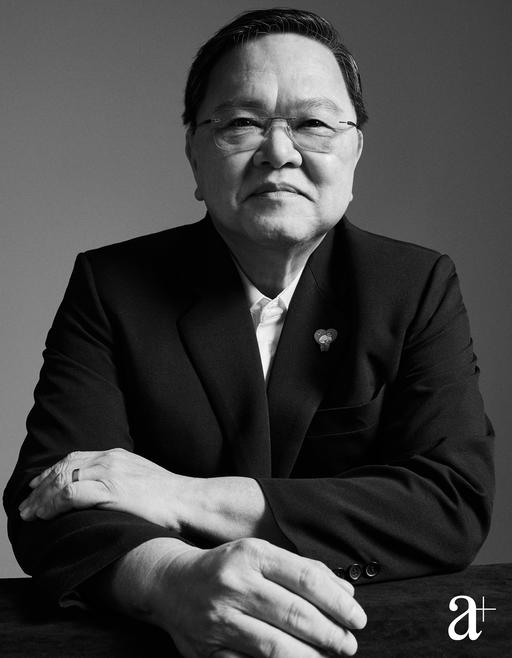
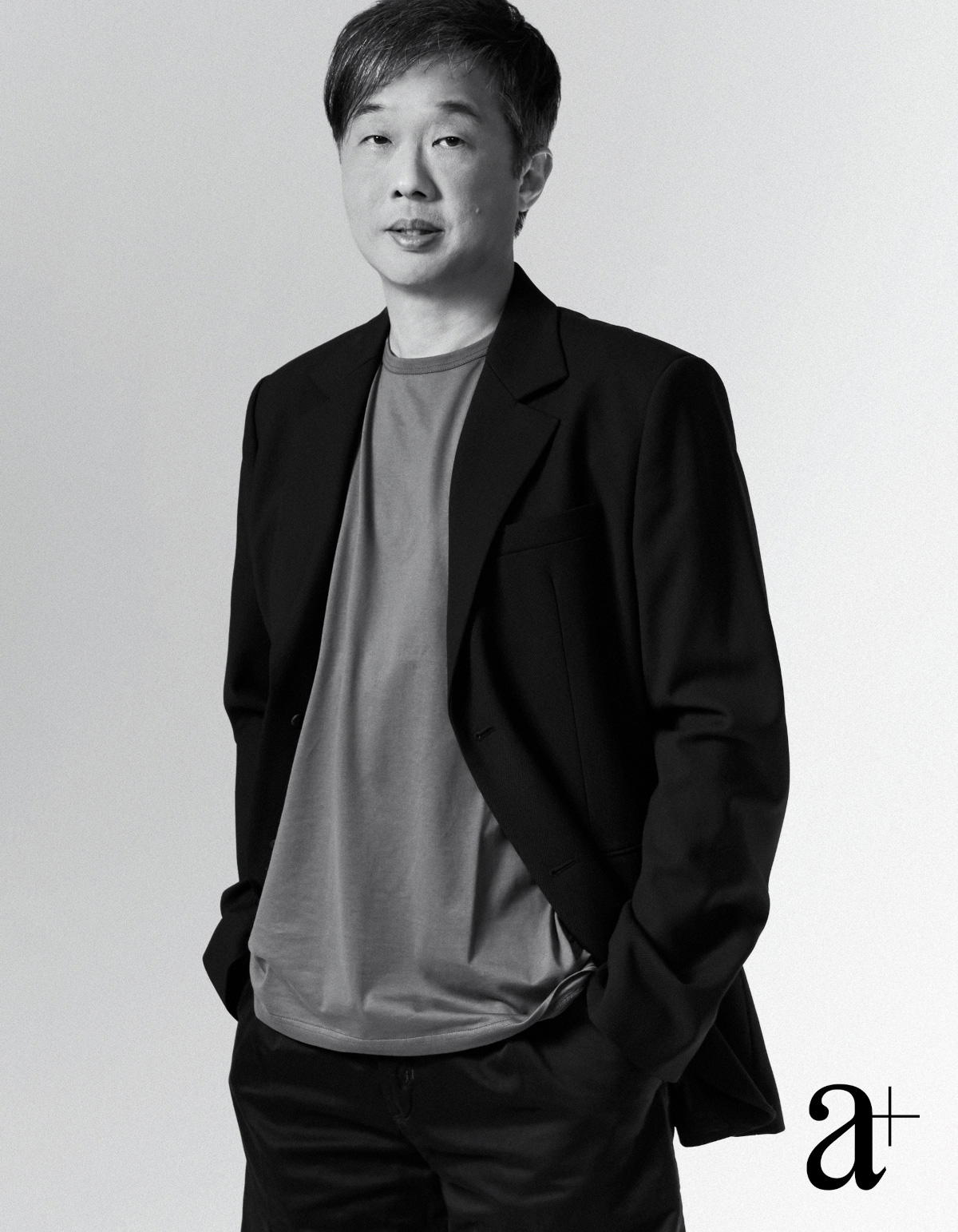
“This is known as immune tolerance, which fascinated me as a medical student,” says Dr Toh Han Chong. Enthused by immunology in pregnancy, he initially aspired to pursue a career in obstetrics. However, no house jobs in the department were available at that point in time, so he settled on medical oncology.
This would prove to be serendipitous for two reasons. First, he would become esteemed in his field. Toh is currently deputy CEO (Strategic Partnerships) and senior consultant at the Division of Medical Oncology at National Cancer Centre Singapore (NCCS), and holds a professorship at Duke-NUS Medical School.
Second, his cancer immunology research has pushed frontiers. Besides being the founding chairman of the Singapore Cancer Immunotherapy Consortium, he is also the principal lead of Cellular Immunotherapy at the SingHealth Duke-NUS Cell Therapy Centre. In addition, he recently put Singapore on the map by leading the world’s largest trial on T-cell therapy for solid tumours.
It was an undertaking he likens to climbing Mount Everest. “If we look at the mountain from the bottom, making it to the top seems hard and daunting. We needed vision, belief, resilience, a spirit of risk-taking, and stamina we never knew we had.”
Among other things, the trial aimed to test the effectiveness of T-cell immunotherapy following standard chemotherapy for nasopharyngeal cancer. Prominent personalities who have suffered from the disease include Malaysian badminton champion Lee Chong Wei and Korean actor Kim Woo Bin.
A comparison trial involving 330 patients was conducted as part of the process to determine whether adding cancer-killing T-cells would increase survival rates. This required Herculean effort, Toh says, because the team needed to make T-cells from blood samples for half of the group before sending them to trial sites in Singapore, Malaysia, Thailand, Taiwan, and the US.
But the painstaking endeavour paid off. “The trial did not show that these manufactured, specialised T-cells can improve survival in all patients, but we found a trend towards survival improvement in patients in the US and Taiwan.”
The next step involves hunting biomarkers to identify patients who can benefit from these T-cells. He gives a simple analogy.
“Not everyone loves durians, but if a biomarker can be found for durian lovers, then durian sellers can focus their efforts on these identified individuals.”
Dr Toh Han Chong on the importance of measuring biological processes
Advancing immunotherapy has been an uphill task; he remembers working long hours and battling scepticism back in the day. However, his efforts have been worthwhile. NCCS has developed immunotherapies for hundreds of patients, and has seen unexpected success in treating incurable cancer patients.
It is why immunotherapy, Toh jests, has become like chilli sauce. “It is ‘put on’ so many ‘dishes’ of treatment protocols, benefiting patients across so many cancers.”
It helps that our government made it a priority to fund and drive research and innovation in biomedical sciences, and in translational and clinical research, as an economic engine. Singapore now has world-class standards in many areas of cancer research compared to two decades ago.
But Toh won’t be resting on his laurels. His father, Dr Charles Toh—widely recognised as Singapore’s Father of Cardiology—is still running his clinic at the age of 94. “This means I cannot retire any time soon,” he laughs.
Art direction: Ed Harland
Photography: Cher Him
Hair & makeup: Wee Ming using Chanel beauty & Schwarzkopf Professional