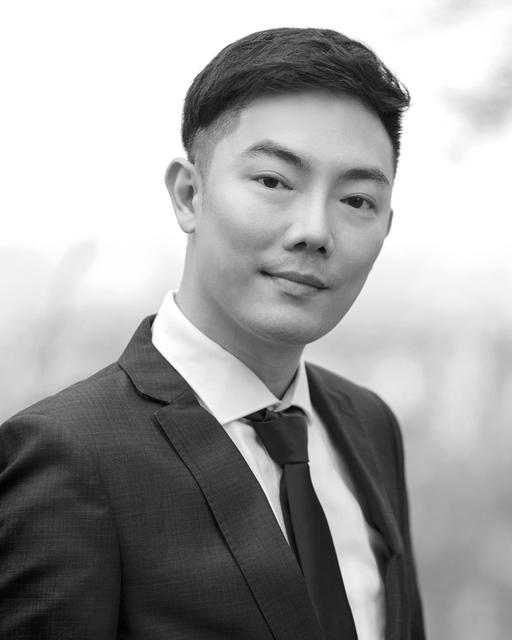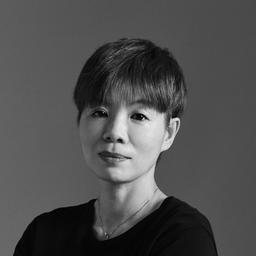

By the time fine lines appear around the eyes or joint stiffness occurs, as Dr Sankeerth Reddy, Co-Founder and Medical Director at Zest Clinic. points out, ageing is well under way.
Ageing begins in the cells – over time, cells tire more easily and work less efficiently hence slowing down the body’s recovery and restorative ability. For many of us, this often occurs at 25 years old, says Reddy,
A GP whose background spans public health, aesthetic medicine, pain management and palliative care, Reddy has worked with his fair share of patients on a quest for longevity.
“We don’t want to just treat symptoms; we target the root causes of ageing. We want to help them achieve a longer life – and one with vitality and vibrancy,” he says, during our meeting at his new 1,500 sq ft clinic in Parkway Parade.
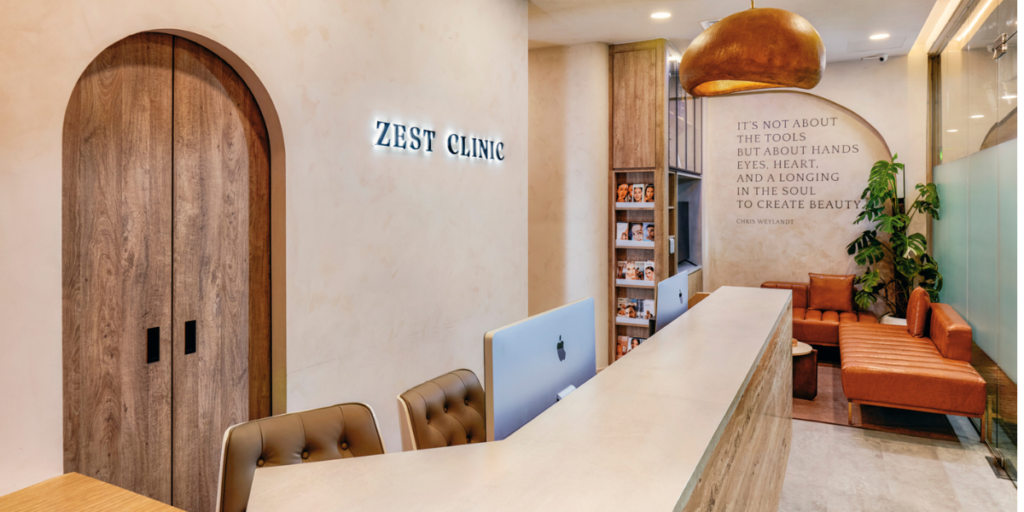
While ageing happens to everyone, its effects can vary among individuals due to genetics, environment and lifestyle. So for those who want to look and feel younger and healthier for longer, Reddy focuses on a personalised approach.
Zest Clinic’s expanded premises allows him and co-founder Dr Tiffany Yeo-Reddy to introduce more services for this purpose. They offer a bespoke 360-Degree Longevity programme that combines advanced anti-ageing treatments that help address concerns ranging from acne scars to hair loss, and empower you towards well-being for the long-term.
The quest to reverse ageing is like a “marathon” and not a “sprint”.
Dr Sankeerth Reddy, co-founder of Zest Clinic, puts the pursuit into perspective
Other personalised options include Weight Management, which is drawn from a patient’s unique metabolic profile to maximise outcomes and ensure sustainable results. And to optimise energy levels and enhance physical performance is a suite of targeted therapies for Metabolic Health Optimisation.
Chronological vs. biological age: which is a more sustainable indicator of well-being and why?
Chronological age is calculated from the year one is born, and progresses uniformly. Biological age reflects one’s actual physiological condition; it considers factors like cellular health and organ function, which directly influence health risks and longevity. It can vary with lifestyle, stress, and other influences. Hence this is generally a better indicator of health.
What are common ageing-related ailments patients seek help for?
Among them are facial wrinkles, sagging skin, metabolic issues like fatty liver, as well as arthritis, cardiovascular disease, high blood pressure, diabetes, osteoporosis, hormonal disruptions and cognitive decline. Some patients also come to us to consult for vision and hearing loss, and weight gain.

We have worked with them on various treatments, ranging from hormone replacement and antioxidant infusions to NAD+ (nicotinamide adenine dinucleotide), as well as lifestyle modifications such as intermittent fasting and including supplements that support mitochondrial health.
Any advice for those considering therapies to stave off the effects of ageing?
Seek guidance from qualified healthcare professionals, understand potential risks, and maintain realistic expectations. It’s also important to prioritise healthy lifestyle habits over seeking quick fixes.
While promising research on cellular rejuvenation and regenerative medicine is advancing quickly, we must remember that longevity is not just about lifespan but also about quality of life. The quest to reverse ageing is like a “marathon” and not a “sprint”. And while certain biohacks can help to expedite repair and recovery, the end outcomes still depend on the interplay of various factors.
But one treatment doesn’t work the same for all.
That’s right. Outcomes are highly individualised because they are influenced by factors like genetics, current health status, and adherence to treatment protocols. So it is important to tailor treatments accordingly.

At Zest Clinic, we adopt a holistic approach to address anti-ageing concerns. It is crucial because focusing on just one aspect, for example, skin, may reduce attention to other factors. A holistic approach enables a better result that sustains over a longer period of time.
As such, patients might undergo comprehensive assessments to identify deficiencies, gut microbiome gaps, sources of inflammation in the body, metabolic markers, and genetic markers. We also examine their nutrition, skincare, exercise, mental and emotional health, and sleep patterns.
So, what one mistake do people often make in their anti-ageing pursuit?
Sleep is often overlooked but crucial because it allows for repair and recover. Poor sleep can accelerate cellular ageing and increase susceptibility to age-related diseases.
Understanding the sleep cycle duration, heart rate variability, oxygenation and movement tracking during sleep, as such, offers insight into the body’s recovery and equilibrium processes.
How do you age-proof yourself?
Exercise regularly, eat a nutritious diet, manage stress, and stay socially connected. Continuous learning also boosts resilience.
What would you say to your future self?
Continue to prioritise health, family, and experiences over material goals.
Book your appointment at Zest Clinic here.