
There is a burgeoning consensus among businesses that it’s no longer enough to take less when it comes to the environment. Rather than reap, more should be sown to ensure resources are restored and the plane left better than it was before. Essentially, regeneration is the new sustainability. Regenerative sustainability is going one step further.
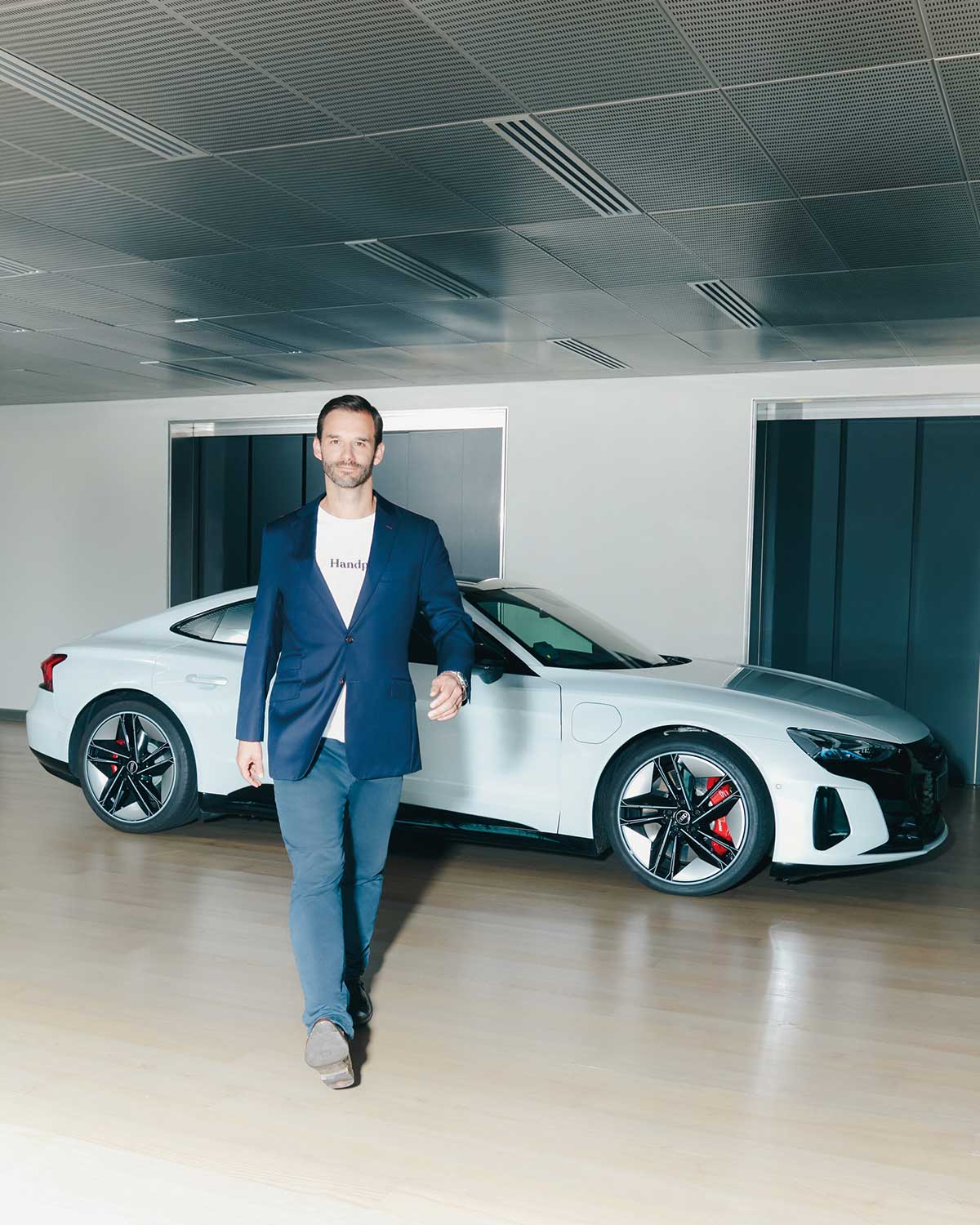
“Although the concept of sustainability is still important, it’s not a powerful differentiator anymore because of increased pressure from governments and investors to report and reduce negative impact. Regeneration creates competitive advantage as the focus is on positive impact,” says Dr Simon Schillebeeckx of Handprint. The Singapore-based startup offers businesses regenerative software-as-a-service platform solutions to reduce their ecological footprint.
Its approach is relatively simple: companies sign up; select verified impact projects they align with, such as removing plastic from oceans and building coral reefs; choose how much they want to pledge with every sale; and embed a plugin into their payment processing or e-commerce tools to demonstrate their commitment.
Considering current market sentiments, it’s more than just a matter of flying a flag—it can also generate greater profits.
“Cart abandonment is a massive issue in e-commerce, and 70 to 84 percent of items in carts are not purchased. This creates a lot of complexity in inventory management and, of course, missed sales.”
Dr Simon Schillebeeckx on common commercial challenges
“However, through A/B testing with Ultra Football, an Australian sports e-store, we have seen Handprint’s tools increase cart conversion by 16 percent using data analytics,” says the 39-year-old Belgian. When consumers see the company is making a positive impact, he continues, this affects their behaviour. With every dollar Ultra Football spent on reforestation, their project of choice, it increased revenue by AU$9.
But the first-mover advantage is as much the company’s strength as it is its weakness, since regeneration is still a nascent industry in Asia. The onerous task Handprint faces is educating customers about its value, and while firms like AliPay, Toms, and Cariuma have delved into the space, “it still takes time for companies to adapt to a new reality”.
As co-founder, Schillebeeckx is well-acquainted with wearing multiple hats, a common challenge in working in startups. “My title of chief strategy officer is not that important really. I’m also chief science officer and chief evangelist. Additionally, I head the sales team and I’m responsible for paying salaries.”
He is also co-founder of Global Mangrove Trust, a nonprofit that uses blockchain and remote sensing to support mangrove reforestation, and is as much an academic as he is an entrepreneur as assistant professor of strategic management at SMU.
Conceivably, juggling his time and resources across all these roles has him burning the candle at both ends, so he makes it a point to remember what lit the fire under him.
“In 2007, I watched a TED Talk video by William McDonough called Cradle to Cradle. In it, he explains its principles and argues that design is the first signal of human intention. That always stuck with me. If we look at all the designs around us, we have to ask ourselves, ‘What is our intention as a species?’” he muses. “That question put me on the path of environmental sustainability and I’ve never looked back.”
On the fence about joining the regeneration bandwagon? Schillebeeckx says now is the time to get started for governments will eventually pass legislation mandating participation.
“The climate and biodiversity crises require all actors to go beyond the old model and adopt a new sustainability and corporate social responsibility approach in which positive impact is integrated into a company’s daily processes. This is where the competitive advantage of the future lies. It is about regeneration, from footprint to handprint.”
Art director: Chia Wei Choong
Videographer: Yvonne Isabelle Ling
Photographer: Cher Him
Photographer’s assistant: Glin
Hair: Peter Lee, using Goldwell
Makeup: Keith Bryant Lee, using Shiseido