One of the most produced chemicals in the world is ethylene oxide. But the process also gives rise to carbon dioxide, a greenhouse gas.
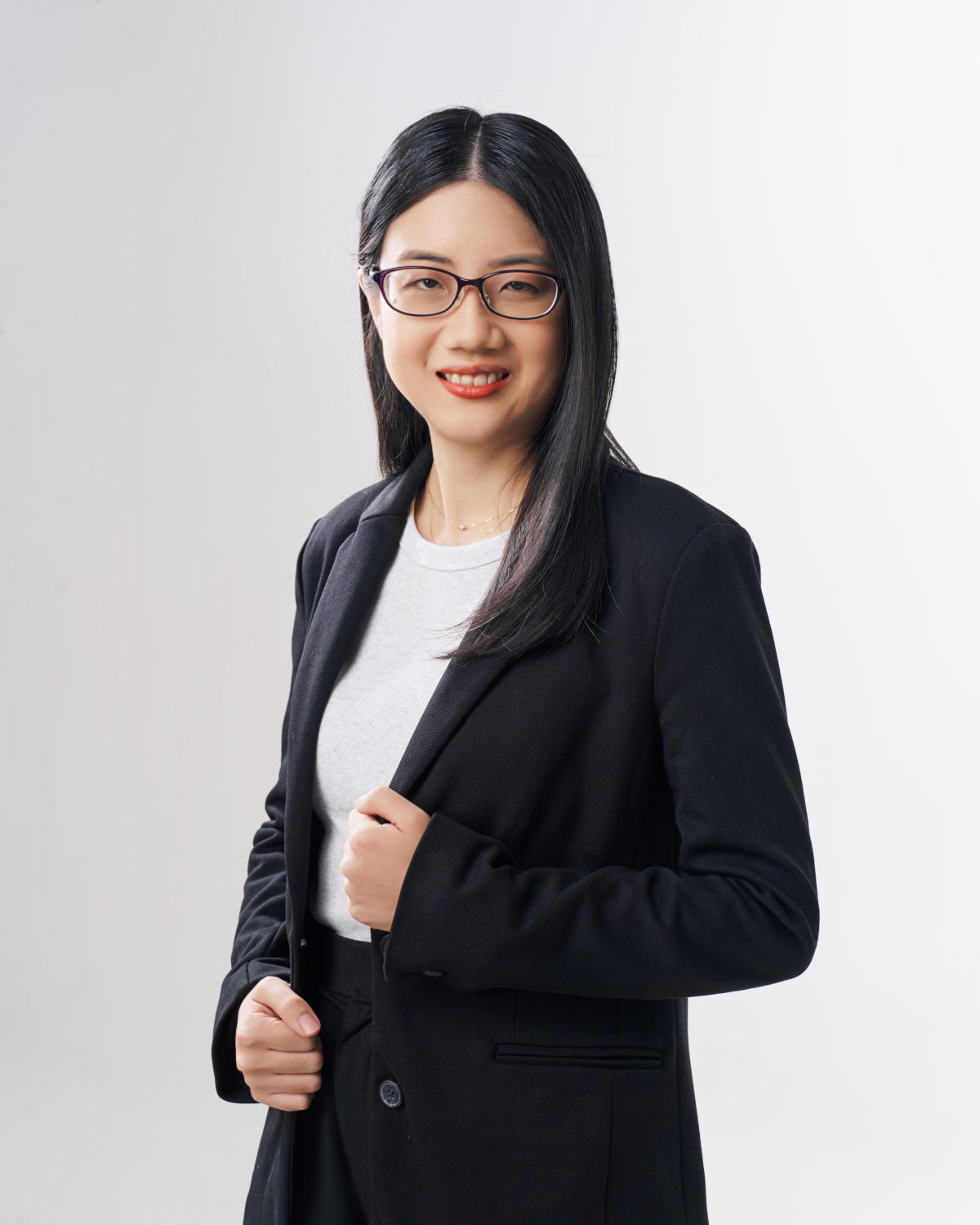
Recently, Dr Leow Wan Ru pioneered a method for producing ethylene oxide that cuts carbon dioxide emissions in two ways. First, it facilitates the use of a clean and renewable energy source. Second, it helps scientists avoid uncontrolled chemical reactions.
As “a new electrified system that can increase the rate of ethylene oxide production to at least 10 times higher than previous reports”, the method also amplifies output. And Leow, a research scientist at A*STAR Institute of Sustainability for Chemicals, Energy and Environment, has no qualms revealing it was all through a chance discovery.
“I was performing a reaction and put in ethylene out of curiosity. The result was a crude intermediate product. So, I sought a way to release the precious ethylene oxide from it,” she explains. Gathering data and refining the system took about a year. Colleagues in various fields shared expert opinions, helping to engineer the system’s components and accelerating the project’s progress.
In recognition of her work, Leow was recently awarded $10,000 by the L’Oréal-UNESCO For Women in Science 2023 Programme to advance her research. Given that a substantial portion of Singapore’s emissions are caused by chemical manufacturing, she intends to channel the funds into using renewable energy for chemical reactions.
“We refine 1.5 million barrels of oil each day to make the chemicals we need. We wear, eat, use, and own things that contain these chemicals. The carbon dioxide released as a result makes up about half of Singapore’s emissions profile.”
Dr Leow Wan Ru on the need for greater sustainability research
“As a tropical island, our environment is susceptible to the impact of temperature changes and rising sea levels. This motivates me to research sustainablility methods that can reduce carbon dioxide emissions without compromising our lifestyles.”