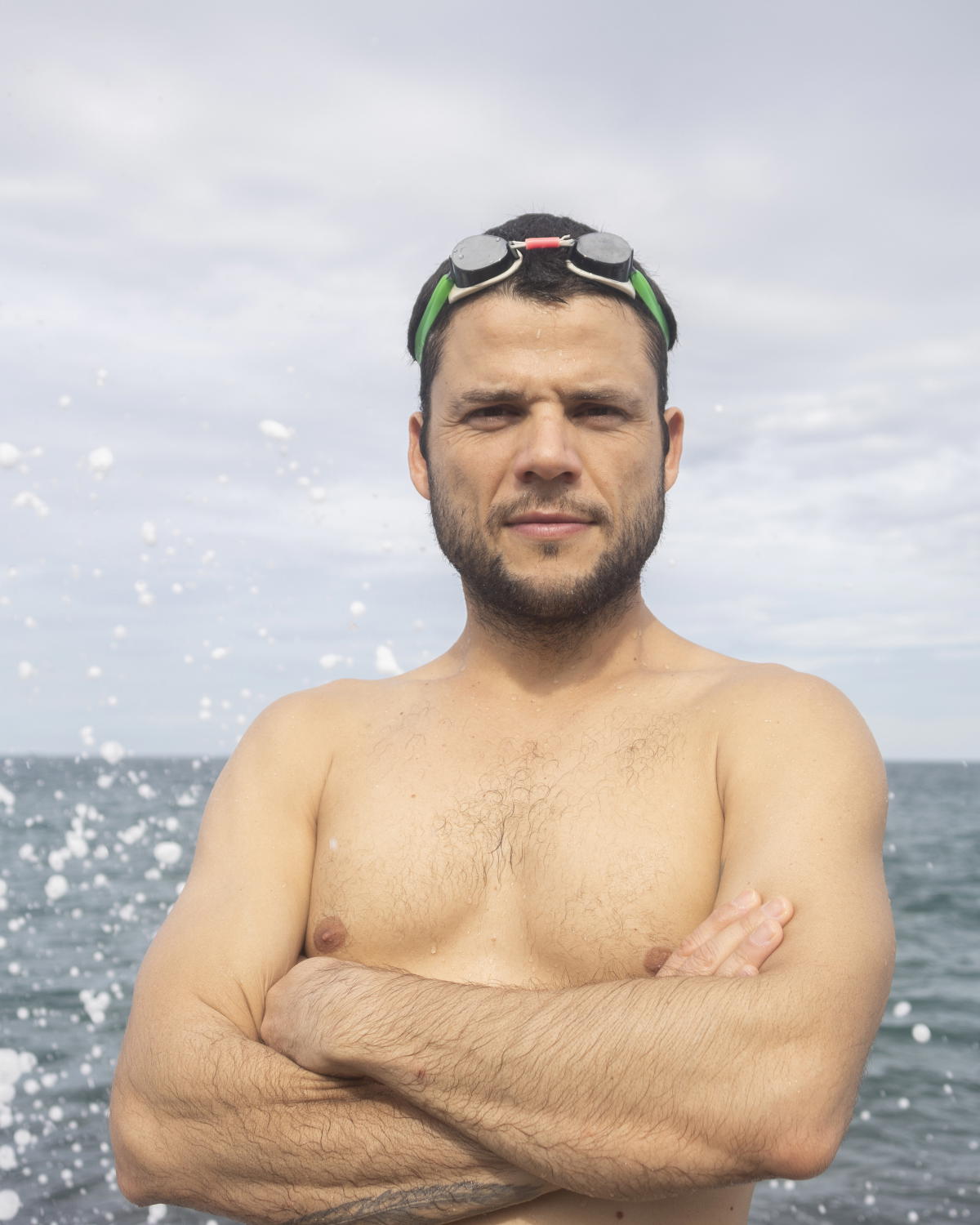
More people have stood on the moon than have walked around the world. But it was not enough for Nacho Dean to have circumnavigated the earth on foot, so he went on to swim the waterways between five continents. He is the only person in history to accomplish both feats.
The land expedition took place from 2013 to 2016. The Spanish adventurer mostly roughed it in jungles, deserts, and mountains, and occasionally found himself in a fine kettle of fish. Besides being attacked with machetes, he also witnessed a terrorist attack and contracted the viral disease chikungunya.
But his biggest challenge was taking the first step. “The most difficult part was going, ‘This is me and this is what I want’, and then leaving everything behind to fulfil a dream. The only way I was able to do it was to acknowledge the miracle of being alive,” he recounts. At the time of this interview, he is in town to give a speech at the latest Rotary International Convention, an event that brings together prominent volunteers dedicated to tackling the world’s most pressing humanitarian challenges.
Crossing the finish line, he continues, boiled down to mental resilience. “No matter how much you train and plan, the unexpected can still happen. When it does, it is the mind that drives the body, not the other way around.”
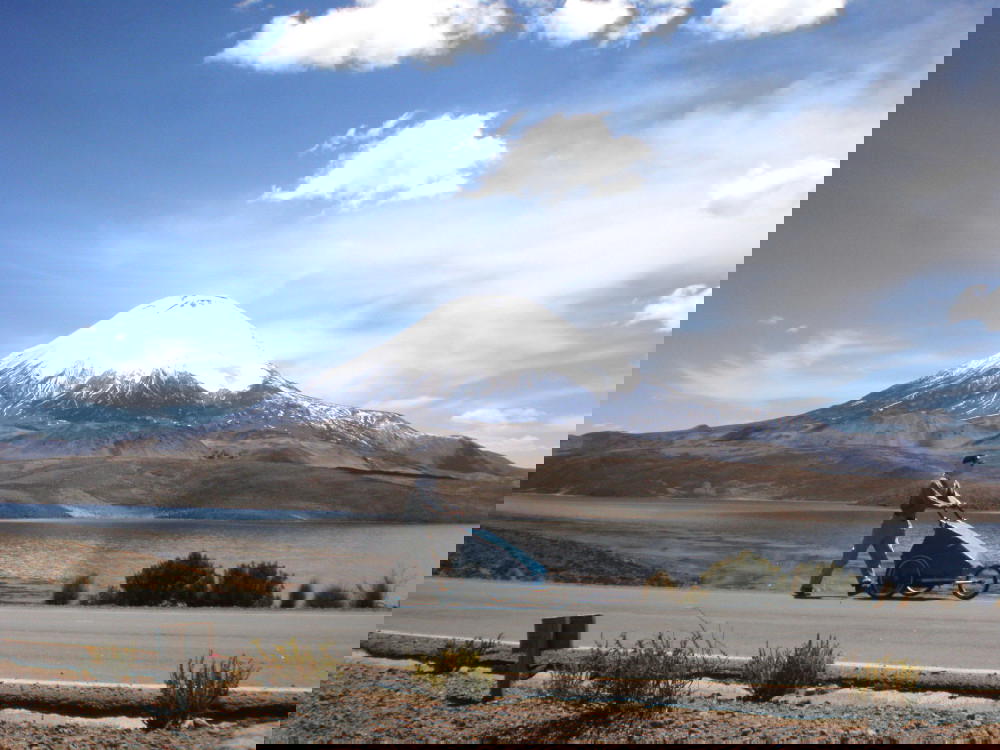
Eager to push his limits a second time, he took part in the sea crossings between 2018 and 2019. A lot more preparation went into it because he was unfamiliar with open water swimming. “My background is in mountaineering, so everything I knew was useless to me. I had to start from zero,” he explains. Among other things, he had to learn to sight swim, swim with currents, and build resistance to hypothermia.
It was only two years later that he completed the first of the crossings, which cut through the Strait of Gibraltar. Each crossing took between three and seven hours, and presented threats like sharks, crocodiles, and poisonous jellyfish.
Dean admits that these endeavours were partly for self-satisfaction—he likes the idea of leaving behind a legacy. But they were primarily to draw attention to something bigger than himself: environmental causes. The walk was to spread the word about climate change.
“Walking is the most ecological method there is, so I was able to preach values of sustainability and care for the environment to the thousands of people I encountered.”
Nacho Dean on his chosen mode of transport
The swim was to raise awareness about ocean conservation. During the one year process, he documented the state of remote marine ecosystems and collaborated with local projects on beach clean-ups. As sea levels rise, invasive species incursions occur, and biodiversity diminishes, it is imperative for people to reduce their carbon footprint and better manage waste. Doing away with plastic straws is simply not enough.
He emphasises that several key changes need to be made. First, better environmental education is necessary to transform society from top to bottom. Second, greater innovation will help companies create a more positive impact through their products and services. Third, stricter legislation to hold everyone accountable for their actions. Last but not least, sustainable finance. Funding sustainable projects, start-ups, and companies can have far-reaching impact.
Although he last visited Singapore a decade ago, he keeps abreast of our green initiatives, citing our plan to quadruple solar power deployment by 2025, plant one million trees by 2030, and achieve net zero carbon emissions by 2050. He reckons that we’re setting a shining example. “When it comes to preserving our planet, economics and ecology go hand in hand. If they are disconnected, we will be on the wrong path. We are wrong to believe the economic model we follow destroys the environment in which we live.”
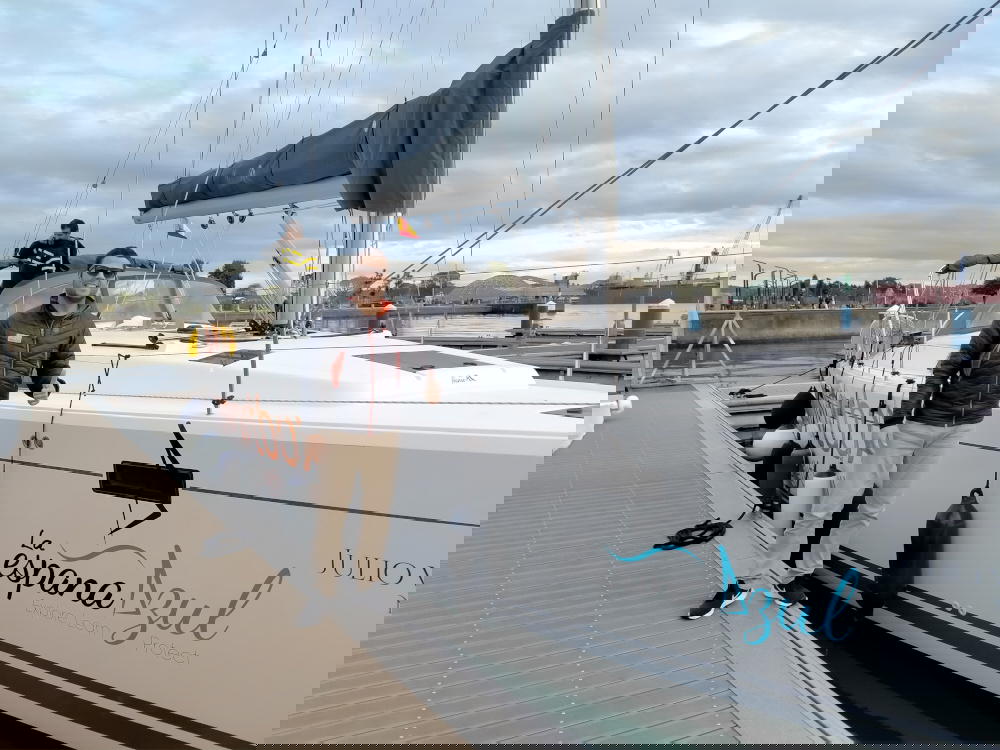
These days, he devotes his time to giving talks about personal growth and environmentalism. His speech at the Rotary International Convention centred on the relationship between the environment and our physical and mental health. “Did you know that 99 percent of the air we breathe exceeds the guidelines set by the World Health Organization? Or that the destruction of the environment, whether in the form of fires, spills, or the disappearance of the [North and South] poles, is directly related to stress, anxiety, and depression?” he asks rhetorically. This is why, he adds, all actors in society including consumers, companies, and governments, must take action.
But he hasn’t entirely hung up his boots when it comes to voyaging. Apart from working on the first-ever oceanographic map of plastic pollution along Portuguese coasts, he is organising an international expedition to study ocean conditions in collaboration with scientists, marine biologists, CEOs, and students. He expects the latter to materialise in 2027.
In his view, the perfect world is one in which we live in harmony with the planet and are happy, healthy, safe, and free—and it can still be achieved if global action is taken for more conscious and responsible consumption habits. It won’t be a walk in the park, but if we keep putting one foot in front of the other, we will surely end up a lot further along the journey from where we started.