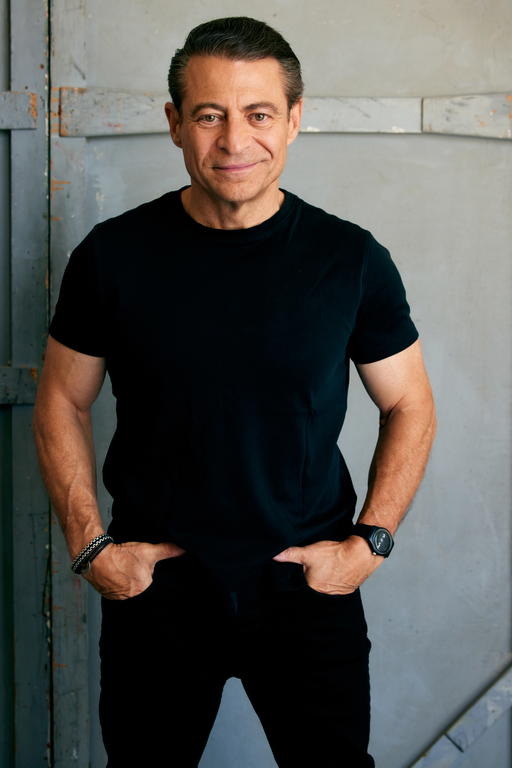
Nobody lives forever. But Dave Asprey might, or at least for comparatively longer. The self-styled ‘father of biohacking’ is certain he’ll live to 180. “Given all the things I’ve done, I’ve been able to reverse my biological age by 20 years,” he tells me.
You might recognise him as the founder of Bulletproof Coffee, a popular high-calorie caffeinated drink made with butter and MCT oil, a fat-burning and energy-boosting supplement. Or perhaps from a video in which he touts white rice as healthier than brown rice. Either way, the 51-year-old entrepreneur is au fait with advanced biohacking practices such as stem cell therapy and transcranial electrical stimulation—running an electrical current through the brain to alter brain function—in the pursuit of longevity.
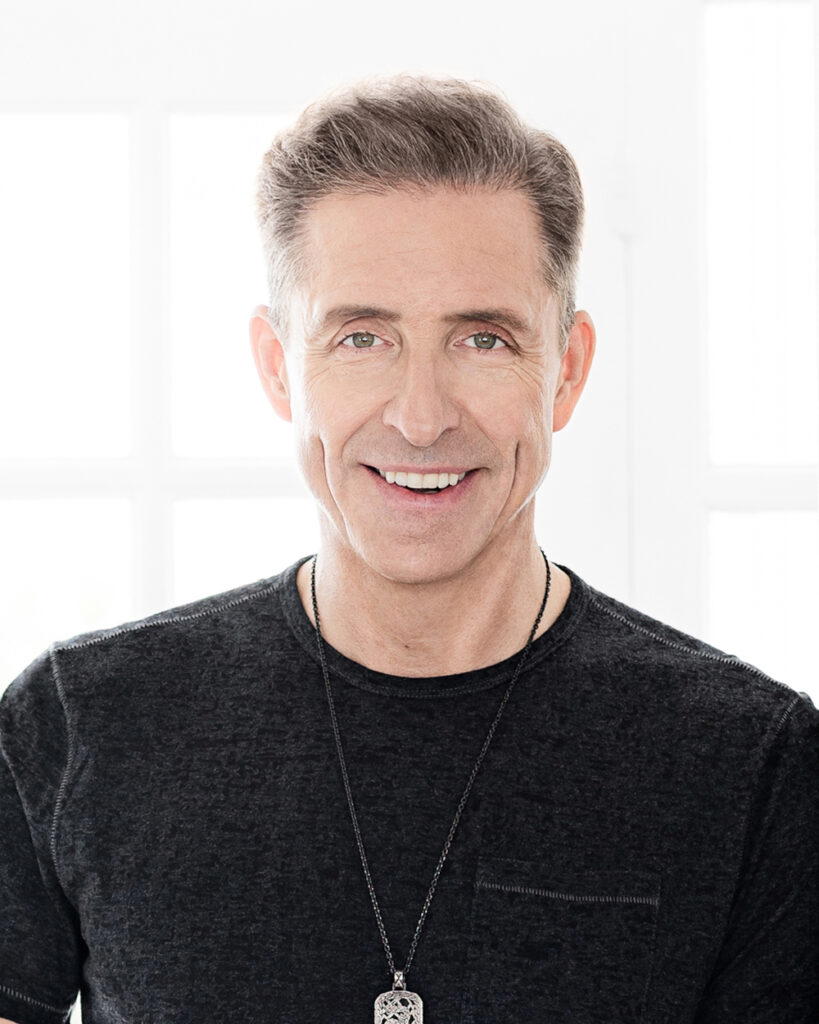
It is why he pours millions of dollars into researching his biology with good grace. “I’m finding out what works and what doesn’t so other people don’t have to. These investments pioneer a future where everyone can take control of their biology and upgrade their lives,” he explains.
In Asprey’s view, his ample biohacking endeavours and contributions to the community accord him some degree of authority. These contributions include four biohacking books that are The New York Times bestsellers, a biohacking podcast, a neuroscience facility that helps people “upgrade their brains”, and a biohacking conference that he asserts is the largest in the world.
That said, his efforts are unquestionably preternatural. Biohacking involves making incremental changes for better health, and while enthusiasts generally strive to prolong their lifespans, it’s probably safe to say that they don’t typically share the same degree of aberrance or expect to live twice as long.
Also, the treatments Asprey has undergone that do the heavy lifting are largely inaccessible. The cost of follistatin gene therapy, which he credits for shaving nine years off his biological age, is notoriously prohibitive.
Then there is the validity of some of his claims, which his critics say are spurious. How then should we navigate the biohacking landscape to optimise our health? Is there anything that makes a real difference that we don’t have to ironically sell a kidney for?
We are all biohackers in some way
As much as Asprey spends big bucks on his attempts to transform his body on a cellular level, he acknowledges that some of the best biohacks are free or low-cost.
In his experience, free practices with the highest return on investment include the incorporation of morning sunlight (“to set our circadian rhythm”); cold showers (“to promote recovery, blood flow, and endorphin release”); comprehensive sleep hygiene (“avoid artificial light when the sun goes down, and keep your room temperature between 15 and 20 deg C”); gratitude (“it rewires your brain and reduces stress”); breathwork (“you can change your entire physiology by changing the way you breathe”); and time with love ones (“studies show those with strong social connections live longer”).
This means we all engage in some form of biohacking even if we don’t know it.
“Biohacking is changing the environment around you and inside you so you can take control of your biology. If you take a vitamin to improve your nutrition, drink coffee for a boost in energy, or lift weights to become more muscular, you’re a biohacker.”
Dave Asprey on the actual prevalence of biohacking
Asprey believes that low-cost options can be as straightforward as choosing white rice over brown rice. “The outer layer of brown rice contains loads of antinutrients like phytic acid. Also, brown rice contains 80 times more arsenic than white rice,” he posits. “White rice is a decent low-toxin carbohydrate source that can be included in one’s diet for hormone and thyroid support.”
It should however be noted that he isn’t a medical doctor and this is not medical advice. As with everything, we ought to do our own research and consult a medical professional about our doubts.
Still, anti-ageing zealots are experimenting with increasingly unorthodox procedures. Among other things, Bryan Johnson, the compelling protagonist of the recently-released Netflix documentary Don’t Die: The Man Who Wants to Live Forever, made waves when he underwent a series of plasma transfusions with his son as the donor. The project ceased when his team did not detect anti-ageing benefits, but Johnson continues to follow a heavily regimented lifestyle and participate in trials based on conjecture.
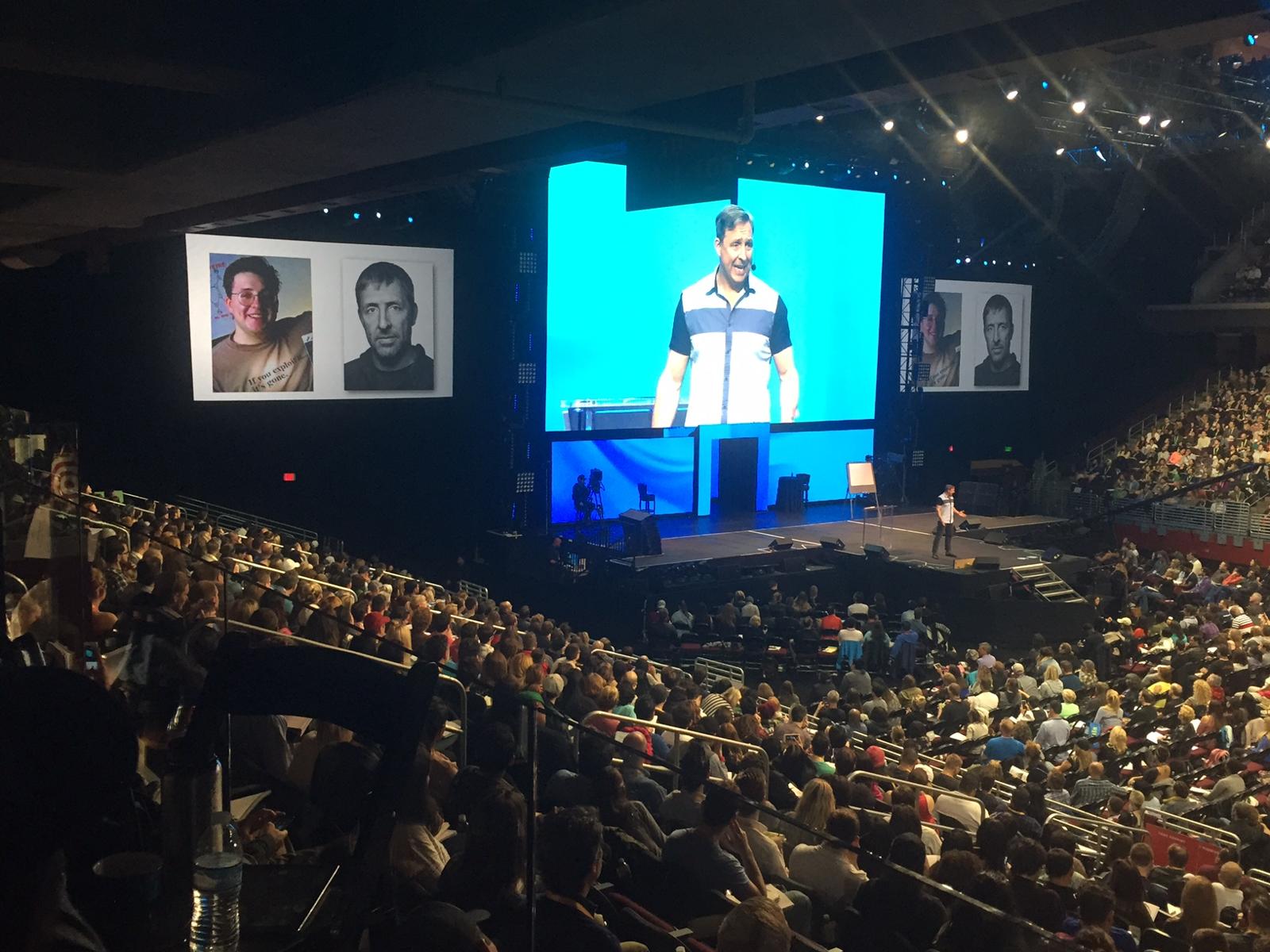
This sort of extremity is why some people who lead biohacked lifestyles distance themselves from the term “biohacking”. Abel James, creator of The Wild Diet—a low-carb, high-fat diet that focuses on whole foods such as lean protein, healthy fats and vegetable—suggests that biohacking and longevity have become overhyped.
“I’ve been called a biohacker since the word appeared well over a decade ago, but I take issue with the term. Hacking something is certainly not the goal and thinking we can outsmart mother nature is hubris that ends in folly,” he says. “Focusing on semantics may seem trite, but it’s critical to set our intention and be clear about what ethical lines we will not cross.”
An Apple-ranked podcaster and The New York Times bestselling author, James guides people in improving their relationship with food, performance, and longevity while navigating myths and misinformation. “Many ‘gurus’ preach that their way is best or even the only way to achieve results, but it’s false. The same protocols, pills, and procedures will produce a different result for everyone as each of us is biochemically unique,” he underscores.
“If I’m a biohacker, it’s of the holistic type. I teach people to work with the laws of nature, not against them. Most of the self-proclaimed ‘gurus’ in biohacking are masters of marketing, not health nor longevity.”
Abel James on his approach towards biohacking
In his opinion, fanatical biohackers who have emerged from the movement have severed their connection with the natural world in a bid for attention, relevance, and an unnaturally long life. It is why he has a dim view of the biohacking boom.
“The rich treating themselves to blood transfusions from younger members of their families and indulging in ‘vampire facials’ are so dystopian they sound like satire. Are we here on earth to obsess over our bodies, or to develop our souls? I don’t have the answer, but neither do the people who claim they do.”
You can’t go wrong with the basics
Genetics may play a role in our health, but they don’t determine our fate. A recent study led by researchers from Oxford Population Health found that lifestyle and environment have a greater impact on health and ageing than genetics. Similarly, studies have found that only five to 10 percent of all cancer cases can be attributed to genetics, while the remaining 90 to 95 percent are caused by lifestyle and environment.
Knowing how much control we have over our health is exactly why biohackers like Asprey are willing to plunge into off-the-wall biohacking practices headfirst. It helps that he isn’t bothered by naysayers. “If someone is sceptical about techniques like red light therapy or cryotherapy, I tell them to give it a try. What do they have to lose? Most people who try these things end up ditching their skepticism.”
Although James has reservations about the efforts and intentions of current biohackers, there are biohacking techniques he gets behind. Like Asprey, he also believes in red and near-infrared light therapy (“they mimic wavelengths naturally found in sunlight”) and cryotherapy (“it works because humans are designed to adapt to cold exposure, but our bodies don’t care if we use fancy gadgets or jump into a cold pond”). Also, sweat lodges and saunas (“they have been part of human health, culture, and spiritual traditions for thousands of years to purify the body and mind”).
Still, he remains “extremely conservative” about ethics and safety in biohackings for he has seen things come apart at the seams. “Most of what’s referred to as biohacking is high-octane pseudoscience. I’ve known far too many people who have lost their health or lives in pursuit of longevity, not to mention their souls. Many of these ‘gurus’ are driven to obsession not from their love of life, but by their fear of death.”
Asprey isn’t afraid to admit that some of his experiments have gone awry, like the one time he slept in an ice bath and woke up to first-degree burns over 15 percent of his body. Trying out a fully carnivore diet also resulted in several problems. “I felt great for the first month or so, but then my sleep started to suffer and I gave myself a leaky gut. It turns out that you need carbs for your brain to work efficiently while you sleep and to maintain your gut lining.”
But you’ll never find him wishing he did anything differently. As with everything, biohacking requires trial and error. “I don’t regret anything I’ve done because I learnt something from each experiment whether or not it worked.”
James’ cautionary stance means his advice for optimising our health and longevity is simple: eat nutrient-dense real foods, develop a mindfulness and movement practice, prioritise quality sleep and recovery, spend time with the people we love, and strengthen our connection with the natural world instead of trying to get the better of it. “Take it from one of the OG biohackers: when it comes to health and longevity, there are no shortcuts,” he sums up.
Both biohacking icons share similar sentiments about the importance of the fundamentals. All this to say, we can biohack ourselves by just going back to basics, often prudent means that cost next to nothing.
Perhaps then the most important question for biohackers with radical ideas is not how, but why. Why do they seek to live twice as long, if not forever, given the state of the world?
Asprey is excited about being on the cusp of a revolution in science and technology; an area that involves gene editing, organ regeneration, AI-driven health monitoring, and treatments that reverse the ageing process at its core. He hopes to see what’s in store for humankind.
“Imagine living in a world where your body doesn’t break down from chronic disease, where your mind stays sharp, and where you can keep evolving as a human—living until 180 and beyond.”