
It’s great to look younger than one’s years. The trouble starts when younger becomes one’s benchmark for better.
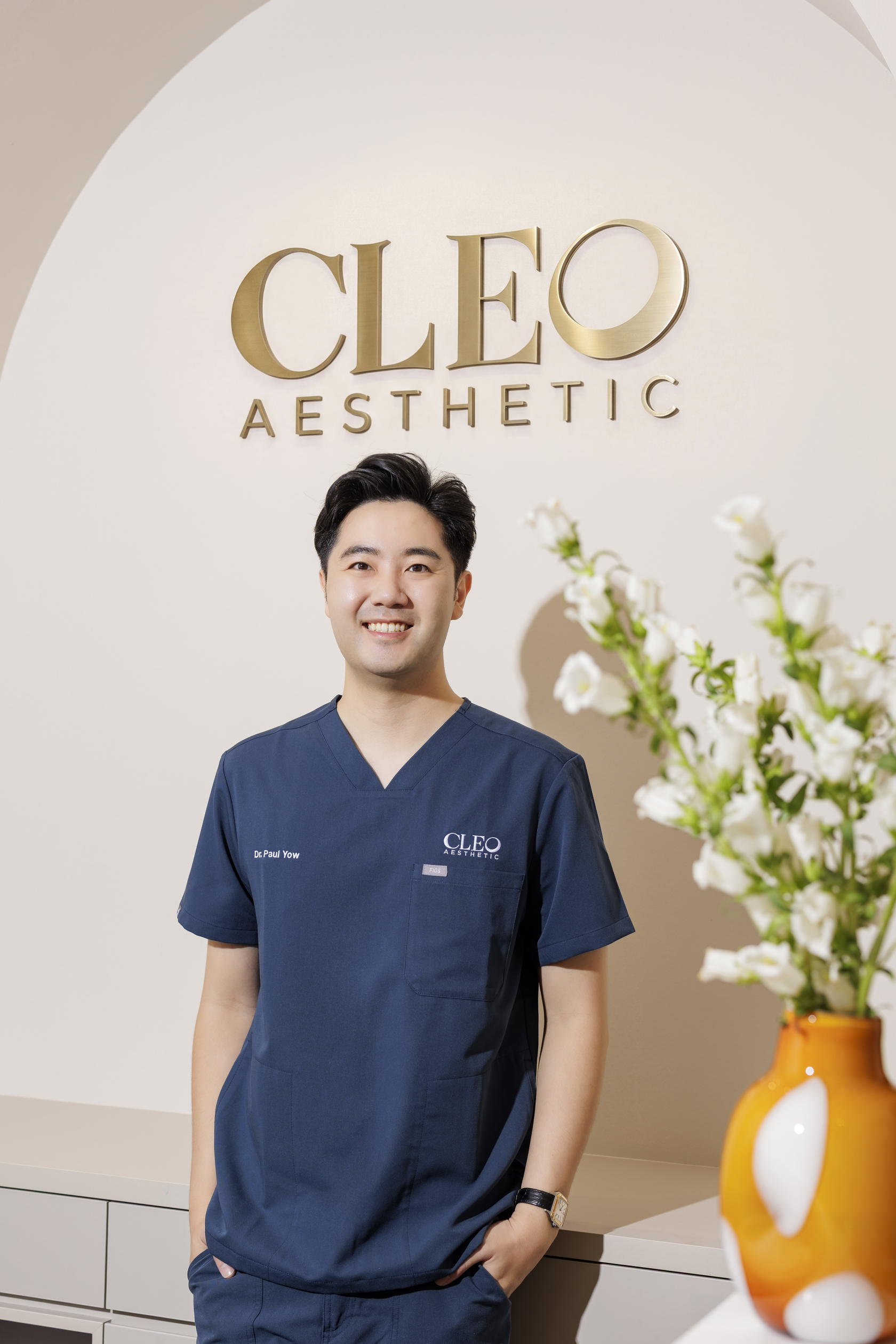
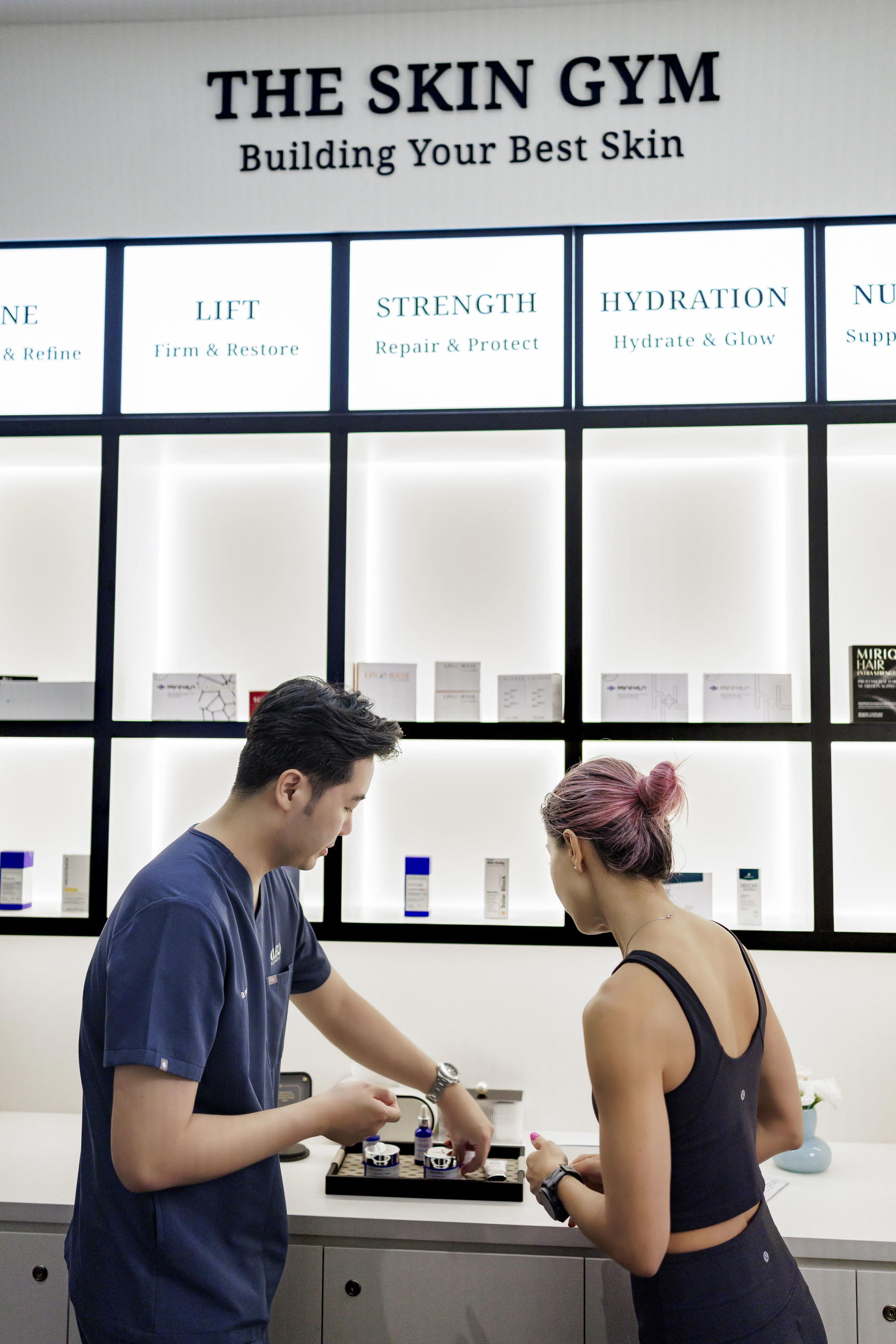
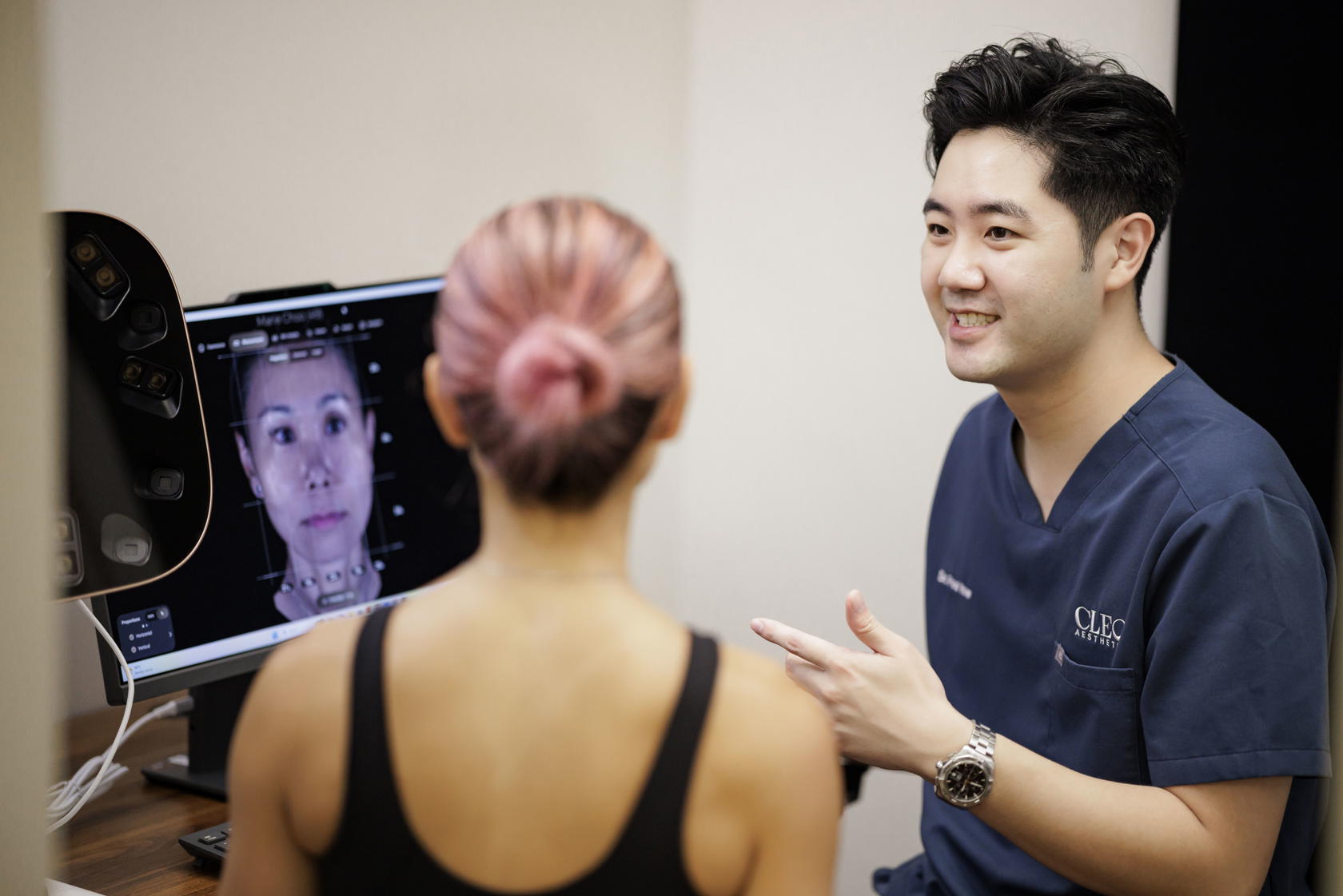
At Cleo Aesthetic, founder and medical director Dr Paul Yow is more interested in long-term skin health than quick fixes. His signature programme, The Skin Gym, seeks to strengthen skin resilience over time. After all, as he puts it, healthy ageing “is really about function.”
During a tour of his clinic in Neil Road, we took the opportunity to ask if it’s okay to grow older naturally—and how.
Beauty trends are moving at the speed of the algorithm, along with a steady stream of advice on what to fix, prevent or optimise. Has that changed the way we age—for better or for worse?
It’s got both pros and cons. The upside is that we’ve got a lot more information out there. People are more aware of conditions they need to look out for, and the preventative steps to take to age healthier. Things that were regarded as very feminine 20 years ago are now normalised, for example, if a man went for a facial. Nowadays, wives drag their husbands in and girlfriends bring their boyfriends. That’s great.
The downside is that social media doesn’t differentiate credibility. There are a lot of viral hacks, and sometimes content is created simply for controversy. Lay people may not be able to discern what’s legitimate and what’s not. That’s why education by credible sources is so important.
Another issue is that social media keeps selling people things to fix. It can make people hyper-fixate on pores or fine lines. Sometimes I have to tell patients that we may not be able to completely eliminate them as genetics also plays a role. Laugh lines, for instance, are normal. If you erase them, you can end up looking quite unnatural.
We’ve moved away from overfilled faces. So how did healthy ageing become the new beauty aspiration?
Just before COVID, people were fixated on the Kardashians so they desired fuller lips, higher cheeks, and a lot of filler. But when their masks came off after the pandemic, many started asking, “Why do I look so puffy?” So people became wary of fillers. Meanwhile, there was a shift towards exercise, diet, and weight management, and the focus became healthy skin. Healthy skin functions better. It is more resilient, with better hydration, fewer fine lines and less pigmentation. I think people will always pursue perfection but they are increasingly realising that when skin is healthier, looking better naturally follows.
When patients ask for a trending beauty treatment, how do you steer them towards what they actually need?
If someone says they want glass skin, that’s actually quite easy. I don’t hear “glass skin”; I hear that they want healthier skin. Then I assess what’s stopping them from getting there and advise accordingly.
The more difficult consultations happen when patients come in asking for a specific treatment because they think that’s the answer. Then I have to spend more time understanding why they want that treatment. Is it because they think it’ll give them a certain result? If the answer is yes and it makes sense, then yes, I can recommend it. But if there’s no link, I have to redirect them.
That’s also where the ethical part comes in. As doctors, we have a duty of care. If something is unsuitable, unsafe, with no science backing it, or simply the wrong treatment, I have to say no. It’s not just about making the sale.
We’re constantly being told to look younger. Are we still allowed to age naturally?
Of course. Healthy ageing isn’t about obliterating every single imperfection. If you’re trying to fight ageing itself, it’s going to be very expensive, and it’s going to be a massive task that most people cannot achieve.
Healthy ageing does not necessarily mean looking youthful. It’s really about function. It means you’re optimised to be the best version of yourself at that age. Naturally, when your skin functions better, many visible concerns are minimised.
If there are specific concerns, say, someone doesn’t like certain lines, yes, we can help with that. But it doesn’t mean this standard should be applied across the board to everyone. Again, it’s about individuality. Ageing isn’t something we should fight because that’s impossible.
When it comes to skincare, you also believe that less is often more. Why?
Our skin is living; it’s breathing, it’s reacting. You should do what you need to do for your skin—and that’s it. If something doesn’t serve a purpose, have a long-term goal or add value, it becomes excessive. I’ve had patients combine different acids in the morning, use acids together with retinol at night, or try a new product every week hoping for a miracle. Unfortunately, it doesn’t work that way. Your skin needs time to respond. When you overload it, your skin barrier eventually cracks. That’s when sensitivity, irritation and dryness start to appear. Doing too much can actually make your skin worse.
When does intervention become necessary—or not?
If you’re talking about medical conditions like rosacea or severe skin sensitivity, then intervention is medically decided. But for elective treatments, honestly, it’s when the person feels it’s necessary. I have patients who aren’t bothered by their fine lines. They’re more bothered by pigmentation so I work on that. I don’t keep telling them to do Botox if that’s not part of their ageing goals. These are part and parcel of ageing. I can suggest treatments, but if it doesn’t bother them, I think it’s fair enough to leave it alone.
We want to age well without overcomplicating things. How do we begin?
If you’re going to choose one thing, I’d say UV protection. But if you allow me to broaden it, I think three steps are a very good place to start: cleanser, moisturiser, and sunscreen. Beyond skincare, lifestyle matters too. Exercise, diet, sleep, stress and healthy living habits all need to be in check. Otherwise, no matter what you’re doing on your face, your body is occupied trying to repair itself.
Is it too late to start?
The best time to plant a tree was yesterday. The second-best time is now. Prevention is always better than cure. It’s definitely a lot cheaper to maintain than to correct something. Some changes, like acne scarring, may never become 100 per cent smooth even after many treatments. So the earlier you start looking after your skin, the better. But it’s never too late to improve your skin health. Aesthetic treatments come after that. That’s where we help create a long-term plan based on individual skin goals, because everyone is different.