
The secret’s out: Singaporeans are among the world’s biggest vain pots. According to the Global Survey on Aesthetic/Cosmetic Procedures, 25,739 procedures were performed here in 2024.
The figure was shared during the ISAPS (International Society of Aesthetic Plastic Surgery) Olympiad World Congress in Singapore in June. It included surgical (15,512) and non-surgical (10,227) procedures. The former was dominated by eyelid surgeries (3,185), and the latter by Botox injections (4,718 to be exact).
We’re not the only ones trying to look better. Close to 38 million aesthetic procedures were completed across 32 global regions last year, up 40 percent from 2020, with the US leading the way with more than 6.1 million procedures.
Several factors contribute to our pursuit of perfection, including social media platforms like Instagram, TikTok, and YouTube. These have spawned a string of blink-and-you-miss-it trends. Face filters galore, faux freckles, and glass skin are just a few of the options available.
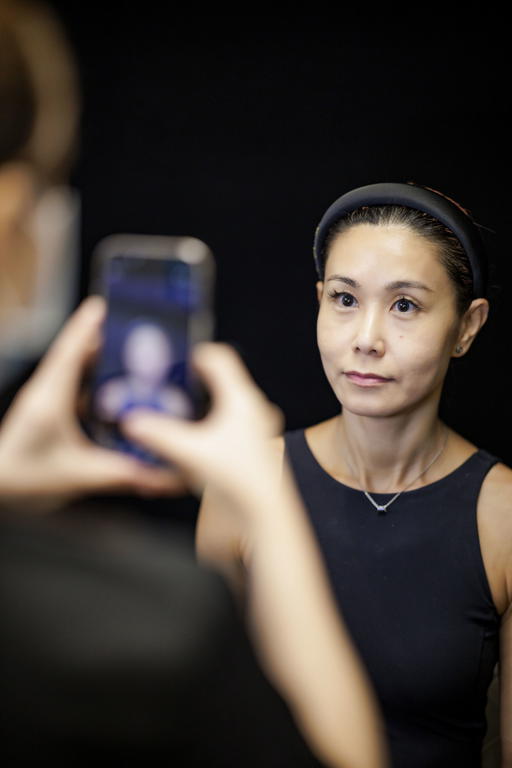
Editing software and techniques to brighten eyes or blur out blemishes were once the domain of professional photographers and graphic designers. Today, smartphones and social media apps have made it possible for everyone to achieve that.
As the adage states, “What you think, you become; what you feel, you attract; what you imagine, you create”. Celebrities have always played a key role in beauty politics, inspiring us with their good looks, sample-sized physiques, and glamorous lifestyles. Scores of Asian women, for example, have reportedly walked into aesthetic clinics wanting to look like Jennie of Blackpink. But as they were told, Botox alone would not be enough to achieve her slanted eyes, small chin, “cute” jawline, and/or full lips.
Influencers are also getting involved. They constantly remind their followers that better skin can lead to better lives, through their feeds filled with no-surgery/no-pain quick fixes. Like Indonesian singer Lucinta Luna, who back in 2022 flaunted her post-makeover mien on IG: “My face is quite swollen, but I’m waiting for it to heal soon.” A fan of Blackpink’s Lisa, she later said during an YouTube interview: “My face looks good, right? Even Lisa’s real face isn’t as gorgeous as mine.”
But while we’ve become more active about pursuing our beauty ideals and more candid about sharing our experiences, most of us remain relatively cautious about our expectations. In addition to wanting more defined features, we also want them to appear natural.
SYMMETRY AND BALANCE, NOT EXAGGERATION
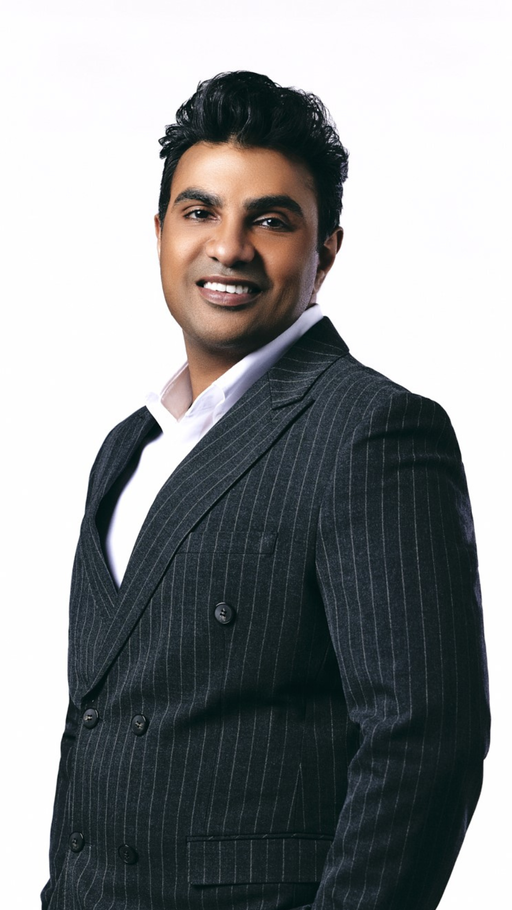
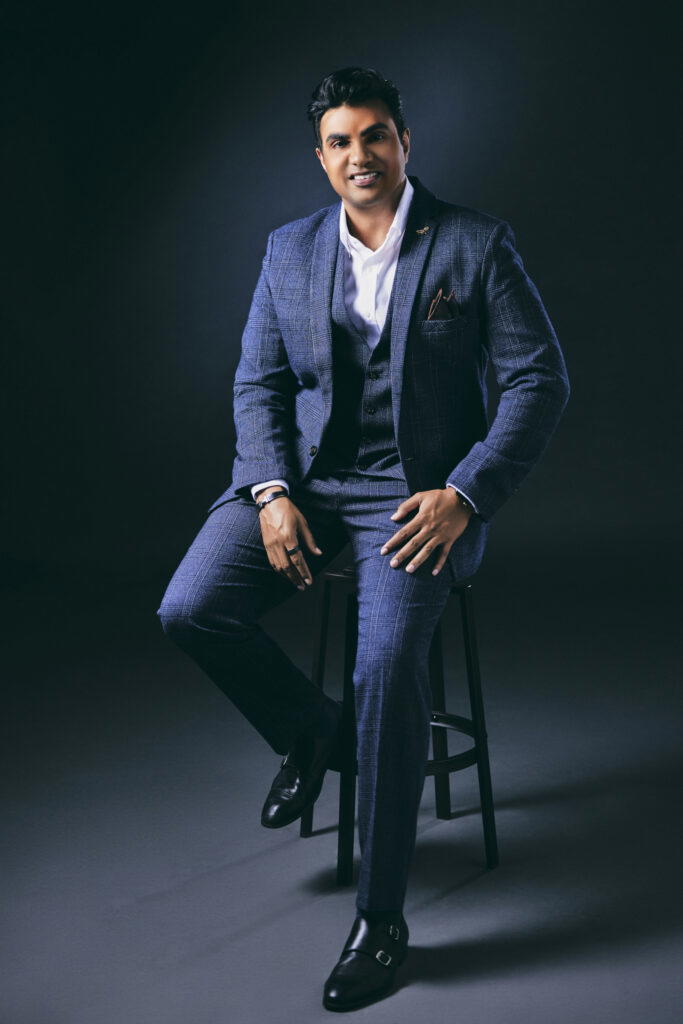
Dr Sankeerth Reddy, Co-Founder of Zest Clinic and an aesthetic medicine physician, explains: “The ‘ideal’ face is subtle, with a V-shaped jawline, clear skin, and youthful volume around the eyes and cheeks. Our patients want symmetry and balance, not exaggeration or overfilling.”
Where once enquiries centred on correcting flaws, such as dermal fillers and lasers to reduce wrinkles and treat pigmentation respectively, patients have become more interested in prevention and maintenance.
Over the past two years, however, Zest Clinic patients have begun asking about nonsurgical procedures. Subtle interventions such as skin boosters, radiofrequency microneedling, or skin tightening treatments are sought not for dramatic change, but for incremental improvements in tone, firmness, and collagen support.
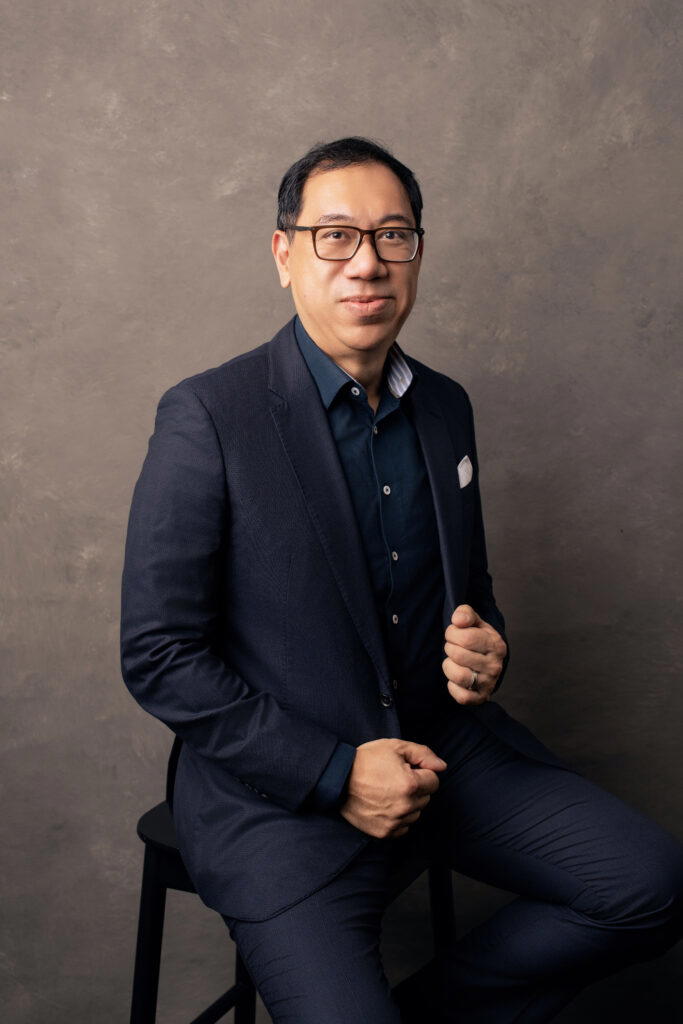
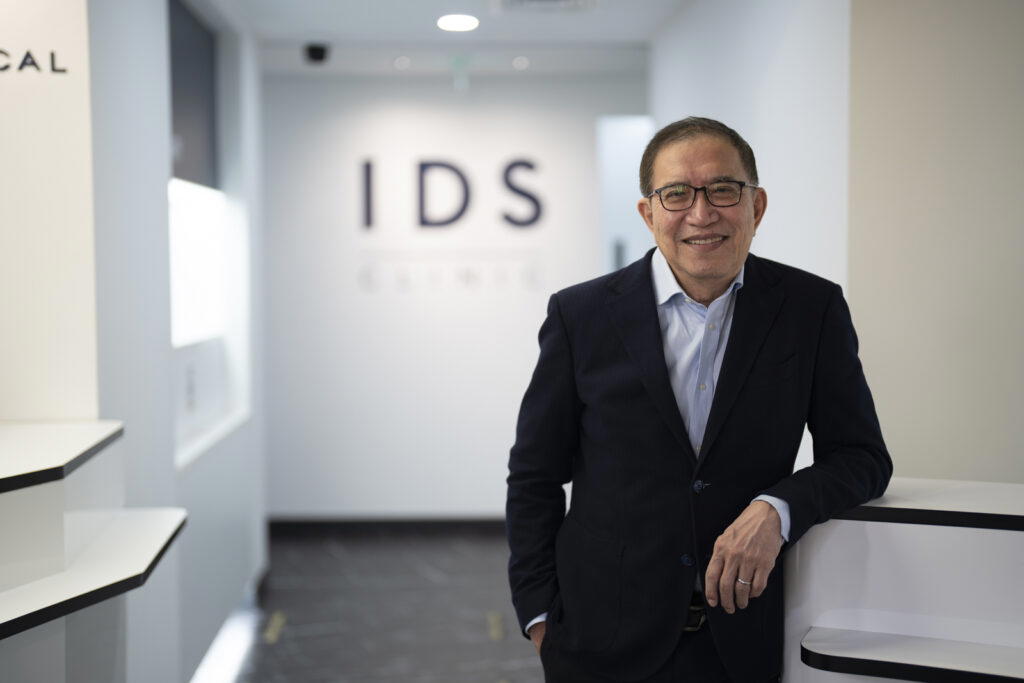
That philosophy of refinement extends across age groups. As Dr SK Tan, Medical Director at IDS Clinic, notes, older patients look to restore a natural sense of youthfulness, while younger patients, who are often influenced by K-celebrities and social media trends, pursue enhancements that accentuate what they already have.
Demand for fillers and injectables like skin boosters has remained steady over the past decade, as have laser treatments or energy-based devices (EBDs). What has changed, Dr Tan adds, is the technology itself—advances in lasers, tightening devices, and injectables now promise more natural results, reinforcing the shift towards balance over exaggeration.
“EBDs with picosecond lasers or fractional technology such as Thermage have shown to yield more effective results but with less downtime,” he explains. “Also popular are skin-tightening treatments such as Ultherapy, as well as microneedling devices that use radiofrequency energy.”
“New formulations and ingredients have also increased the array of injectables. Non-fillers, including biostimulators and skin boosters with PDRN/PN [DNA fragments derived from salmon] are also available to address concerns ranging from roughness to dryness.”
Clinics have responded by expanding regenerative aesthetics portfolios—often combining two or three complementary treatments in a single session to achieve more natural, synergistic results.
NeuGlow The Aesthetics Doctors, for example, offers Emface, a non-invasive treatment that tones deep facial muscles and tightens skin with a patented blend of High Intensity Facial Electrical Stimulation technology and Synchronised Radiofrequency. “A full session takes just 20 minutes,” offers Dr Gerard Tan from NeuGlow. “It’s ideal for patients seeking preventative or restorative results.” About 30 percent of his patients are 35 or younger.
SELF-CARE OVER KEEPING UP APPEARANCES
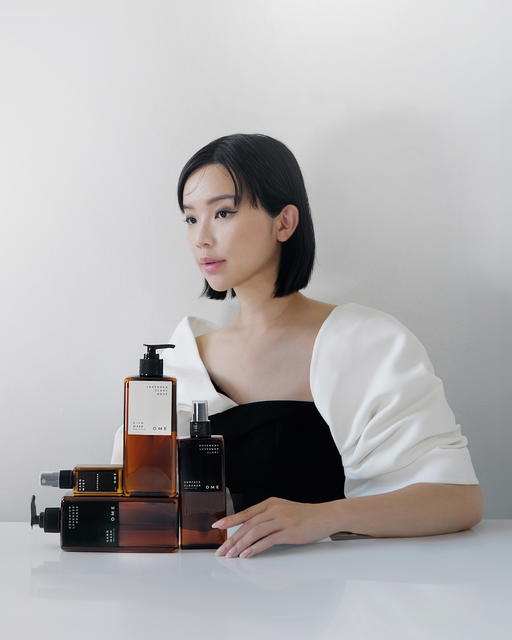
Willabelle Ong, whose Instagram account @willamazing commands a 464,000-plus following, concedes, “I’d be lying if I said I never felt the pressure of being on social media where everything is curated. There’s always something ‘new’ to try, or some beauty standard to live up to.”
The 31-year-old, who started her career as a teen blogger, enjoys and invests in treatments like facials, lasers, and LED masks. But it’s all done for self-care, not to keep up appearances.
“As you age, enhancements should emphasise your features rather than mimic others’. The people I love remind me every day that embracing individuality never goes out of style. Being the best version of yourself is the goal, not being like someone else.”
Even she has had to make a conscious effort to remain authentic. “Growing up, I was surrounded by glossy, poreless, and often unattainable images in magazines and editorials. Naturally, many of us have aspired to emulate that ideal. But over time, I’ve noticed a shift,” says Ong, who’s also an actress.
“There’s now more room in fashion and beauty editorials for natural textures, visible pores, and authenticity that once felt unpolished. Evolution has influenced how I perceive beauty. However, with social media and AI, the line between what’s real and what’s edited has become increasingly blurred. I use editing tools, mainly for lighting, colour correction, removing distracting background details, or improving overall composition.
“But I’m intentional about keeping things natural. Even when I retouch my face, I limit it to small clean-ups, like a pimple or stray hair. It’s a personal boundary I’ve set for myself. The key is knowing where enhancement ends.”
INTENTIONAL ABOUT BEING NATURAL
Pat Kraal is another woman who has spent most of her career in the spotlight. She is Managing Director at Platinum Angels Management, a modelling agency for those over 50. Since 19, the 63-year-old former supermodel has walked for brands such as Givenchy, Christian Dior, and Balmain.
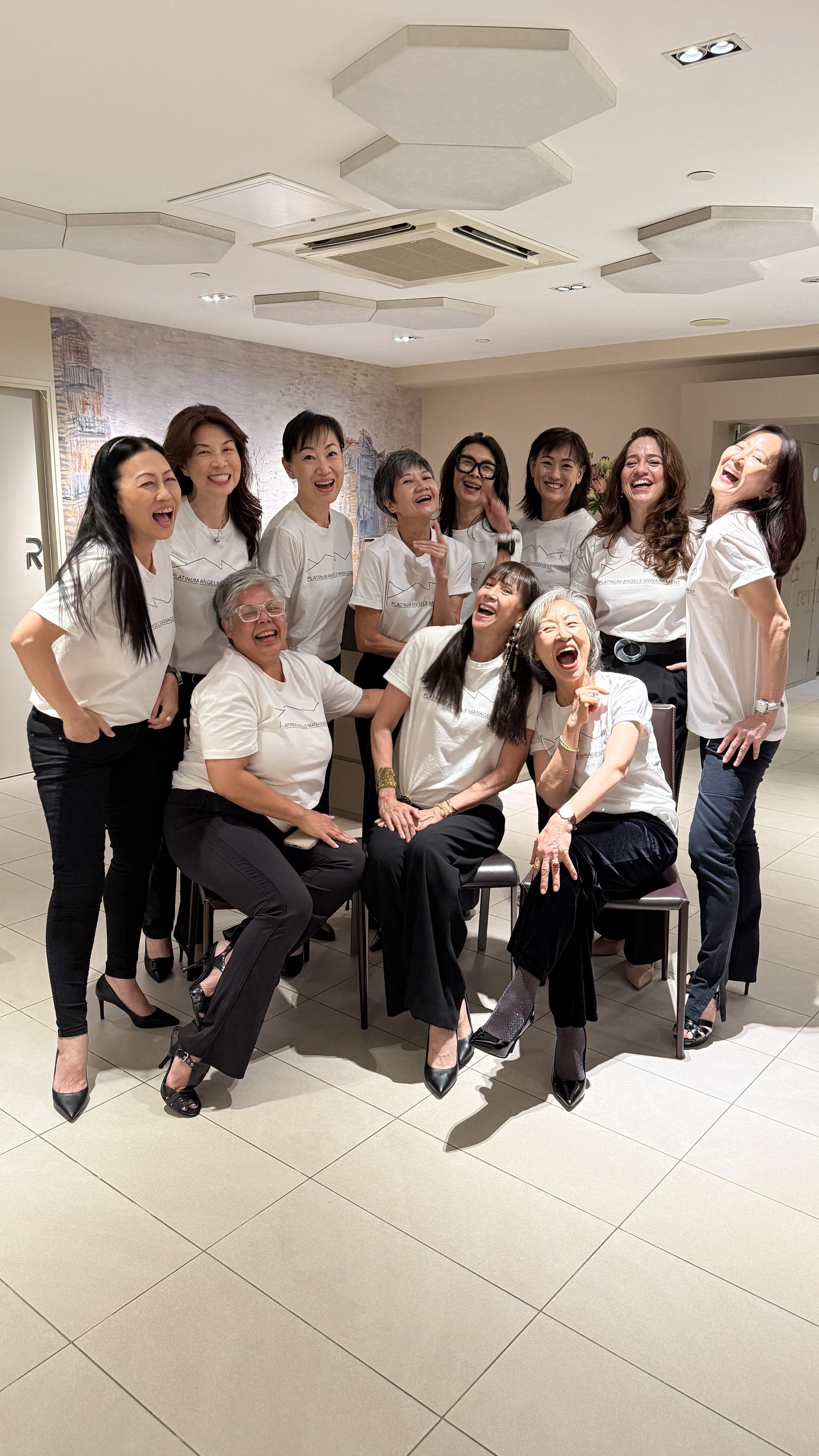
“As a model, I always felt pressure to look my best. As part of a business collaboration, I’ve been getting regular non-invasive facials to improve texture and radiance. I’ve never considered plastic surgery; I have only one face, and if it comes with wrinkles and eye bags, I’ll embrace them,” she says.
Kraal has dabbled with photo editing apps, but isn’t a fan. “It’s so scary to look too pale and flawless in pictures. I have four children in their 20s and 30s who told me I looked awful. Editing should just enhance clarity.”
While the doctors interviewed acknowledge that patients have become more aware and curious, they also emphasise the importance of educating patients and building a strong rapport. Additionally, they look for signs of mental health challenges and body dysmorphic disorder.
“One conspicuous trait is the constant attention to an ‘imagined’ condition which the doctor is unable to see or detect, but which bothers the patient. Dismissing a patient’s body dysmorphic disorder, for example, as trivial would be disastrous. They may need psychiatric help or counselling,” says Dr Tan of IDS Clinic.
Zest Clinic may decline aesthetic treatment to patients with body dysmorphia until appropriate support is provided, says Dr Reddy. “It is important that aesthetic medicine does not worsen mental health. By prescribing medications, we have been able to help patients achieve good skin health while reducing their risk of disease. We can achieve long-lasting change by combining science, nutrition, and lifestyle interventions.”
As a parting shot, Ong reflects on the pursuit of perfection as her “work in progress”. “Social media thrives on visuals, and in the beauty space, there’s an expectation to always look a certain way, to always look ‘on’. I have come to realise, however, that people connect more deeply with sincerity than surface-level perfection.”
“I usually try to highlight the contrast between the polished final outcome and the often chaotic process behind it…No one wakes up looking like that, so it’s important to occasionally pull back the curtain and show that side too.
“That balance between aspiration and honesty is how I try to keep things real while still respecting the nature of my work. That kind of honesty builds trust, and that matters more than presenting a flawless version of yourself.”