The best way to understand Claire Chiang is to start at the beginning. Back then, there was only a double-decker bunk bed. Chiang didn’t even have a mattress of her own. While she shared the bottom bunk with her two older brothers, her other three male siblings occupied the top bunk. It was congested, but she never complained. She still remembers those days growing up on Race Course Road with fondness.
In that hectic neighbourhood, with the cling-clang of metal pots on stoves competing with the shouts of shopkeepers, mixed with the heady smell of cooks whipping up fried delights, Chiang learned about life.
“I remember taking a stool and going to the neighbour’s house, then standing on it so that I could peer through her windows and watch television,” says Chiang, laughing. Chinese New Year was also an uproarious time. During that time, firecrackers were legal in Singapore, so the snap, crackle, and pop of those explosives lit up the night sky. Even though Chiang was not from a privileged family, her parents shared their food when they could. Her father, who was an accountant, also offered free accounting services to those in need.
In those days, daughters, especially in Chinese families, were seen as less valuable because they would eventually leave the nest to become part of the husband’s family after marriage. Chiang didn’t suffer such an ignominious fate. Her parents were forward-thinking and believed in the power of education. She went to Nan Hua Primary School, then Raffles Girls’ Primary School and its secondary counterpart, and excelled academically. Failure, however, was the incident that shaped her. “I’ve always been first or second. In Primary Five, I dropped to fifth place. I didn’t dare go home,” she recalls. “I walked around the whole of Race Course Road because I was afraid my mother would cane me for disappointing her.”
After several hours, Chiang finally went home to face the music. As she gingerly showed her report card to her mother, she apologised at the same time. Her head bowed, Chiang waited for the shame to pour out of her mother’s mouth.
But it never came. Instead, she smiled, acknowledged the grades, and said it wasn’t “a big deal”. That was Chiang’s emancipation from the societal shackles she had clamped on herself. For a long time, she believed that her value to her family, and the world was her brains and stellar grades. However, her parents wanted to emphasise that she had more to offer than just a string of As.
This multifaceted personality came to the fore in her teenage years. She desperately wanted to enrol in National Junior College. Unfortunately, to qualify, you had to score 8 As in your O-Levels (an annual national examination usually taken by students in Singapore when they turn 16). Chiang had only six. “When I went for the entrance interview, the principal asked me, ‘Why should I take you? You only have six As’. I looked at him and shared that I was great at dance and could win him an award for the school. I was also bilingual and communicated effectively in Mandarin and English. That was rare at that time,” she says. It was her mom’s foresight to get Chiang to attend two schools in three years that made that possible.
Chiang got in.
The Magic Of Rotary And Community
Throughout Chiang’s life, tenacity and respect for diversity have been constants, forged in the cauldron of that one-bedroom public housing apartment on Race Course Road. It’s easy to forget your past when you’ve built a successful life. While she is most well-known for co-founding the Banyan Group with her husband Ho Kwon Ping, she has also been a nominated member of parliament, been elected to the Singapore Chinese Chamber of Commerce and Industry council, spoken out for women’s issues, and more.
Her overflowing schedule can overwhelm even the most organised person. Yet Chiang, 73, always finds time to give back to society. In Phuket, which she now calls home after moving there a few years ago, she’s working on the Step-Up International Laguna Kindergarten, or SILK. Launched in the middle of 2023, Chiang has been refining the school’s holistic pedagogy. “Our children need to be immersed in cross-cultural sensitivity and to be open to diverse voices. They are so innocent. Seeing them play together is delightful,” she says. “We can learn so much from them.”
These values of community and collaboration have become even more important in an increasingly polarised world. Age has tempered Chiang’s lofty ambitions. A younger Chiang would have wanted to change the world with her ideals. Now, an older, more experienced Chiang knows it’s a fool’s errand. Instead, she is focusing that ferocious energy inwards to shape her spheres of influence.
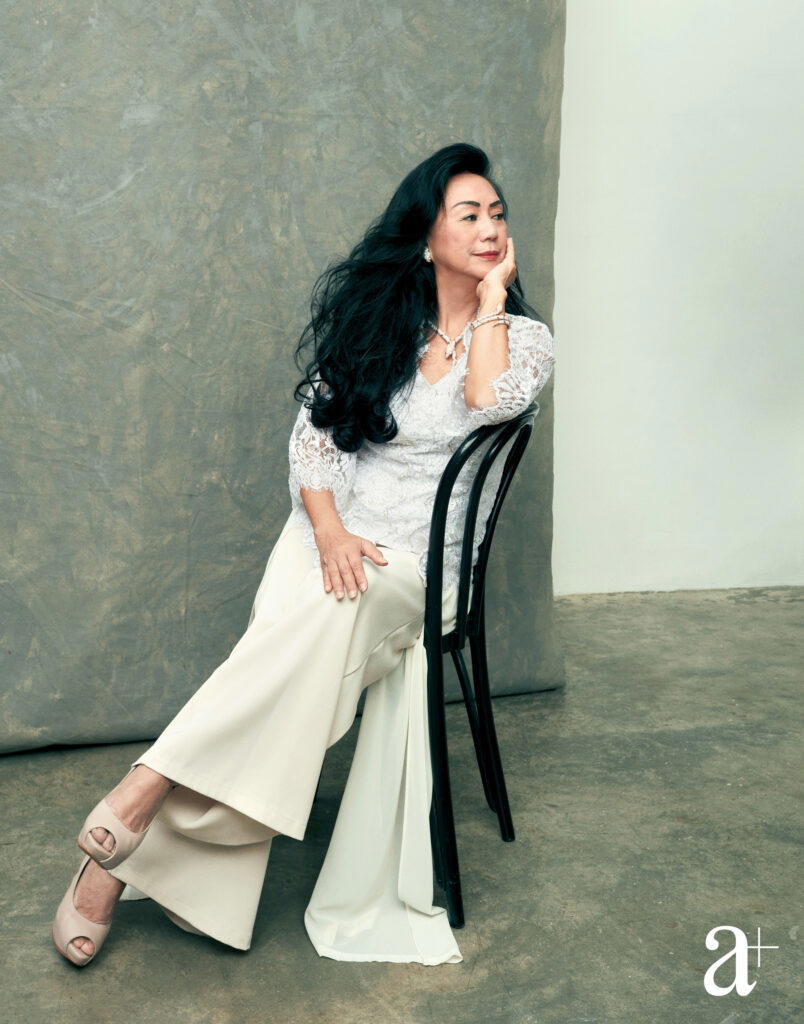
In the Banyan Group, she’s fostering empathy, understanding, and cohesion in the countries where the company has properties “I subscribe to the 5Ps—people, pluralism, prosperity, peace, and possibilities. We let everyone flourish and blossom and find the magic within them. Collectivity and diversity create that magic,” she says.
Incidentally, magic, or more specifically The Magic of Rotary, is also the presidential theme for Rotary in 2024 and 2025. Chiang is a charter member of the Rotary Club of Suntec City and has been part of the organisation for 24 years. She joined in 2000 after a friend approached her. Initially, she was reluctant, thinking that Rotary was “a club for rich men”. But that was no longer the case. Today, out of 50 members in the Suntec City outpost, 18 are women.
“After so many years, women were finally welcomed,” says Chiang, laughing. She saw Rotary as an exciting opportunity to be a force for good. There are over 46,000 clubs filled with 1.4 million members in the world. “It’s a massive community and that diversity excites me. There are platforms and channels available for you to cross the boundaries you’ve made so you can understand the other side.”
The organisation has a long history of helping people. It was started in 1905 in Chicago by Paul Harris, who envisioned it as a place to exchange ideas and form meaningful, lasting friendships. Eventually, members used their networks and influence to address challenges and achieve results.
“It’s marvellous. They’ve saved lives, rehabilitated communities, supported vulnerable groups, and extended help during disasters and epidemics. It’s a tremendous humanitarian movement with people coming together to do good,” says Chiang.
In the same way, Chiang is spreading good at the end of this month. She will be speaking at the 2024 Rotary International Convention at the Sands Expo and Convention Centre. The theme for this year is ‘Sharing Hope with the World’, apt for the pocket-sized dynamo.
Claire Chiang In Movement
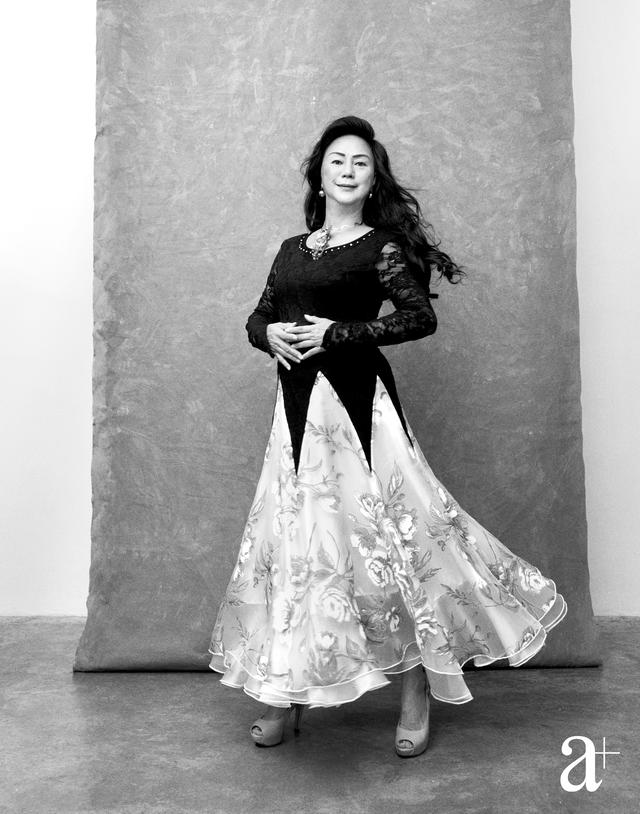
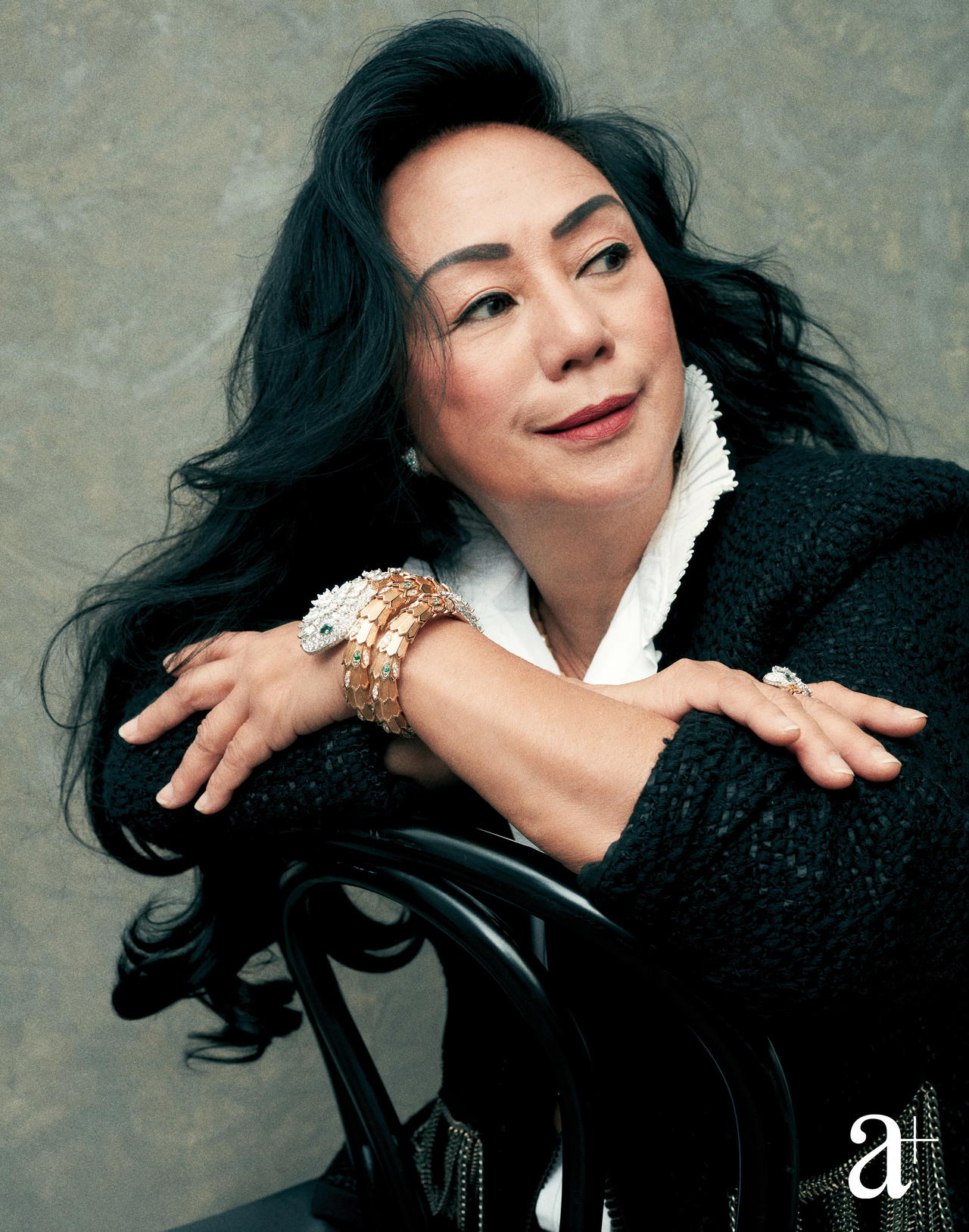
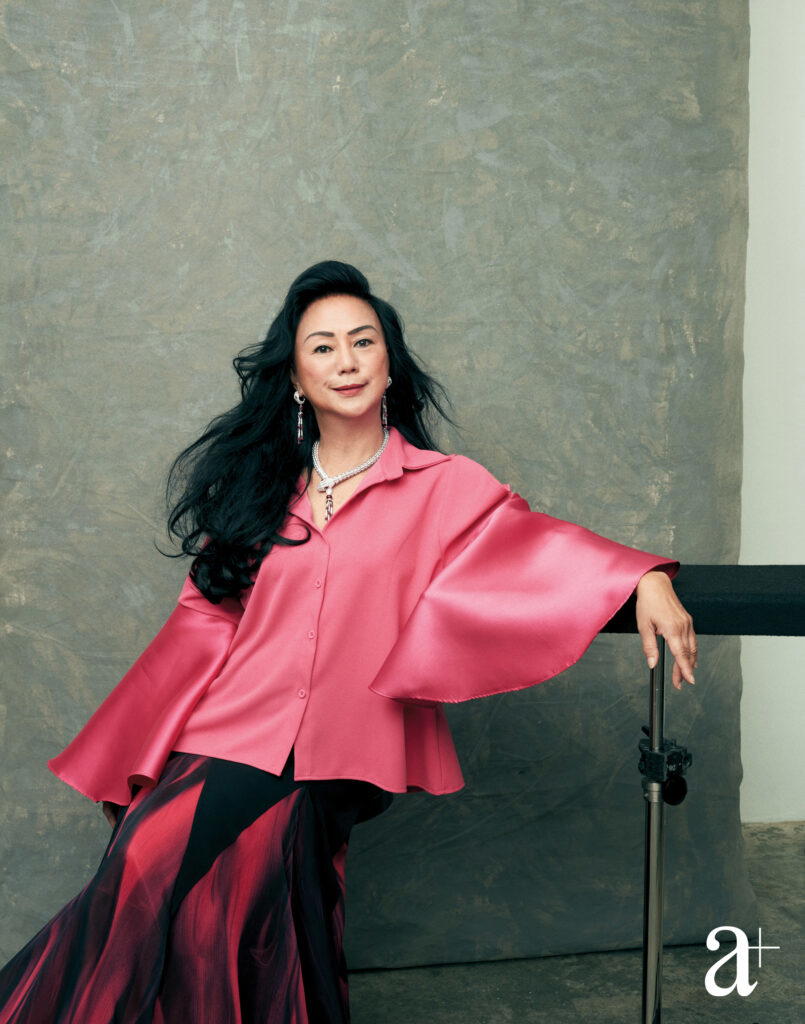
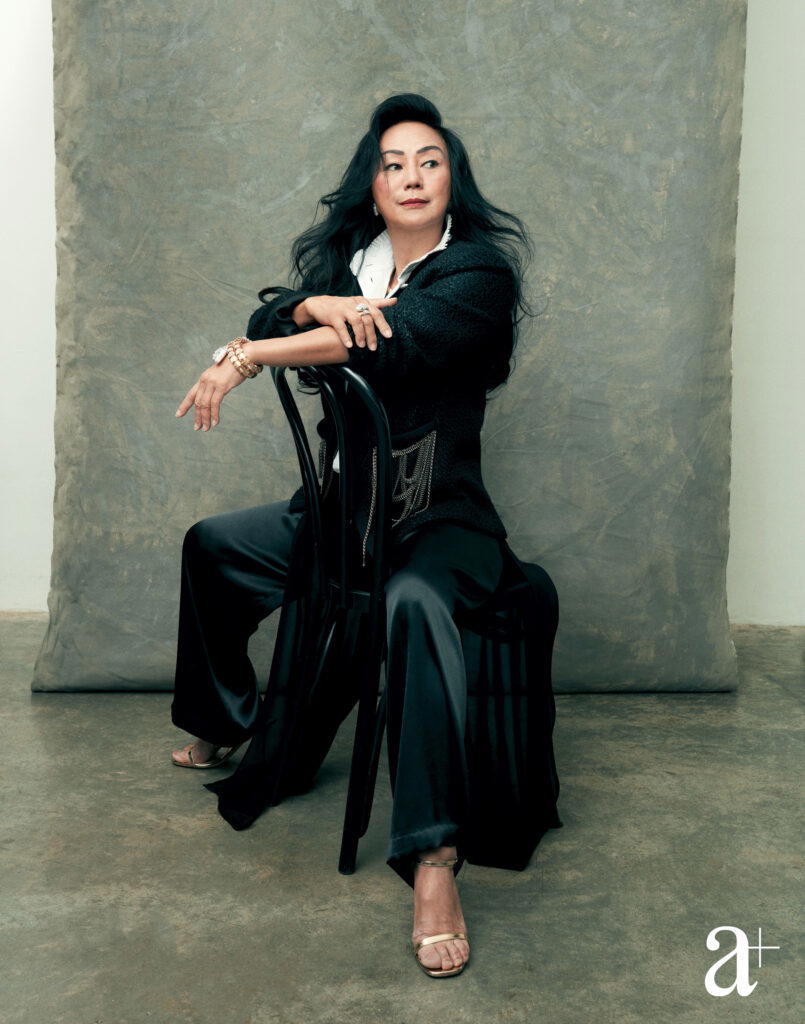
Claire Chiang is now living in Phuket.Photo: Joel Low 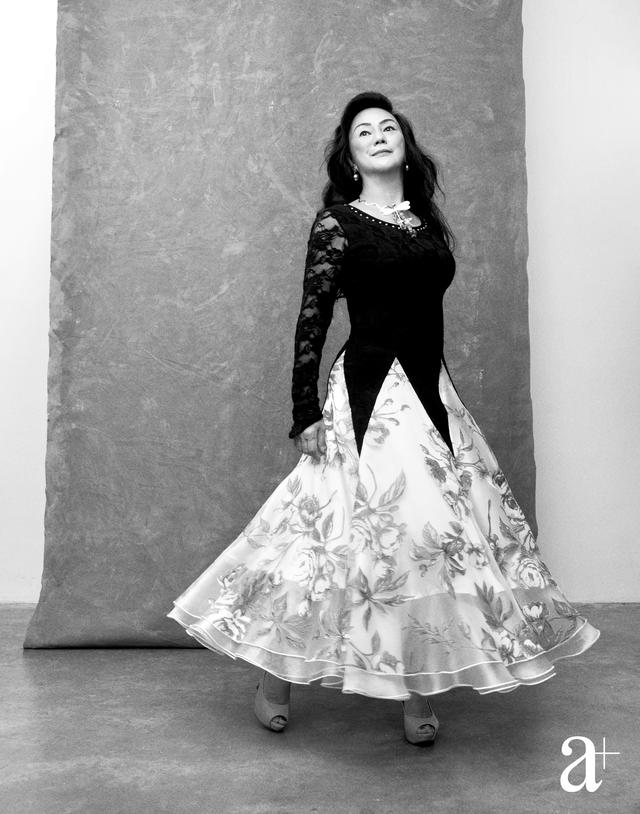
She's still travelling to different parts of the world every month to check on the Banyan Group businesses.Photo: Joel Low
Business For Good
Chiang is no stranger to social activism. She grew up with scarcity and understood what it meant to have nothing. So, when she and her husband started Banyan Group in 1994, one of its founding beliefs was to do the right thing and lead with conviction. Sustainable development was based on its mantra: Embracing the Environment, Empowering People.
This was back when terms such as CSR (corporate social responsibility) and ESG (environmental, social, governance) hadn’t even been formed, let alone enter the business lexicon. Chiang was so far ahead of the curve that it still had a straight line.
The Group started regeneration programmes, hired locals and worked with them to protect and celebrate the heritage of the locations where its properties were built, collaborated with governments to save flora and fauna, and more.
As the ghoulish spectre of climate change threw sustainability into sharp focus, Chiang’s vision for the business proved prescient.
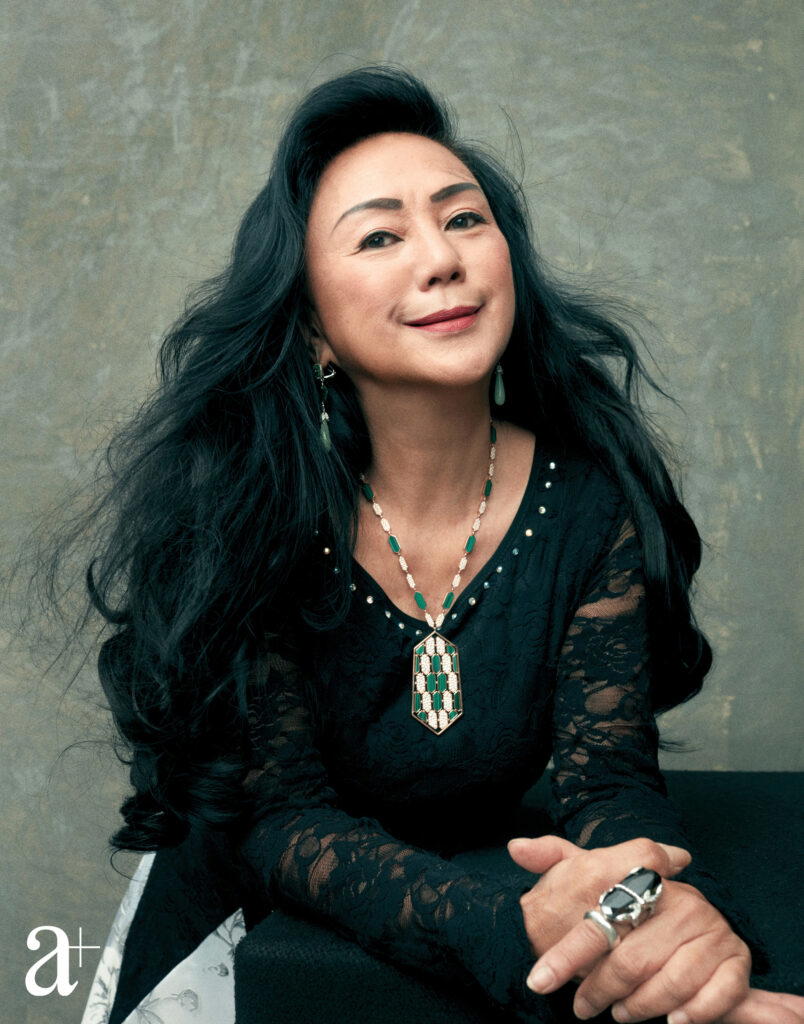
Ironically, before starting the Group, she never liked business and the people conducting it. She believed unbridled capitalism was a scourge on society. Her husband was not yet a businessman when they met. He was a journalist for the Far Eastern Economic Review.
Their first encounter was serendipitous. “We met at the old Cold Storage along Orchard Road,” reminisces Chiang. She was there to meet another suitor, who brought Ho with him. That day is still seared in her memory. “Kwon Ping wore a clean, pressed white shirt, and I loved it. I still do. To me, when your white shirt is neat, it shows that you are proper and detailed,” says Chiang.
“And he also rode a motorcycle. Oh, my!” she breaks into uproarious laughter. Three kids and five grandchildren later, she still loves that white shirt.
It was also through circumstance that they entered the business world. Chiang had established a life in Hong Kong with her husband in 1987. Then her father-in-law, a businessman, suffered a stroke. Abandoning her job and studies, they returned to Singapore, as Ho had to take over the family business.
“In life, there are always crossroads you will arrive at and decisions you need to make. I couldn’t finish my Master’s degree then but my supervisor kept chasing me. Eventually I completed it two years later,” she says.
The lore of Chiang’s first property in Phuket has also been enshrined into hospitality history. She and her husband found a beautiful piece of land that used to be an old tin mine. When the sun set, its rays spread across the deep blue lagoon. Chiang fell in love.
However, it was only after they had bought the land that they realised the blue of the water was because of pollution. Rehabilitating the place took a lot of money and backbreaking effort, but Dusit Laguna opened three years later. It was the first brick in the Banyan Group empire, which now owns and manages 81 hotels. By 2025, it’ll be close to 100. In China, where Chiang has developed the business for the past 18 years, the Group manages 28 hotels.
This was also when Chiang realised that business could be a vehicle for good. “I frequently use a term called communitarian capitalism, which is driven by stakeholders, rather than just shareholders,” she says. Essentially, companies must invest in the ecosystem they operate in, as “businesses cannot thrive in a place where societies fail.” To that end, Chiang invests continuously in her employees and their families such as SILK.
“This is leadership, a conviction to do the right thing,” asserts Chiang. In the eyes of that young girl who slept on the bottom bunk with her brothers, she had the potential to change the world. The current Chiang would tell me she hasn’t done anything like that. She is merely a woman. This is where she’s wrong—and millions of people, including me, would attest to that. There is a Chiang-sized handprint on the globe, and it has single-handedly shaped our society.
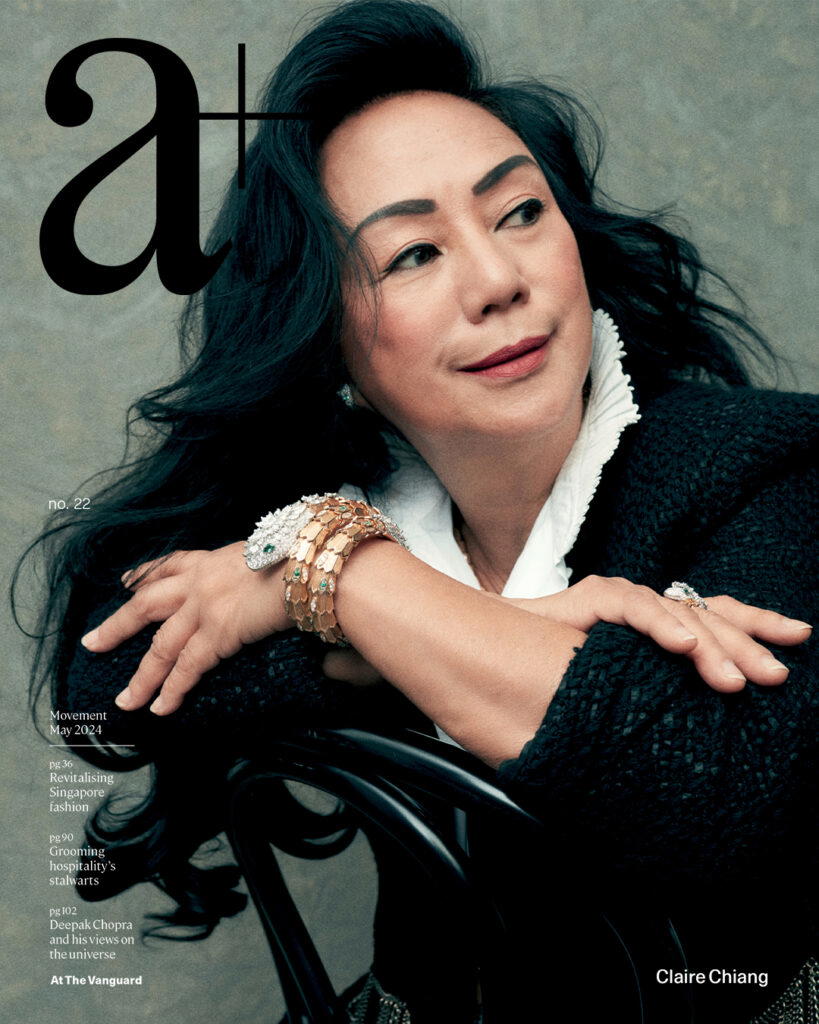
Photography Joel Low
Styling And Art Direction Chia Wei Choong
Hair Rick Yang/Artistry Studios, using Keune
Makeup Keith Bryant Lee, using Chanel Beauty
Photography Assistant Eddie Teo
Styling Assistant Julia Mae Wong