If Socrates had his way, we’d never learn to write. The Greek philosopher, famous for professing his ignorance, denounced writing as an invention to “produce forgetfulness”, “discourage the use of their memory within them”, and “offer…the appearance of wisdom, not true wisdom”.
We’d wager that Socrates never had to jot down additional instructions during a medical consultation or attend an emergency response meeting with the board members. In the wake of his death over 2,420 years ago, researchers have discovered that writing, especially by hand, enhances recall and learning.
Handwriting, which involves tracing out letters and words, gives us more time to process information, according to research by the Norwegian University of Science and Technology. This action triggers connectivity between regions in the brain that improve sensory and motor processing, memory formation, and information retention, respectively.
A notable contrast emerged between brain activity during handwriting and typing, reinforcing the idea that old-school may still be the best school—even in the digital age. Writing by hand has become a popular form of self-care. Beyond enhancing learning, handwriting has become a tool for better living. Its deliberate nature eases anxiety, invites reflection, and fosters mindfulness.
In earlier studies, researchers linked handwriting on paper, or journalling, with emotional regulation, creative thinking, and improved sleep. However, it only took off during Covid-19. In the months isolated at home, journalling became a safe place to organise and express our emotions and thoughts while coping with the challenging circumstances.
Although the pandemic has passed, our challenging circumstances have not abated. A growing sense of isolation and uncertainty, compounded by financial stresses and social media information overload, can lead to burnout and other mental health issues.
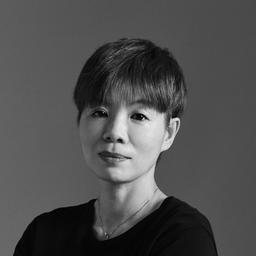
Using journalling, Stephanie Tan—@stephtcreates on Instagram, Facebook, and TikTok—conducts workshops to support others towards mental and emotional well-being. A certified positive psychology coach, her workshops blend reflection with creative expression, and explore themes such as gratitude, forgiveness, and rest.
“Journalling isn’t just about writing,” says Tan. “It’s about making meaning with your hands. The act of physically shaping thoughts on paper is tactile and visual since it engages the brain in ways that digital tools can’t.”
Tan herself began journalling at age seven as an English assignment and was drawn to the comfort and clarity it offered. “After university, I stopped for a few years, swept up by the demands of adulthood. When burnout struck during my working years, I found my way back. Journalling helped me slow down and make space for myself.”
Providing workshops for individuals, couples, parents and children, groups, and corporations, she has helped build a burgeoning journalling community. She has observed a steady increase in enquiries for her journalling workshops as part of their self-care routine.
REFLECTING & REDISCOVERING
Tan’s journey chronicles her personal growth. “Integrating writing and drawing gave me a grounded way to process challenges and ultimately helped me understand myself in deeper, more embodied ways,” she offers.
“As someone who combines visual and narrative journalling, I’ve found the process surprisingly therapeutic. By using colours, doodles, and sketches, I managed to stop intellectualising everything and instead experience my emotions with awareness and compassion.”
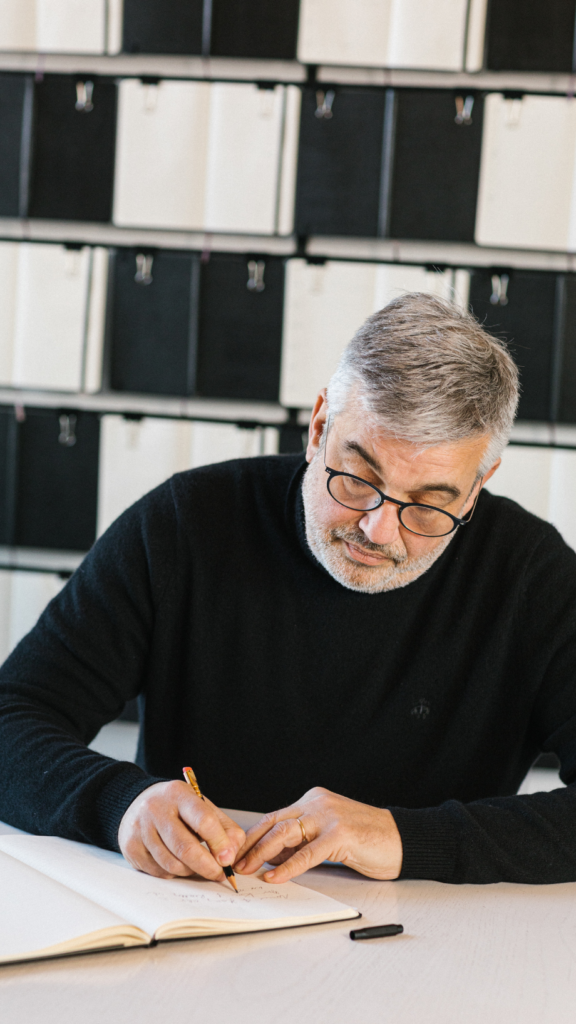
In the same way, Moleskine CEO Christophe Archaimbault considers his Classic Notebook more than just a notebook—it’s a creative sanctuary. “One of my most memorable experiences with it was when I was struggling to crack a concept during a major project. Staring at a screen only made the ideas feel more fragmented, like puzzle pieces that refused to fit.”
“Frustrated, I shut my laptop, opened my notebook, and let my pen move freely. I sketched mind maps, scribbled half-formed ideas, and let words spill onto the page without overthinking. Slowly, connections began to form. Writing, seeing the ink flow, and feeling the texture of the paper, helped unlock ideas that had seemed unreachable,” he continues.
“That moment reminded me of the power of handwriting. Writing isn’t just about putting thoughts on paper; it’s about letting creativity breathe, allowing time for reflection, and rediscovering clarity organically.”
But if you don’t want to think too hard about where to start, you can copy. South Koreans have become accustomed to handcopying passages from books, reports The Korea Herald, the nation’s English-language daily.
Known as pilsa, enthusiasts practise their handwriting using books designed with passages such as poem lyrics, song lyrics, and famous quotes. Between 2023 and 2024, sales of such books increased by nearly 700 percent, while in March 2025, Instagram attracted more than 700,000 posts tagged with pilsa.
Handwriting has been hailed as a new cultural phenomenon, offering a healing experience that stimulates emotions in a fast-paced society. It has even led editors to proclaim “the craze will not pass anytime soon”.
As Tan explains, the boom in analogue expressions reflects “a deep human need to reconnect with our senses, our pace, and our stories”.
It also brings her back to her childhood when she could freely draw and write to make sense of our world. “It feels tender and freeing to me,” she reveals.
According to Alex Loh, Founder of Aviary & Co, a performance coaching company for businesses and executives, journalling and other analogue pursuits have also become more popular due to social media.
“The zillennial generation values wellness as an indicator of happiness and purpose,” he says. “They give time and space to distil the benefits and essence of wellness, picking up trends from social media.”
Social media has, in Archaimbault’s words, “played a big part in this, with people sharing beautiful journal spreads and prompts that inspire others to give it a try”.
“Zillennials have grown up in a digital world; they have seen both the benefits and the overwhelming side of constant connectivity,” he says.
“They are now looking for ways to focus, create, and find some clarity. Gratitude journalling, for example, has taken off lately, with people recognising that taking a moment each day to focus on what they’re grateful for can have a huge impact on their mental well-being.”
SELF-AWARENESS FOR FULFILMENT
Archaimbault’s team at Moleskine is committed to maintaining the tangible experience of handwriting in a digital-first world. In addition to creating beautiful notebooks that provide an immersive sensory experience, it has further evolved its strategy by blending innovation and tradition through storytelling and collaboration.
One example is the Sunny Singapore collection it created with local artists 8EyedSpud in 2024. There’s more. As part of its product expansion, the company has introduced a Smart Writing Set, which allows users to use a Smart Pen with a Moleskine notebook. With the Moleskine Notes app, these notes are instantly digitised and can be edited, organised, and shared.
While it is true that analogue expressions can help many people manage stress and improve focus, Loh also notes clients who still feel empty despite their participation in this activity.
“People respond differently to different wellness activities. Self-awareness is key because you must first understand what’s missing in your quest for fulfilment. Some have found it through trial and error, while others follow trends, for example,” he says.
“My aim is to create a framework that guides them in the right direction. Understanding their own intentions empowers them to evaluate if the activity is effective at sparking joy.”
The joy of such an experience can also be extended to others. In October 2021, Valerie Ho founded Penpals in the Community, a ground-up initiative that connects volunteers with vulnerable seniors and children through letter-writing. It was inspired by her experience of writing letters to friends during the pandemic. The project has matched more than 100 pairs of penpals.
“Letter-writing has no boundaries; anyone can benefit from it,” she says. “Our volunteers have shared how excited they are to receive letters from beneficiaries, often discovering unexpected similarities across different backgrounds.
“In addition, many people found the experience refreshing since they hadn’t written letters in years. Reconnecting with this lost practice, especially with someone from a different community, has made the experience even more meaningful.”
For more inspiring stories in a+ all year round, gift yourself or loved ones a digital subscription.