The golden ratio is an indicator of perfection. As an artist, do you think art can be perfect?
As an artist, I find this topic particularly fascinating. In my view, the perception of perfection in art is subjective and largely dependent on the audience. The essence of art lies in the eye of the observer. To me, this is where its true beauty lies.
As an artist, I strive to create my best work. However, its interpretation and evaluation ultimately rest with the viewers. It is not uncommon for people to find interest and value in aspects of my art that I may not have initially given much attention to. This highlights the dynamic nature of art and how it becomes a platform that invites people to engage and form their own perceptions.
During your scientific research on humanity’s fascination with the golden ratio, what was your greatest discovery?
That the golden ratio phenomenon is not just about aesthetics, but also a combination of perception and cognition. The golden ratio rectangle is everywhere because humans have been accustomed to these ratios for a long time. For example, books, computer monitors, theatre or television screens, and even the mobile phone have ratios close to the golden ratio. We receive most of our information from such devices and formulate our knowledge based on them.
From the days of the earliest civilisations, humans needed to scan things in a horizontal way rather than the vertical way, so they can spot enemies quickly. As a result, the shape that resembles the golden ratio facilitates the efficient scanning of images to the brain. It’s not just about a beautiful shape or pattern, but also about cognition and perception.
Since we were developed that way, we also added the value of beauty to that. I wanted to see the golden ratio in a completely different way.
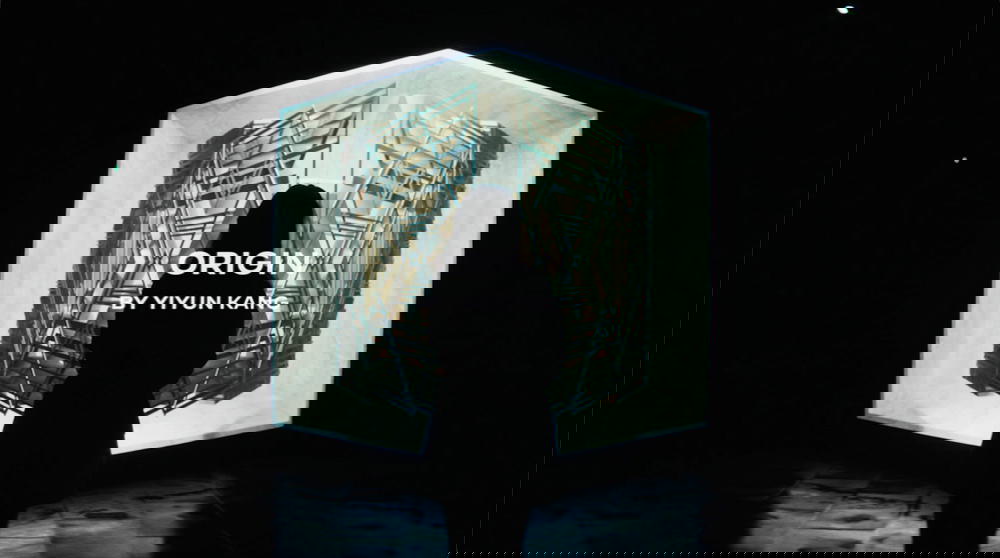
What was the most challenging part about Origin?
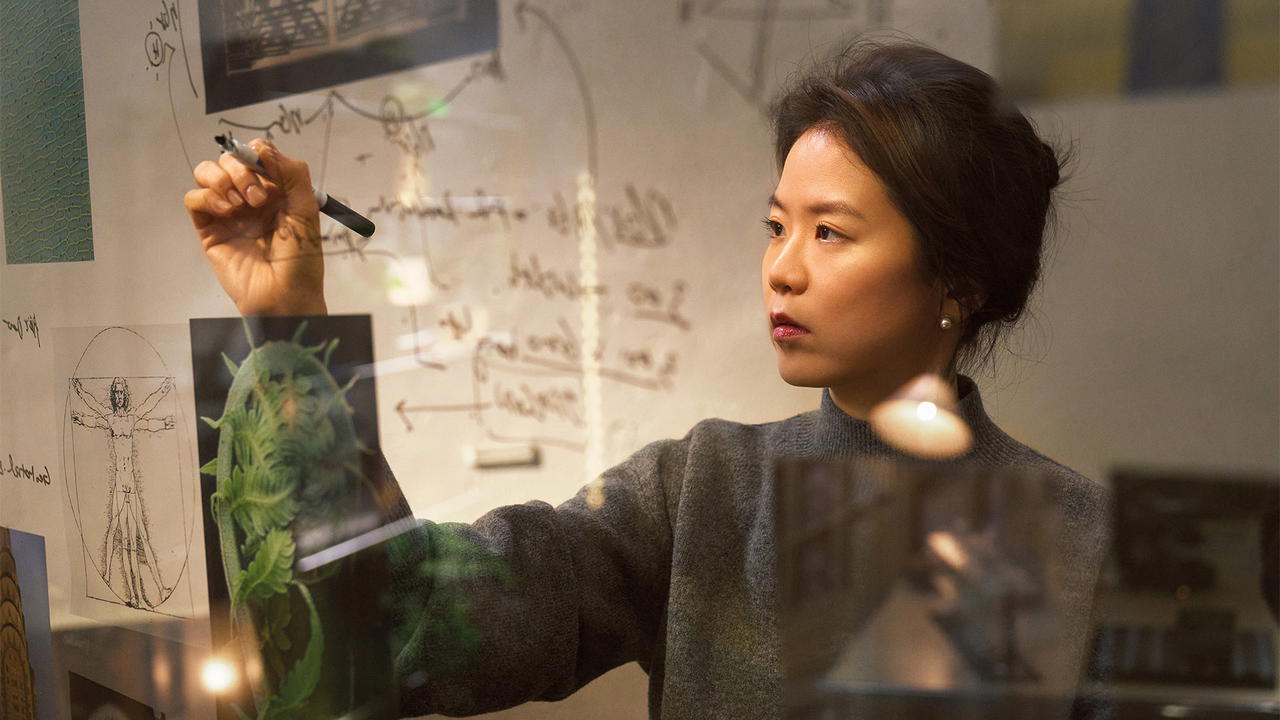
Expressing the golden ratio as a law of nature, not as a decorative diagram or pattern. The first question I asked myself was: “What lies behind the golden ratio?” In the course of my research, I discovered tangible, robust evidence linking the golden ratio to nature. For example, pine cones, sunflower seeds, and flower petals are shaped after the golden ratio formula. Their growth is facilitated by this proportion, which allows them to absorb sunlight and water to the fullest extent possible. This shows that the golden ratio is not just about a beautiful pattern; it’s the pattern for life as well. It’s the origin of life. Finding the visual clues and elements, and creating a cohesive storyline was challenging.
What was your greatest takeaway from your visit to Jaeger-LeCoultre in the Vallée de Joux?
I was deeply impacted by the rich history and heritage of the manufacture. The connection between the environment and watchmaking traditions also captivated me. However, my greatest takeaway was the opportunity to meet skilled watchmakers. I felt like they were harmoniously cohabiting with nature, and that atmosphere deeply moved me.
How do you define time?
Time is one of the most important anchoring systems of our life. We construct our lives based on timing, and I believe time is an important measure. Such measurements have enabled the linear progress of humanity.
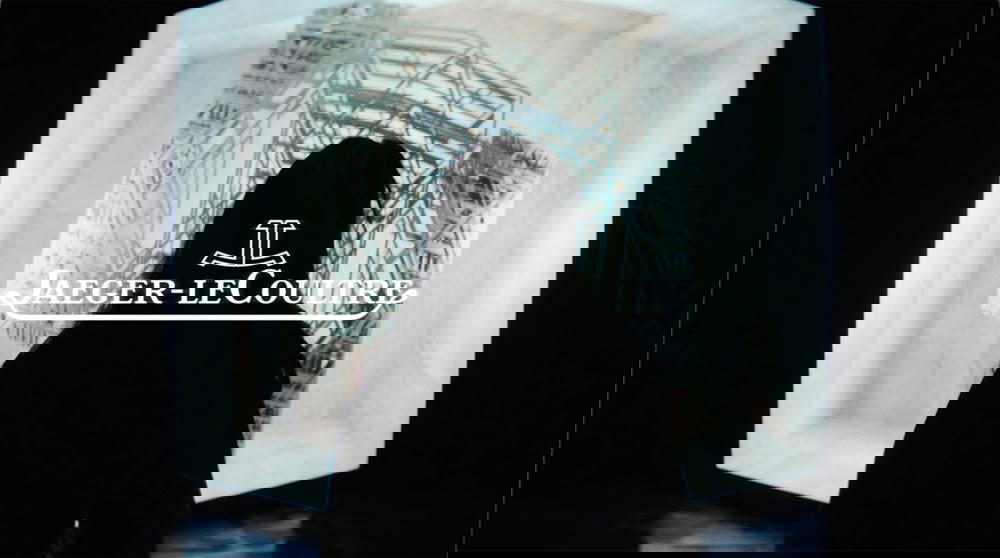
I don’t see time as a value. In quantum theory, time is relative. It changes according to gravity and latitude; time flies if you go to the universe. This is connected to the reason why I titled this project Origin. I want to talk about nature now because evolution may not be genuine. Through art, I wanted to use the Reverso as an icon to talk about these issues and time is kind of similar. We must consider time as a relative and not an absolute value.