Tbilisi to Yerevan is a long drive through strangely desolate territory, especially after crossing into Armenia from Georgia. Only the skeletal remains of abandoned copper factories from the Soviet era and the occasional hilltop monastery break the tedium of the journey along this barren, brown stretch.
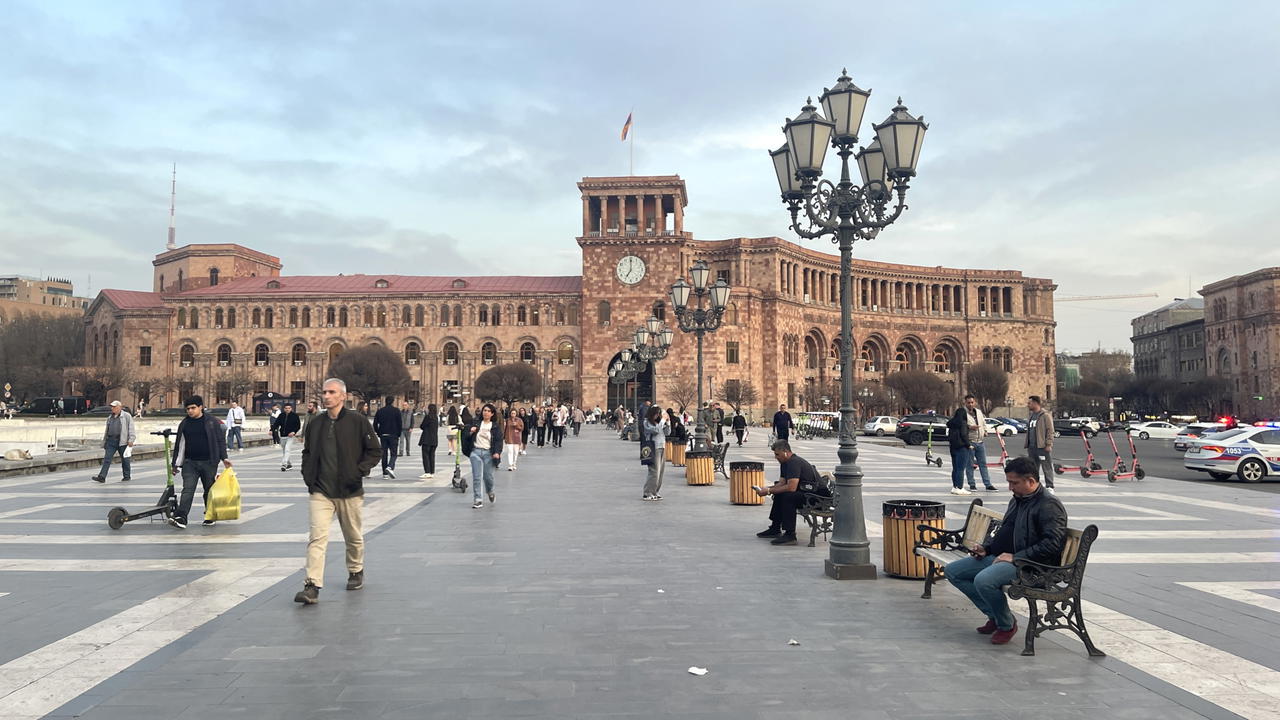
It is only as we approach the outskirts of Yerevan that the monochrome monotony of the landscape gives way to an urban energy that adds colour to the bleakness of the journey. The moment we reach Republic Square, Yerevan’s beating heart, it’s as if a switch has been flipped.
I read somewhere that Yerevan was founded in 782 BC and is one of the world’s oldest continuously inhabited cities. But I did not have any idea of what that city looked like today, so I am in for a surprise.
Jazz drifts out of wine bars. The scent of freshly baked pastries wafts from French-style boulangeries. The city pulses with life: couples stroll hand in hand, friends chat over drinks, and children dart about the square. It feels like a balmy weekend evening in a European capital.
Where is the brutalist Soviet style architecture I had been expecting? In its place stand stunning neoclassical facades in yellow and pink volcanic tuff stone, gleaming in the light drizzle. In the distance, I can see Mount Ararat, a dormant volcano with great historical and cultural significance to Armenia.
Before arriving here, all I really knew about Armenia—one of the three South Caucasus countries, alongside Georgia and Azerbaijan— was its cultural entanglements with Iran, Turkey (despite a long history of conflict), and Russia, of which it was once a part. I also knew it was the first country to adopt Christianity as its official religion, back in 301 AD.
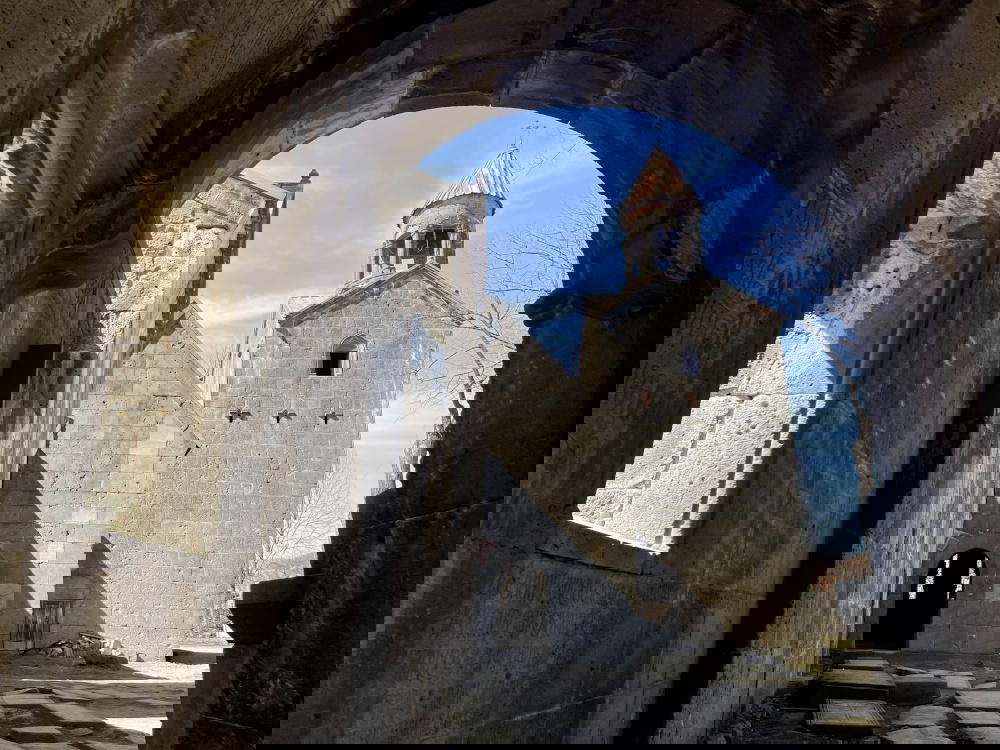
Fittingly, our first introduction to Armenia, shortly after crossing the border, is through its faith. We stop at two 10th-century monasteries, Haghpat and Sanahin, both Unesco World Heritage sites located just 16km apart. They offer a quiet, powerful window into Armenia’s deeply religious identity.
At Haghpat, I find the grounds empty— save for a priest who speaks no English but warmly shows me around, even drawing back the curtain over the altar to reveal fading, yet still vivid, religious murals.
Back in Yerevan, the hotel receptionist explains, “Today is the first sunny day we’ve had after a long winter, so everyone is out celebrating.” And it shows—Republic Square is alive with energy. The soft pink stone of its buildings glows rose-gold in the setting sun. I now see why they call it the Pink City.
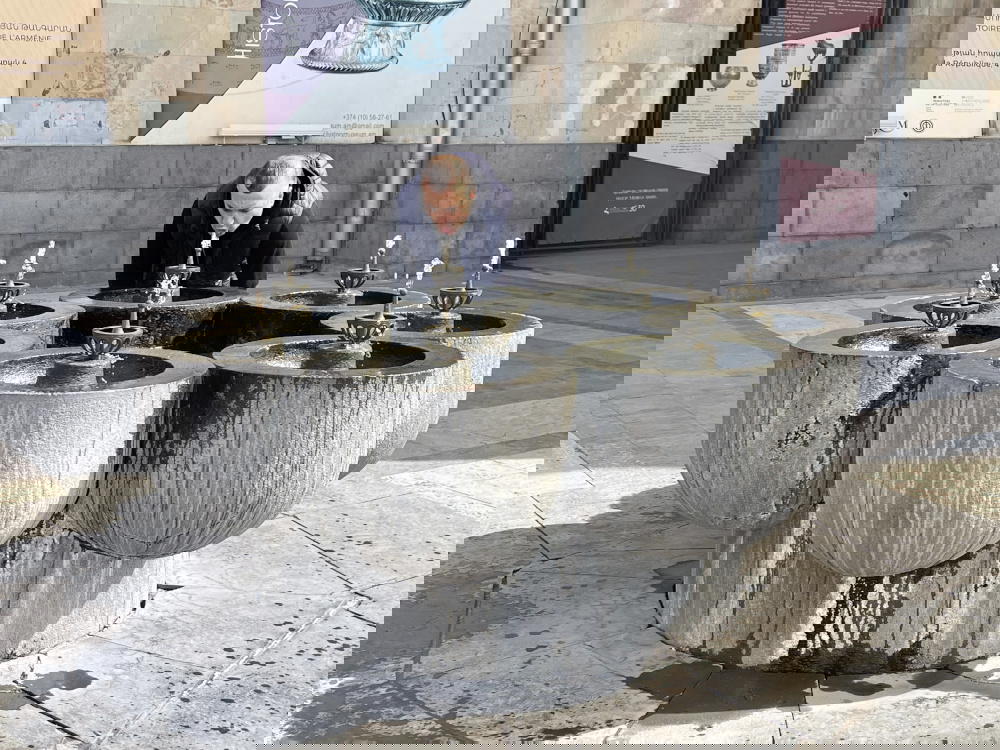
The rain has stopped, and even more people seem to have stepped out on to the streets to welcome spring. The Soviet-era fountains at the centre of the square haven’t been switched on yet, but on my aimless amble around this large central plaza, I come across a different kind of fountain that I will see everywhere in Yerevan—the public fountains with clean drinking water, known as pulpulaks.
On my walking tour the next day, my guide, local artist Vako Khakhamiam, explains that pulpulaks have been a part of this urban cityscape since the 1920s, with some of them sporting exquisite flourishes and carvings on the sides. Even more interesting is the origin of the name itself: pulpul after the sound of gurgling water, with the suffix ‘ak’ to mean water source. Following this introduction, I decide to keep an eye out for pulpulaks, beginning by dipping my head into the sevenheaded Yotnaghbyur fountain, which literally means seven springs, in Republic Square.
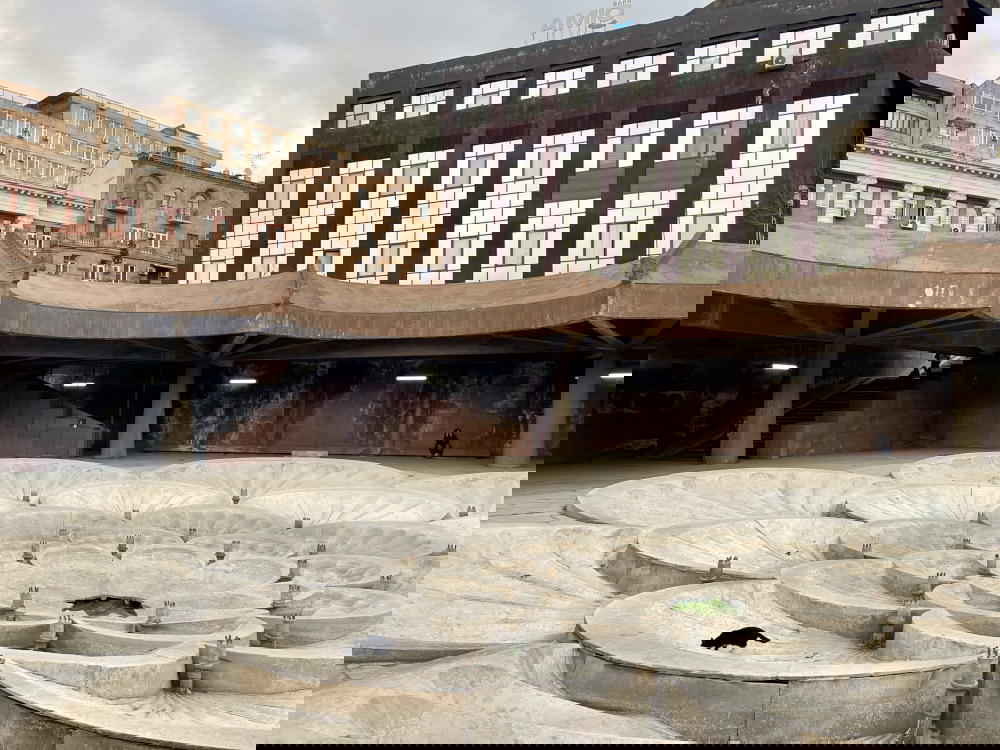
During this walk, we explore the cultural heart of Yerevan all around Republic Square, through the massive open-air arts and crafts market of Vernissage, past the metro station with its gorgeous lotus-shaped water fountain in the courtyard outside. We finally reach the stunning limestone staircase known as the Cascade.
It is a long walk, but Vako is full of quirky stories about his hometown. My favourite is the one about Swan Lake, a man-made body of water near the National Opera and Ballet Theatre. Following Kanye West’s chaotic concert in 2015, mischievous locals named the lake Swan-Ye Lake after the rapper jumped into it, causing his fans to follow him. Just like tennis ace Andre Agassi and singer Cher, West’s ex-wife Kim Kardashian’s family hails from Armenia.
“There are more famous Armenians outside Armenia than inside,” Vako says wryly, with just a touch of wistfulness in his voice. That makes sense, since the country’s population is just three million, while the diaspora comprises eight million Armenians, scattered across the US and Europe. As Vako speaks about his country, it’s clear the history is complex and deeply layered—tinged with sorrow, and shaped by the enduring memory of the 1915 genocide, which still lives on in the hearts of many Armenians.
But on this sunny spring evening, modern Yerevan feels resolutely forward-looking. At Vernissage market, locals and tourists haggle over handwoven carpets, carved wooden trinkets, and vintage watches. Though the stone lotus fountain at the Republic Square metro station isn’t running yet, we pause to admire its design—eight open petals encircled by delicate floral and avian motifs.
“At the first hint of summer, all the fountains come to life,” Vako explains. And almost on cue, the zodiac fountain at Charles Aznavour Square begins to shimmer to life— water jets catching the light as crowds gather to enjoy the cool spray and the first twinkle of evening. If you’re getting the sense that this is a city obsessed with fountains, you’re not wrong.
Our walk ends at the Abovyan 12 restaurant where Vako recommends the local menu. As I have already tasted Armenian food the earlier day, I am eager for more, and the al fresco seating is enough to convince me. After a light meal of tolma—the Caucasus version of traditional Greek dolma made with grape leaves—and spas, which is a savoury yogurt soup, I end the long day with a nightcap of Armenian brandy (also called cognac) made from grapes grown in the Ararat Valley.
I spend my last morning in Yerevan with a day trip to Geghard monastery, with its numerous churches and tombs, which, according to the Unesco listing, “illustrate the very peak of Armenian medieval architecture”.
Within an hour’s drive, the monastery has some breathtaking stone sculptures and bas reliefs in its massive prayer halls, partly carved out of sheer rock faces. In one of the dimly lit chapels, I see a lone worshipper holding a candle, a powerful reminder of the region’s orthodox faith.
On the way back to the city, I stop at Garni temple, built in the first century in classical Greco-Roman style. Today, only a reconstructed shell of the original structure stands in isolation, overlooking the gorge created by the Azat River. But the views of the surrounding countryside alone are worth this diversion. From the low wall on one side, I can see the faint outline of my next destination: the Garni Gorge.
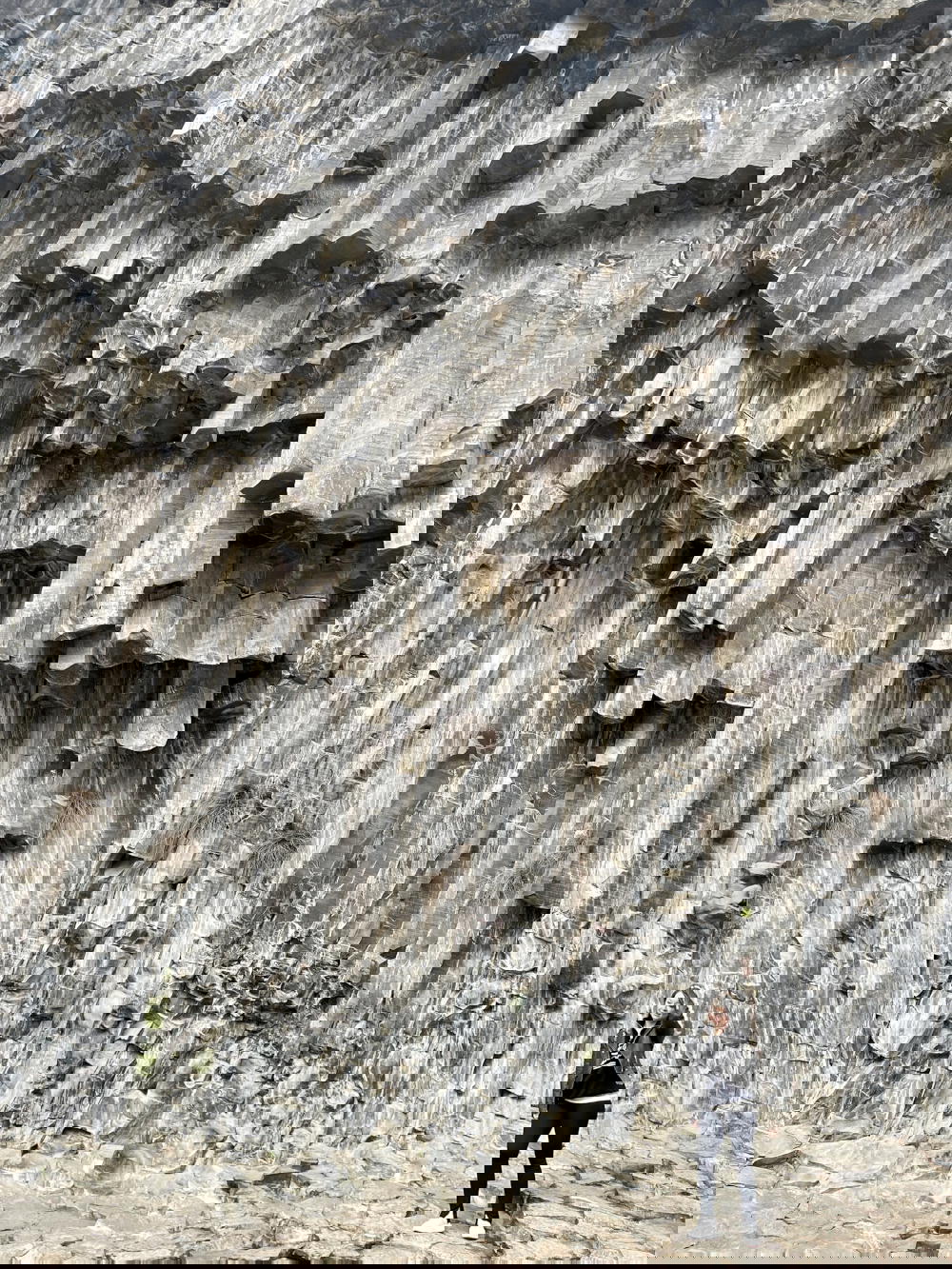
Popularly advertised as the Symphony of Stones, this otherworldly landscape is believed to be over 40 million years old. It consists of a massive collection of black basalt columns that rise vertically from the valley floor, creating honeycomb patterns in some places and resembling church organ pipes in others. While walking along the gorge, the Azat River is a constant presence, adding a mesmerising soundscape.
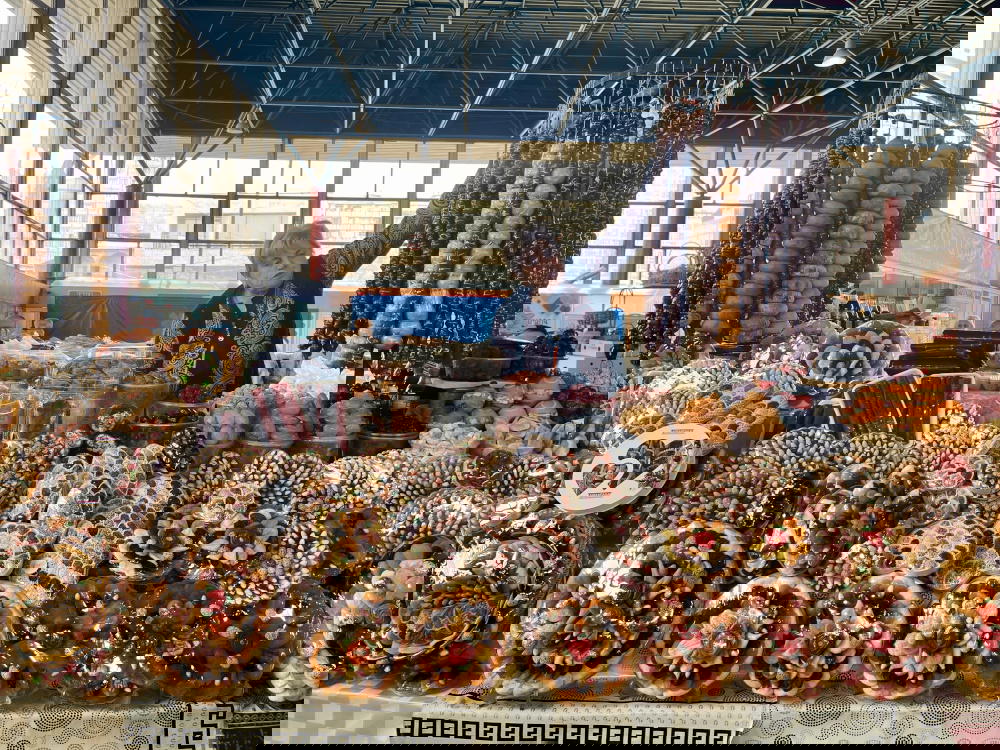
When I return to Yerevan, it’s raining again, so I seek shelter inside the covered, bustling Gum Bazaar, also known as Gumi Shuka, where Armenian women buy fresh lavash (thin bread), juicy pomegranates, salty sulguni cheese, and candied fruits and nuts. I get a sugar rush from all the free samples I try from various vendors.
And that is how I leave Yerevan: on a high note.