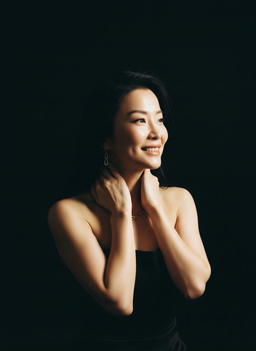
Tanoto Art Foundation (TAF), a private art foundation based here, will make its debut during Singapore Art Week with a one-day symposium entitled Soul Song of a New Organisation on 14 January.
During the event, top international artists, art historians, curators, and institution builders will discuss themes of creativity, identity, authenticity, and how to cultivate an organisation with a soul.
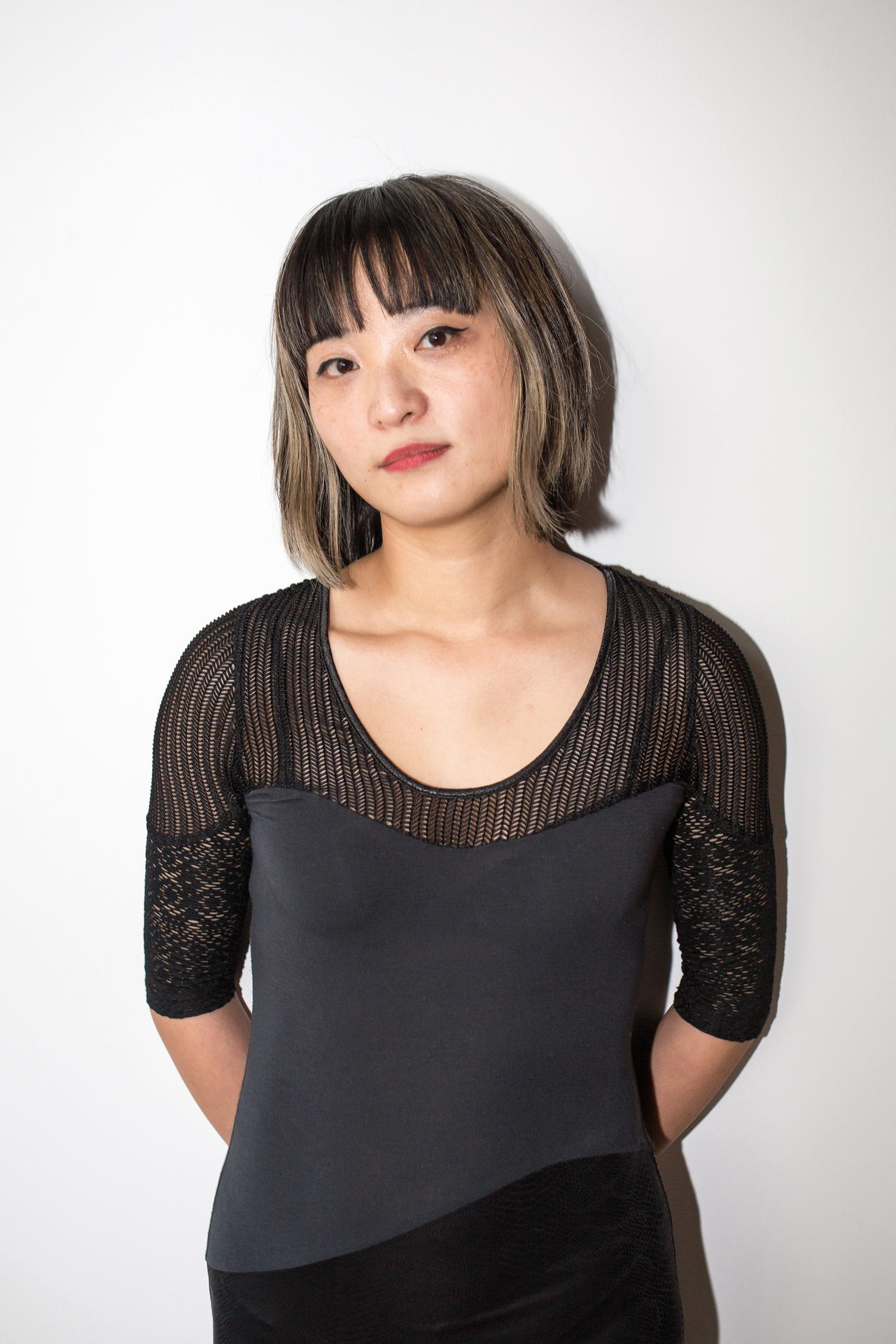
New York-based curator and writer Xiaoyu Weng is its Artistic Director.
How will TAF use art to shape South-east Asia’s cultural and social landscape?
We aim to amplify diverse artistic voices from the region and beyond while working closely with local stakeholders—artists, curators, and the younger generation of cultural practitioners—to identify and support their most pressing needs.
TAF is rooted in South-east Asia but will engage globally, bringing regional perspectives to international audiences. It includes looking beyond traditional art centres like Europe and New York City to regions with rich art histories and vibrant contemporary practices, such as South America. It is our goal to create active connections and bigger platforms for telling new stories.
How does your international curatorial experience help make TAF a locally-rooted and globally relevant platform?
My curatorial philosophy emphasises being nimble, flexible, and adaptable; always thinking outside the box. With nearly 20 years of experience, I have a solid understanding of what it means to operate in this capacity.
I focus on making genuine connections with local communities wherever I work—there’s no one-size-fits-all approach. I am not interested in imposing irrelevant programmes or ideas in a top-down, patronising way. Instead, I aim to expand our network and highlight as well as ensure cutting-edge ideas gain visibility on an international level. Leveraging my global connections and fostering teamwork will be key to effectively communicating and realising our goals.
In what ways will TAF’s inaugural symposium at Singapore Art Week bring South-east Asia’s diverse cultural identities together with global contemporary art?
As we set out to build the foundation, the symposium explores institution-building and a self-referential exercise. It is essential that we listen and learn about institution-making from colleagues throughout the region and around the world and integrate these reflections into the work we do.
Art spaces, museums, and biennials face significant financial and political challenges today. TAF’s symposium will offer an opportunity to learn from others’ experiences, reflect on their approaches, and determine how they can meaningfully contribute to the field.
When it comes to leading TAF at this critical moment for South-east Asia’s contemporary art scene, what excites you most?
I am most excited by the opportunity to be a key player and active agent in shaping the contemporary art landscape with like-minded collaborators. It’s important to me to listen deeply, gain a deeper understanding of the region, and craft narratives that tell compelling stories.
By connecting overlooked practices, thoughts, and cultural traditions in innovative ways, we hope to write a new kind of art history and create an institution that is truly relevant to today’s world.