
There’s no better place to indulge your inner child than “Wonders of Nature”. Teeming with delightful displays, including a tiger and fruit parfait and a cuddly cacti canyon, this immersive exhibition runs until 5 October at New Art Museum Singapore (NAMS).
The museum, which shares space with Whitestone Gallery, the local outpost of the prominent Tokyo art gallery, in Tanjong Pagar Distripark, is part of Whitestone’s plan to develop the cultural ecosystem by supporting both commercial and non-profit art.
Through engaging interactions with artworks, “Wonders of Nature” aims to bring attention to our natural environment. In the words of Priscilla Quek, Manager of Whitestone Gallery Singapore and NAMS, “This is a great step forward… and we are happy to support it.”
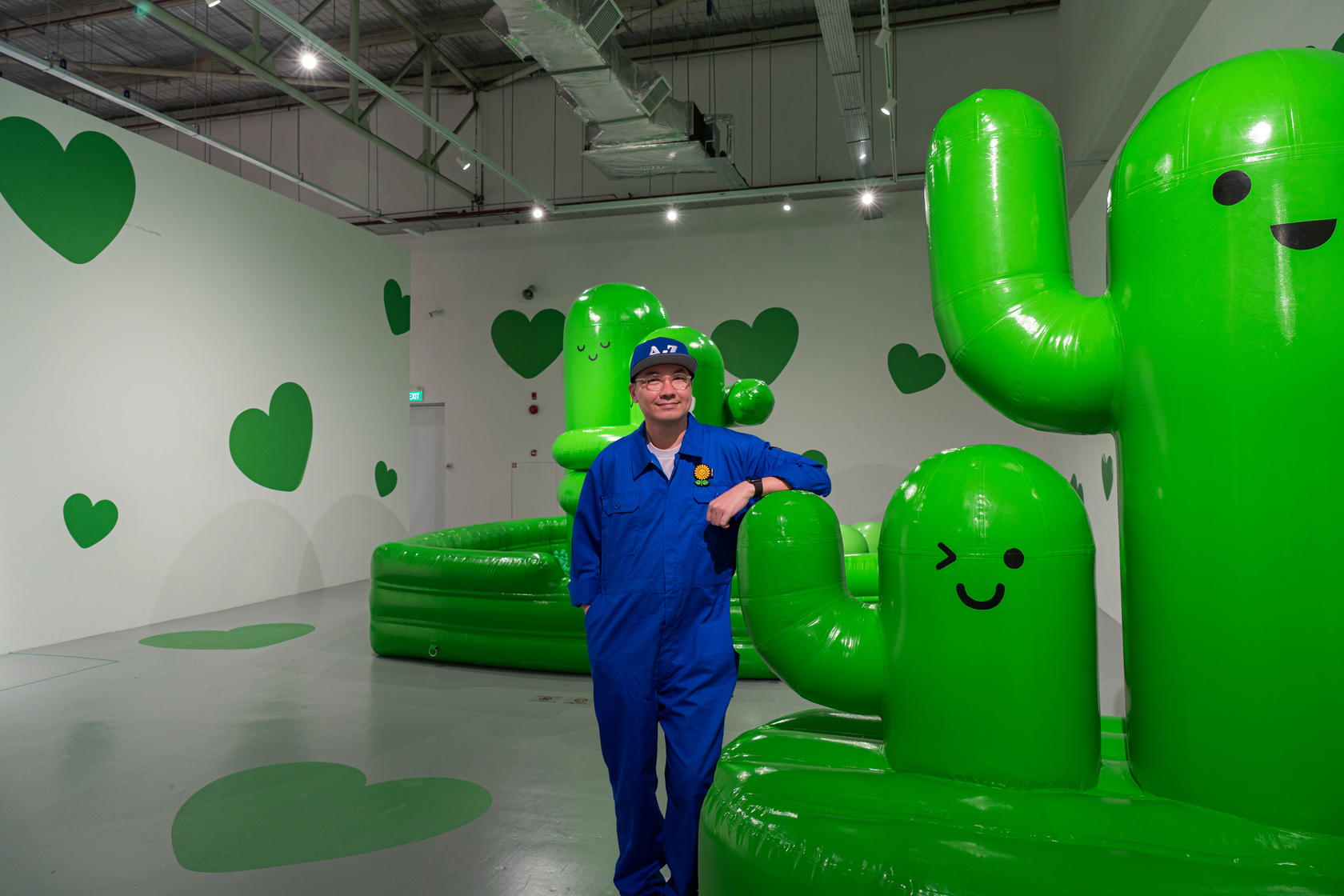
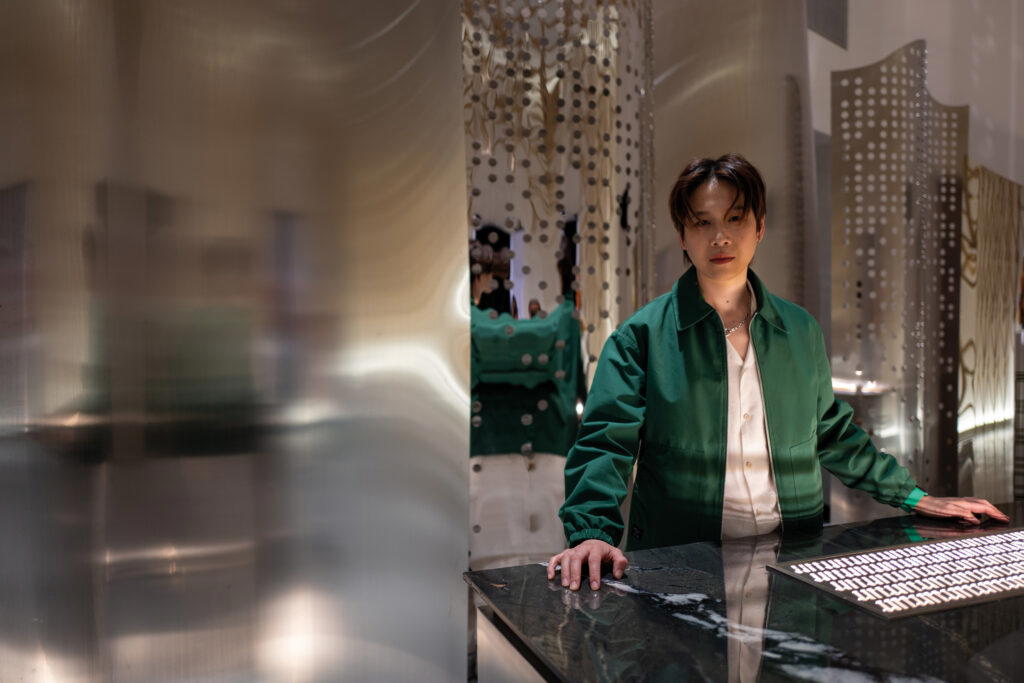
The exhibition was curated by Warren Wee, a creative multi-hyphenate and award-winning photographer, who was inspired by his young daughter’s visit to Ueno Zoological Gardens in Tokyo. As it was her first encounter with wildlife, he was captivated by her curiosity and innocence.
“I wanted to recreate the feeling of first encounters, as well as wonder and excitement, in a setting that was accessible to all through art,” Wee says. Hence, the title, which also references Belgian surrealist René Magritte’s 1953 ‘Les Merveilles de la Nature’ (French for “nature’s wonders”).
Jackson Tan and Go Yayanagi are among the seven artists whose artworks have been categorised into mini-exhibitions. ‘Canyon of Cuddles’, ‘Animal Kingdom’, ‘Ancient Aquarium’, and ‘Garden of Senses’ are all recommended to visitors. As younger visitors explore the fun environments, older ones can contemplate deeper issues such as our role in natural ecosystems.
CACTI CUDDLED UP & CRITICALLY ENDANGERED FISHES
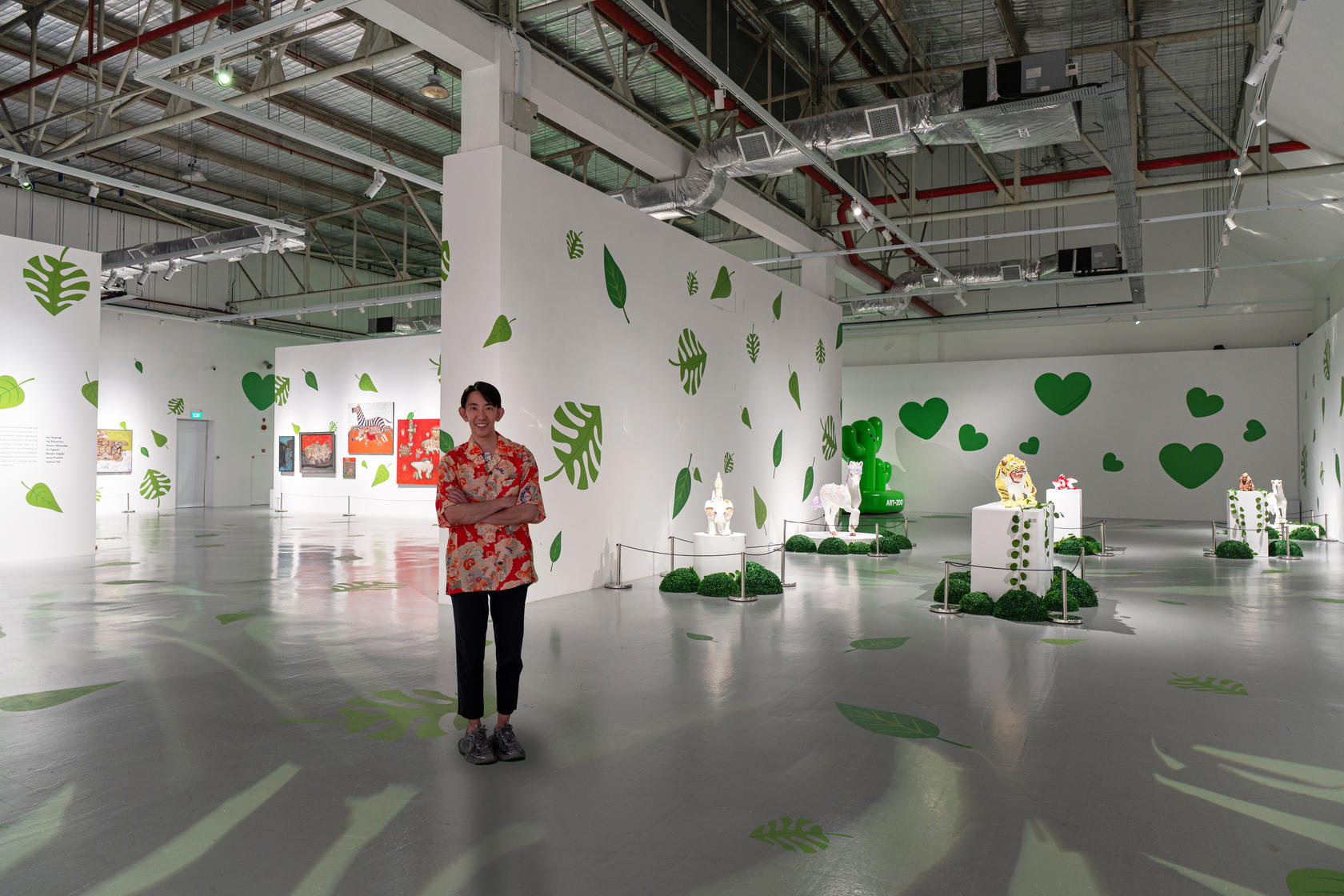
‘Canyon of Cuddles’ by Jackson Tan, the Singaporean artist behind creative lifestyle brand Art-Zoo, is a highlight. It is a tribute to Gardens by the Bay’s Cactus Valley, which has Southeast Asia’s largest cacti collection. Intrigued by the shapes of these prickly plants, Tan set out to imagine the stories each could tell.
At the heart of the display—a tribute to his late mother and a nod to Magritte’s work, where two fish-headed lovers are joined in song—is an inflatable sculpture depicting a mother and child cacti locked in an embrace.
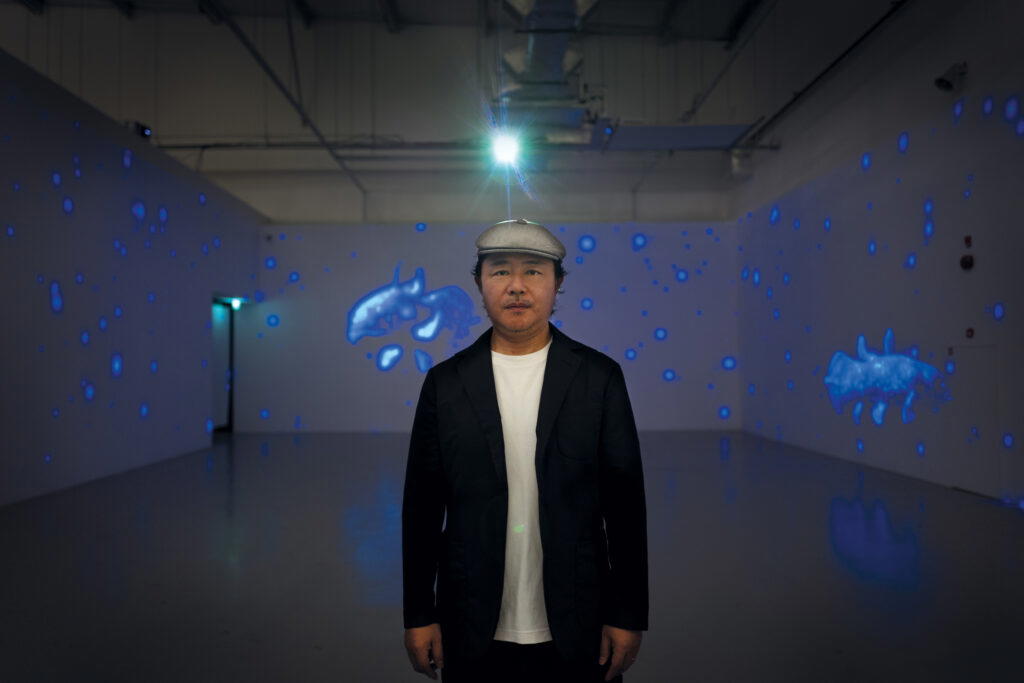
‘Animal Kingdom’ unfolds with Japanese artists Osamu Watanabe, Yuji Kanamaru, and Go Yayanagi displaying rich, vibrant works that play up the meeting between art and nature. ‘Ancient Aquarium’ presents a mesmerising digital art journey with Masato Inagaki and Go Ogawa.
A combination of the former’s mammoth marine life projections and the latter’s innovative light play evokes the dynamic movements and ambient sounds of the deep blue. Among the fish depicted in real-life sizes here are coelacanths, a critically endangered species that lives 200m below sea level.
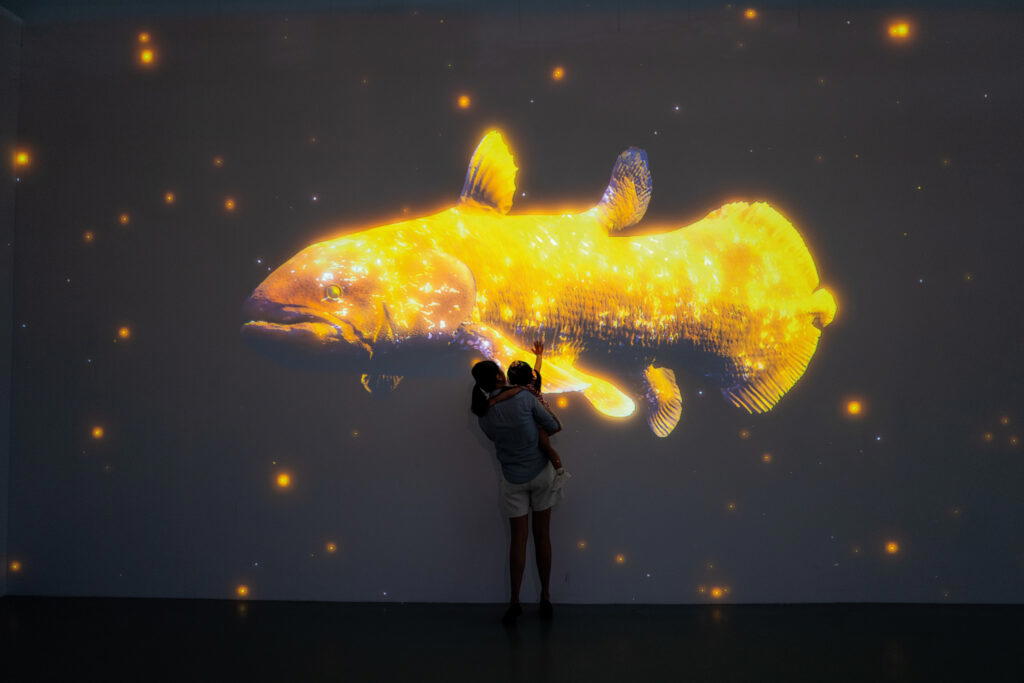
With this presentation, Wee hopes to raise awareness about the disappearance of our natural world and encourage us to think about the impact of our activities on the environment.
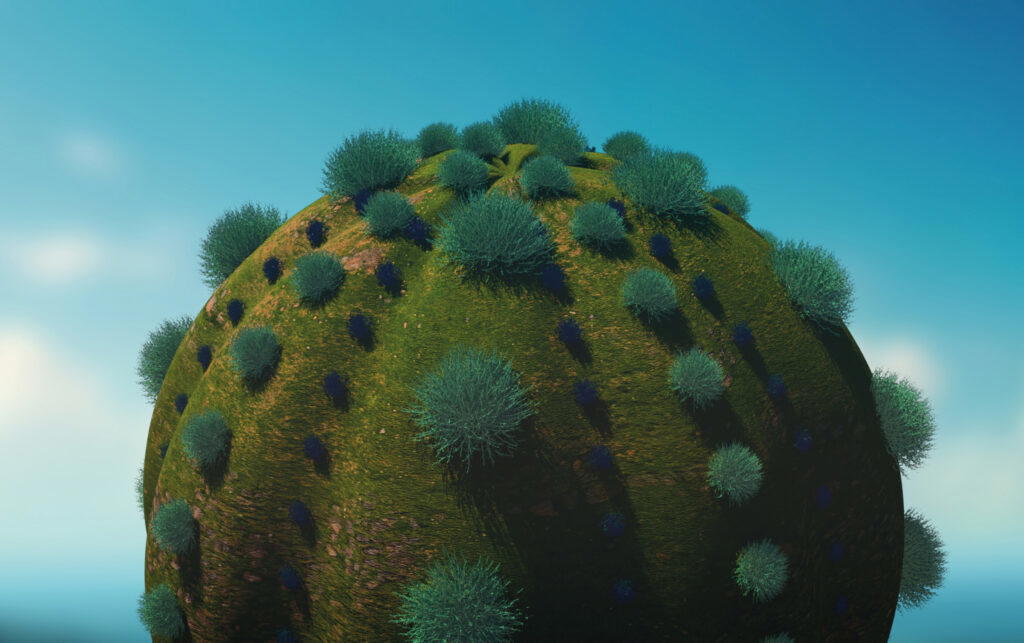
Meanwhile, Jesse Franklin’s ‘Garden of Senses’ is an out-of-this-world immersive adventure game. “It will tickle your senses of sight, sound, and touch when you step into lush, mystical nature filled with ancient ruins, winding river paths, and towering trees that recreate the sense of walking into a giant garden and being dwarfed by the trees, says Wee.
Using a video game controller, visitors must locate and collect four sacred Tiger Scrolls hidden throughout the terrain before time runs out. “If the player collects all four scrolls before the timer goes, the mystical tiger spirit will bless their journey in a triumphant victory animation. In the event that time runs out before all scrolls are collected, the world resets, sending the player back to the starting point,” Wee explains.
WAGASHI & sINGLE-origin matcha
In addition to these unique art pieces, “Wonders of Nature” features a pop-up cafe by Waga Waga Lab. Founded by Sam Chua of Black Cow and Waga Waga, it’s a concept inspired by the Japanese concept of mottainai, or “wasting food”, in which imperfect ingredients are transformed into thoughtful inventions.
Rather than being invited as a vendor, Waga Waga Lab was invited as a collaborator, according to Chua. “We were given space to explore our vision, and that trust allowed us to create something immersive and meaningful for visitors of all ages.”
The pop-up’s concept is based on the interior of NAMS, which was designed by Japanese architect Kengo Kuma, and its menu features wagashi confectionery and single-origin matcha.
“It’s not just about the product, but about creating a sensory experience rooted in nature, beauty, and care as well. Nature is full of subtlety and poetry, and that became our starting point,” Chua explains. Hence, wagashi is designed to evoke the scent after rain, the curve of a sakura petal, or the hue of moss-covered stones.
Wee, however, is the most excited: “I wish there was a camera that could record every visitor’s expression and compile it into a giant mosaic!” In the long term, I hope this exhibition will inspire everyone, especially children, to express themselves freely and creatively.”
He adds that the exhibition’s look and feel will be updated every few months to encourage visitors to keep exploring “Wonders of Nature” again and again. “The exhibition is constantly evolving, so there is always something new to see.”