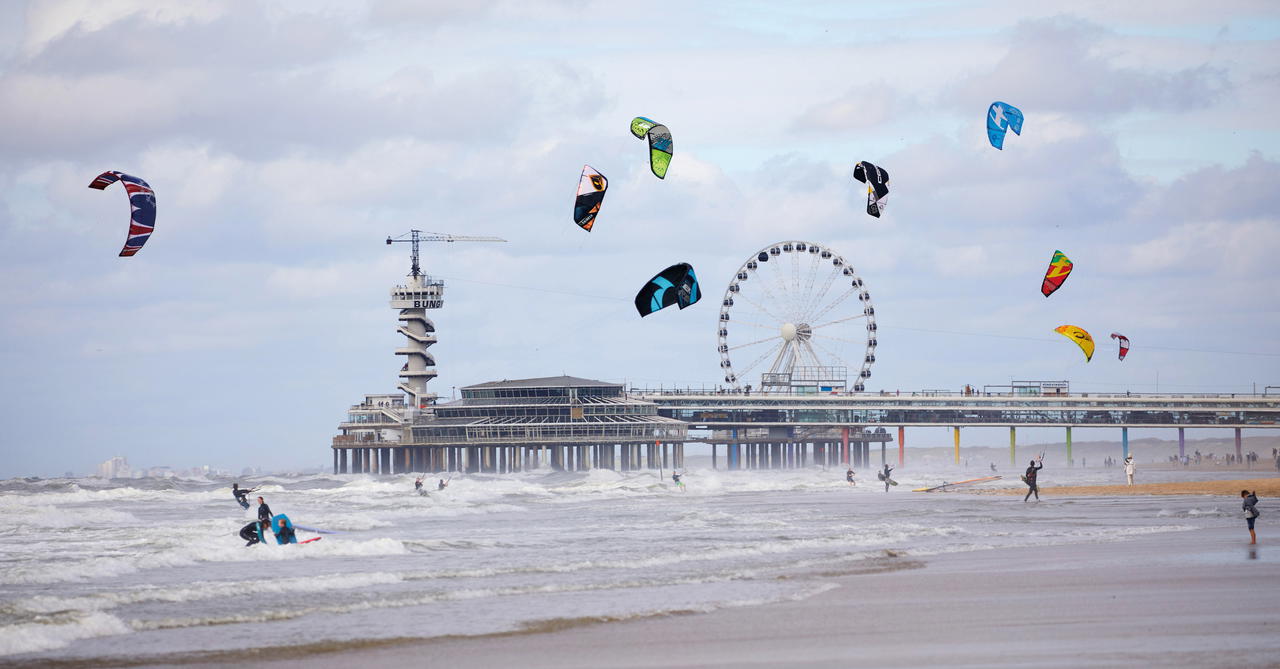
On a July morning, the sun pierces a clear blue sky as the howling, cool wind slaps against my skin. Music pours from the speakers at Hart Beach, a surfing restaurant just waking up at 11am on Saturday, with partygoers nursing their night-before hangovers.
My view stretches beyond the Scheveningen coastline and the seagulls encircling it—ground zero for surfing in the Netherlands—where a handful of surfers tackle metre-and-a-half waves in waters that look inviting yet conceal hidden dangers.
“The sea might look calm, but it can get dangerous in the summer here,” Pat Smith cautions me, his voice raspy from performing with the Hague-based band Splendid the night before. The 46-year-old musician-cum-surfer takes a swig of his coffee before continuing: “The currents can take you out if you don’t educate yourself.”
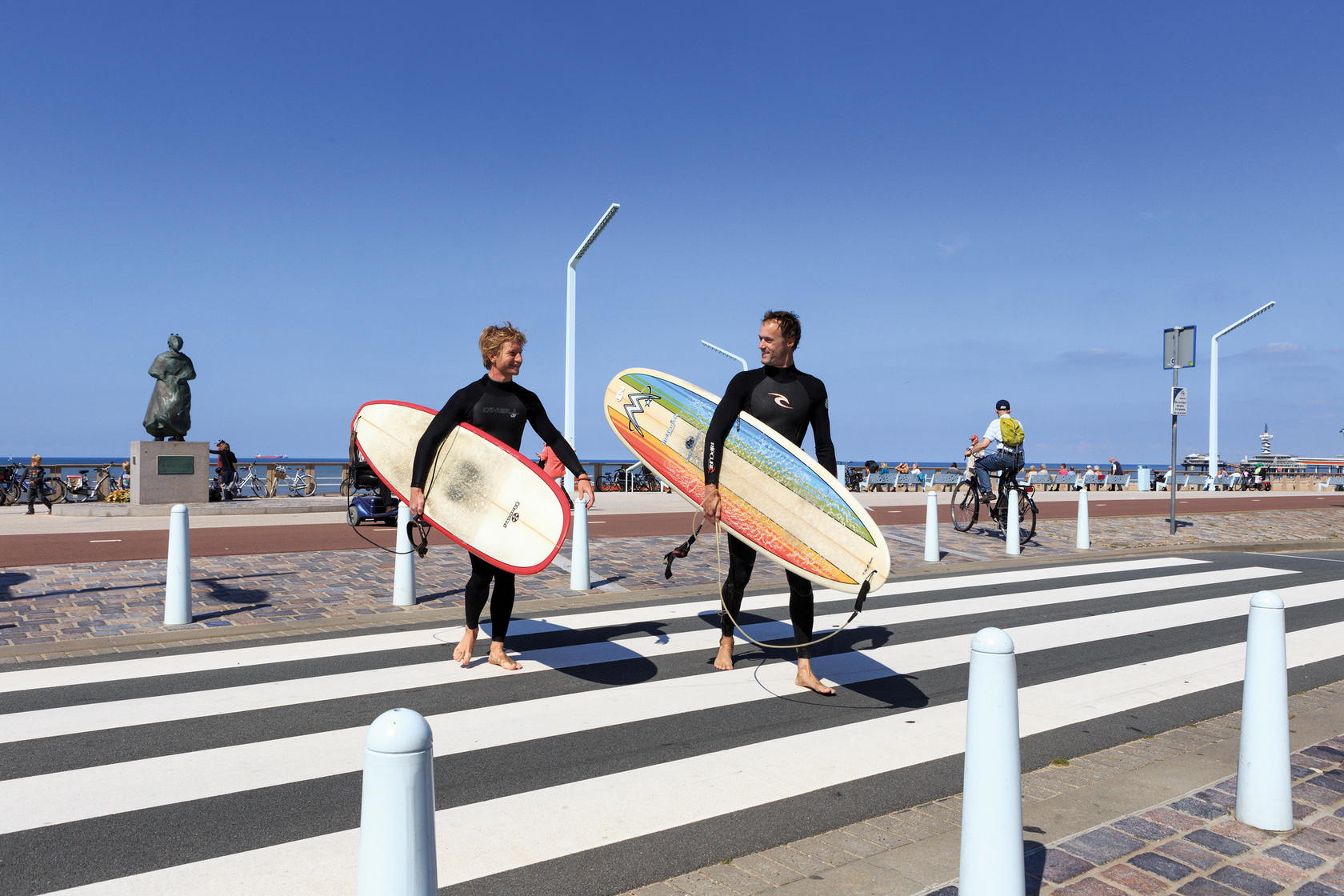
It’s a reminder that the North Sea demands more respect than the placid waters might suggest. For Smith, who has spent decades surfing these shores, understanding the conditions is simply part of getting in the water.
When he began riding the waves in the 1990s, the local surf scene amounted to little more than 40 or so dedicated enthusiasts and small community gatherings, sheltered by army tents on the beach to protect punk bands from the elements. Today, it has swelled into a community of around 28,000 surfers in The Hague alone—a remarkable figure in a city of just 600,000.
Dutch surfing dates back even further to the 1930s, when the first water-sports enthusiasts cautiously ventured into the North Sea, at a time when surfing was largely unknown and misunderstood. The scene began to coalesce in the 1960s, helped by pioneers like Noordwijk native Jan Willem Coenraads Nederveen Sr., also known as ‘Old Need’, who connected his son and other Noordwijk boys with those in Scheveningen.
This laid the ground for a small local scene to emerge. In 1973, the Holland Surfing Association (HSA), now Nederlandse Golfsurfbond, or Dutch Surfing and Boardriding Federation, was established, with Smith actively involved in the organisation.
“Scheveningen is popular among surfers of all levels because it’s so well connected to Ther Hague,” he explains, adding tales of his seafaring and musical journey across the UK, France, Morocco, and Indonesia over the years before returning home to serve briefly as the town’s Night Mayor.
“You get the benefits of living in a beach town and a city at the same time. No other region in the Netherlands has that luxury.”
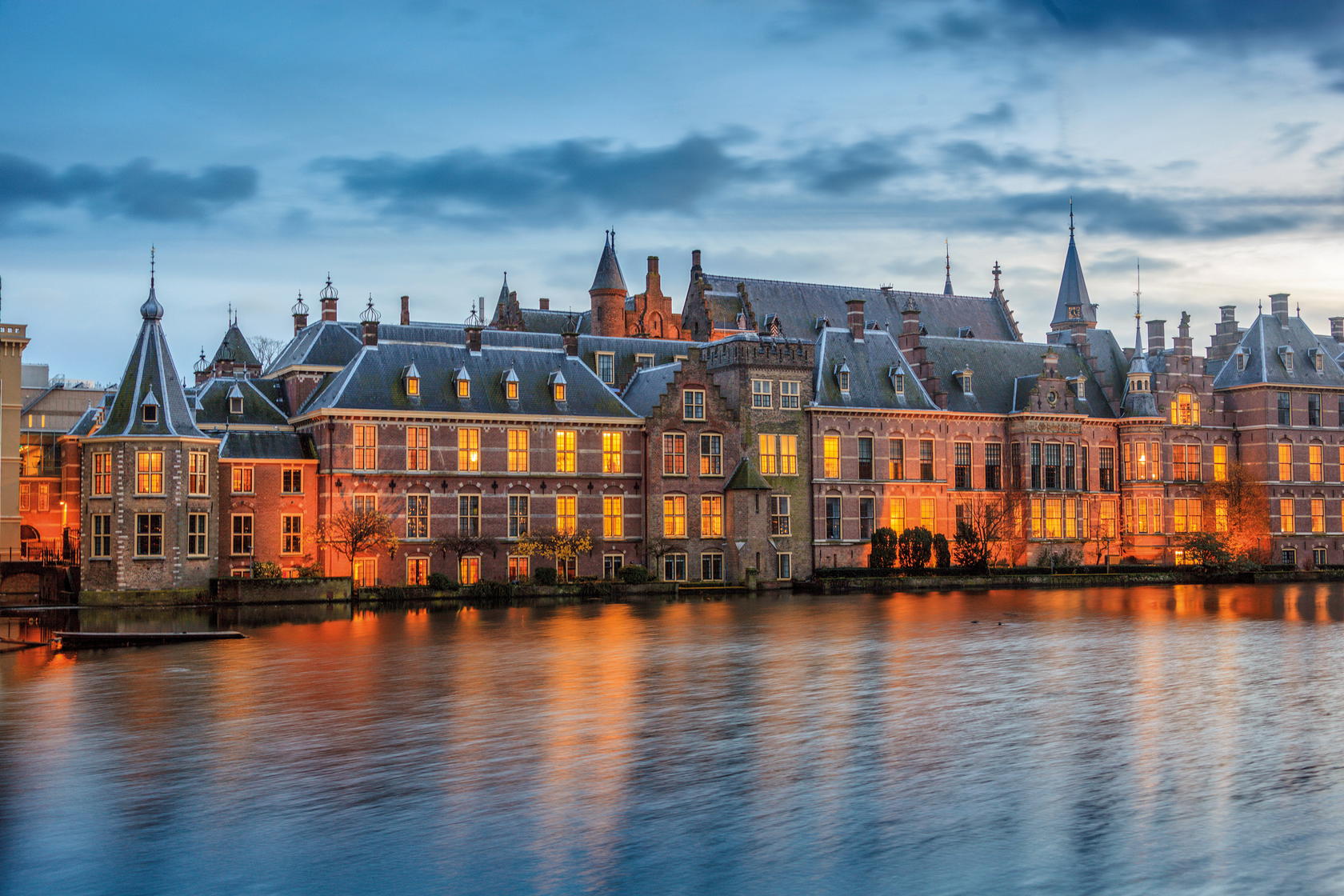
Dubbed the “city of peace and justice”, The Hague is home to grand institutions and a rich history: the Dutch parliament sits in the 13th-century Gothic Binnenho; two of the royal family’s three residences are here; and the neo-Renaissance Peace Palace houses the International Court of Justice.
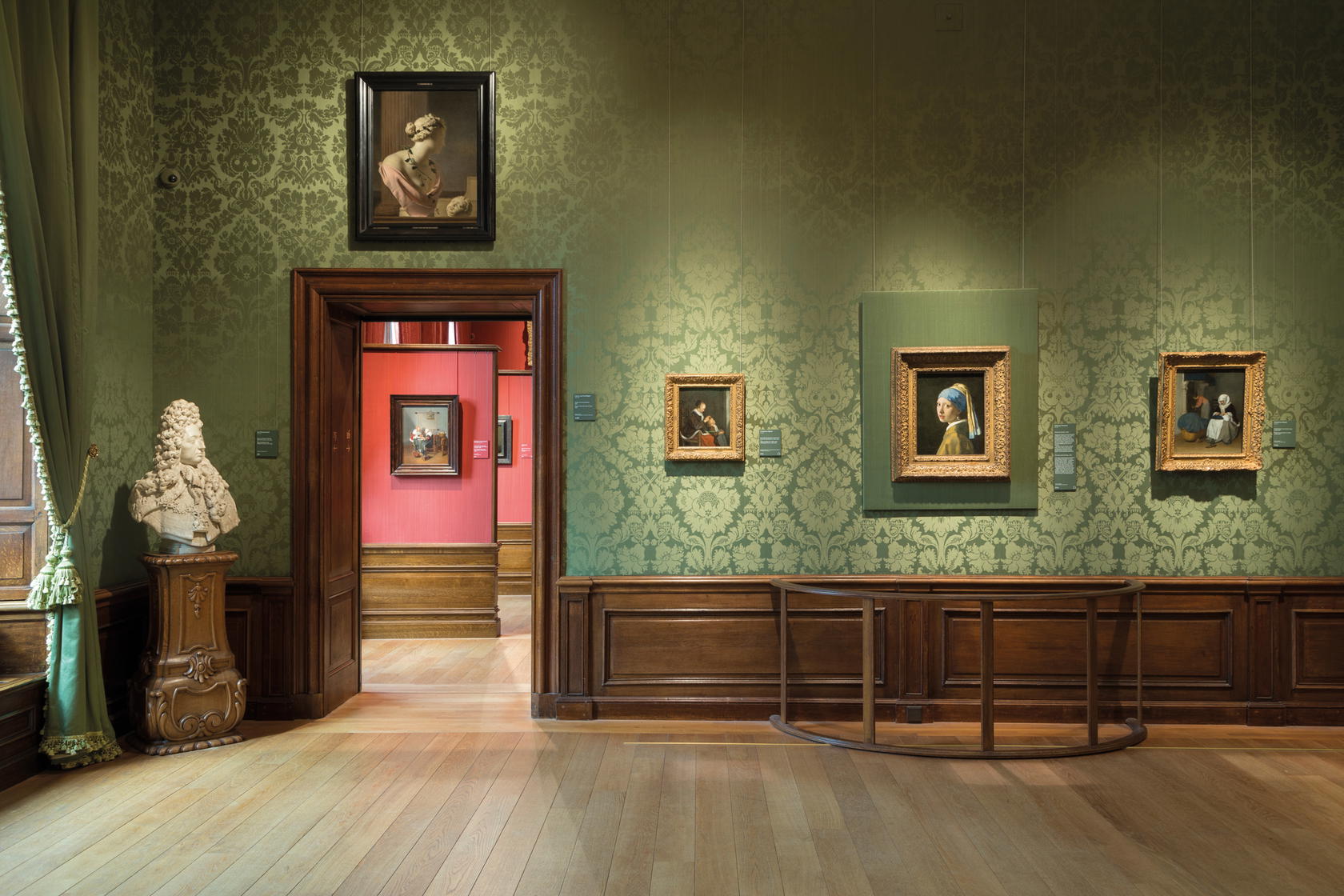
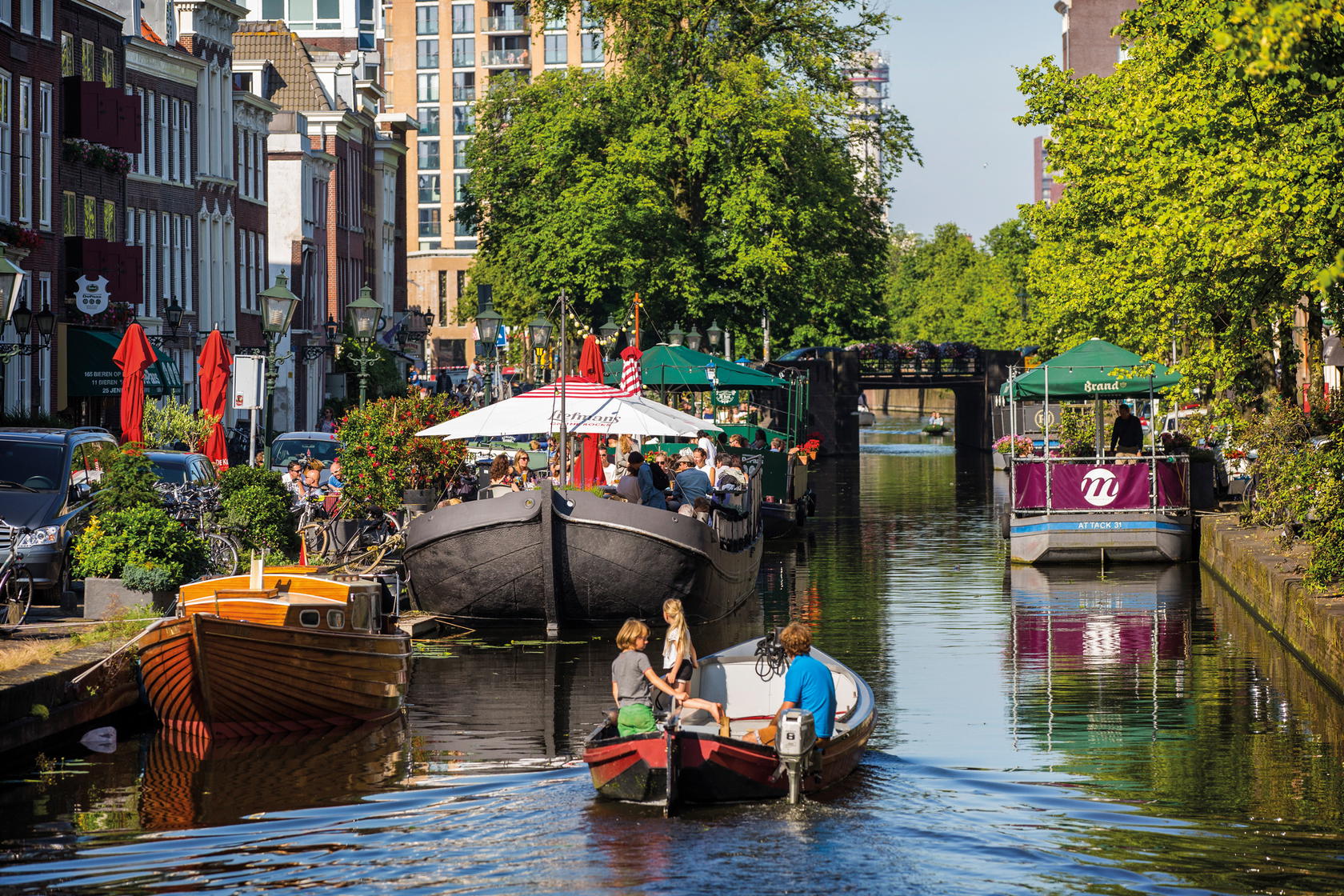
Beyond its palaces and political corridors, the city reveals a more relaxed side—winding cobbled streets, scenic canals, and some of the Netherlands’ finest art, including Vermeer’s ‘Girl with a Pearl Earring at the Mauritshuis’.
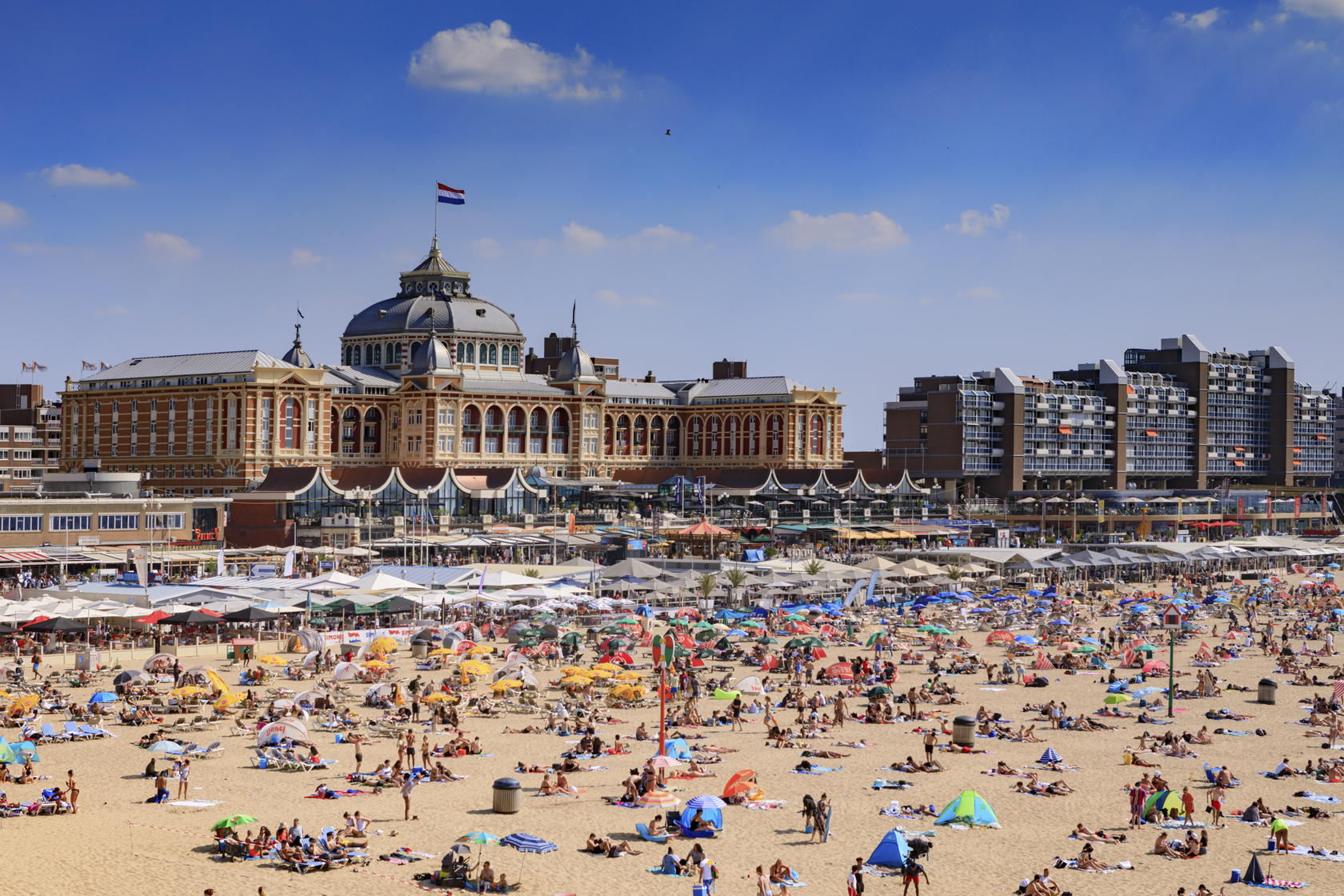
And then there’s the sea. About 30 minutes from the city centre, the 11-km coast feels like another world, with surfers paddling out beyond the breakers, colourful beach shacks serving drinks and seafood, and surf schools and shops lining Scheveningen’s sand. It’s a striking counterpoint to the stately city inland and increasingly one of its biggest draws.
The cooler coastal climate also adds appeal, especially as Europe grapples with rising heatwaves. Even in summer, the North Sea hovers around 18 to 24 deg C, and a steady breeze keeps Scheveningen pleasantly cool.
The Hague on land is just as refreshing: Den Haag is widely regarded as the greenest city in the Netherlands, aiming for carbon neutrality by 2030 through solar, wind, and hydrogen. For visitors, cycling between the centre and the coast feels as natural as an afternoon in the water.Scheveningen has long been a favourite with Dutch and German visitors, and it now attracts travellers from Belgium, Denmark, Asia, and even Australia.
The latter group often comes not just for the waves, but for the local surf culture, which is hard to resist once discovered. The scene is evolving beyond recreational. “We don’t have surf champions yet, but we have several surfers on the Challenger Series—the qualification circuit for the World Surf League,” says Smith. With the surfing federation affiliated with NOC*NSF, the Netherlands’ Olympic and national sports body, Smith is already looking towards the 2028 Games and wondering if The Hague’s homegrown surfers could qualify.
When I ask if he’ll be testing the waters today, he shakes his head, clearly nursing a hangover, before ordering a glass of white wine. I’m amused and impressed. Perhaps this is the spirit of The Hague’s surf culture: serious about the sea, but not above knowing when to stay dry, and never letting a hangover get in the way of a beach afternoon.
After refuelling on the sea breeze, I bike along the coast, passing verdant parks before turning inland to explore more of the city. My first stop takes me back to a darker chapter: Scheveningen, once a major Nazi command centre during World War II. At the Atlantikwall Museum, original German bunkers sit in plain sight, framed by towering trees and quiet villas that once masked espionage activity across the street.
I follow our guide to the Widerstandsnest 318 command bunker within Badhuisweg complex. The rooms feel stuffy, crowded with maps, gas masks, original platoon uniforms, and radio equipment, alongside the surprising sight of a mummified crocodile head recovered from a nearby toilet bunker.
The crew bunker is also open to visitors, housing artefacts that offer a sobering glimpse into the persecution and deportation of Dutch Jews during the war. From there, I bike to Zeestraat 65 and step back in time at Museum Panorama Mesdag, home to ‘Panorama of Scheveningen’, the 360-degree masterpiece painted in 1881 by Hendrik Willem Mesdag, one of the leading artists of the Hague School.
Created with fellow artists, including his wife, Sientje Mesdag-van Houten, the enormous circular canvas captures Scheveningen’s fishing village, dunes, and North Sea as the seaside resort was beginning to evolve.
I stand in its centre, craning my neck to take in the dizzying, seemingly endless view. For a moment, I’m standing in Scheveningen as it was more than 140 years ago.
While Museum Panorama Mesdag offers a solid taste of art, a Den Haag itinerary would be incomplete without the Mauritshuis, where Vermeer’s ‘Girl with a Pearl Earring’ waits alongside other Dutch masterpieces. She’s just as gorgeous in the “flesh”.
My trip comes full circle on the last day with a private tour of the Peace Palace. Set among leafy gardens, the imposing red-brick building exudes a serene authority. Completed in 1913 with funds from philanthropist Andrew Carnegie, it was conceived as a home for international courts seeking peaceful resolutions to disputes.
Today, the palace houses the Permanent Court of Arbitration and the International Court of Justice. In the ICJ’s Great Hall, stained-glass windows symbolise peace across the past, present, and future, culminating in an image of its ideals. Having wandered the gallery streets and North Sea waves of The Hague for days, it feels like a perfect end to a city serious and carefree—where peace sits comfortably on a good wave.