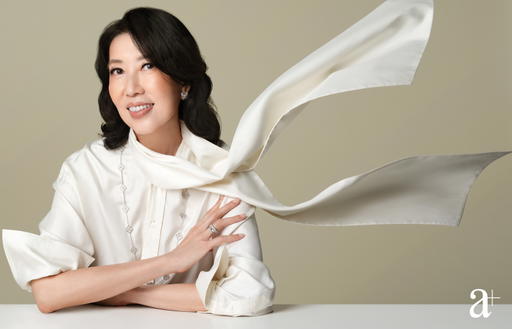
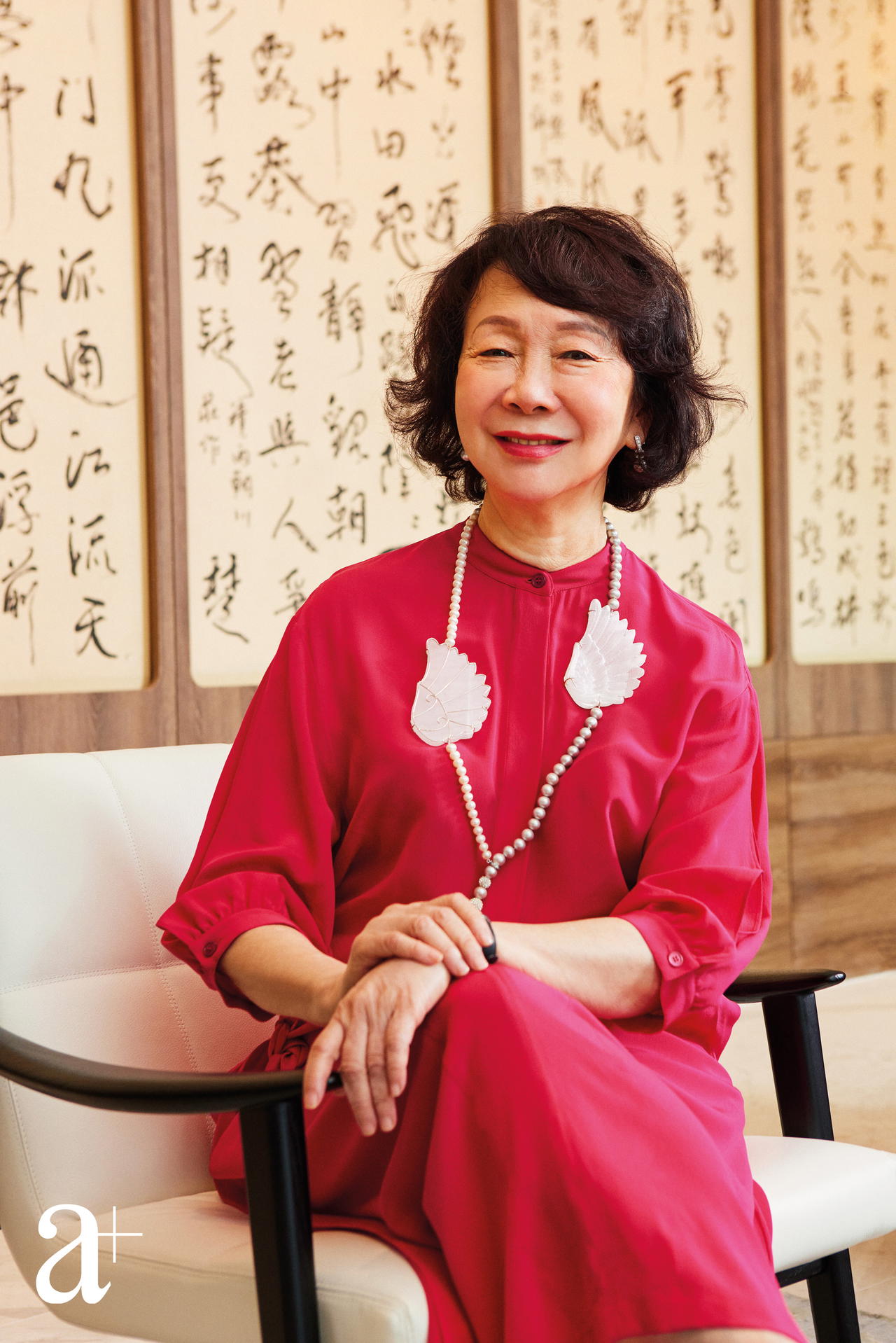
Wee Wei Ling looks around the lounge and ponders my comment. It’s a simple question, but she’s putting a lot of thought into it. “You know, you’re right. We should let more people experience this artwork,” she finally says after a few minutes.
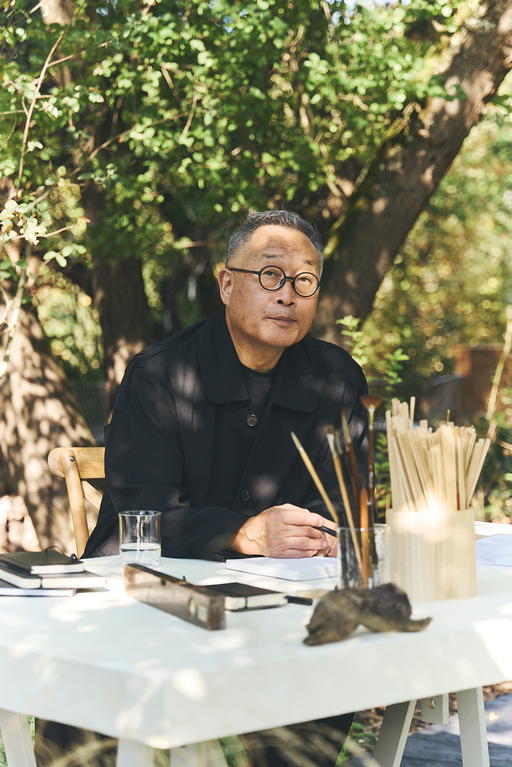
We are in Pan Pacific Orchard’s Chairman’s Lounge. The room is surrounded by three wooden walls and large floor-to-ceiling windows. Almost every square centimetre is occupied by Chua Ek Kay’s 20-panel calligraphy, which retells Li Bai’s poetry. Regarded as one of the greatest poets of Chinese history, Li Bai lived during the 8th-century Tang Dynasty.
It is an exclusive dining area for more intimate gatherings such as business meetings and celebrations. As a result, the beauty of the artwork is rarely appreciated. Earlier, I’d asked if it would have been better located in a more prominent place.
Ms Wee’s journey into the art world began late in her life. The 74-year-old first started noticing the art in her hotels just over a decade ago. At first, she didn’t give them much thought. “They seemed like decorative pieces and nothing special,” she says. Over time, after diving into the meaning of each piece, she began to appreciate them.
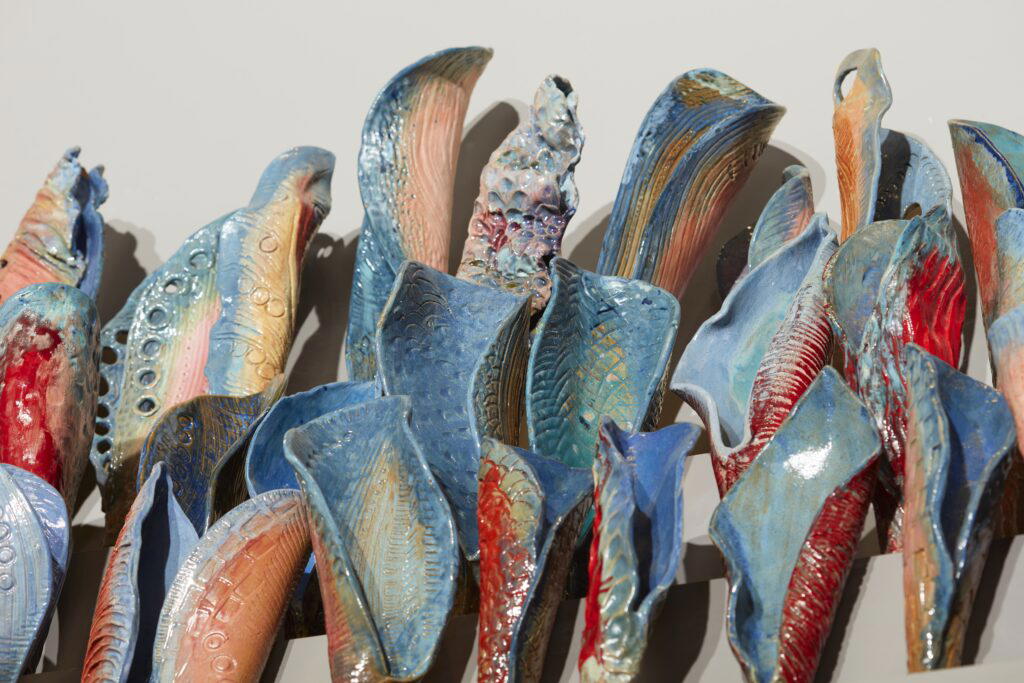
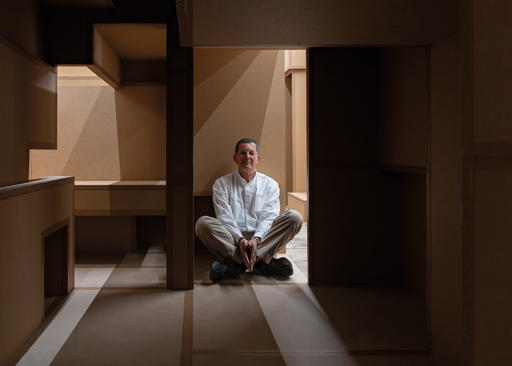
There was one work, in particular, that caught Ms Wee’s attention. It was a multi-piece sculpture by Delia Prvacki (above) that Pan Pacific Hotels Group (PPHG) purchased in 1997 and placed in one of its properties. The ceramic pieces were stored for several years after the hotel was sold while the team searched for an appropriate place to display them. Finally, they found a new home at Pan Pacific Serviced Suites Orchard.
Chua’s piece with Li Bai’s poetry went through a similar process. Originally commissioned for the Grand Park Hotel at Coleman Street, it was sold along with the hotel. “That was a big mistake on our part. Fortunately, my son-in-law bought the hotel,” she says, laughing. “Before he renovated the place, he asked me if I still wanted Chua’s work.” Naturally, she said yes, but since it had already been recorded, she had to buy it back.
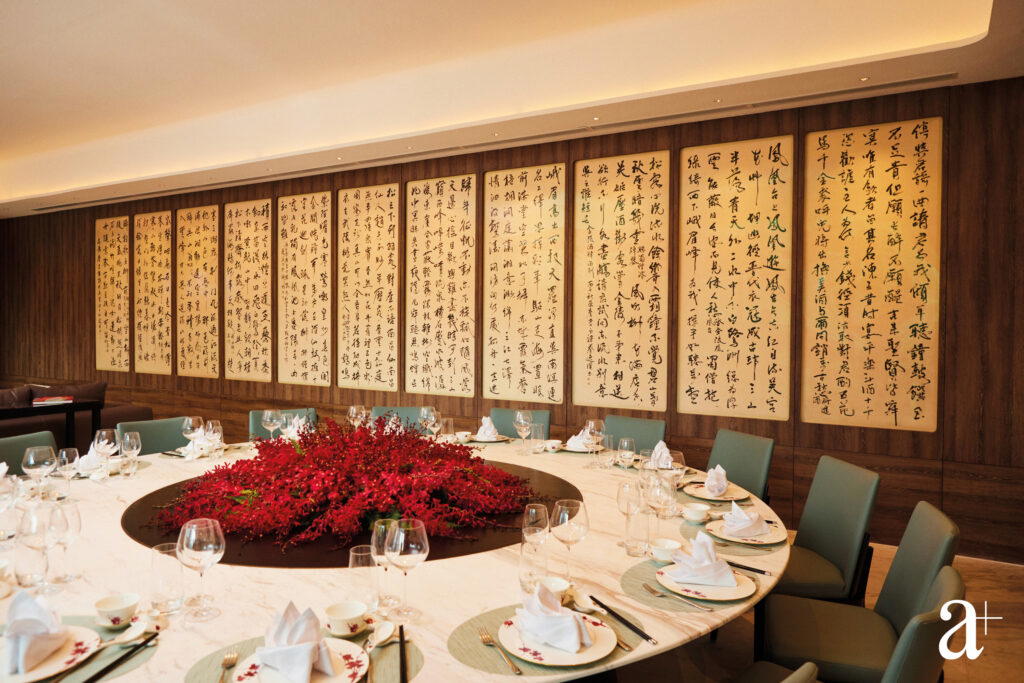
It was magnificent when displayed in its full glory, but its size also made it cumbersome. There were only a few places where all 20 panels could be accommodated. The artwork was so huge that Ms Wee had to move it constantly to any available space she could find. Finally, when plans for Pan Pacific Orchard began in earnest, she told the architect that he had to find a home for all the panels.
To understand her love for Chua’s work, from his art to his poems, we must investigate the past. Ms Wee used to memorise poems back in school and Li Bai was one poet she enjoyed reading. “His poems were always a part of my upbringing and struck a chord with me,” she says.
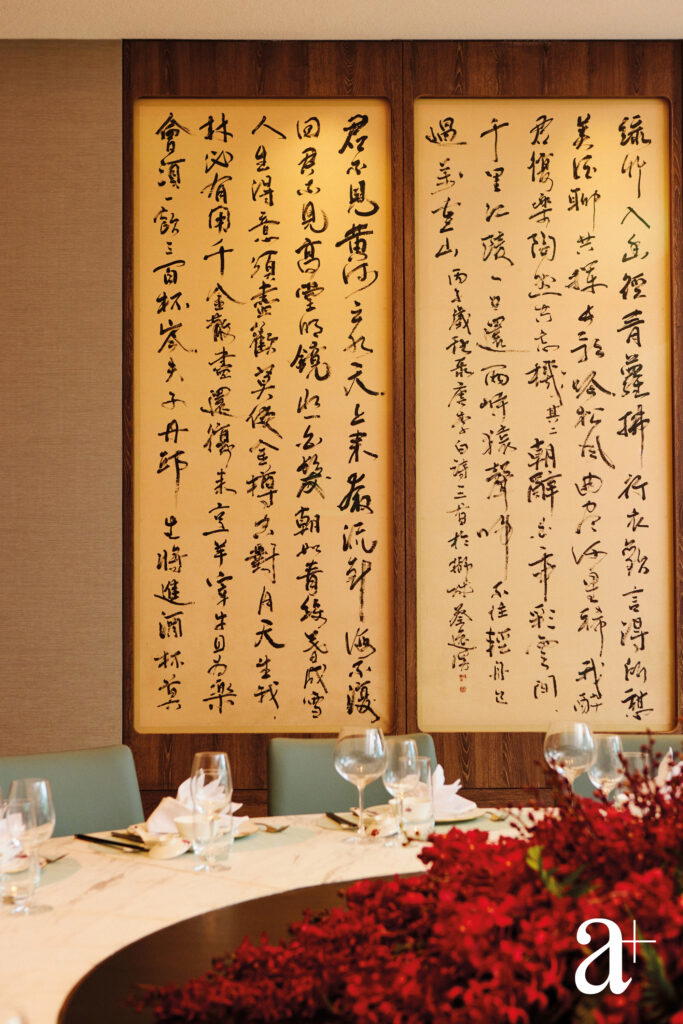
Chua turned Li Bai’s collection of Tang poetry into calligraphic pieces in the 1990s. He specifically chose those that evoked convivial gatherings filled with feasting, drinking, and scenery. It’s the main reason Ms Wee displayed the artwork in the Chairman’s Lounge, “where gatherings are happening, and relationships are celebrated with food and drink”.
Beneath those words, however, lies a nuanced study of human emotions—the joys of friendship, the sadness of parting, and the diversity of life. Li Bai describes the latter in a verse, sharing how he believes everyone has unique and valuable talents. It is Ms Wee’s favourite portion in the extensive poem (left).
“I have been so fortunate. I had the right upbringing and have been blessed in my career and family life. It is time to share whatever I have, whatever I can, with others. I believe giving back to society is not just about donating money,” she says. There has been a subtle shift in giving over the past five years. It’s now about solving problems, as Ms Wee suggests. More charities are asking volunteers for their time, skills, and knowledge rather than just money.
It is a flag Ms Wee proudly flies. She co-founded ExtraOrdinary People in 2018 to provide art, music, and performance lessons for special needs individuals. She also walks the talk in her hotels. Her goal is to have two percent of her staff comprised of individuals with special needs. “We all have talents, and just need an opportunity to showcase them. I want others to recognise how important it is to uplift our communities, and for them to do the same.”
In her opinion, art is an excellent way to express talent. “Creativity is important. I want to use my voice to advocate for the unheard or those whose voices are ignored.”