
One of the most controversial takeovers in the wine industry involved the US$1.36 billion (S$1.83 billion) acquisition of a winery. It was an unexpected buyout for Robert Mondavi, a prominent winemaker who opened the first major winery in Napa following the end of the Prohibition.
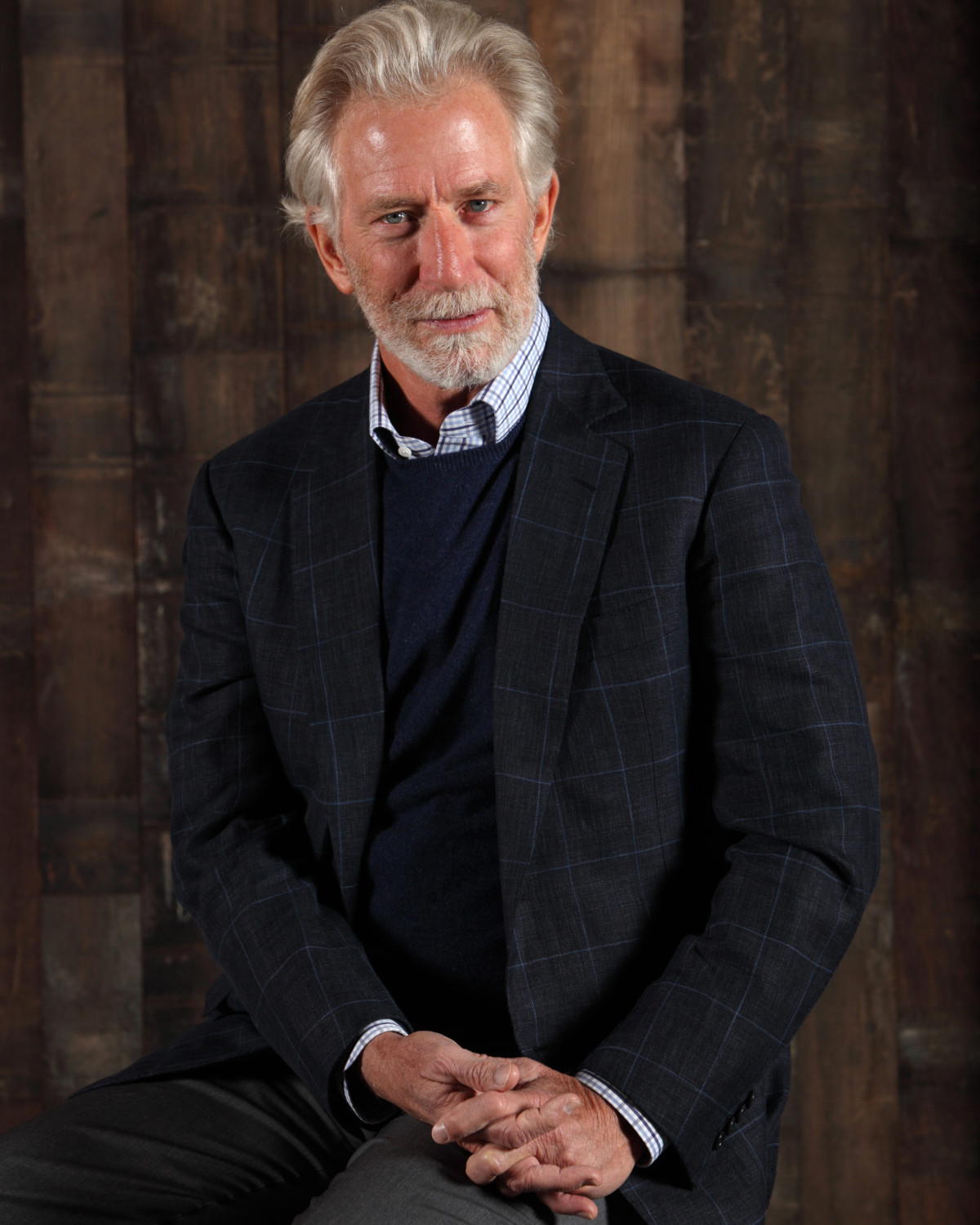
Tim Mondavi, his youngest son, recalls the family being left with a broken heart and “a bag of money”. So, they did the next best thing by establishing a new wine estate. He founded Continuum in 2005 with his father, who passed on in 2008, and sister Marcia.
Mondavi, now 74, has been making wine for over half a century and is a prominent winemaker in his own right. He runs Continuum with, in his words, utmost focus and clarity. “I wanted nothing, nothing at all to do with anything that would confuse the message of Continuum being the First Growth of the region,” he explains. In winemaking, First Growth denotes “first in class”.
Continuum wine was initially made with grapes from To Kalon vineyard, arguably the most famous in America. However, when Mondavi discovered a site on Pritchard Hill—an area synonymous with wineries that produce some of Napa Valley’s most expensive cabernet sauvignons—he began growing his own. The rocky red volcanic soil and elevation allow cabernet sauvignon, cabernet franc, petit verdot and merlot vines to ripen nicely and retain a good amount of acidity.
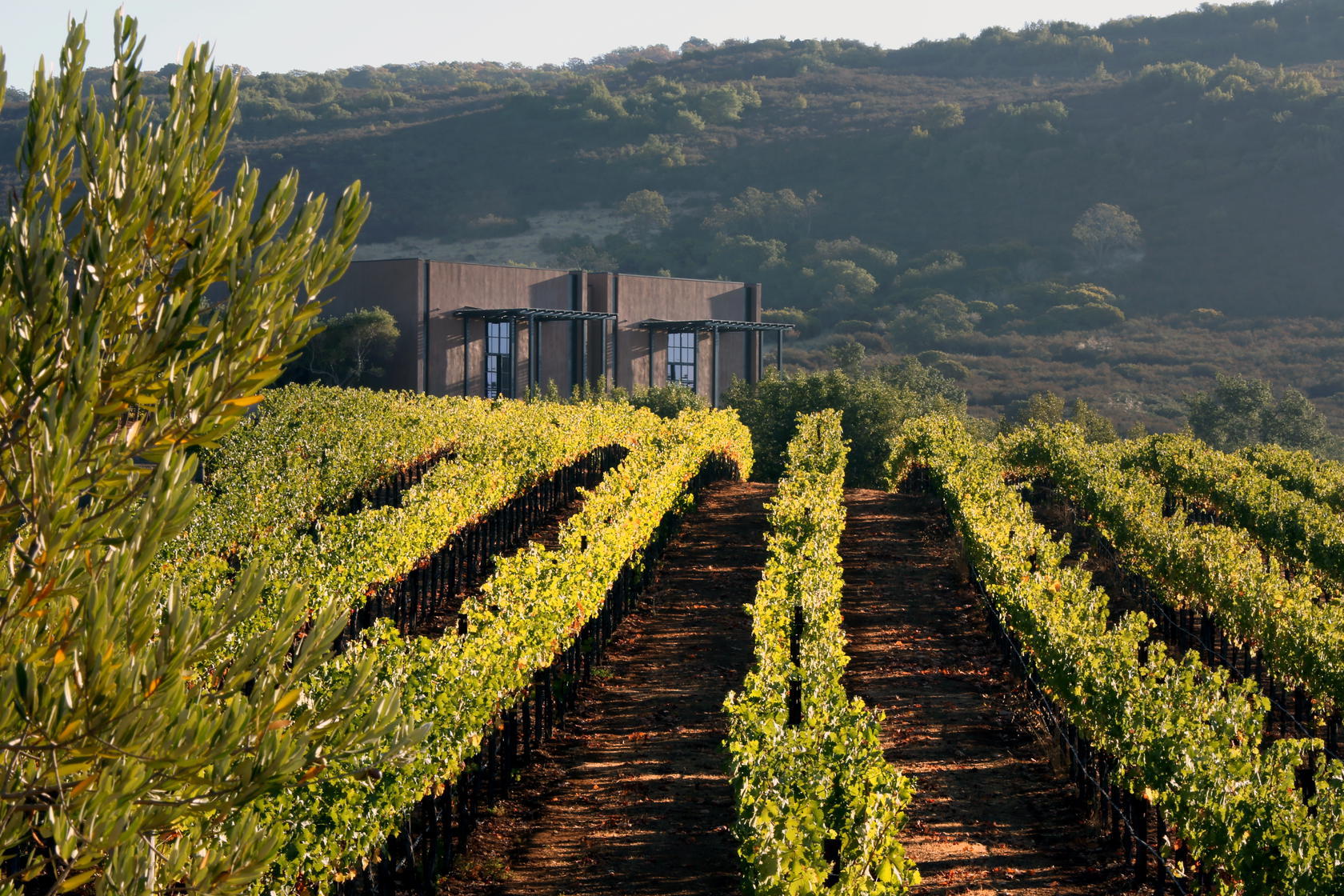
Photo: Continuum Estate.
It helps that cabernet varieties are hardy, says Mondavi. “They are used to being beaten around the head and shoulders. The soil is prone to pottery, downy mildew, and copper sulfate. However, they can still be racked [the process of transporting wine from one vessel to another] every three months. They are wines that soldier on in a very fine way.”
If pinot noir was subjected to the same conditions, he adds, the yield would be “rubbish and something that is destroyed”. Due to the quality of soil as well as the warmer climate, Continuum’s grape varieties are much more Burgundian. Mondavi personally enjoys the suppleness and richness of Burgundy wine. “Burgundy wine teaches me so many lessons. It is extremely demanding of the site and of gentle handling in the cellar.”
“We can drink wine every day and say, ‘Wow, isn’t this a great wine?’’ But after a while, we’ll want something else, right? That’s not to say one is better or worse than the other. Basically, it’s saying we need diversity.”
Tim Mondavi on the importance of variety
This is why he expanded his range of offerings to include Novicium, a vibrant and expressive blend he calls his “crown prince”. “Continuum is king. Continuum has everything at the top level, and the crown prince is the one in waiting. It is treated royally in every way, as if it will be king one day,” he explains.
It wouldn’t be fair to assume arrogance. Last year, Continuum claimed the top spot in a blind tasting of prestigious Napa Valley wines that was judged by sommeliers and wine merchants.
The company’s passion for winemaking has extended beyond red wines. It now offers Sentium, a sauvignon blanc from old-vine vineyards in Mendocino County as well. However, venturing into white wine was more than just a diversification of range. It was also about mitigating risk. “From a business standpoint, it provides diversity against the threat of global warming and fire,” Mondavi says, referencing the California wildfires that happen every couple of years.
Additionally, it was to provide the company with an edge against the rigours of financial challenges. “Napa Valley has changed considerably and the price of the land has skyrocketed. But Mendocino is not as well known, so it’s a little bit easier in that aspect.”
Mondavi recognises that the privilege of his heritage granted him a head start. “Continuum is as far along as it is because I have all this history, and part of my history at Robert Mondavi Winery is based on my making many different lines.”
Nonetheless, all his winemaking serves a greater purpose. “It is to live in greater harmony with nature,” he sums up.