It’s 3am and there is a civet cat, or rather a clowder of them, having a party on my roof. I look at my partner. Despite the racket going on above us, she’s still fast asleep. Civet cats are cute. The sounds they make, however, resemble shopping mall alarms blaring during a break-in, and I could not turn them off.
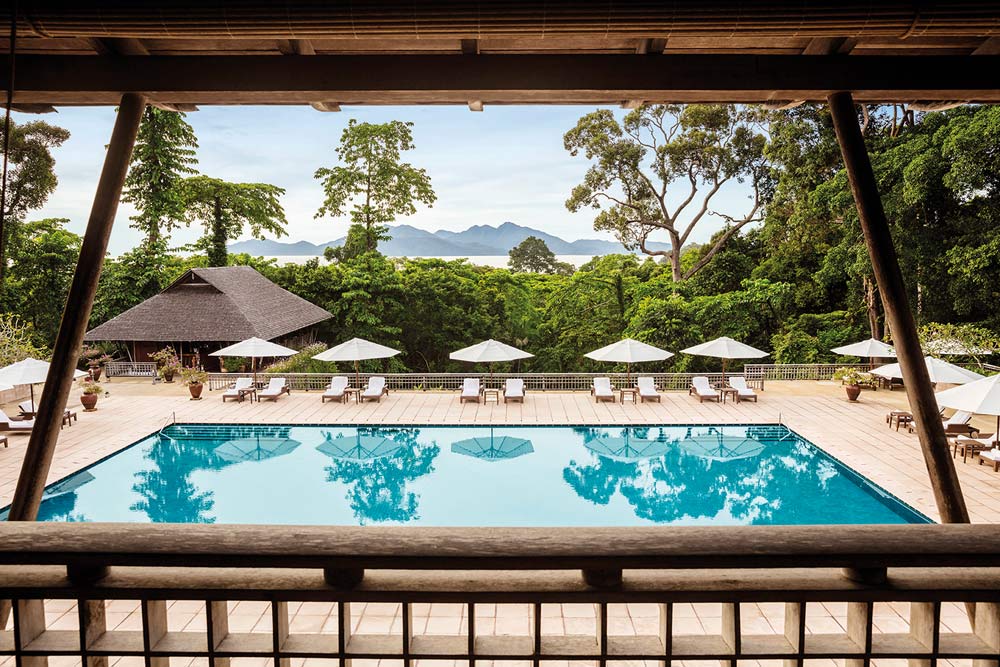
I’m at The Datai Langkawi, a five-star beach resort that focuses on sustainability, wellness and fine dining. Opened to the public in 1993, it closed in 2018 and underwent a year-long refurbishment. The pandemic closed it shortly after its reopening. In that brief period, however, TIME listed it as one of the 100 World’s Greatest Places in 2019 and Condé Nast Traveler ranked it as one of the Best New Hotels in the World in the same year.
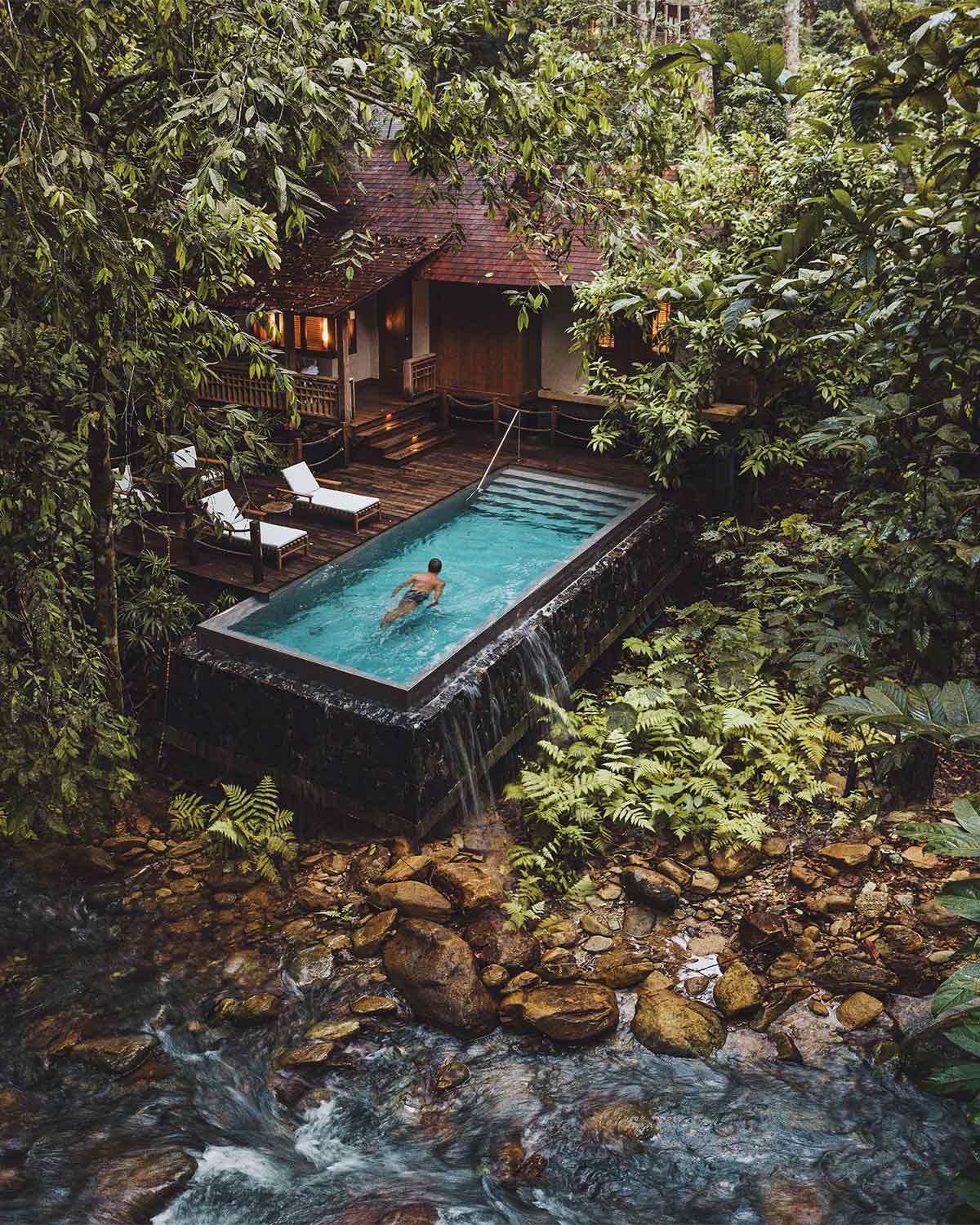
After two long years, it finally welcomed international travellers again in April this year. The villa I’m staying in for the weekend sits on stilts at the edge of the rainforest, which explains the civet cat party. In the mornings, monkeys swing from one tree to another outside our window and occasionally sit at the balcony. The guides advised us to lock our doors even when in the room; they’ve seen monkeys open doors and steal guests’ belongings.
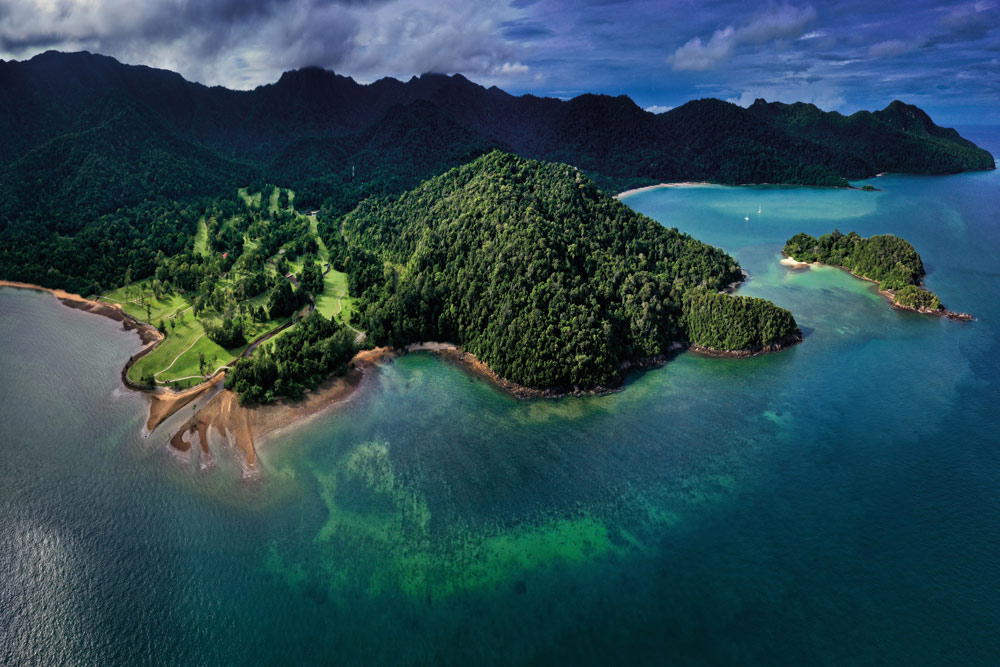
It is not uncommon for South-east Asian residents to dismiss Langkawi as a typical tropical island with sandy beaches. Truthfully, though, it’s much more nuanced than that. The Langkawi archipelago was recognised as a global geopark in 2007 by UNESCO. Geoparks are geographical areas with international significance because of their geological composition. The title isn’t permanent either. Geoparks must be ratified every four years.
Besides its diverse wildlife, Langkawi also boasts incredibly old rock formations — the Machinchang Formation dates back to the Cambrian Period, which is more than 500 million years ago — and historically rich rainforests. The Datai Langkawi itself sits within a 10 million-year-old rainforest and works with its surroundings rather than destroying them.
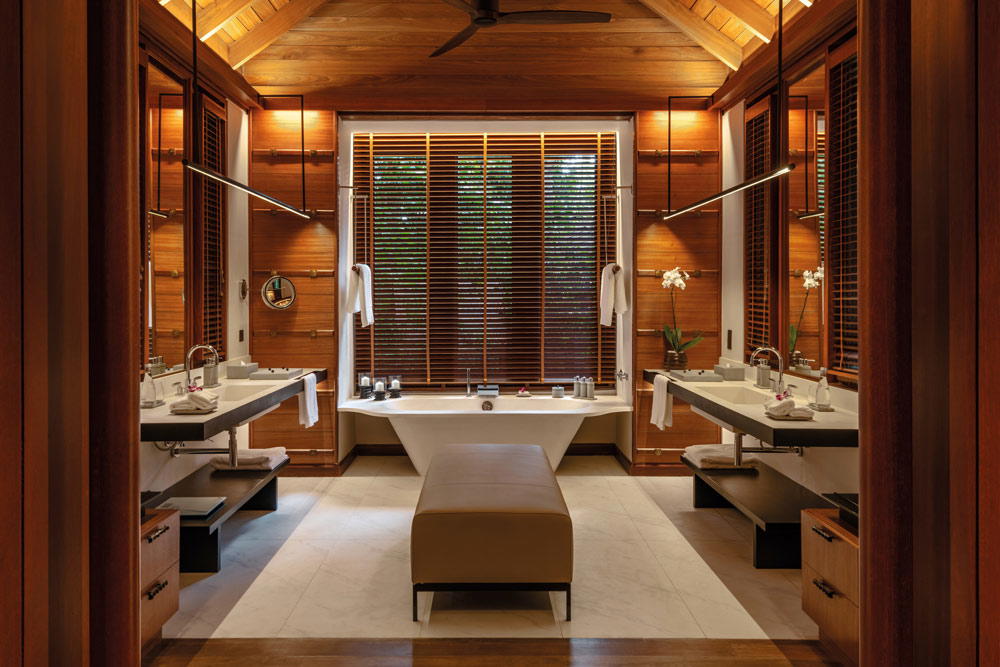
It’s one of the reasons why sustainability is so important to the resort. It published its second Impact Report this year, detailing the four key metrics it promised to improve in its Datai Pledge programme — marine life, terrestrial wildlife, local youth, and sustainable business operations.
The progress is stunning. There have been notable achievements in zero waste-to-landfill, the planting of 4,361 seedlings, including critically endangered species, in the Native Tree Nursery, and the creation of a trans-island wildlife corridor.
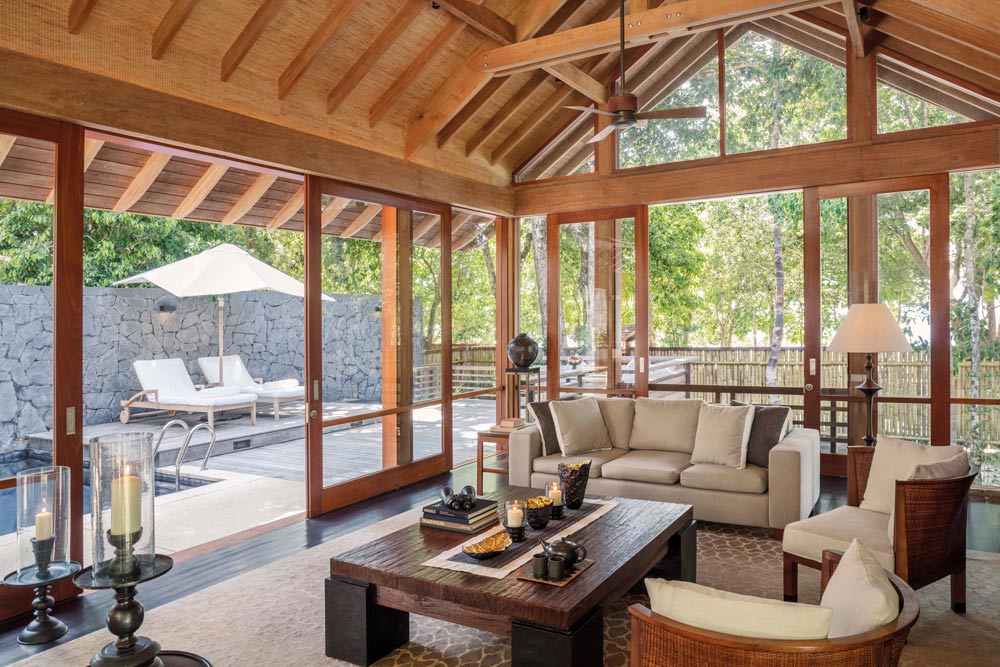
Additionally, while many resorts are just now dispensing their plastic bottles of water for glass options, The Datai Langkawi has gone beyond that. For instance, as the architects needed to build around the rainforest, many of the resort’s amenities are spread some distance apart. Walking is an option, but The Datai offers on-demand buggies, which came in handy during my stay. As it was monsoon season, there were a lot of showers.
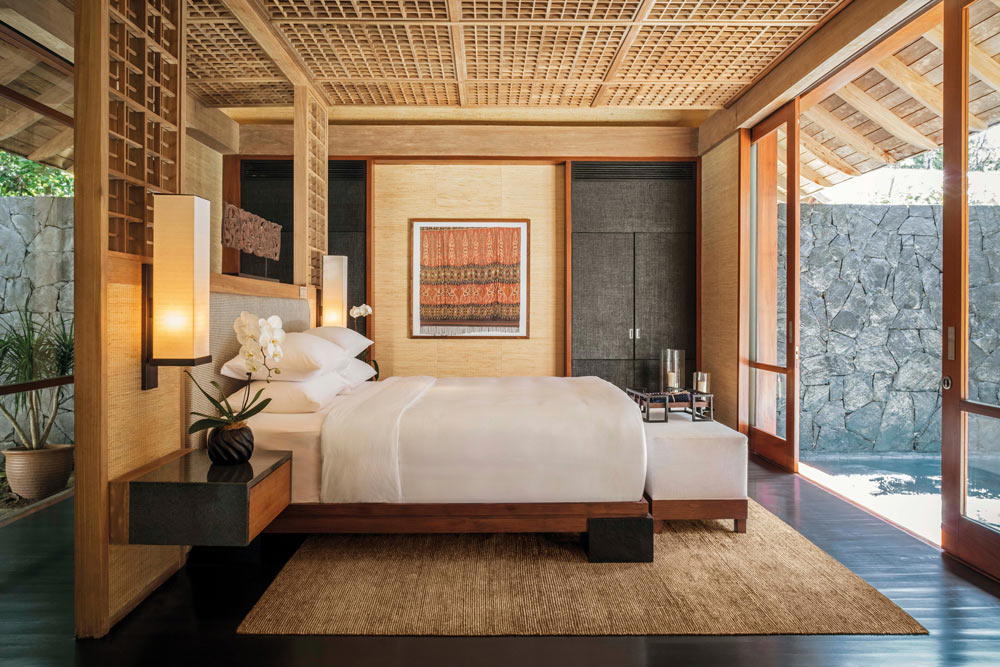
Beyond the guest rooms, air- conditioning is kept to a minimum. The restaurants, gym and spa are open-air facilities with clever design touches to
keep out nature’s elements, such as the aforementioned rains, while still letting you enjoy the scenery.
The spa was a special treat. Treatment rooms face the mangrove swamps, cleverly taking advantage of the soothing sound of the river to lull you to sleep. Embarrassingly, I started snoring halfway through my treatment; my own snores woke me up.
Its food programming is also a key draw. The new garden grows the wide variety of fruits, herbs and vegetables that eventually end up on diners’ plates. A stingless bee population that lives within the ecosystem helps produce honey as well.
In one corner of the garden, there are outdoor bathtubs, presumably removed from the rooms during the refurbishment, filled with compost that break down waste. According to the caretaker, the goal is to create a closed-loop waste management system. Everything that grows returns to the soil. In addition, the resort sources as much of its proteins as possible from the Indian and Pacific Oceans and surrounding islands.
As part of its annual signature Chef Series, which has been running since 2016, The Datai focused on Malaysian cuisine this year. Over different weekends, chefs from all over the country travelled to Langkawi to helm The Dining Room, the resort’s in-house restaurant.
I attended the final edition, featuring chefs Lee Zhe Xi and Soh Yong Zi from the renowned KL fine dining establishment Eat And Cook. Having heard much about their culinary expertise, I was delighted to experience it firsthand. The five-course dinner took me around Malaysia, beginning with coconut-smoked fish, an interlude of tiger prawns and ending with a chilli meringue. They emerged from the kitchen after service to thank all the dinner guests, too, and asked if there was room for improvement. Two award-winning chefs seeking feedback from unrefined palates like mine is a rare sight, but it shows their dedication.
My only request to them was: “Please share your phone numbers with me so I
can reserve dinner at your restaurant the next time I’m in KL.” They readily handed them over and even asked me for dining and partying recommendations in Singapore.
I shared a few of my favourite haunts and told them to drop me a message the next time they were in town so I could bring them out. I also promised them that there wouldn’t be any civet cats.