According to Deloitte, a brand-new smartphone generates an average of 85kg of emissions in its first year of use, mainly because of production — 95 per cent comes from the manufacturing process, including the extraction of raw materials and shipping. On its own, that number means nothing. But, if you want to compensate for the carbon footprint generated from the first 365 days, optimally, the smartphone needs to be used for 232 years.
It’s a shocking statistic, considering that there are 4.5 billion smartphones in the world this year.
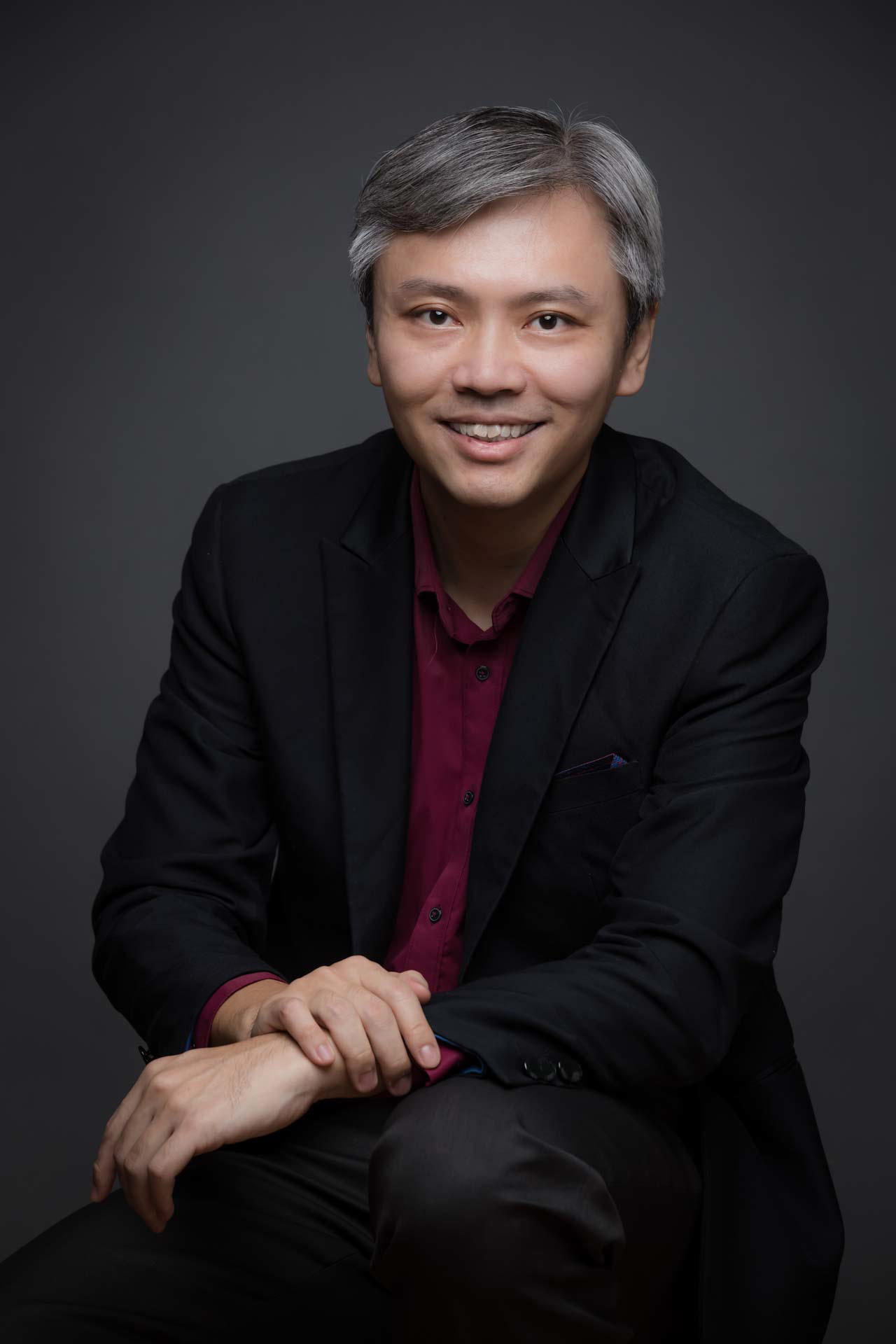
Tan Ching Hwee has been thinking about that number a lot. Growing up, the entrepreneur learned sustainability before it became a buzzword. “Thriftiness was a core family value,” says Tan. His clothes, shoes and books were mostly hand-me-downs from friends and family. Many of the furniture at home was second-hand, too. When things broke down, the family would often try to repair them. As a child, Tan became adept at fixing alarm clocks and remote controls.
This was when I realised the major problem — electronic waste. There must be a way to solve this and instil circularity into the entire process.
Tan has devoted his businesses to solving e-waste
It was only in university when he realised he could turn his prowess into a business. A laptop he owned gave him intermittent issues — he had to press the power button multiple times before it switched on. “Twenty years ago, third party repair centres didn’t exist and the official service centre quoted me an exorbitant price. The staff said that he had to replace the motherboard to fix the issue.”
Tan, an electrical and electronic engineering major, troubleshooted the problem on his own. Through trial and error, he realised the problem lied in a faulty “Integrated Circuitry chip on the motherboard”. Replacing the chip set him back US$8.
Realising the gap in the market, Tan founded PC Dreams. He began offering his repair services to consumers and eventually, corporate organisations. Many of them had faulty devices in their inventory gathering dust because it was more cost-effective back then to buy new replacements for staff.
“This was when I realised the major problem — electronic waste. There must be a way to solve this and instil circularity into the entire process,” says the music hobbyist, who used to play in a Chinese orchestra ensemble.
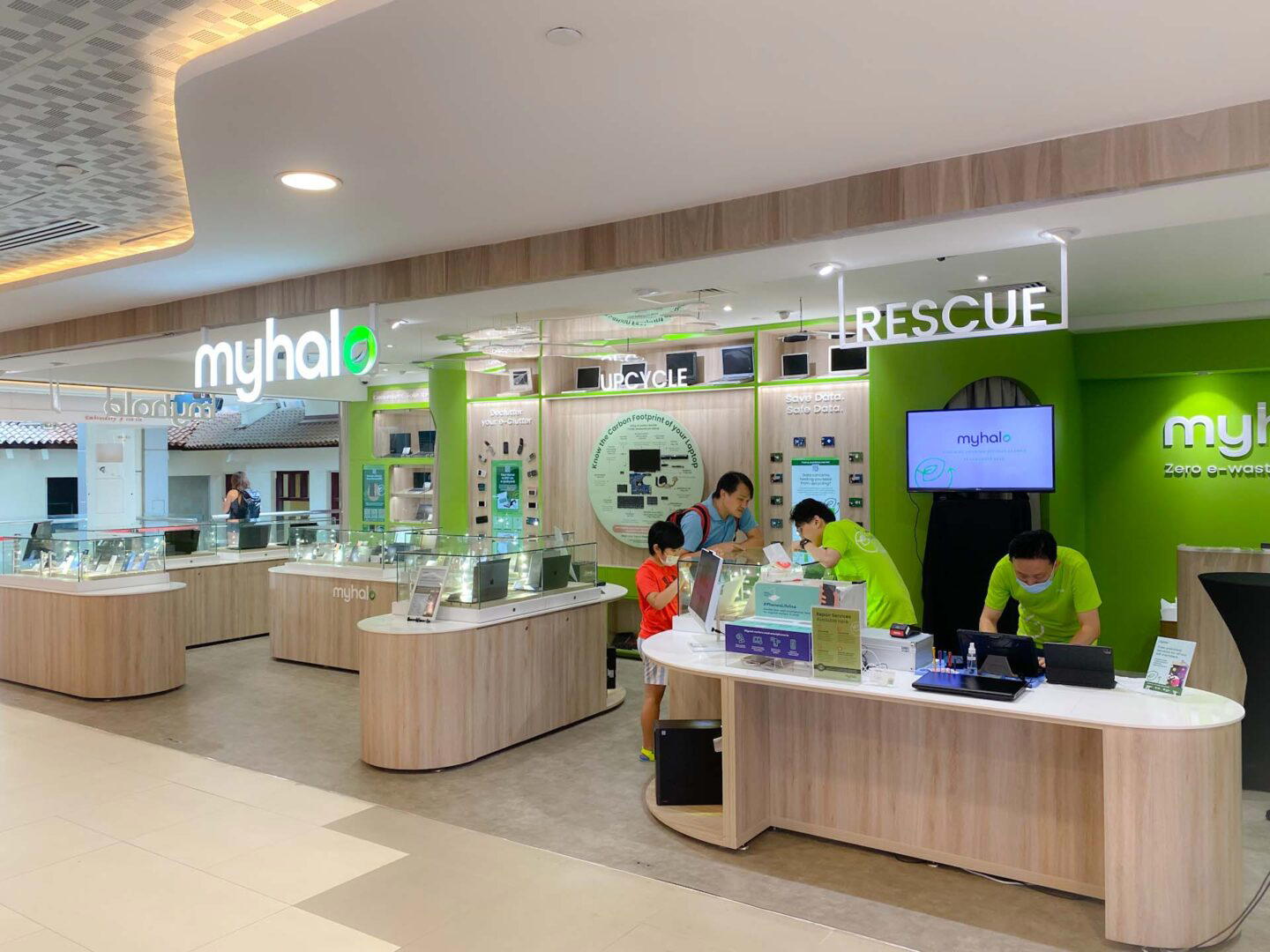
It took some time, but Tan believes he has the solution now with myhalo. A sustainability tech platform advocating for a zero e-waste lifestyle, Tan’s latest ventures helps consumers contribute towards the circular economy and adopt a zero e-waste lifestyle by decluttering their e-clutter.
They can assess their old devices at myhalo. Functioning devices will be refurbished and repurposed or donated to needy families. If it’s obsolete, it’ll be properly and consciously recycled.
A customer can head to its outlet at Bugis Junction or get instant quotes from its website. With privacy issues becoming more pertinent, myhalo also wipes all existing data on your digital devices before taking them.
“Myhalo reduces the number of mobile, tablets and laptops that go into the blue e-waste bins in our neighbourhood. We make these devices work well again, so that we don’t throw them away unnecessarily and harm the planet,” says Tan.
While only in the nascent stages, Tan hopes that myhalo can provide the impetus towards a zero e-waste lifestyle. It might be a grand goal, but this is the same man who started a business from his dorm room with only US$8.
“Waste isn’t yet wasted until we waste it,” says Tan.