
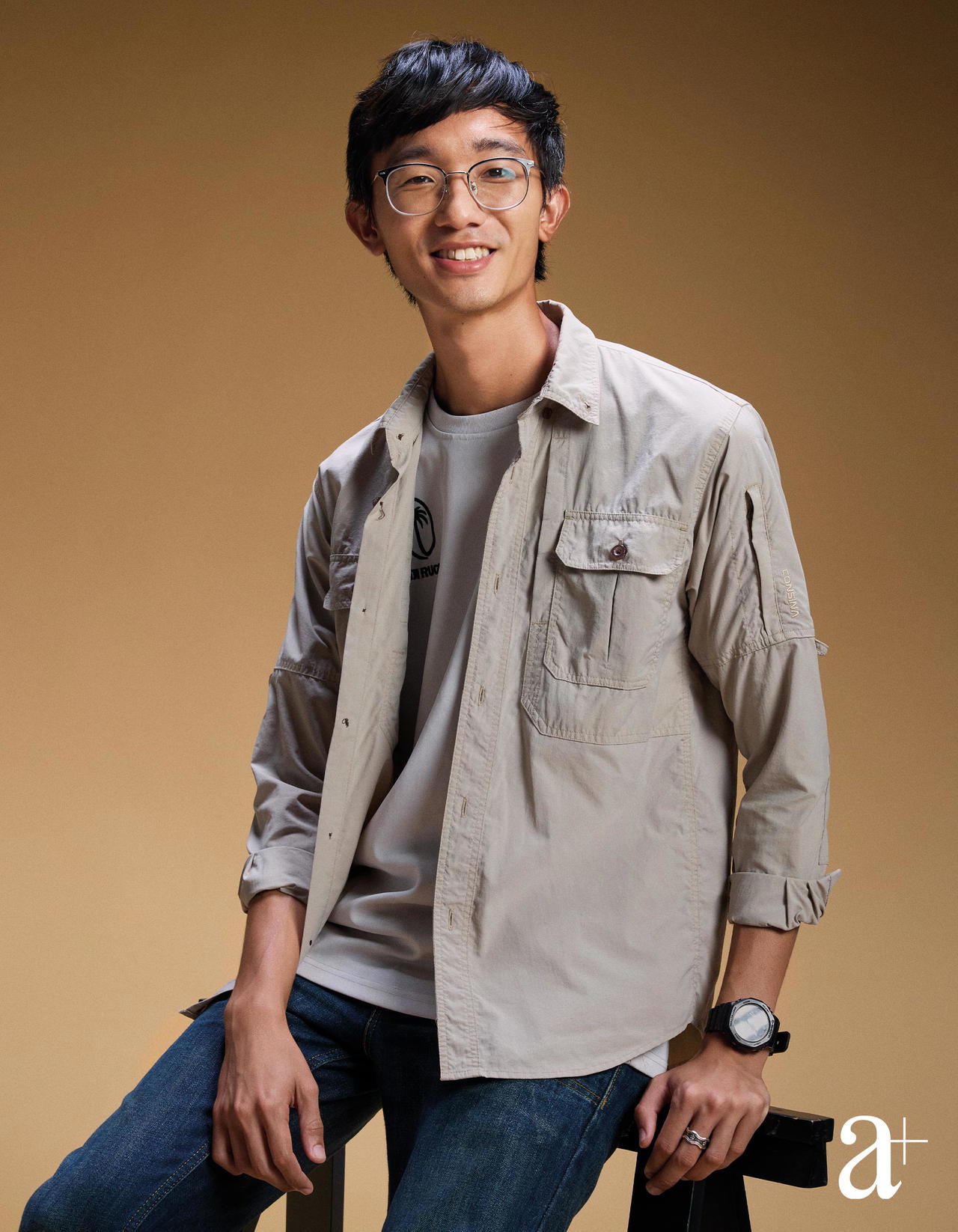
It is a misconception that history and heritage are boring or limited to textbooks and museums. History lives among us every day, from the places we visit to the food we eat and the traditions we practise, says Stanley Cheah.
He and his wife Amanda founded Hidden Heritage, the Singapore-based tour operator that offers immersive tours to little-known or inaccessible locations, as a weekend project in 2021. The couple started running it full-time last year.
For Cheah, “hidden heritage” refers to aspects of our history that exist in plain sight but often go unnoticed. We pass by these places every day without considering what they once were. In a fast-modernising city like Singapore, older spaces are easily overshadowed by the new, and if they are not documented or remembered, their stories will be lost for good.
“There are so many mysteries to be explored, and often it starts with something so simple as asking what a familiar place used to look like,” he says. “For example, I once discovered that a building in Taman Jurong where I bought groceries from was the site of Singapore’s first ice-skating rink. I had always assumed these rinks existed only in places like Kallang or Jurong East, but it turned out that the first one was in an unassuming building in my own neighbourhood.”
His discovery led him down a rabbit hole. He began combing through Singapore and British archives and speaking with seniors who remembered the site, as well as turning to social media to gather stories. Typically, he uncovers lesser-known histories through archival research, oral interviews, and community outreach.
Cheah has found, however, that landlords sometimes hesitate to show off places with rich histories. Superstition plays a role: if certain stories or rumours, particularly regarding darker histories, become widelyknown, tenants may perceive the space differently. “A tenant might say, ‘There are rumours this place is haunted. Can we get a discount on rent?’ The landlords’ concerns are understandable.”
That said, he works closely with landlords willing to share the histories of their buildings, and when showcasing a place’s heritage, he makes sure to give a balanced presentation to avoid whitewashing or causing undue concern. Conceivably, certain situations require enhanced sensitivity, such as when stories from the Japanese Occupation are shared with Japanese guests.
“Although these are difficult parts of history, we believe they should still be told factually and honestly. It is important for Singapore to remember that we can forgive, but we should not forget.”
Stanley Cheah on objective sharing
Since its launch, Hidden Heritage has hosted over 5,000 guests. Among its most popular programmes are Don’t Call Us Poor: Hidden Lives of Lavender, which examines the history of early public housing and the lives of residents in one-room flats; Fishy Business: Jurong Fishery Port Tour, which offers participants a behind-the-scenes look at Singapore’s seafood trade; and Industrial Relics & Wartime Secrets, which takes them to a former industrial factory and a refugee camp in Woodlands. Discontinued tours are often the result of factors beyond their control, Cheah says.
Many of the sites they feature are subject to redevelopment, closure, or loss of access, making the experiences no longer feasible to run. Hidden Heritages documents these places and their stories through tours, videos, and research while they still exist.
“Our generation is responsible for passing down stories, traditions, and practices on to the next. Let’s use the power of social media to preserve or at least remember our heritage while it’s still around.”
Photography Mun Kong
Art direction Ed Harland & Anna Espino Lim
Hair Sarah Tan using Goldwell
Makeup Rina Sim using Bobbi Brown
Photography assistant Hizuan Zailani